2026 Guide: Korean-Italian Fusion Food Trends
Foodies everywhere are buzzing about the latest Korean-Italian fusion food trends. This culinary mashup combines the spicy, fermented depth of Korea with the comforting starch of Italy. We’re talking kimchi rosé pasta, gochujang-glazed meatballs, bulgogi pizza. It’s showing up at more and more restaurants across the US and in major South Korean cities, where the whole thing started as a social media phenomenon before actual restaurants picked it up.
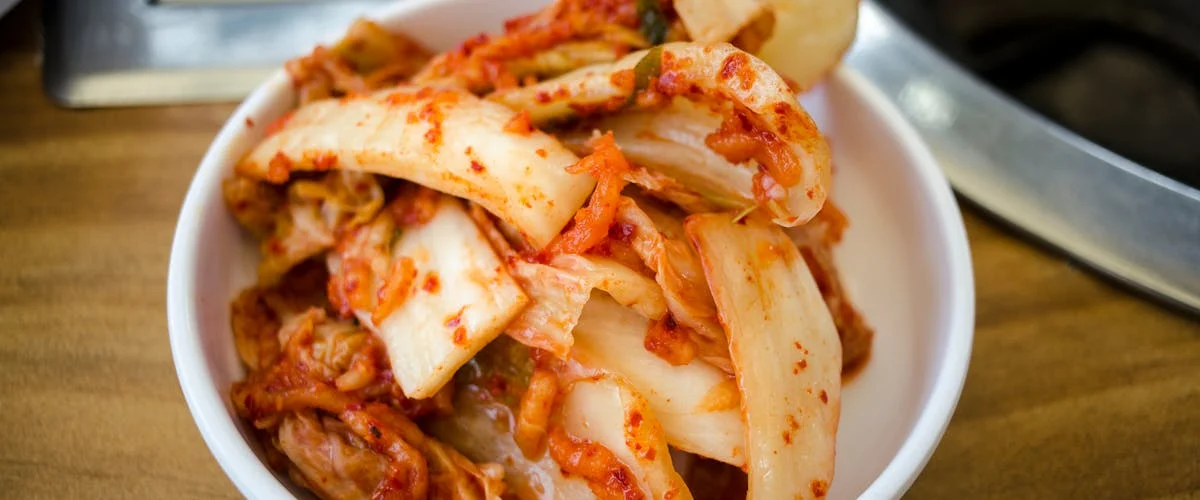
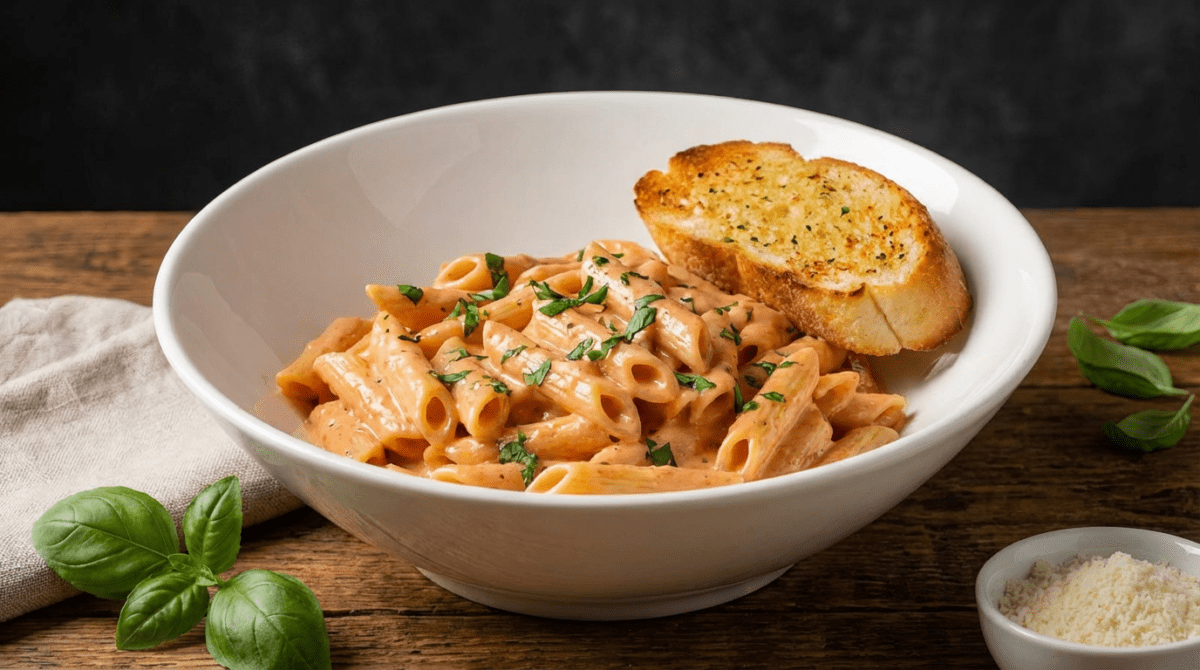
The trend really took off in late 2024 when videos of kimchi rosé pasta went massively viral on Korean platforms. Rosé pasta, which is a creamy tomato-based sauce, was already one of Korea’s biggest comfort foods. Somebody had the idea to throw kimchi in there, the fermented tang cut through all that cream beautifully, and suddenly everyone wanted to try it. Restaurant owners saw the demand online and started putting Korean-Italian mashups on their menus.
By 2026 both Food Network and FSR Magazine have flagged it as one of the year’s defining restaurant trends.
The Science Behind Korean-Italian Fusion Food Trends
As global palates become more adventurous, Korean-Italian Fusion Food Trends have redefined comfort food in 2026, blending the spicy, fermented soul of Seoul with the rustic heart of Italy.
Honestly it makes more sense than you’d think. Both cuisines are built around umami. Italian cooking gets its depth from tomatoes, aged parmesan, olive oil. Korean cooking gets there through fermented ingredients like gochujang, doenjang, kimchi. Different ingredients, same destination.
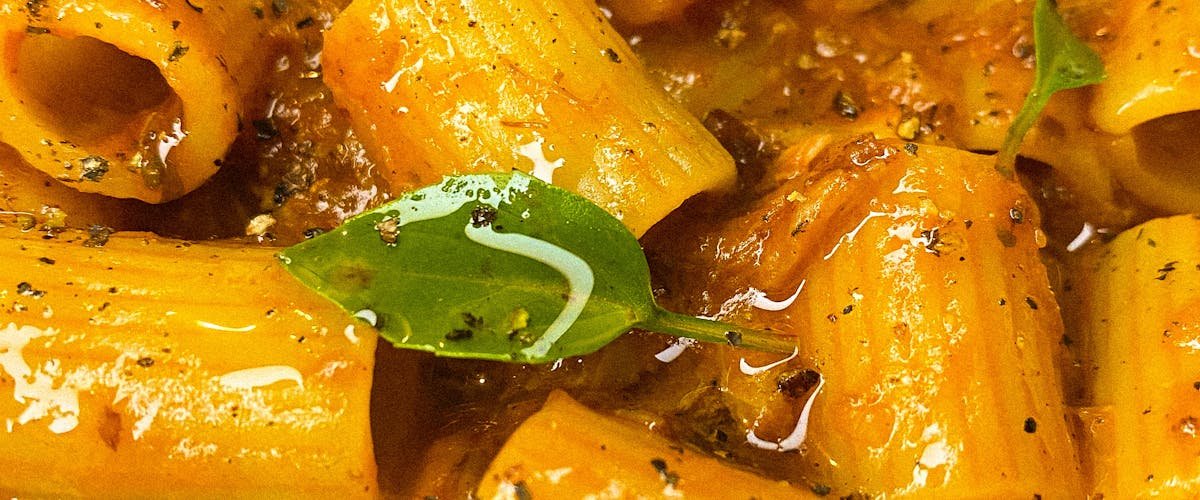
The textures are complementary too. Pasta and bread are neutral starchy bases that soak up bold flavours without fighting them. Gochujang butter tossed with hand-pulled noodles works for the same reason aglio e olio works, the simplicity of the base lets the sauce do the heavy lifting.
I’ve talked to a few chefs who also point to shared cultural values around food. Seasonal ingredients, careful technique, meals as social occasions. There’s a natural overlap in how both cultures think about eating.
What Are the Dishes to Know?
Kimchi rosé pasta is the gateway and probably the one you’ve seen on social media. Most versions combine cream, tomato, and gochugaru (Korean red pepper flakes) with chopped kimchi. Sometimes a soft egg on top, sometimes crispy pork.
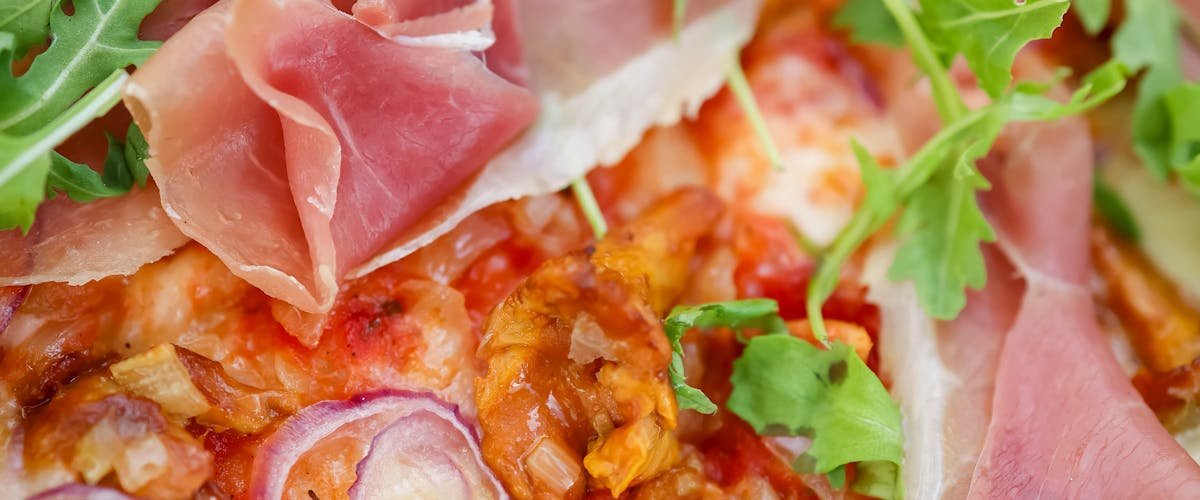
Bulgogi pizza swaps traditional toppings for marinated beef, pickled vegetables, and sesame oil over mozzarella. Some places add perilla leaves which is a nice touch.
Gochujang arrabbiata has been popping up in New York and LA. It’s basically the Italian spicy tomato sauce but with gochujang doing some or all of the chilli work.
On the dessert side you’ll see tiramisu made with matcha or black sesame, which starts to blur into broader East Asian-Italian territory.
Frequently Asked Questions
What is Korean-Italian fusion?
Korean ingredients like kimchi, gochujang, bulgogi paired with Italian formats like pasta, pizza, risotto.
Where did it start?
Korean social media, around 2024. Crossed over to US restaurants shortly after.
What’s the most popular dish?
Kimchi rosé pasta. That’s the one that started everything.
Top Cities for Korean-Italian Fusion Food Trends
As global palates become more adventurous, Korean-Italian Fusion Food Trends have redefined comfort food in 2026, blending the spicy, fermented soul of Seoul with the rustic heart of Italy.
New York, LA, and San Francisco were the early US adopters. Spreading to other cities through 2026.
Is it just a fad?
Food analysts seem to think it has staying power because the underlying flavour principles are genuinely compatible. This isn’t a gimmick pairing, it actually makes culinary sense.
Conclusion
In summary, Korean-Italian Fusion Food Trends are proof that the best culinary innovations often come from unexpected places. What started as viral TikTok videos of Kimchi Rose Pasta has evolved into a sophisticated dining category, with legendary chefs like Nancy Silverton opening dedicated hybrid restaurants like Lapaba in Los Angeles. As we move through 2026, the success of “K-Italian” cuisine shows that diners are no longer looking for traditional borders—they are looking for bold, umami-rich flavors that bring the best of both worlds to a single plate.