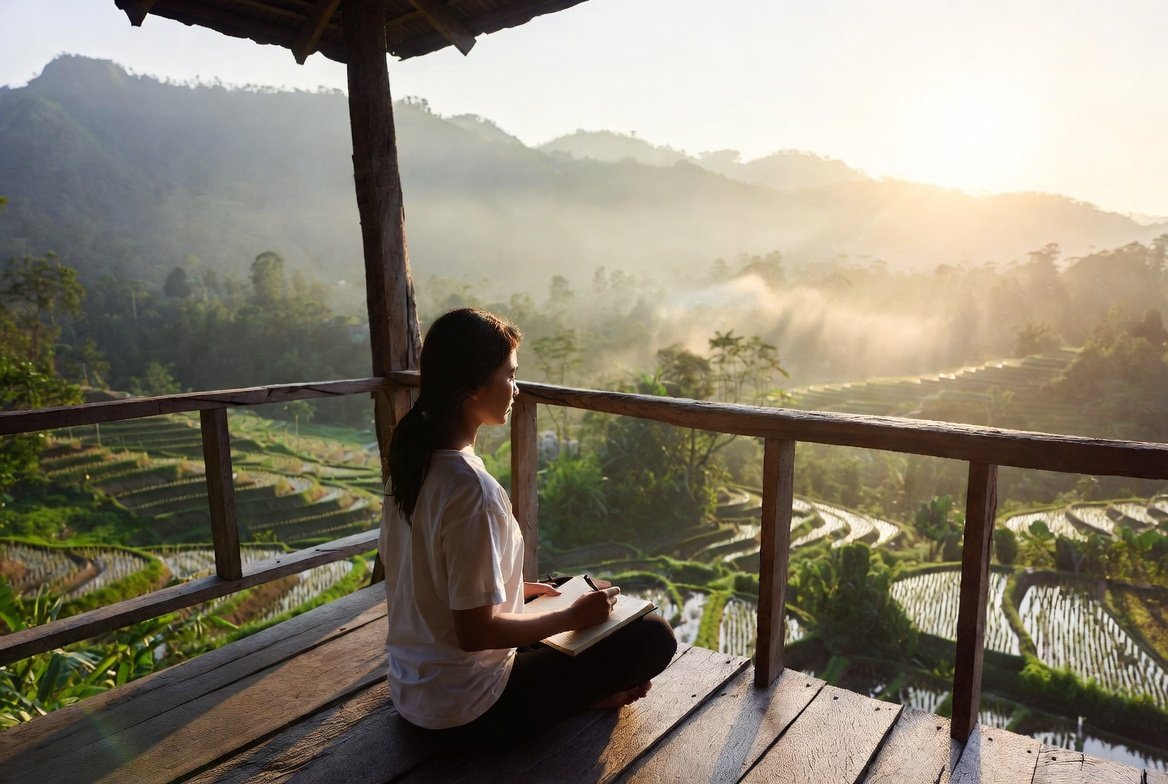
What is purposeful travel and why is it trending?
The Purposeful Travel Trend is officially the biggest shift in the tourism industry in 2026. Instead of simple sightseeing, the Purposeful Travel Trend focuses on personal growth, skill-building, and giving back to local communities. As more people seek depth over spectacle, understanding the Purposeful Travel Trend is the key to planning your next meaningful journey.
The rise of the Purposeful Travel Trend is a massive shift in consumer behavior. It shows that people are looking for deeper value, much like the premium comfort found in United Airlines Polaris Business Class, which has also seen a surge in demand in 2026.
It’s trending because frankly a lot of people got bored with the old formula. Visit famous thing, photograph it, move on to next famous thing, collapse at the hotel exhausted. Booking.com‘s 2025 trend report found over 60% of global travellers said they want trips with some kind of personal meaning, which is a big number.
Understanding the Purposeful Travel Trend 2026
Volunteer travel is the oldest version, conservation projects, community building, teaching abroad. That’s been around for decades.
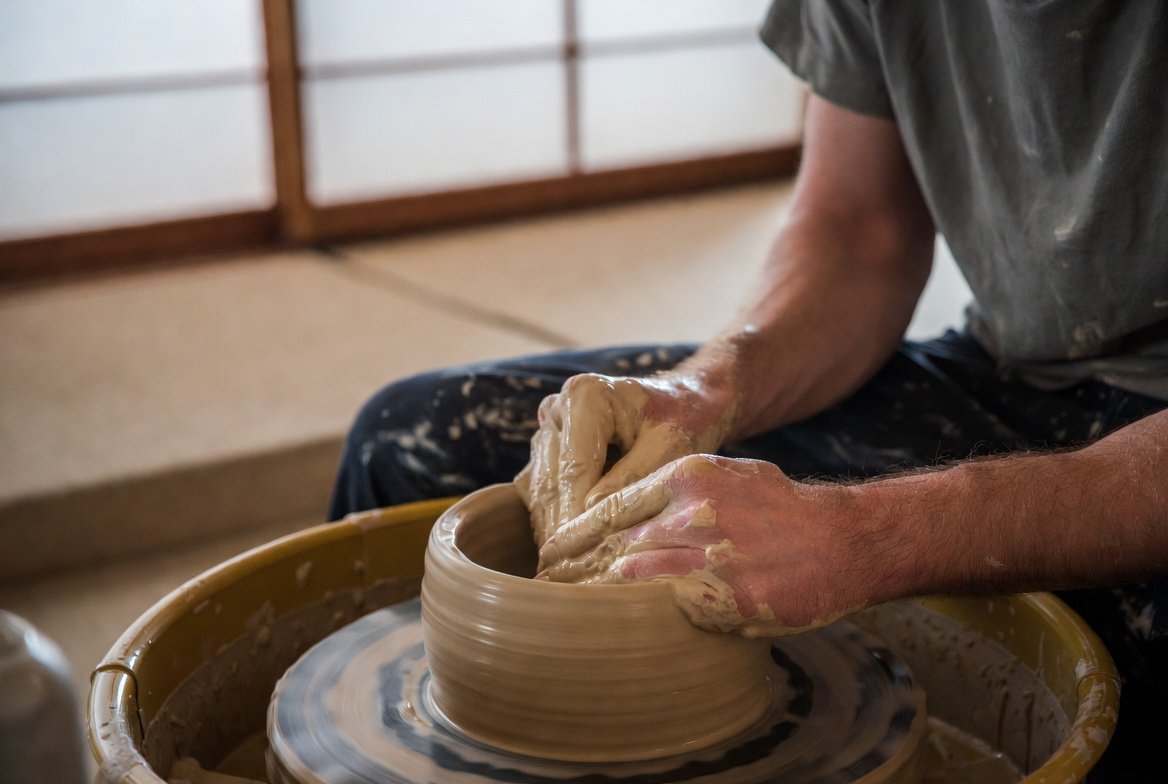
The 2026 version is broader though. Wellness retreats built around specific goals like meditation training or digital detox. Skill-building trips where you learn pottery in Japan, get your dive certification in Indonesia, or make wine in Georgia. Heritage tourism where people visit places their families came from.
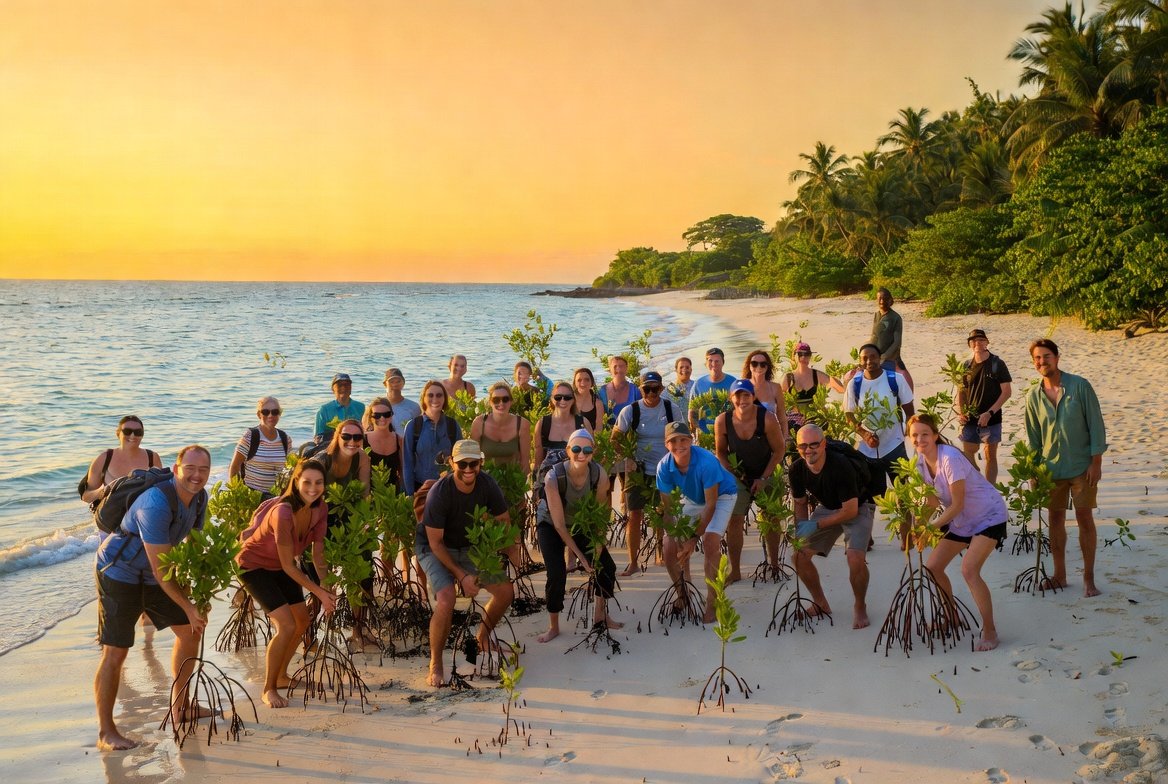
Adventure travel with a purpose is growing fast too. Think climate-focused expeditions where you collect scientific data, or rewilding projects where you help plant native species. The common thread is that travellers want to come home with something beyond photographs.
Is the Industry Keeping Up?
Tour operators are building purpose-driven itineraries. Companies like Intrepid Travel and G Adventures have expanded their community-focused trips. Luxury operators are packaging artisan residencies—a week of ceramics in Tuscany or cooking classes in Oaxaca.
Hotels are getting into it too with residencies, workshops, and partnerships with local artists or craftspeople. The destinations benefiting most are the ones that invest in depth over spectacle, building local experiences rather than another generic resort.
Is This Only for Rich People?
The high-end versions are expensive, sure. Week-long artisan residencies aren’t cheap. But the core idea, travelling with intention, works at any budget. A backpacker choosing a homestay over a hostel chain is doing purposeful travel. Planning a road trip around local food producers instead of fast food stops is the same thing.
The most accessible version is really just asking a different question before you book: “What do I want to learn or experience?” instead of “Where haven’t I been yet?”
Frequently Asked Questions
What is purposeful travel? Travel planned around growth, skill-building, or contribution rather than just sightseeing.
Is it the same as voluntourism? Volunteering is one form, but it also includes skill trips, wellness retreats, and heritage visits.
How is the industry responding? Operators are creating itineraries with local partnerships and hands-on experiences.
Best destinations for this? Japan for crafts, Central America for conservation, and Southeast Asia for wellness.
Conclusion
The shift toward Purposeful Travel Trends represents a deeper connection between travelers and the world. By focusing on meaningful travel experiences rather than just sightseeing, the Purposeful Travel Trend 2026 is paving the way for a more intentional and impactful way to see the globe.