What are the biggest restaurant design trends in 2026?
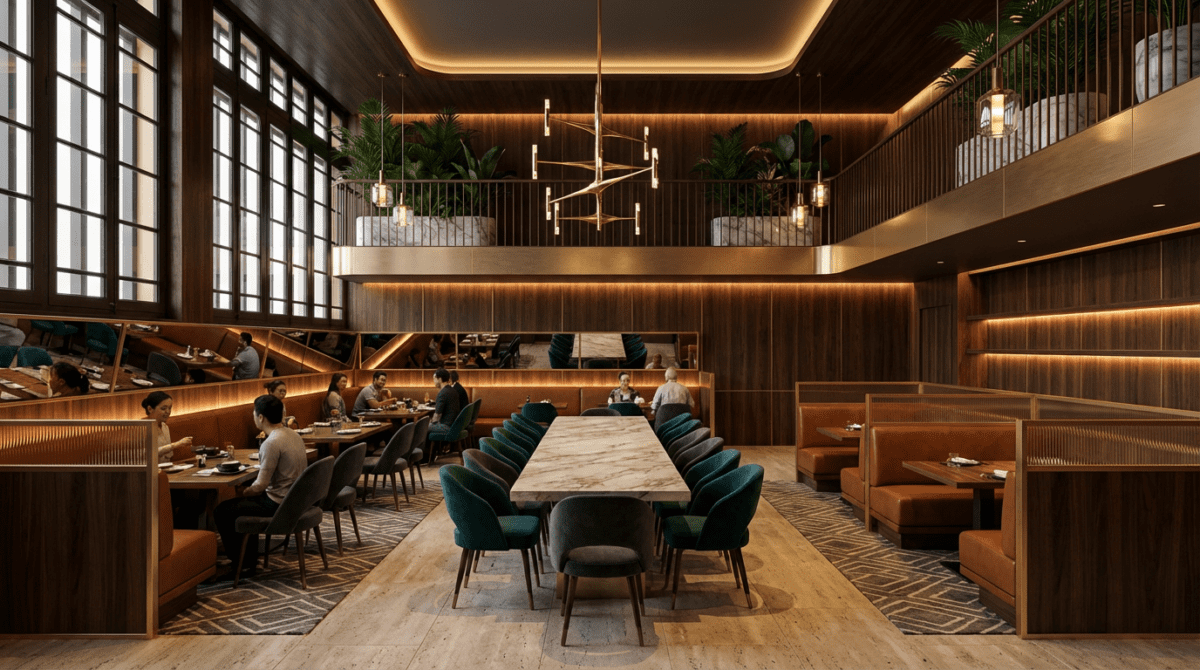
Three things define what’s happening in Restaurant Design Trends right now, natural materials replacing the industrial look, open kitchens becoming full-on theatre, and a growing interest in designing for senses beyond just sight.
That whole polished-concrete-and-Edison-bulb aesthetic from the 2010s has run its course. I think a lot of people got tired of dining rooms that all looked the same regardless of what city you were in. Diners in 2026 seem to want spaces that actually feel warm, a bit imperfect, and connected to the physical world.
Natural Materials Are Everywhere
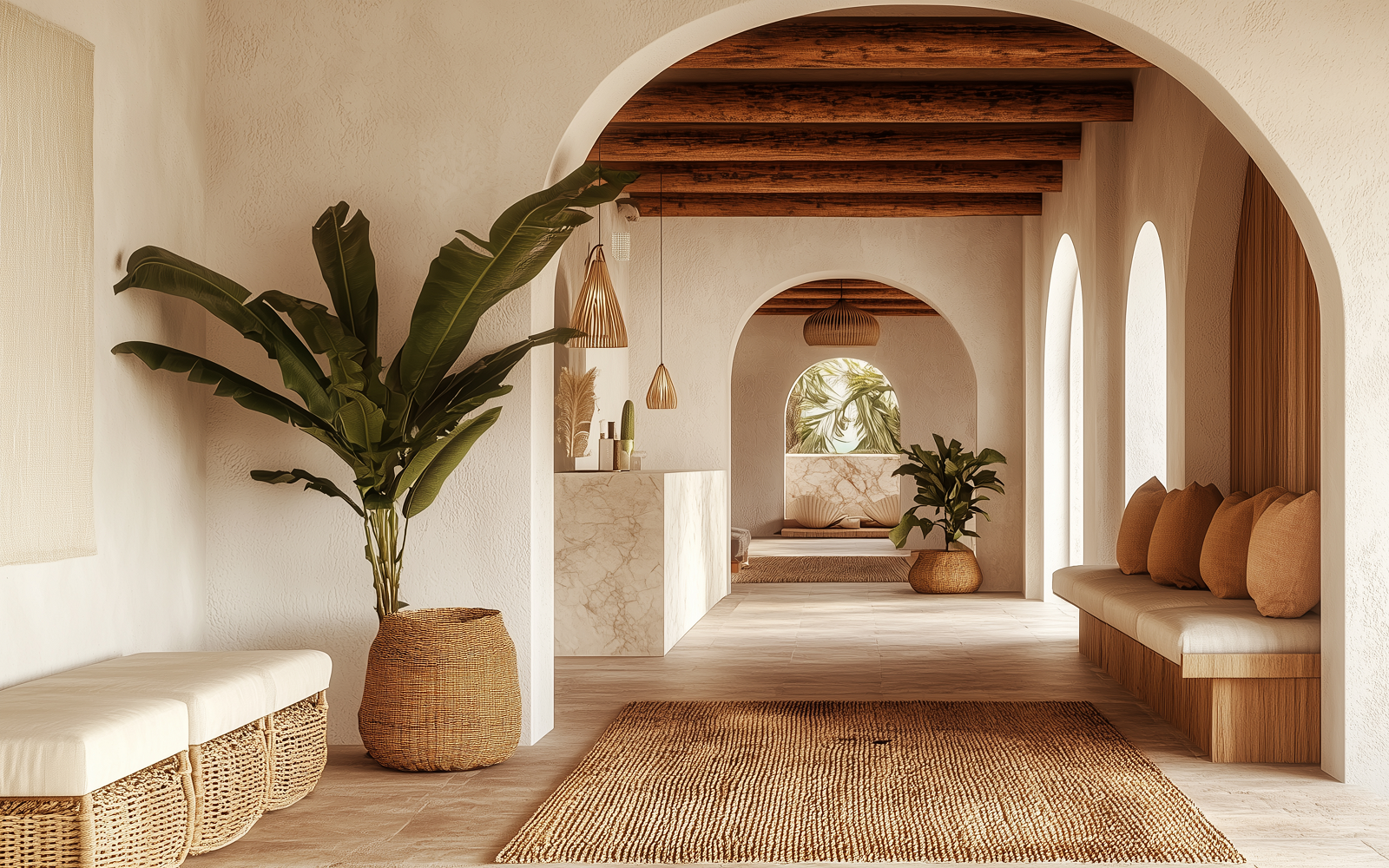
Concrete and steel are out, or at least fading. Wood, stone, clay, linen are in. Designers are choosing materials that show their age rather than trying to look new forever. A wooden table that develops patina. Handmade ceramic tiles where no two are quite identical. Lime-washed walls instead of painted drywall.
I think this connects to a broader mood where people can tell the difference between a space assembled from a catalogue and one that had actual human thought put into it. The slight imperfection is what makes it feel real.
Sustainability is playing a role here too. Designers sourcing reclaimed timber, local stone, low-carbon materials. Some restaurants are commissioning local craftspeople for fixtures and furniture, which gives them a story to tell customers while also keeping money in the local economy.
Open Kitchens as the Main Event
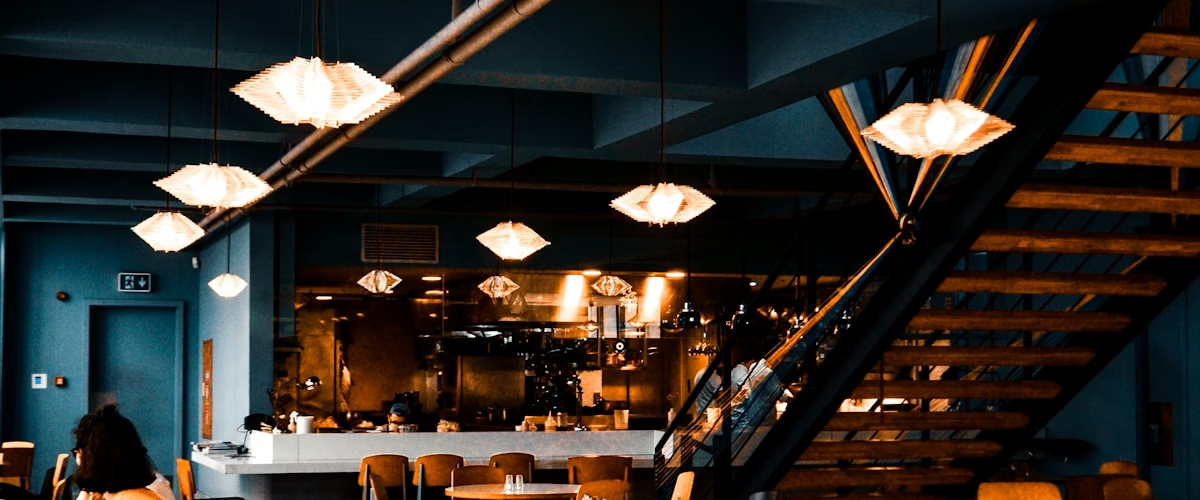
One of the most exciting Restaurant Design Trends is the ‘Kitchen Theatre’ concept. Unlike older layouts, modern Restaurant Design Trends place the chef at the center of the room. This transparency in Restaurant Design Trends builds trust, much like the high standards seen in Michelin Starred Restaurants, where the process of cooking is as important as the final plate.
Din Tai Fung has been doing this for years with their dumpling-folding windows. Japanese omakase bars built their whole format around it. What’s happening now is that mid-range restaurants are borrowing the concept.
There’s a practical benefit too. People can see their food being prepared and see how clean the kitchen is. Post-pandemic a lot of diners care more about that kind of transparency.
Multi-Sensory Thinking
This is the more experimental edge. Some designers are working on sound and touch alongside the visual stuff. Acoustic engineering to get noise levels right, loud enough to feel alive but quiet enough to have a conversation. A few high-end places have brought in scent designers or sound artists.
It’s niche for now. But the underlying idea that dining engages your whole body not just your eyes and taste buds is starting to show up in more mainstream design conversations.
Frequently Asked Questions
What materials are trending?
Wood, stone, clay, linen. Natural materials that develop character over time. Reclaimed and locally sourced when possible.
Are open kitchens still popular?
More than ever. The trend now is making the kitchen the centrepiece of the dining room rather than just a window.
How important is acoustics?
Increasingly so. Bad acoustics can ruin an otherwise great restaurant and designers are treating sound as a core element now.
What is multi-sensory design?
Designing for touch, sound, and smell in addition to visual aesthetics. Still early days but gaining interest.
Is sustainability influencing restaurant design?
Definitely. Reclaimed materials, local sourcing, low-carbon construction are becoming expected rather than special.
Conclusion
Restaurant design in 2026 focuses on authenticity, transparency, and experience. Natural materials such as wood, stone, and clay are replacing cold industrial aesthetics, creating warmer and more inviting spaces. Open kitchens are becoming central features, turning food preparation into part of the dining experience. Sustainability is also a major influence, with many restaurants using reclaimed and locally sourced materials. In addition, designers are paying closer attention to sound, lighting, and overall sensory comfort. These combined trends show that modern restaurants are designed not just to look good, but to feel comfortable, engaging, and environmentally responsible.
World Green Building Council supports sustainable design practices.
Studies from U.S. Green Building Council show benefits of green buildings.