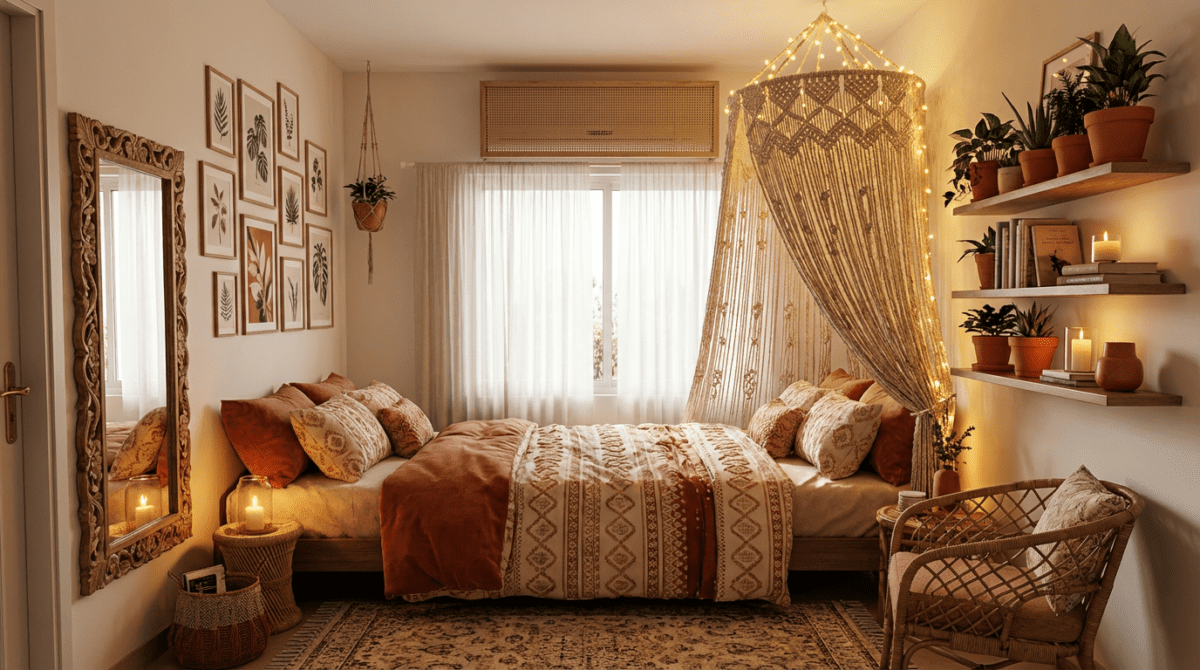
What is Circadian Lighting Design and does it really improve health?
Circadian Lighting Design is the most effective way to sync your home with your body’s natural rhythm in 2026. By using a smart Circadian Lighting Design, you can improve your sleep, boost daytime energy, and finally align your indoor life with the sun’s natural cycle.
Research on how light exposure affects sleep and health has moved from niche academic journals into actual products you can buy. Does it work? Short answer, yes, though it’s not magic.
The Science Behind Circadian Lighting Design
Your circadian rhythm is mostly controlled by light hitting specialised cells in your retina. These cells have a photopigment called melanopsin that responds most strongly to blue-enriched light. When your eyes get blue light your brain suppresses melatonin and you feel alert. When blue light drops melatonin rises and you get sleepy. Pretty straightforward biological machinery. This biological synchronization is as precise as the technology behind Practical Quantum Computing Applications, where every light wave is tuned for a specific outcome.
The problem is that standard indoor lighting stays the same colour temperature all day long, which is nothing like the natural daylight cycle your body evolved with.
Studies in hospitals and offices have shown real effects. Patients in circadian-lit hospital rooms slept longer and reported less pain. Office workers under tunable lighting were more alert during the day and slept better at night. Schools testing it reported better student focus in morning classes.
The effects are genuine but nobody should expect miracles from a light bulb. It’s one factor among many that affect sleep.
What Products Are Available?
The market has grown fast. Philips Hue, LIFX, and Nanoleaf all sell bulbs with Circadian modes that auto-shift on a schedule. Smart home platforms from Google, Apple, and Amazon all support circadian routines now.
At the commercial end, companies like BIOS and Ketra make systems for offices, hospitals, and hotels that integrate with building management and adjust based on time, occupancy, and daylight sensors.
For most people honestly a few tunable smart bulbs in the bedroom and living room is all you need. Set them warm after sunset and cool in the morning.
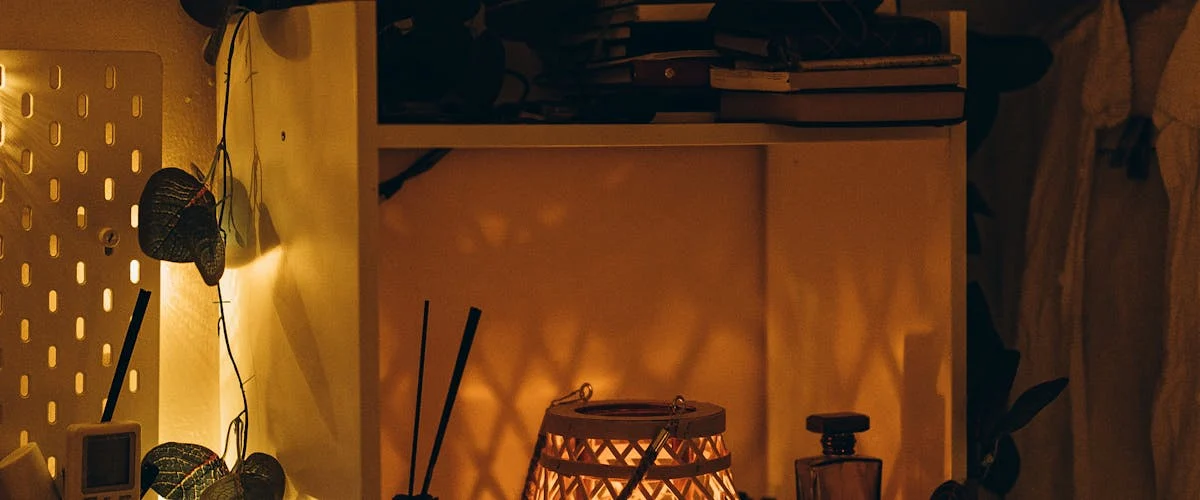
Does It Actually Help With Sleep?
It can help, yes. Cutting blue light exposure in the two hours before bed is one of the more consistent findings in sleep research. Circadian Lighting Design automates that so you don’t have to think about it.
But it won’t fix bad habits. If you’re having coffee at 8 PM and doom-scrolling your phone in bed until midnight, warm ceiling lights aren’t going to save your sleep. You have to meet the technology halfway.
Frequently Asked Questions
What is circadian lighting?
Lighting that auto-adjusts colour and brightness through the day to support your body’s natural sleep-wake cycle.
Does it help sleep?
Evidence says yes, especially the evening blue light reduction. Not a cure-all but a genuine contributing factor.
What products support it?
Philips Hue, LIFX, Nanoleaf for home use. BIOS, Ketra for commercial. All major smart home platforms support scheduling.
Is it expensive?
Basic smart bulbs start around $15 to $30 each. You could set up a bedroom for $50 to $100.
Should offices use it?
Studies show benefits for alertness and wellbeing. More designers are specifying tunable lighting in new office builds.
Conclusion
Circadian Lighting Design is a simple but powerful way to support your natural sleep-wake cycle. By adjusting light colour and brightness throughout the day, smart lighting can help improve alertness in the morning and promote better sleep at night. While it is not a magic solution, research shows real benefits when combined with healthy habits like limiting screen time, maintaining a consistent sleep schedule, and reducing late-night blue light exposure.
As smart home technology continues to grow in 2026, Circadian Lighting Design is becoming more affordable and accessible for homes, offices, schools, and hospitals. If you want to improve sleep quality and daytime focus, switching to circadian-friendly lighting is a smart and science-backed step.