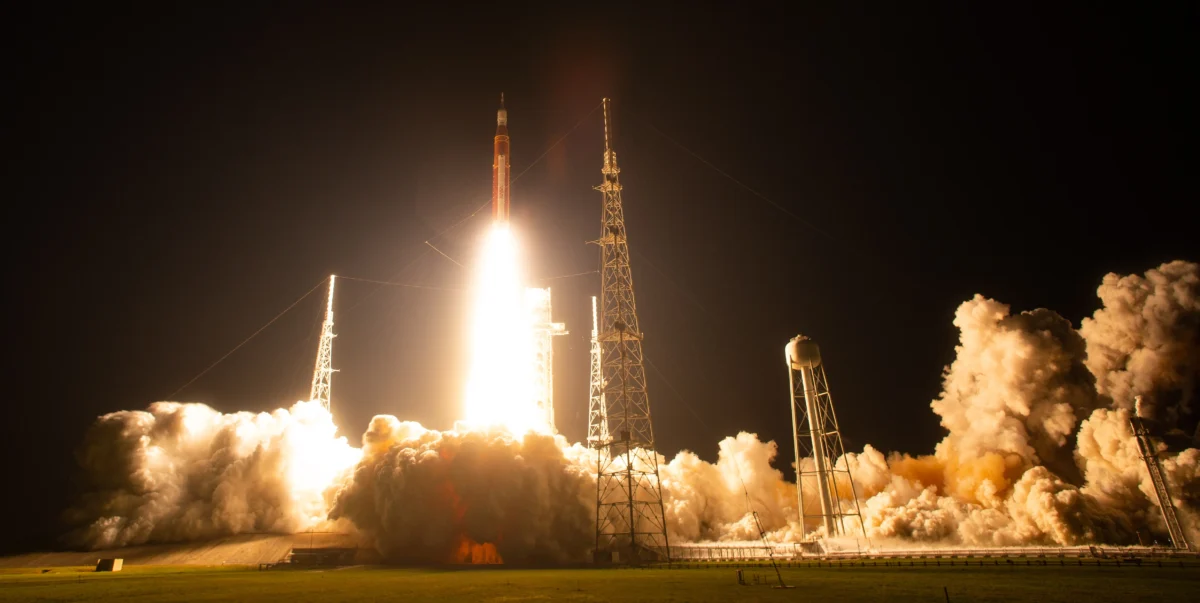


Current Status of Artemis II Mission Crew and Launch
As humanity prepares to return to deep space, the Artemis II Mission Crew and Launch represents a historic milestone, marking the first time in over five decades that humans will journey to the Moon’s far side.
The current plan has Artemis II launching no earlier than March 2026 from Kennedy Space Center, though knowing NASA’s track record with this programme there could be further delays. Backup windows stretch into April.
The crew is Commander Reid Wiseman, Pilot Victor Glover, Mission Specialist Christina Koch (all NASA), and Jeremy Hansen from the Canadian Space Agency. Four people going around the Moon and back over roughly 10 days.
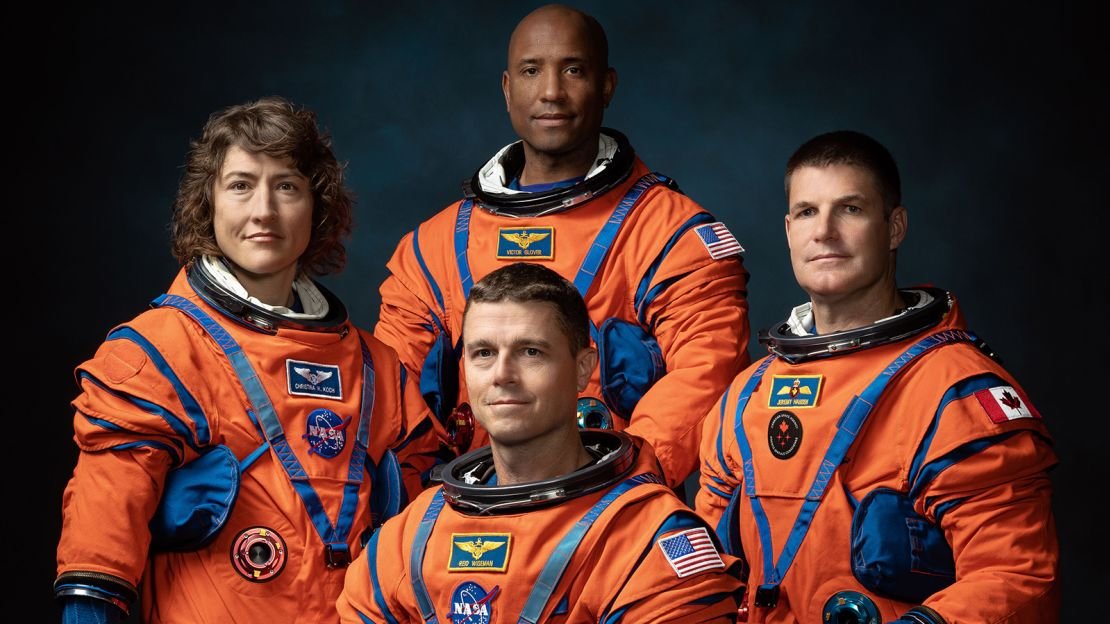
What makes this significant, and I think people sometimes forget this, is that humans haven’t been to the Moon since Apollo 17 in December 1972. That’s a 53-year gap. This is also the first crewed flight of NASA’s Space Launch System rocket and the Orion capsule, so there’s a lot riding on it beyond just the symbolism.
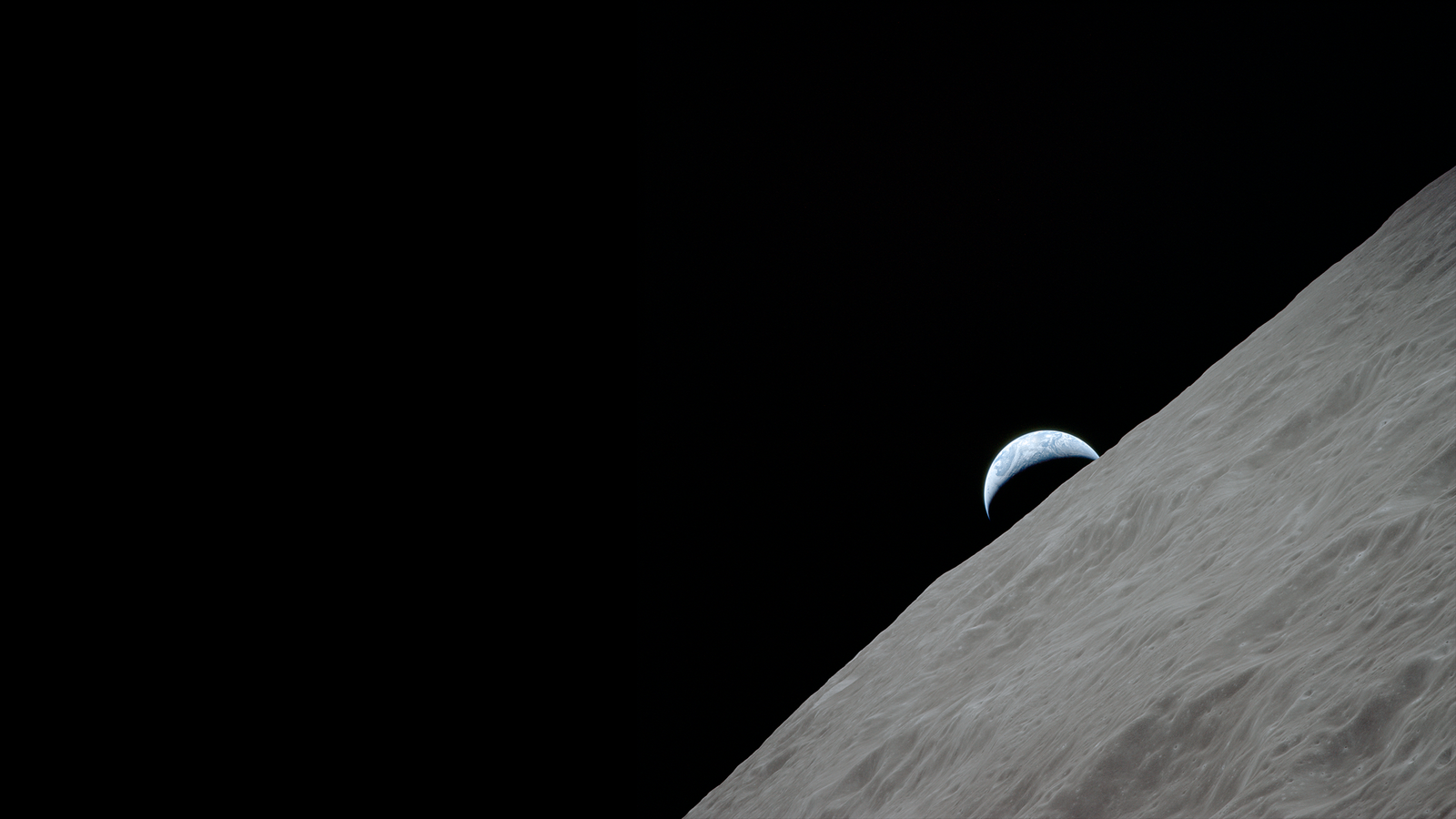
Why Has It Been Delayed So Many Times?
The original target was late 2024, and then basically everything went sideways.
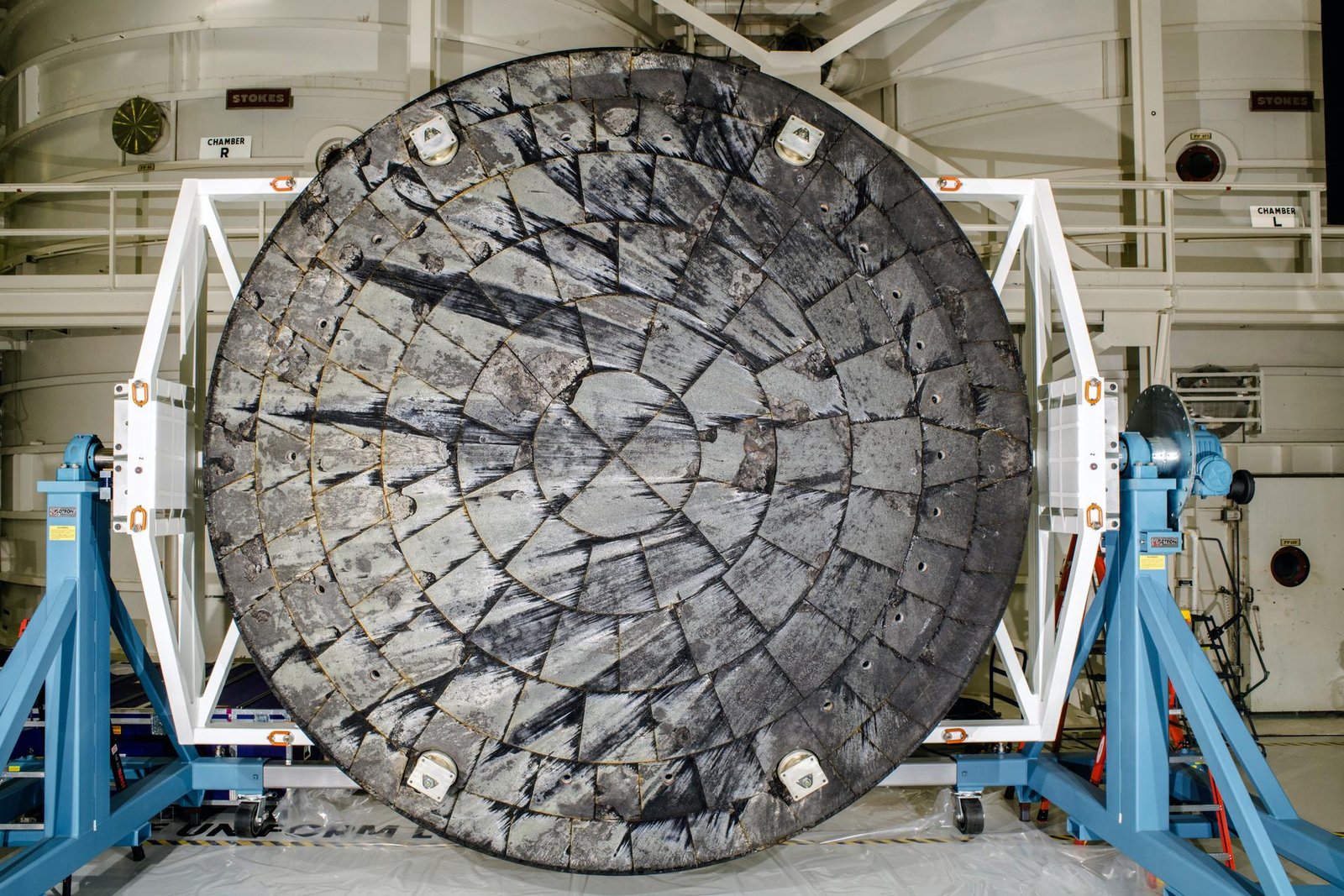
When Artemis I, the uncrewed test flight, came back in November 2022, engineers found unexpected erosion on Orion’s heat shield. The ablative material called AVCOAT was breaking off in chunks during re-entry instead of wearing away gradually like it was supposed to. When the thing protecting your astronauts from burning up isn’t working as designed, you take that seriously.
NASA spent over a year doing additional testing. They eventually decided the heat shield is safe enough if they modify the re-entry approach. Instead of the planned skip re-entry where the capsule bounces off the upper atmosphere, Artemis II will use a steeper more direct trajectory.
Then in February 2026 a wet dress rehearsal on the pad turned up a liquid hydrogen leak, which pushed things from February to March at the earliest.
What Will the Crew Actually Do Up There?
After launch, SLS puts Orion into a high Earth orbit peaking at about 71,656 km. The crew separates from the upper stage and manually flies some proximity manoeuvres near it to practice docking procedures they’ll need for future missions.
About a day later they fire the engine for translunar injection, which is the burn that sends them toward the Moon. If everything goes right they’ll fly farther from Earth than any human in history, beating Apollo 13’s record of 400,171 km.
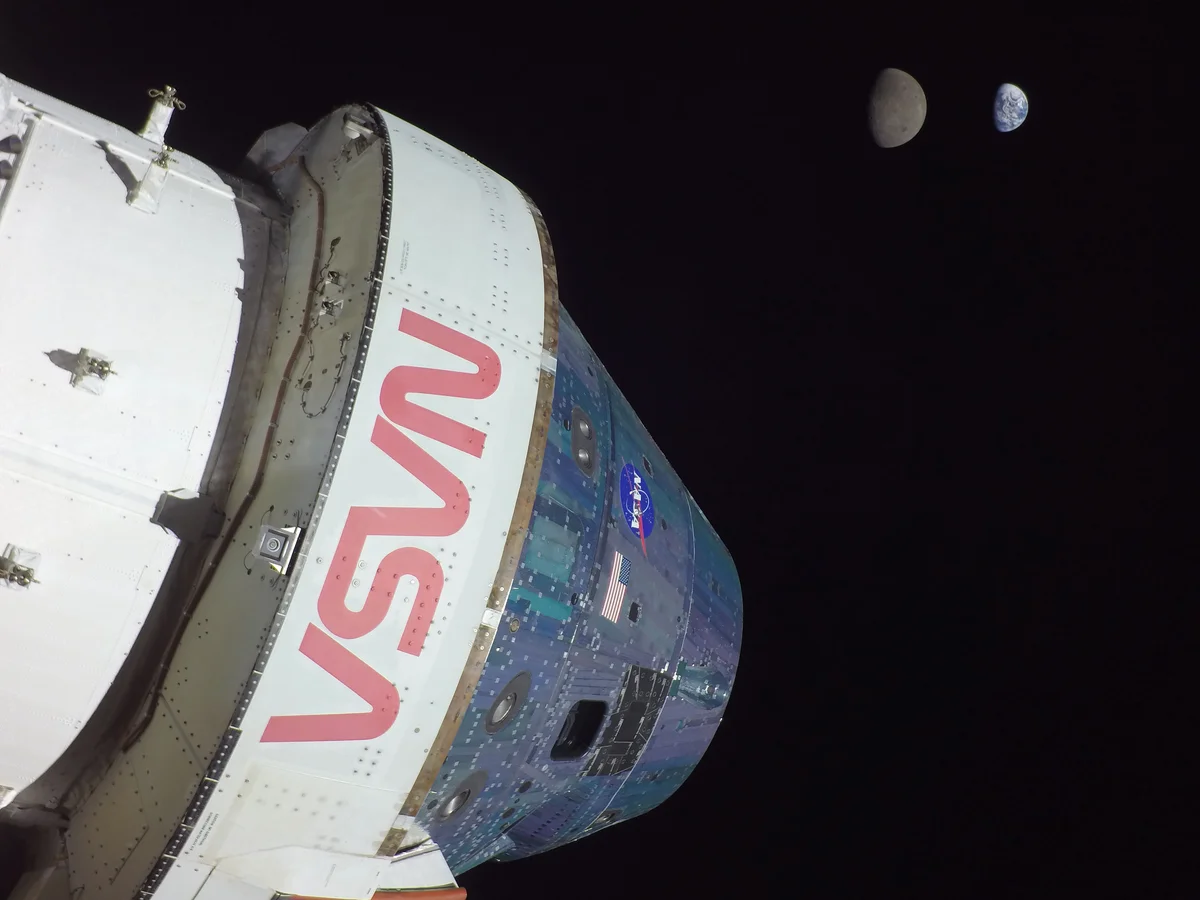
Victor Glover becomes the first Black person to fly to the Moon. Christina Koch becomes the first woman to travel beyond low Earth orbit. Jeremy Hansen becomes the first non-American to make the trip. Those milestones matter regardless of what you think about the programme’s budget or timeline.
Frequently Asked Questions
When is the launch?
Earliest window opens March 6, 2026 with backups through March 11 and additional windows in April.
How long is the mission?
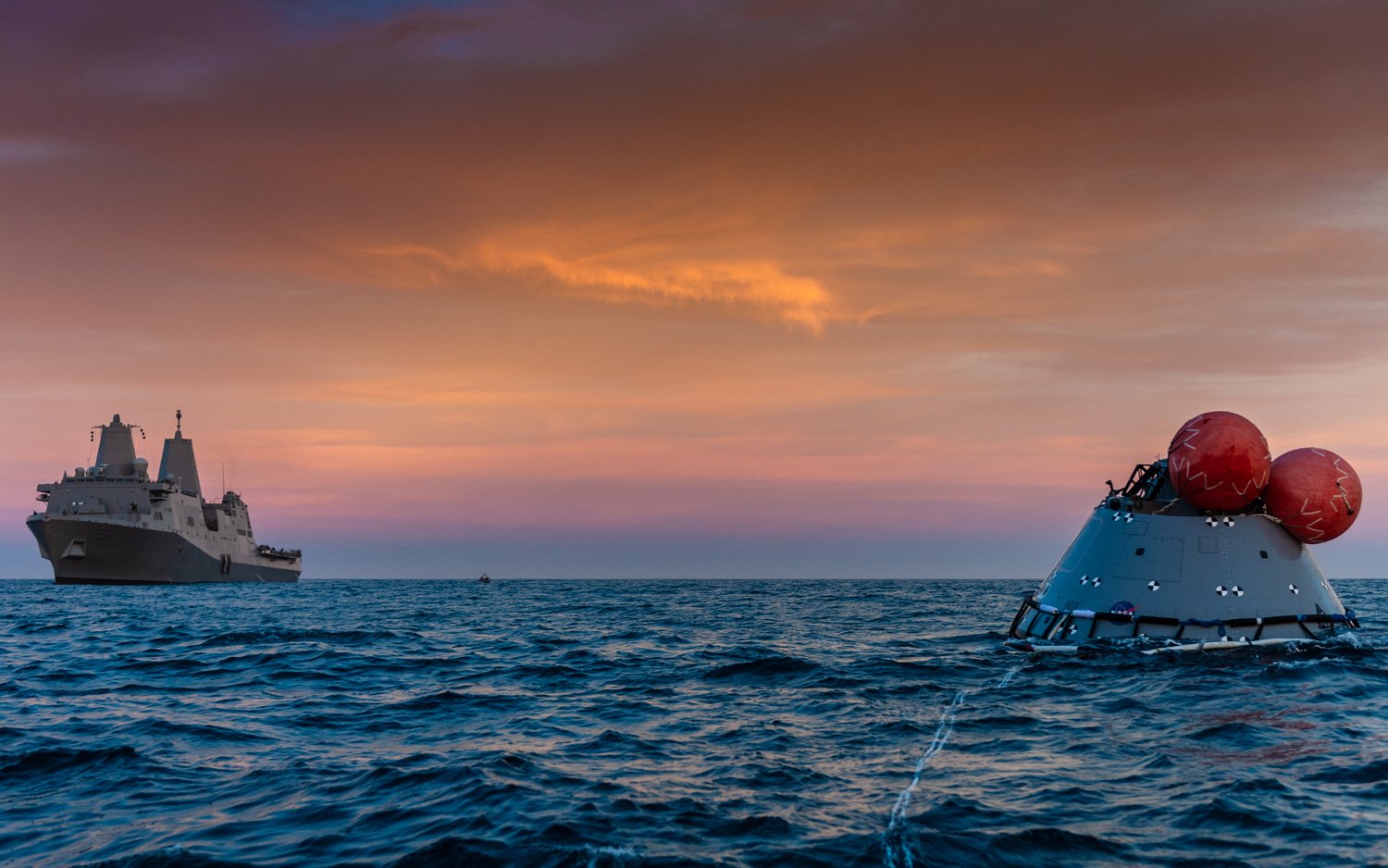
About 10 days. Splashdown in the Pacific off San Diego.
Will they land on the Moon?
No, this one’s just a flyby. Landing is Artemis III, which is targeted for 2028.
Meet the Artemis II Mission Crew and Launch Team
As humanity prepares to return to deep space, the Artemis II Mission Crew and Launch represents a historic milestone, marking the first time in over five decades that humans will journey to the Moon’s far side.
Reid Wiseman, Victor Glover, Christina Koch from NASA, and Jeremy Hansen from the Canadian Space Agency.
Why all the delays?
Heat shield problems from the Artemis I test flight needed extensive investigation. Then a hydrogen leak during a February 2026 rehearsal pushed things further.
Conclusion
In summary, the Artemis II Mission Crew and Launch is the ultimate test of NASA’s new deep-space infrastructure. Despite recent delays pushing the window to April 2026 due to helium flow issues, the mission remains the most significant leap in human spaceflight since the Apollo era. By carrying a diverse crew of four around the Moon, NASA is not just breaking distance records but also proving that the Orion spacecraft is ready to sustain human life for the long-term goal of a lunar landing.