

Can coral reef restoration help rebuild fish populations?
Yes it can, and there’s growing evidence to back that up. Research from the Smithsonian Tropical Research Institute has found that active Coral Reef Restoration 2026 significantly boosts fish populations in tropical coastal regions, sometimes within just a few years.
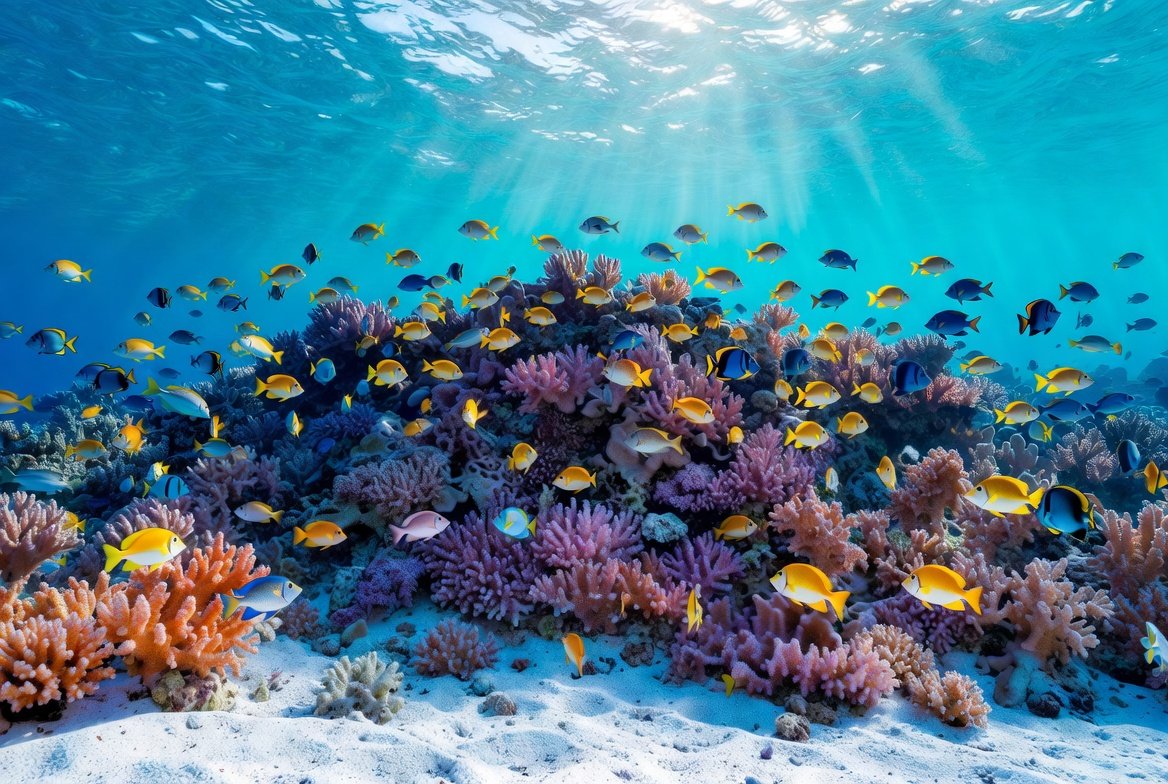
The stakes here are big. Coral reefs support roughly a quarter of all marine fish species even though they cover less than 1% of the ocean floor. Something like 500 million people depend on reef fisheries for food and income. When reefs fall apart, fish populations crash, and whole communities lose their livelihoods.
Methods for Coral Reef Restoration and Fish Populations Recovery
As global oceans face unprecedented challenges, Coral Reef Restoration and Fish Populations have become a central focus for scientists aiming to rebuild marine ecosystems and protect the livelihoods of millions.
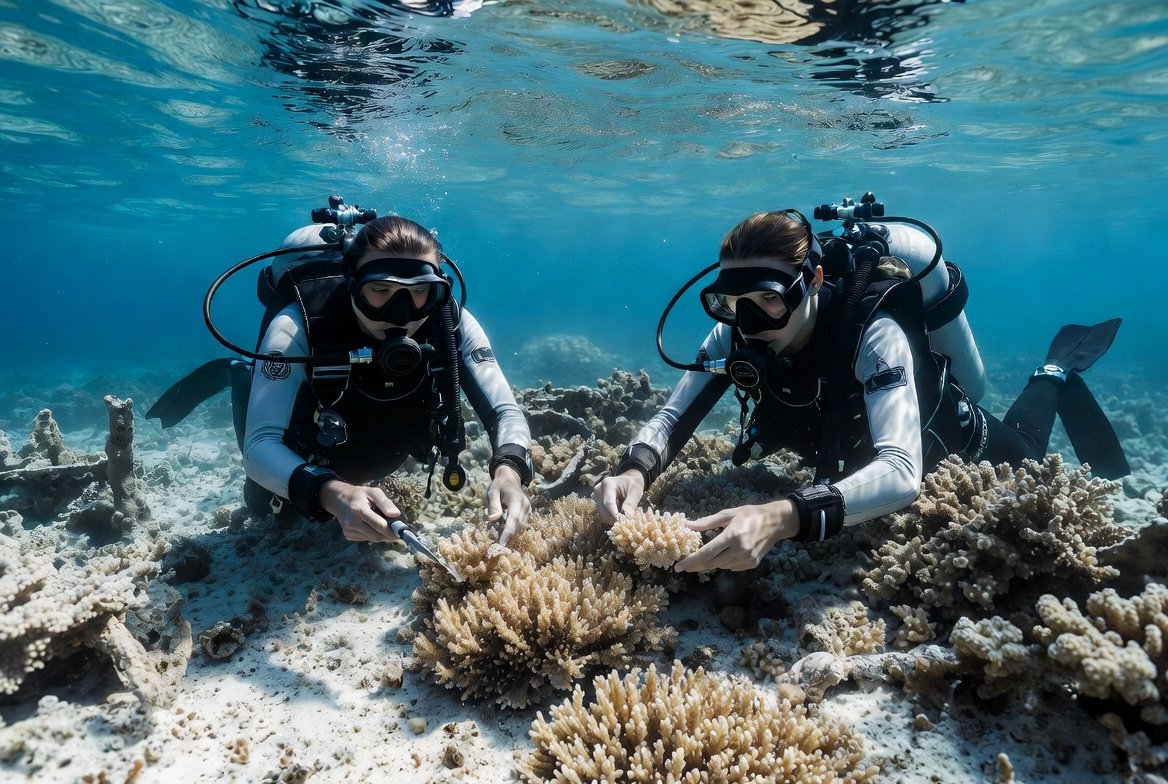
More hands-on work than most people picture. The most common method is coral gardening where fragments of healthy coral get grown in underwater nurseries and then transplanted onto damaged reef structures. Basically replanting a forest, but underwater and much slower.
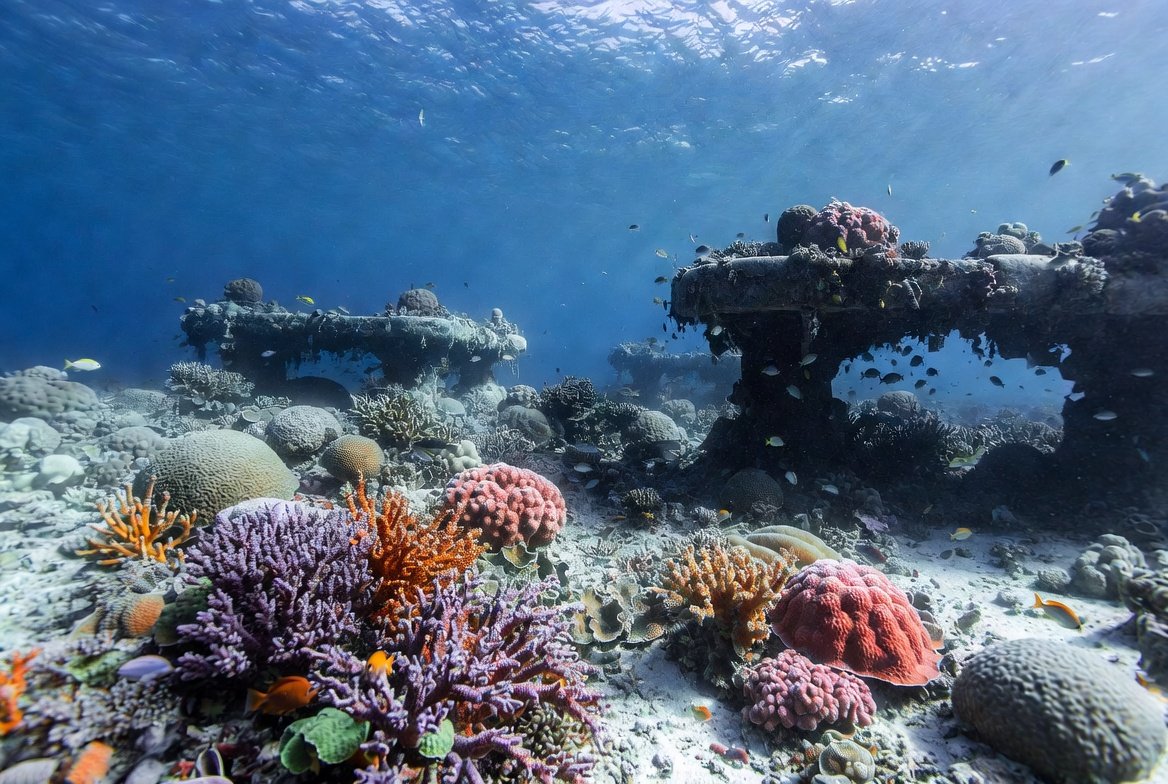
Some projects use artificial substrate. You place concrete or steel structures on the seafloor to give coral larvae something to grab onto. Over time natural coral grows over the structure and a reef ecosystem builds around it.
The cutting edge stuff involves selective breeding of heat-tolerant coral strains and moving genetic material between coral populations. The goal there is producing corals that can handle the warmer temperatures climate change is bringing.
The Mars Coral Reef Restoration 2026 Programme in Indonesia is one of the biggest real-world examples. They’ve restored over 50 hectares of reef using a combination of artificial structures and transplanted coral.
The Impact of Coral Reef Restoration and Fish Populations Growth
As global oceans face unprecedented challenges, Coral Reef Restoration and Fish Populations have become a central focus for scientists aiming to rebuild marine ecosystems and protect the livelihoods of millions.
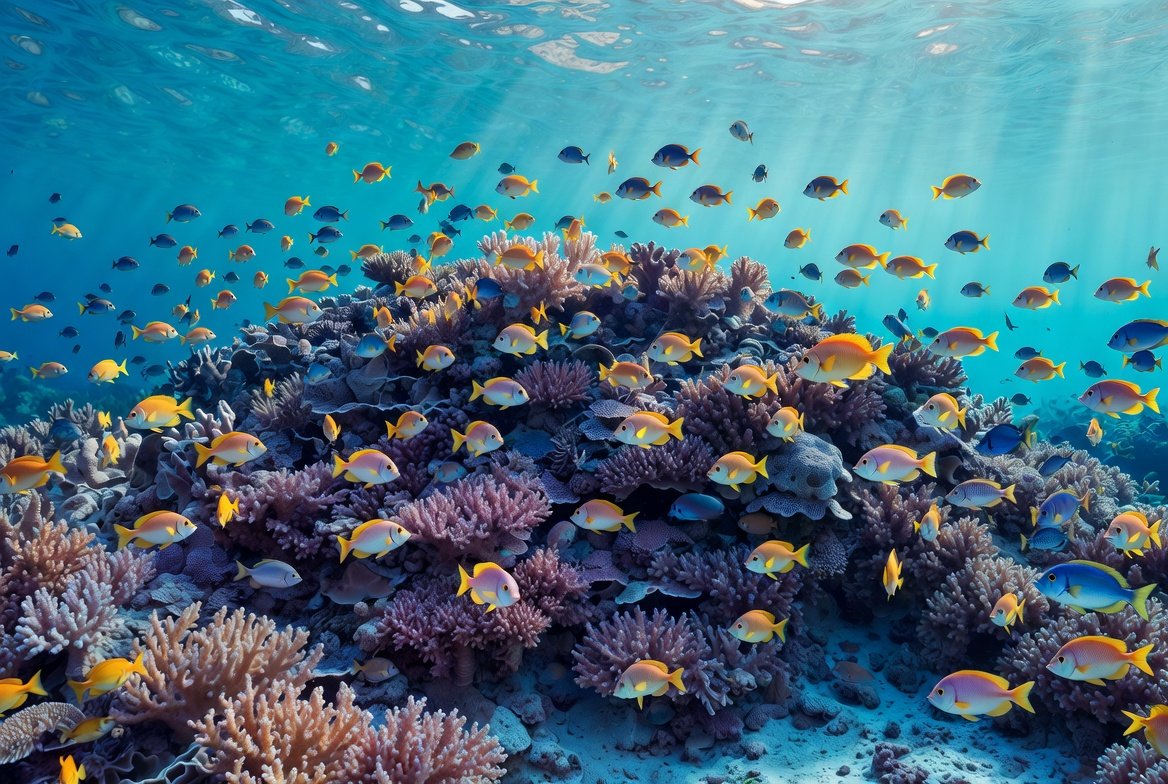
The evidence says yes. Restored areas show measurable increases in fish numbers and species diversity, often within two to four years. Young fish use restored reefs as nursery habitat, which feeds back into broader population recovery.
But I want to be honest about the limits. A five-year-old restored reef doesn’t match a healthy natural reef that’s been building for hundreds of years. Species composition is different. Structural complexity is lower. The fisheries benefit depends a lot on scale, restore a single hectare and it helps locally, restore hundreds along a coastline and you start seeing effects on regional fish stocks.
What Are the Real Limits?
Restoration can’t outrun climate change. If ocean temperatures keep rising even heat-tolerant coral has its limits. What restoration does is buy time and maintain ecosystem function while we figure out the bigger emissions problem.
Cost is significant. Restoration runs anywhere from $10,000 to over $1 million per hectare depending on the method and location. Doing this at the scale that’s actually needed requires sustained funding from governments, conservation groups, and private sector.
Local conditions matter enormously too. Restoring a reef doesn’t help if the water is full of agricultural runoff or people are still dynamite fishing in the area. Restoration has to be part of a broader marine management approach or you’re just treating symptoms.
Frequently Asked Questions
Can reef restoration boost fish populations?
Yes. Research shows meaningful increases in fish numbers and diversity within a few years.
How do you restore a reef?
Grow coral fragments in nurseries, transplant them to damaged reefs. Artificial structures provide additional surface area. Advanced methods include breeding heat-resistant strains.
How long until a restored reef recovers?
You see noticeable improvement in two to four years. Full ecosystem recovery takes much longer.
Is it expensive?
Yes. $10,000 to over $1 million per hectare depending on the approach and location.
Does it matter without addressing climate change?
Restoration helps in the near term but can’t keep pace with rising temperatures indefinitely. Emissions reduction is still essential.
Conclusion
Coral Reef Restoration and Fish Populations offers real hope for rebuilding fish stocks and protecting coastal livelihoods. Scientific evidence shows that restored reefs can quickly increase fish populations, improve biodiversity, and strengthen marine ecosystems.
However, restoration is not a magic solution. It must work alongside climate action, pollution control, and sustainable fisheries management. When implemented at scale and supported by long-term policy, coral reef restoration can become a powerful tool for safeguarding the future of global fish stocks.