

What the Dark Energy Spectroscopic Instrument DESI Discovered
While scientists explore the mysteries of space, the Dark Energy Spectroscopic Instrument DESI is providing a detailed map of the universe that helps us understand if dark energy is constant or changing over time across the vast cosmos.
Possibly something huge. Or possibly a statistical fluke. Nobody’s sure yet and that uncertainty is exactly why physicists can’t stop talking about it.
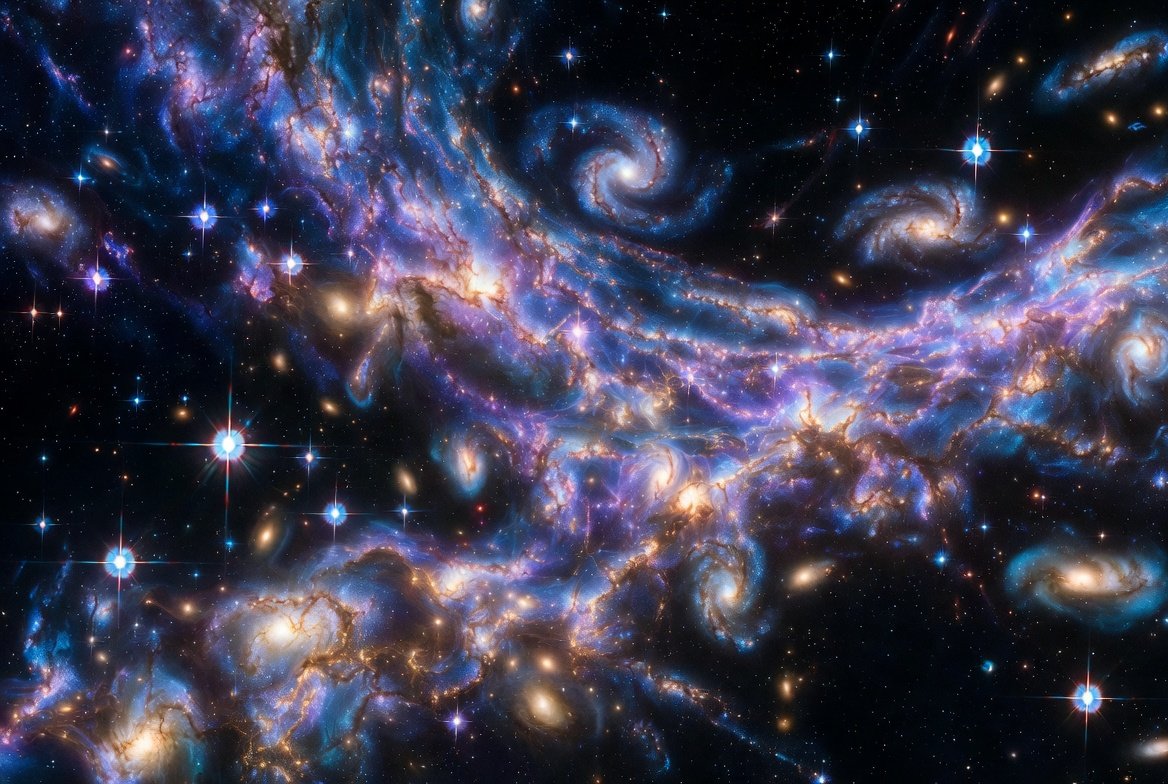
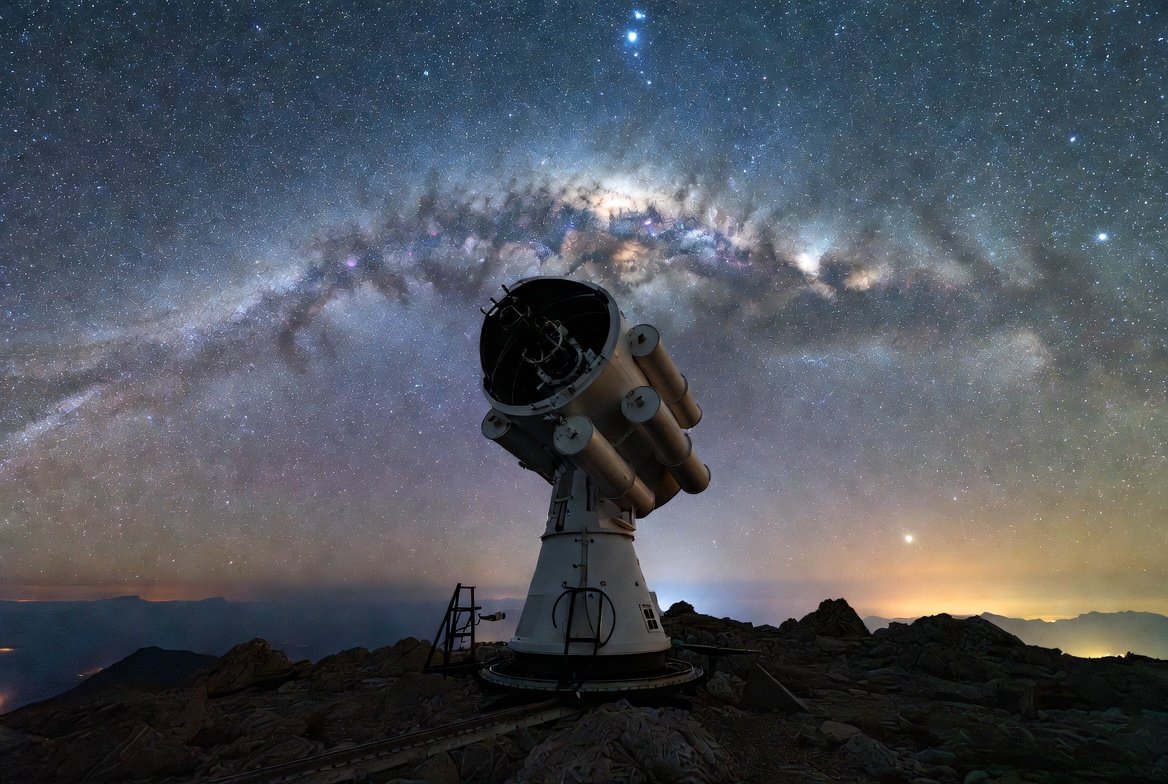
The Dark Energy Spectroscopic Instrument, DESI for short, sits on a telescope in Arizona. It released major results in April 2024 after mapping the positions of millions of galaxies to measure how the universe expanded over the last 11 billion years. What the data showed was that dark energy might not be constant.
Okay, why does that matter. The standard model of cosmology treats dark energy as a cosmological constant. Same everywhere, same forever. Einstein originally stuck it into his equations to make the math balance and it’s been the working assumption since 1998 when two research teams independently discovered the universe’s expansion is speeding up.
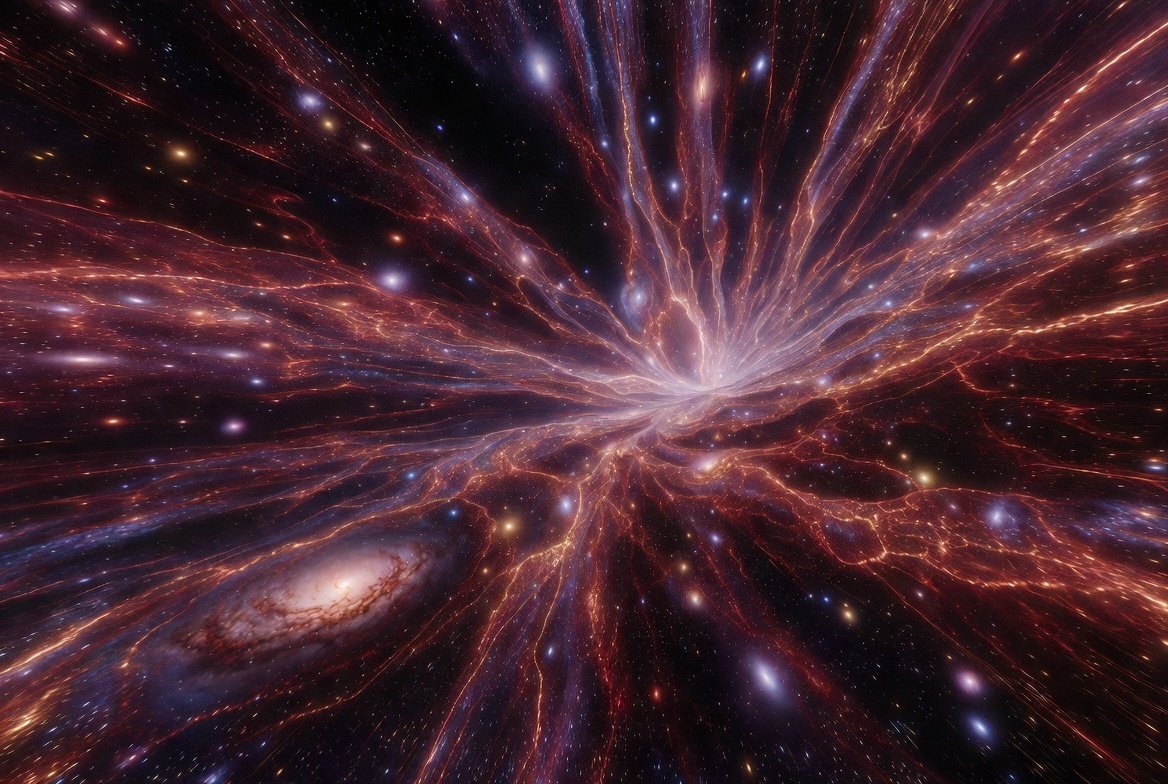
DESI’s data hints that dark energy’s strength may have actually changed over time. Maybe weaker in the past and stronger now. The signal is there in the numbers but the statistical significance makes physicists cautious rather than ready to celebrate.
Why Would This Be Such a Big Deal?
If dark energy varies, the cosmological constant model is wrong. That’s not a minor correction, that’s rewriting the most basic description of how the universe behaves at the largest scales. It could point toward entirely new physics. New fields, new particles, maybe even modifications to general relativity.
There are even some models where if dark energy keeps getting stronger over time, the universe eventually expands so fast that everything, galaxies, stars, atoms, gets torn apart. The Big Rip scenario. That’s extremely speculative and far in the future even if it’s real, but it’s the kind of possibility that makes the whole question feel urgent.
How Confident Are Scientists Right Now?
Carefully not very. The DESI results sit at roughly 2 to 3 sigma statistical significance. Physics requires 5 sigma to claim a discovery. So right now this is a strong hint, interesting enough to lose sleep over, but nowhere near proof.
DESI is still collecting more data. Results from the Vera C. Rubin Observatory, the Euclid space telescope, and other instruments should help clarify things within the next few years. If multiple independent experiments all point the same way, confidence goes up substantially.
Frequently Asked Questions
What even is dark energy?
The name for whatever is causing the universe to expand faster and faster. It makes up about 68% of the universe’s total energy. Nobody really knows what it is.
What did DESI find specifically?
Hints that dark energy may not be constant over time, which would contradict the standard cosmological model.
Is this confirmed?
No. The statistics are suggestive but below the threshold for a proper discovery claim.
What is DESI exactly?
A robotic instrument on a telescope in Arizona that maps galaxy positions to trace the expansion history of the universe.
When will we know for sure?
DESI keeps collecting data through 2026. Other experiments like Euclid and the Rubin Observatory should help within the next few years.