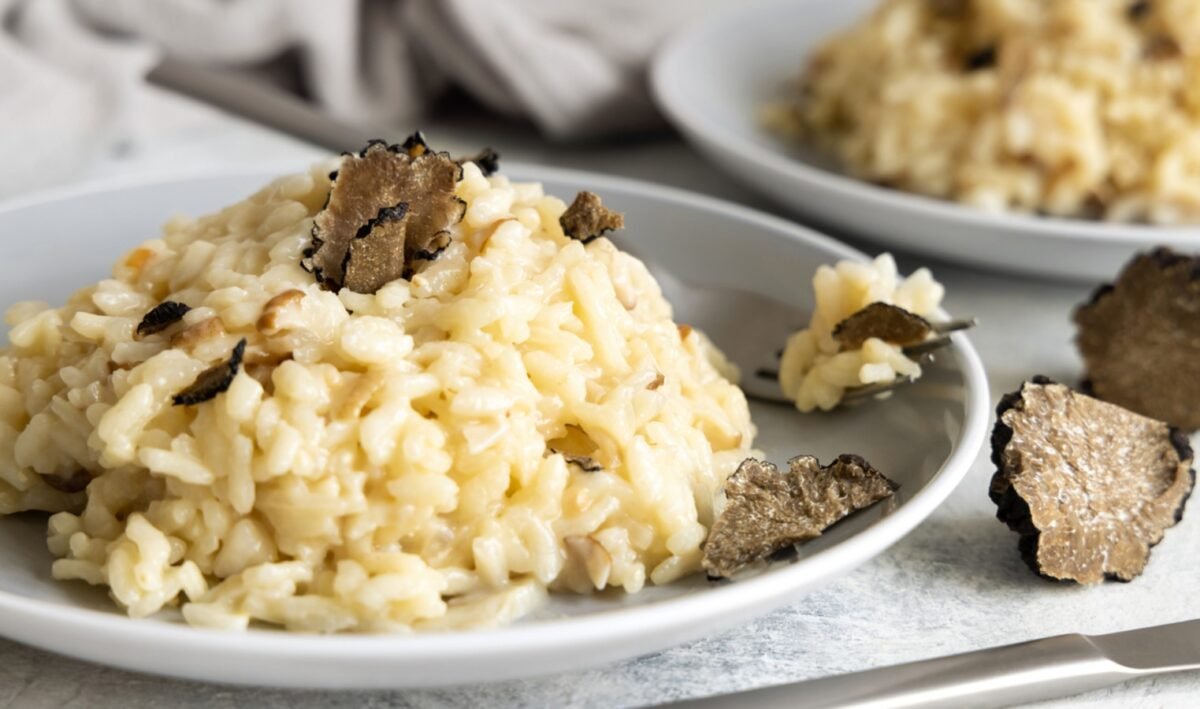


Why are mushrooms trending in fine dining in 2026?
Because chefs worked out that mushrooms can deliver the same depth, texture, and savoury punch that meat does, and at a fraction of the environmental cost. This isn’t about sad portobello burgers at a casual chain. The mushroom thing in 2026 is about varieties most diners couldn’t have named five years ago, lion’s mane, king oyster, maitake, chanterelles, showing up as centrepiece dishes at restaurants where dinner runs $150 per person.
Deloitte’s 2026 food service outlook flagged fungi-forward menus as a top trend. The Michelin Guide has been quietly handing stars to restaurants where mushrooms anchor the tasting menu. Something real is happening here.
Why High-End Mushroom Menus Fine Dining is Booming Now
While the culinary world evolves, High-End Mushroom Menus Fine Dining have emerged as the most significant trend of 2026, offering meaty textures and deep umami flavors that rival traditional protein-heavy dishes.
Supply, mostly. Five years ago getting fresh maitake or lion’s mane in consistent quality was difficult outside of Japan and parts of Europe. Indoor vertical farming fixed that. Companies now grow high-end mushroom varieties year-round in climate-controlled environments and deliver to restaurant kitchens within hours of harvest.
Cooking technique caught up too. Chefs figured out that lion’s mane, when you sear it hard in brown butter, develops a texture that’s shockingly close to crab cake. King oyster stems sliced thick and grilled eat like scallops. I know those comparisons sound like marketing but multiple chefs I’ve read interviews with say even committed meat eaters do a double-take.
And the margins work beautifully. A kilogram of high-end mushrooms costs a fraction of what wagyu beef does but can anchor a plate at the same price point. Restaurant owners like that math a lot.
Are Diners Actually Asking for This?
Both sides are driving it. Consumer interest in plant-forward eating keeps growing but most people don’t want to feel like they’re sacrificing anything. Mushrooms solve that. A roasted maitake with truffle jus and polenta doesn’t read as a compromise or a healthy alternative. It just reads as a really good dinner.
Restaurant review data seems to back this up too. Mentions of specific mushroom varieties in positive reviews have roughly tripled since 2023 from what I’ve seen.
Best Varieties for High-End Mushroom Menus Fine Dining
While the culinary world evolves, High-End Mushroom Menus Fine Dining have emerged as the most significant trend of 2026, offering meaty textures and deep umami flavors that rival traditional protein-heavy dishes.
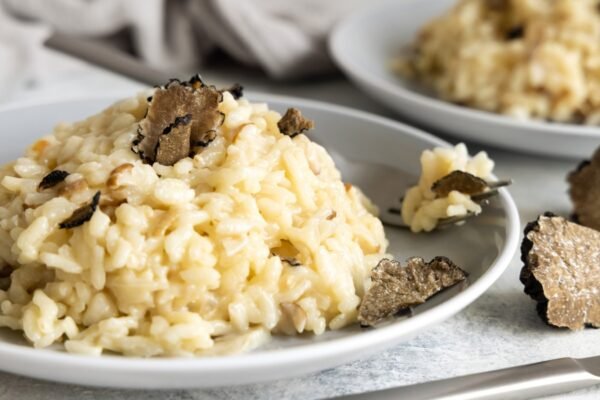
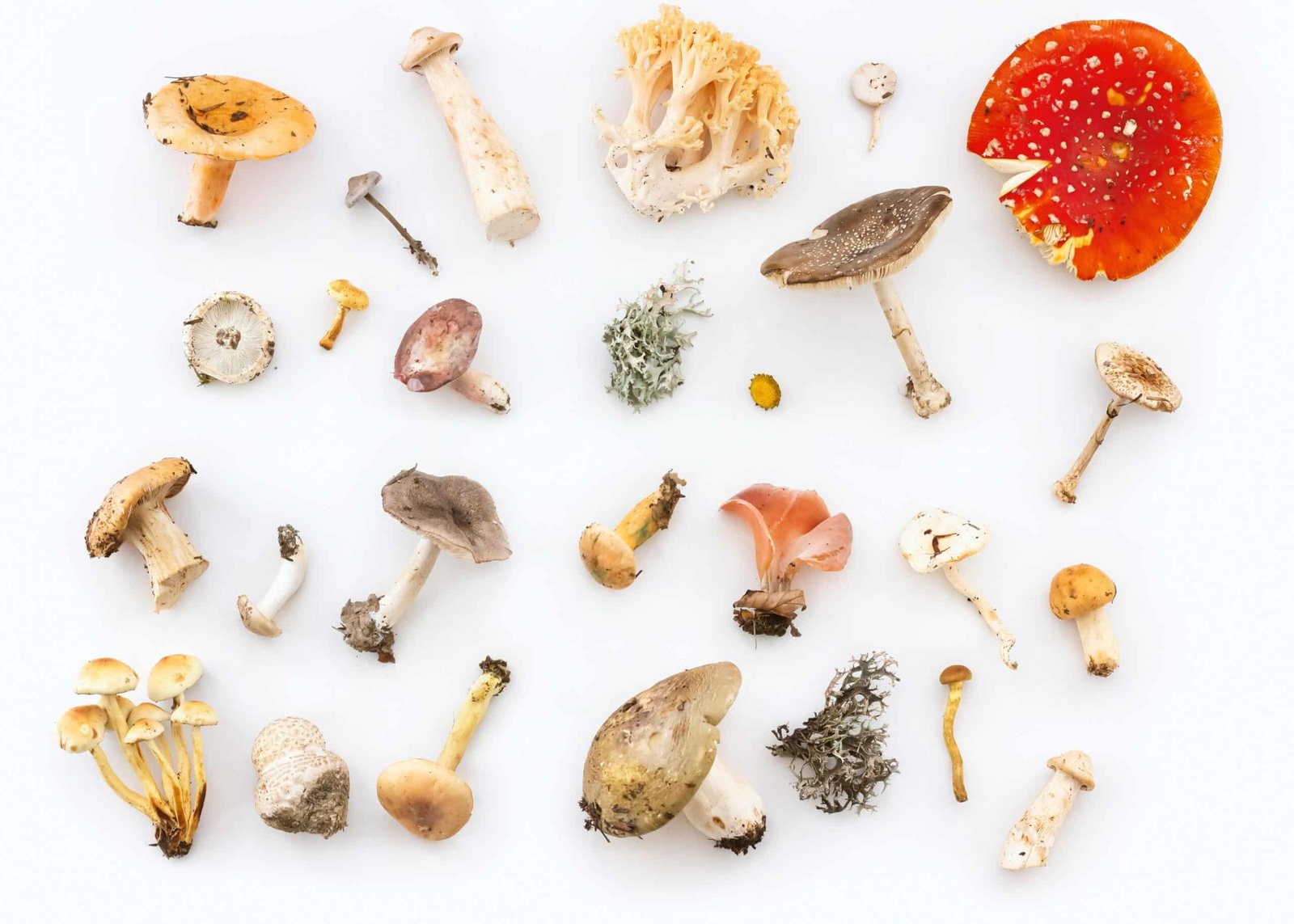
Lion’s mane has a meaty texture and mild flavour that absorbs sauces well. King oyster has this firm dense stem that holds up to serious heat. Maitake, sometimes called hen of the woods, gets frilly crispy edges when you roast it. Chanterelles are golden and slightly peppery, a classic in French cooking. Porcini are earthy and intense, often dried and rehydrated for sauces and risottos.
Frequently Asked Questions
Why are mushrooms trending in fine dining?
They deliver meaty umami depth at lower cost and environmental impact. Chefs can build entire centrepiece dishes around them.
Which varieties are most popular?
Lion’s mane, king oyster, maitake, chanterelles, porcini.
Do mushroom dishes cost as much as meat on the menu?
Often yes. The perceived value is high and ingredient cost is lower, which works well for restaurant margins.
Is this connected to plant-based eating?
Partly, but it’s more about flavour than ideology. Many chefs using mushrooms aren’t positioning them as meat substitutes at all.
Can you cook with these at home?
Absolutely. Lion’s mane and king oyster are increasingly available at specialty grocers. They’re pretty forgiving to cook with.