

Which cities have the most Michelin-starred restaurants in 2026?
In the ever-evolving world of global fine dining and culinary excellence, the Michelin Starred Restaurants for 2026 have redefined what it means to be a top food destination. Tokyo, and it’s not particularly close. The city has held the top spot for over a decade and the 2026 Michelin Guide didn’t change that. Paris comes second. Kyoto, Osaka, and New York fill out the top five though exact positions shuffle a bit each year.
The density in Tokyo is honestly a little absurd. Over 200 Michelin in one city. You could eat at a different one every night for seven months and still not finish the list. Paris has around 130. New York roughly 70.
Why Does Tokyo Win So Consistently
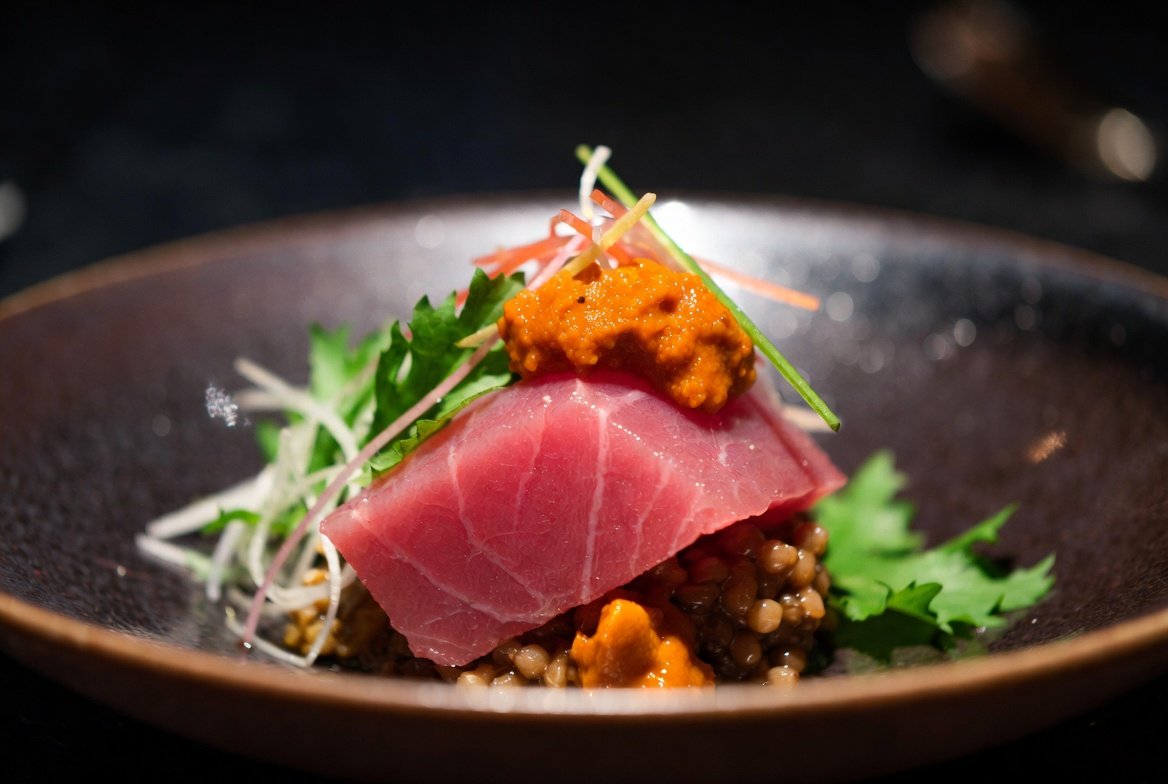
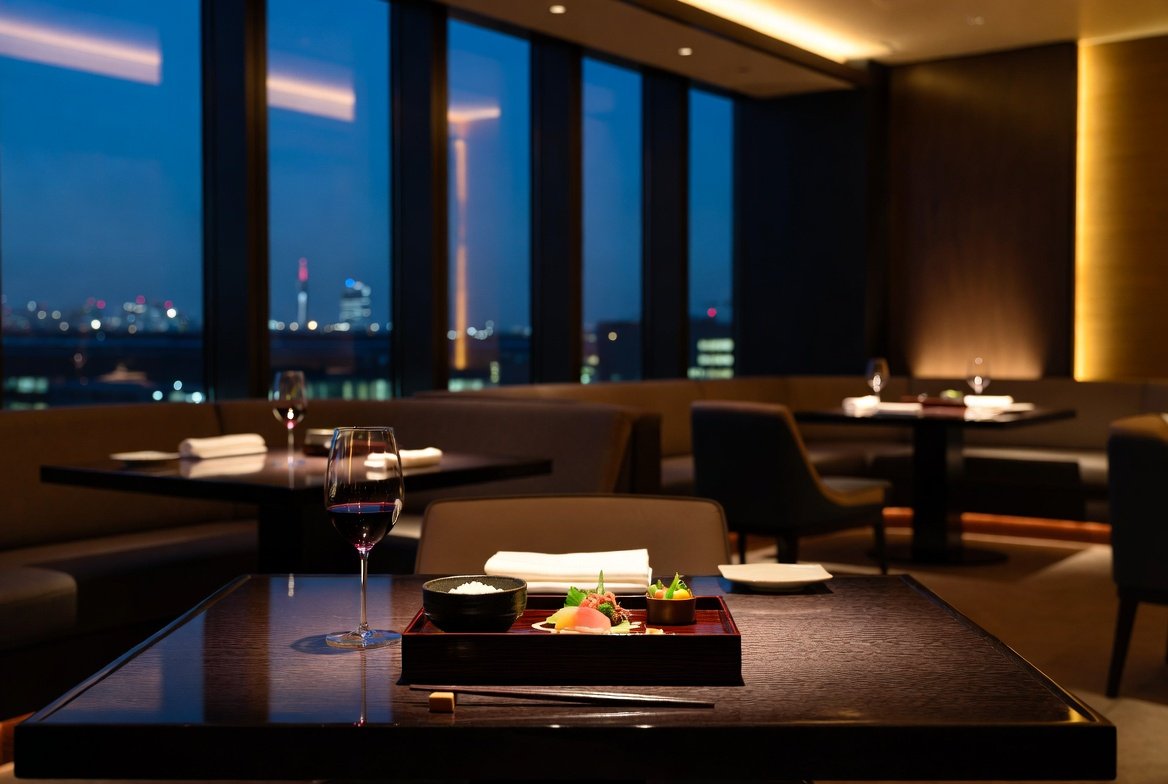
Food enthusiasts often wonder which cities lead the global culinary rankings today. When we analyze the latest data, the Michelin Starred Restaurants for 2026 show that Tokyo remains the undisputed champion of fine dining. Volume and a culture that treats cooking as a lifelong calling rather than a career stop. Tokyo has more restaurants per capita than almost any city in the world. A sushi chef there might spend three years just learning to prepare rice before they’re allowed to touch fish. That level of dedication is unusual in most other food cultures.
Michelin also tends to reward consistency and technical precision, two things Japanese culinary culture takes very seriously. Even a tiny eight-seat counter spot in a Ginza basement can earn stars if the food meets the standard.
There’s a market dynamic at play too. Japanese diners are extremely discerning. Restaurants that slip even slightly in quality lose customers fast, which keeps standards high across the board in a way that’s harder to sustain in cities where food culture is more casual.
Should You Trust the Michelin Starred Restaurants Rankings?
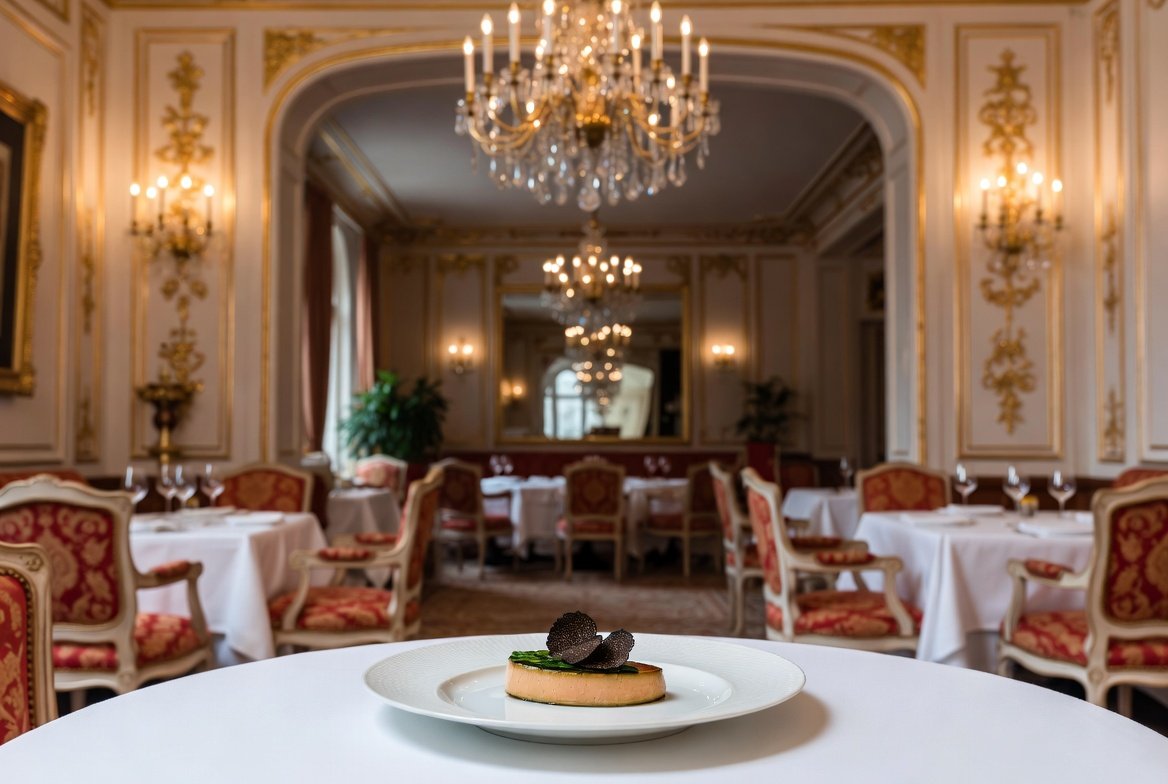
Mostly, with some important caveats. The guide started as a project by a French tyre company and its European fine dining DNA still shows. White-tablecloth Western styles of cooking get more attention than street food traditions, regional cuisines, or food cultures that don’t fit that particular mould.
Large parts of Africa, South America, and South Asia have no Michelin coverage at all. That reflects Michelin’s publishing choices not the quality of food in those places.
There are alternatives worth knowing about. The World’s 50 Best Restaurants list uses a different methodology. La Liste aggregates reviews from hundreds of sources. None are perfect but they offer useful counterpoints.
What About Smaller Cities?
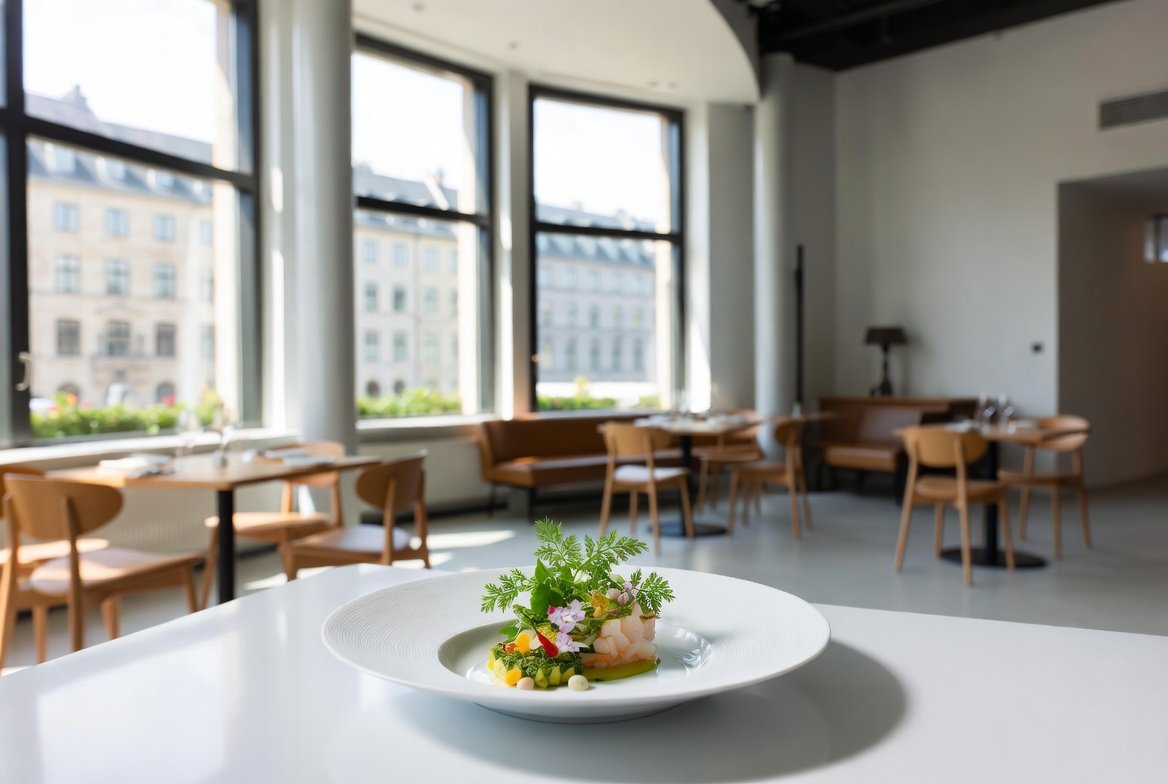
Some of the most interesting Michelin starred restaurants activity right now is happening outside the obvious names. Copenhagen, Lima, Mexico City, Bangkok, Seoul have all seen star counts rise as the guide expands. These cities often offer way better value for starred dining than Tokyo or Paris where getting a reservation can be its own project.
Frequently Asked Questions
Which city has the most Michelin starred restaurants?
Tokyo, with over 200 starred restaurants.
How does Michelin decide?
Anonymous inspectors evaluate food quality, technique, personality, value, consistency.
Is the guide biased?
It leans toward European fine dining traditions. Many important food cities have no Michelin coverage at all.
Which cities are growing fastest?
Seoul, Mexico City, Bangkok have all seen notable growth in recent editions.
Are Michelin starred restaurants always expensive?
Not necessarily. Some one-star spots in Asia serve meals for under $50. Bib Gourmand listings specifically highlight good food at moderate prices.
Conclusion
Tokyo’s continued reign as the world’s Top Michelin 2026 Map capital in 2026 is a testament to a culture that views cooking as a high art form. While the Guide’s European roots still influence the rankings, the expansion into cities like Seoul, Bangkok, and Mexico City shows a promising shift toward global inclusivity. Whether you’re chasing the precision of a 3-star Ginza sushi counter or the vibrant flavors of a rising culinary hub, the 2026 rankings prove that world-class dining is more accessible and diverse than ever before.