
Understanding Practical Quantum Computing Applications in 2026
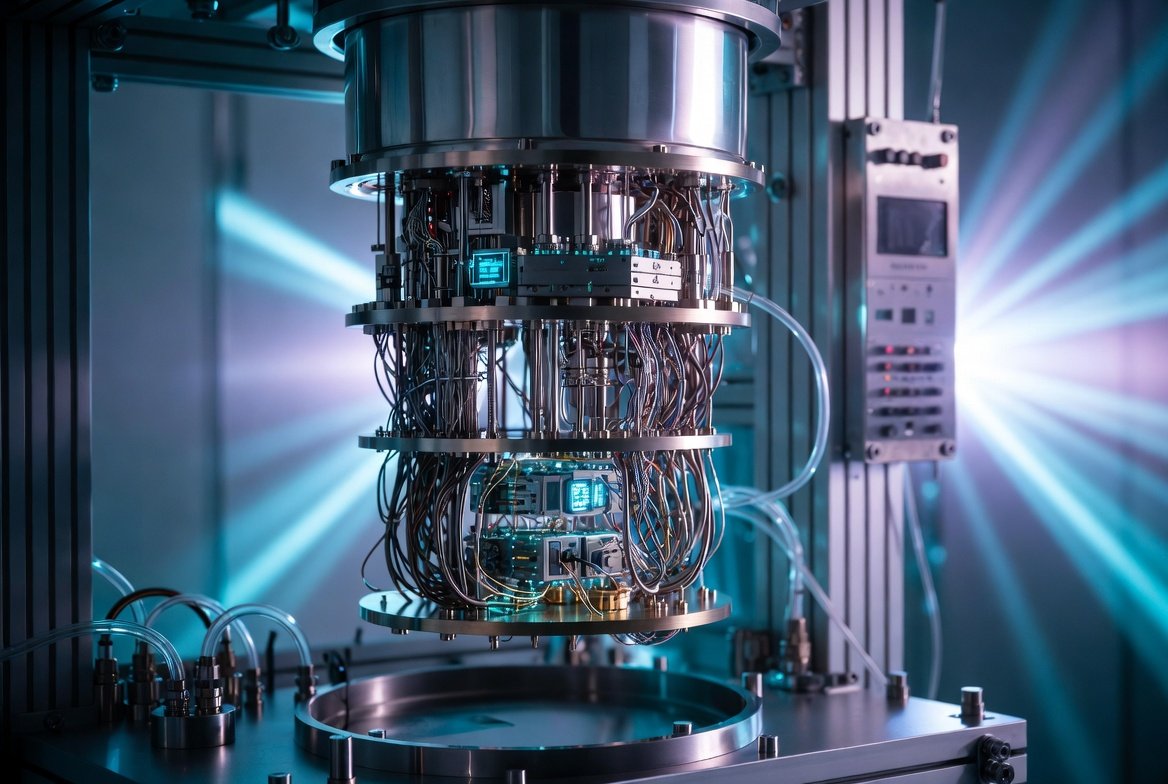
As we look at the rapid advancements in technology, Practical Quantum Computing Applications are finally moving from research labs into real-world industries where they are expected to solve complex mathematical problems and scientific simulations that were previously impossible for any classical supercomputer to handle in our lifetime.
Closer than we were five years ago. Further away than the hype would have you believe.
Quantum computers in 2026 can genuinely do things classical computers cannot. Google’s Willow chip, announced December 2024, solved a particular benchmark problem in under five minutes that would take the best classical supercomputer literally longer than the age of the universe. That’s not marketing spin, the result was published and peer reviewed.
But let’s pump the brakes a little. Nobody is using quantum computers to crack encryption, design drugs over lunch, or optimise global shipping routes. Not yet. Those applications remain years out. The machines right now are powerful in a very narrow sense and incredibly fragile.
Where Do Things Actually Stand?
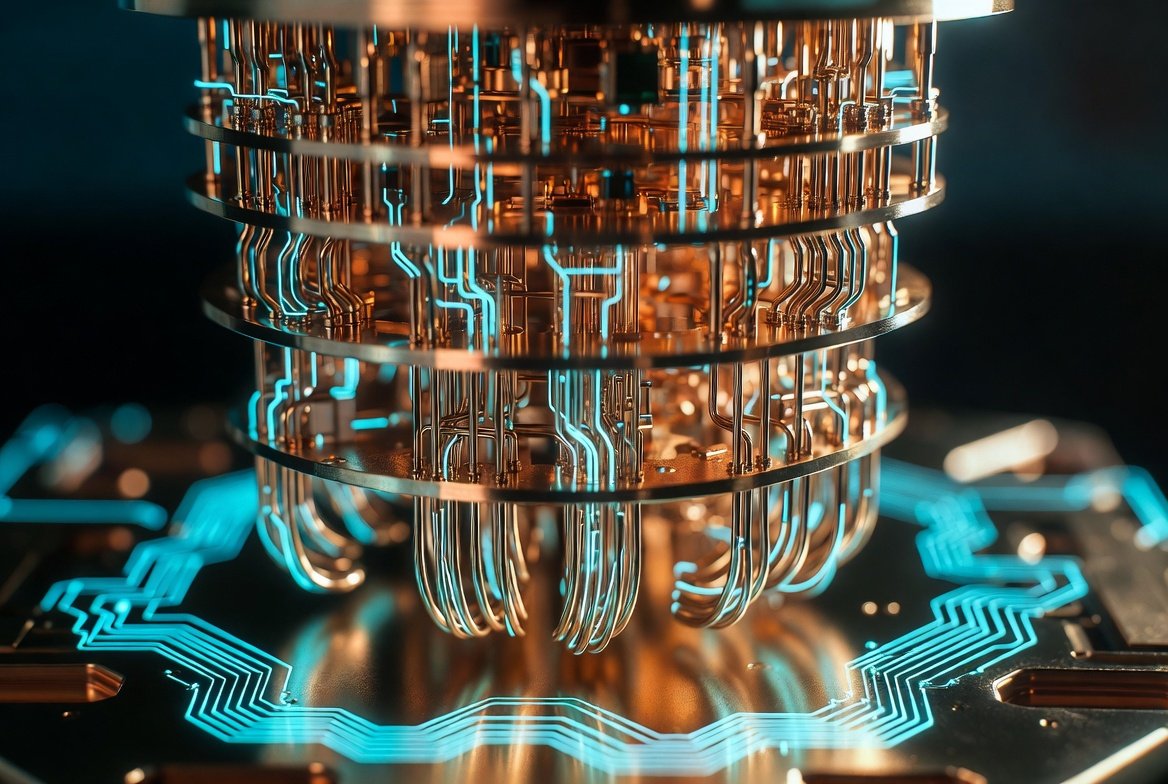
IBM has processors with over 1,000 qubits. Google’s Willow runs 105 qubits but with dramatically better error rates. Quantinuum is pushing trapped-ion systems. Microsoft recently showed off a topological qubit approach that could prove more stable long term.
The big development in 2024 and 2025 was error correction. Quantum bits are inherently noisy, they lose their quantum state incredibly fast through something called decoherence. Google’s Willow demonstrated for the first time that adding more qubits to an error-correction scheme actually reduced errors instead of making them worse. That probably sounds obvious but it really wasn’t guaranteed and it’s a prerequisite for building anything useful at scale.
In practice, quantum computers today are research tools. Simulating molecules that classical computers can’t model well. Testing optimisation approaches. Companies like JPMorgan Chase and BMW are running experiments, not production workloads.

When Does It Get Useful for Everyday Problems?
Most experts I’ve seen quoted put it at 5 to 10 years for commercially meaningful applications. Drug discovery, materials science, and financial modelling come up most often as the near-term candidates.
It all depends on whether the error correction progress keeps scaling up though. If it does, the earlier estimates might hold. If it stalls, we’re looking at the longer end. Lot of ifs.
Should Companies Be Investing Now?
Some already are. JPMorgan, Goldman Sachs, BMW, Airbus, several others have quantum teams. The argument is that building expertise now gets you ready for when the hardware catches up.
For most businesses though, waiting is perfectly fine. The technology isn’t production-ready. Keep an eye on it, maybe assign someone to track developments, but pouring serious resources in is premature unless you’re in pharma, materials science, or finance where quantum advantage could change everything.

Frequently Asked Questions
Are quantum computers faster than normal computers?
For very specific types of problems, absurdly so. For everyday computing, not at all. They’re not general-purpose machines.
Can they break encryption?
Not yet. Current systems don’t have nearly enough qubits or error correction for that. It’s years away at minimum.
Who are the main players?
IBM, Google, Microsoft, Quantinuum, IonQ. Each uses a different underlying approach.
How many qubits are needed for real work?
Estimates vary but useful fault-tolerant quantum computing probably needs millions of physical qubits. We’re in the hundreds to low thousands right now.
What’s the most promising use case?
Molecular simulation for drug discovery and materials science. These problems are naturally quantum mechanical so quantum computers have a built-in advantage.