
What are sodium-ion batteries and why do they matter?
If you haven’t been paying attention to sodium-ion batteries, now’s a good time to start. They store energy using sodium instead of lithium, and while that sounds like a boring chemistry swap, it actually changes a lot about who gets to build batteries and how much they’ll cost going forward.
Sodium is roughly 400 times more abundant than lithium. You can get it from seawater, from common salt, from all sorts of places that don’t involve mining operations in politically complicated regions. MIT put sodium-ion on their 10 Breakthrough Technologies list for 2026, which I think is well deserved.
The big news is that this stuff is actually shipping now. CATL, which is the world’s largest battery manufacturer if you’re not familiar, launched their Naxtra sodium-ion brand back in April 2025. By January 2026 they’d already rolled out the Tianxing II series for commercial vehicles with an energy density of 175 Wh/kg and cycle life over 10,000. Those are real production numbers, not lab promises.
BYD isn’t sitting around either. They commissioned a mass-production line in Xining, China, in July 2025 and their sodium cells are also hitting that 10,000 cycle mark, which is something like three to five times what you get from a standard lithium iron phosphate pack.
How Do Sodium-Ion Batteries Compare to Lithium?
I think the honest answer is that lithium still wins if you need maximum energy density. Top lithium cells push past 250 Wh/kg while sodium sits around 175, though CATL’s next generation is supposedly creeping toward 200. So for premium EVs and lightweight electronics, lithium keeps its crown for now.
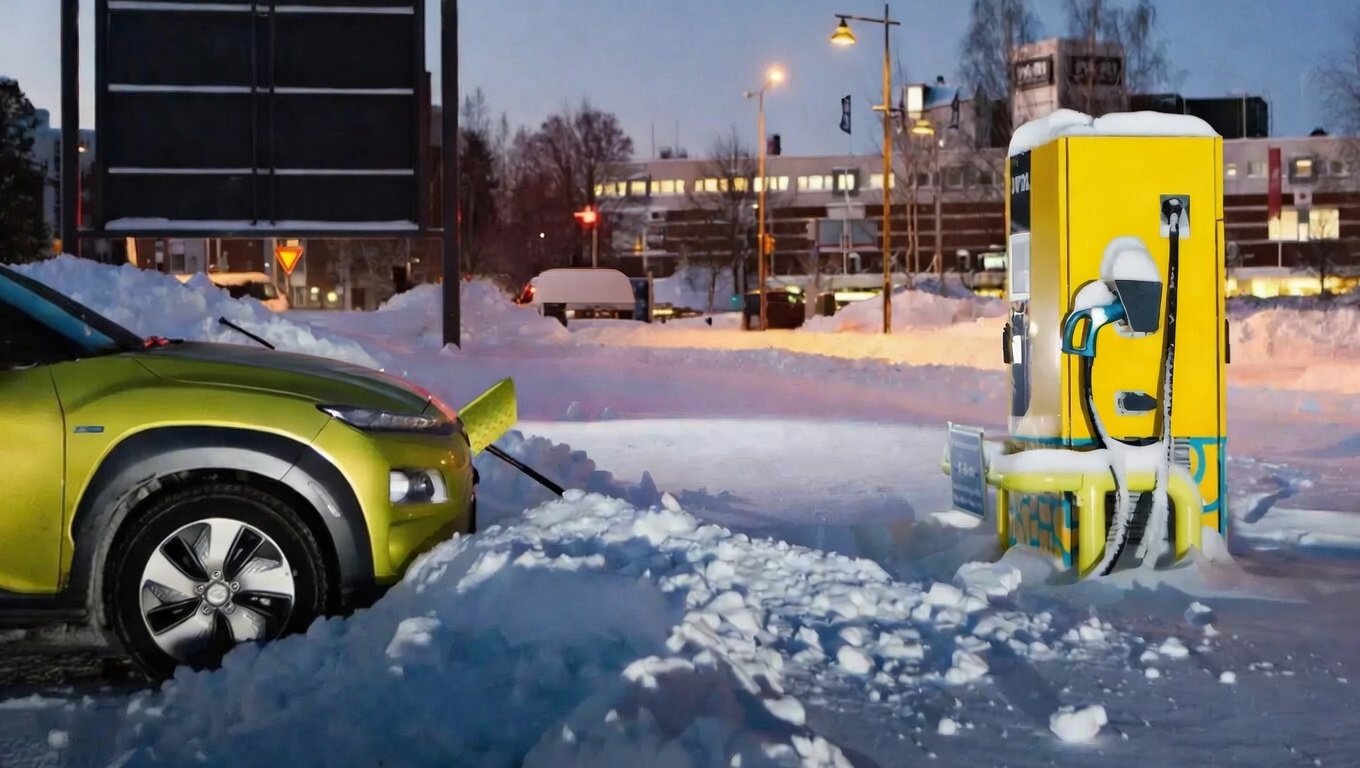
Where sodium pulls ahead is cold weather performance, safety, and cost. CATL says their sodium cells work from -40°C all the way to 70°C while keeping 90% capacity. Anyone who’s had their phone die in winter knows how badly lithium handles the cold, so this is a genuine advantage for delivery trucks running routes in Scandinavia or northern China.
On safety, sodium cells are less prone to thermal runaway, which is the chain reaction thing that causes battery fires. And on cost, well, the raw material is salt. Hard to compete with that.
Who’s Actually Using Them?
JMEV started offering an EV3 compact car with a sodium-ion option back in 2024. CATL partnered with Changan Automobile to put Naxtra batteries in passenger vehicles starting mid-2026. In the US, Peak Energy activated the country’s first grid-scale sodium-ion installation in Denver, which is pretty interesting for renewable energy storage.
I think the grid storage angle might end up being bigger than the EV angle honestly. Storing surplus solar and wind power cheaply has been one of the hardest problems in the whole energy transition, and sodium-ion looks like it could be a real answer.
Frequently Asked Questions
Conclusion
Sodium-ion batteries are emerging as one of the most important energy technologies of 2026. With abundant raw materials, lower production costs, improved safety, and strong cold-weather performance, they offer significant advantages over traditional lithium-ion batteries in many applications. While lithium still leads in maximum energy density, sodium-ion technology is rapidly advancing and already being deployed by major manufacturers such as CATL and BYD. From electric vehicles to large-scale grid storage, sodium-ion batteries are helping make energy storage more affordable, sustainable, and accessible worldwide. As production expands, they are expected to play a major role in the global energy transition.