
The NASA Artemis II Astronauts mission comes as the Moon has been silent for over 50 years. No human footprints since Apollo 17 touched down in December 1972. But that’s finally about to change. The NASA Artemis II Astronauts are preparing to return people to deep space, marking the first time in generations that humans will venture beyond low-Earth orbit. These four Moon mission astronauts have been chosen for a journey that has spent years in the making, bridging the gap between the Apollo era and the future of Mars exploration.
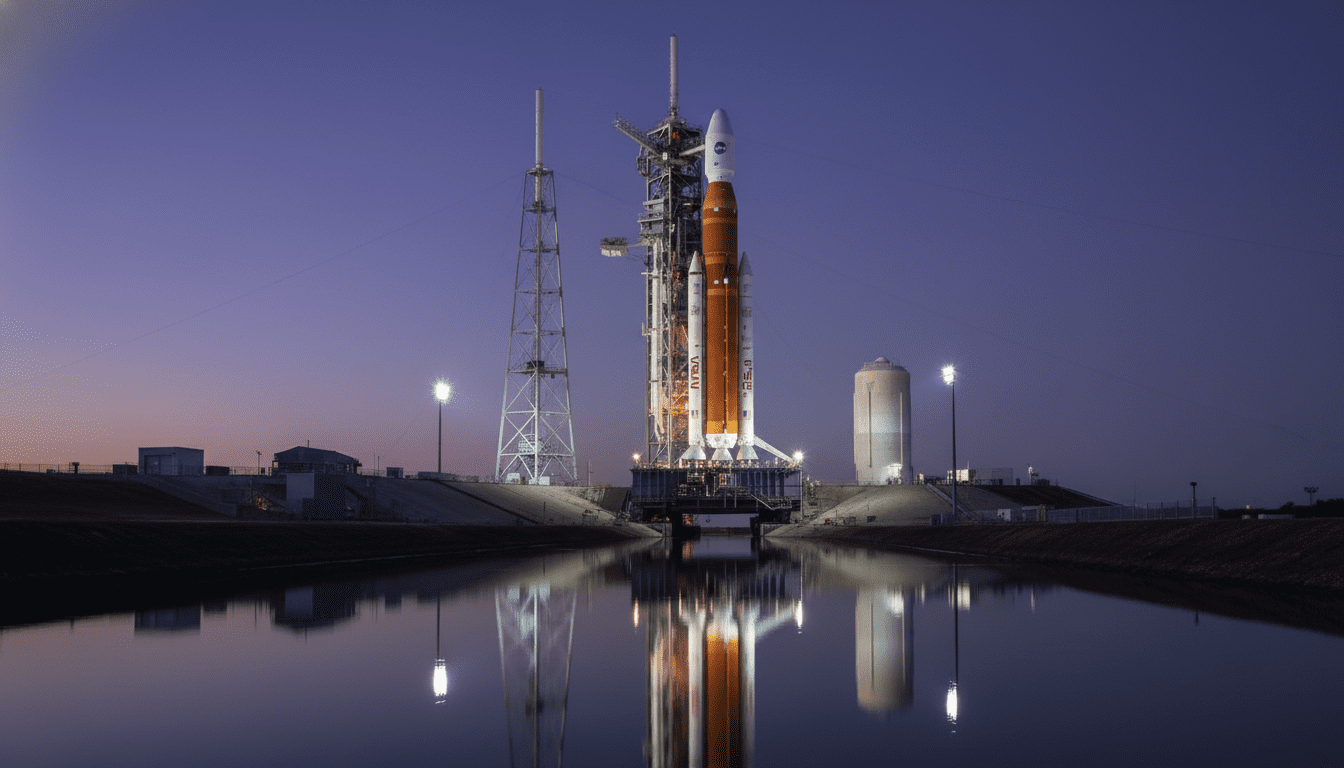
This isn’t a nostalgia project. The Artemis 2 crew members reflect how much space exploration has evolved—not just technologically, but in terms of who gets to be part of it. As they prepare to climb aboard the Orion spacecraft atop the Space Launch System rocket for this historic SLS crewed mission, here’s a closer look at the people making this happen.
TL;DR: The Artemis II Mission Fact Sheet
- The Crew: Reid Wiseman (Commander), Victor Glover (Pilot), Christina Koch (Mission Specialist), and Jeremy Hansen (Mission Specialist).
- The Mission: A 10-day flight around the Moon to test Orion’s life support and navigation systems.
- Will They Land? No. Artemis II follows a lunar flyby trajectory. The lunar landing comes with Artemis III.
- Historic Milestones: The crew includes the first woman, the first person of color, and the first international partner—a Canadian—to travel to the Moon.
Meet the Crew: The Faces of the Artemis Generation
These four Artemis 2 crew members were selected from an exceptionally competitive pool. Together they bring military precision, scientific depth, and hard-won spaceflight experience.

1. Reid Wiseman (Commander)
As one of the NASA Artemis II Astronauts, this decorated naval aviator and former Chief of the Astronaut Office, Reid Wiseman is the experienced hand at the helm. He previously spent 165 days aboard the International Space Station in 2014 and is known for staying composed under pressure. As commander, Wiseman will be making the critical calls as Orion ventures hundreds of thousands of miles from Earth.
2. Victor Glover (Pilot)
Victor Glover is making history as the first person of color to fly a lunar mission. A former military test pilot and aerospace engineer, he piloted the SpaceX Crew-1 mission to the ISS back in 2020. His hands-on experience with next-generation spacecraft will be crucial during Orion’s key trajectory burns.
3. Christina Hammock Koch (Mission Specialist 1)
Christina Koch holds the record for the longest single spaceflight by a woman—328 days—and was part of the first all-female spacewalk. With a deep background in space science instrument development, she’ll be making history again as the first woman among the ranks of Moon mission astronauts to travel to the lunar vicinity.
4. Jeremy Hansen (Mission Specialist 2)
Representing the Canadian Space Agency, Jeremy Hansen is a former fighter pilot and the only first-time flyer on the crew. His inclusion marks a significant milestone: he’ll be the first non-American to ever leave low-Earth orbit, a clear reflection of the international collaboration behind the Artemis program.
The Mission Profile: A 10-Day Lunar Slingshot
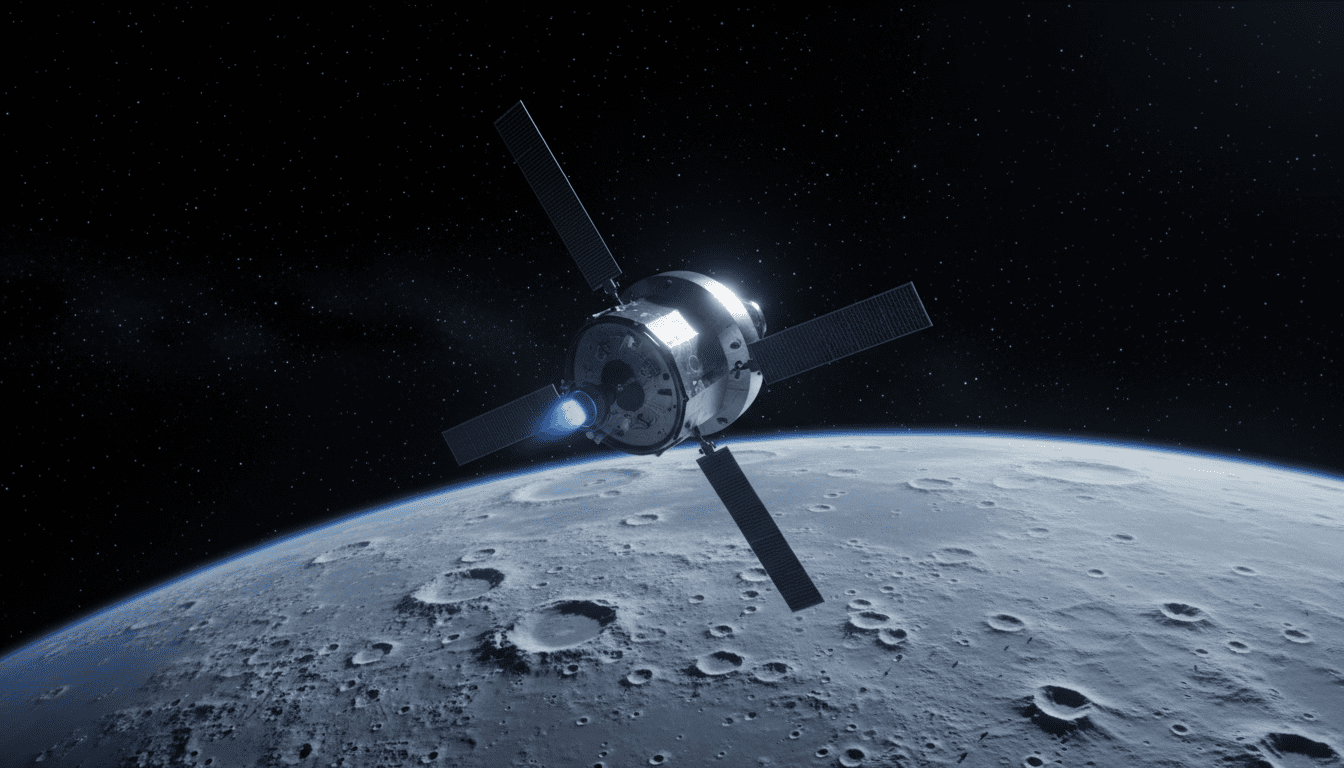
Unlike the Apollo missions that committed fully to lunar orbit, Artemis II is designed to test the system carefully before anyone pushes further. This SLS crewed mission will see Orion first enter a highly elliptical Earth orbit. Once the crew confirms all life-support systems are working as expected, they’ll fire the engines and break free of Earth’s gravity.
The mission follows a lunar flyby trajectory—using the Moon’s gravity to slingshot the spacecraft back toward Earth without requiring a large engine burn for the return trip. The crew will fly thousands of miles beyond the far side of the Moon, farther into deep space than any human has gone before, then coast back to a splashdown in the Pacific Ocean.
What the Experts Are Saying
“Artemis II is the ultimate test flight. We are handing the keys of our most advanced spacecraft to four human beings. If they succeed, they open the door for the next generation to not just visit the Moon, but stay there, build a base, and eventually look toward Mars.”
“Looking at this crew—Wiseman, Glover, Koch, and Hansen—you see the whole world represented. This isn’t just an American achievement. They carry the hopes of an entire planet with them.”
Crew Breakdown: Apollo 8 vs. Artemis II
| Feature | Apollo 8 (1968) | Artemis II |
|---|---|---|
| Crew Size | 3 Astronauts | 4 Astronauts |
| Spacecraft | Apollo Command/Service Module | Orion Multi-Purpose Crew Vehicle |
| Mission Type | Lunar Orbit (10 orbits) | Lunar Flyby (Free-return trajectory) |
| Diversity Milestones | All White, Male, American | First Woman, Person of Color, and Canadian |
Viewing Tip: When launch day arrives, NASA will broadcast the full countdown and liftoff in 4K on NASA+, YouTube, and their official app. Tune in early—SLS launches are genuinely something to experience.
A Unique Insight: Why No Landing Yet?
It’s a fair question. If we landed on the Moon in 1969, why are we doing a flyby in 2025–2026? The short answer is that today’s systems are far more complex than the analog hardware Apollo relied on, and that complexity demands careful, methodical testing. The Orion capsule needs to be put through its paces with a live crew in deep space before NASA sends anyone down to the lunar surface in a lander—currently being developed by SpaceX—for Artemis III. Getting this step right is what makes everything after it possible.
Frequently Asked Questions (FAQs)
When will Artemis II launch? After extensive safety checks and hardware testing, launch windows are targeting the late 2025 to 2026 timeframe, subject to final vehicle assembly and weather conditions.
Will the crew step on the Moon? No. This is a flyby mission—the NASA Artemis II astronauts will loop around the Moon and return to Earth. The first actual landing under the Artemis program is planned for Artemis III.
What rocket is being used? The Space Launch System (SLS), NASA’s most powerful rocket to date, which completed its uncrewed test flight successfully during Artemis I.
How long will the mission last? Approximately 10 days from liftoff at Kennedy Space Center to splashdown in the Pacific Ocean.
Conclusion: The Next Giant Leap
The NASA Artemis II Astronauts—Wiseman, Glover, Koch, and Hansen—aren’t just test pilots running a systems check. They’re the opening act of something much larger: humanity’s return to deep space as a long-term commitment rather than a one-time achievement. When they leave Earth’s orbit, they’ll be writing the first chapter of a story that, if everything goes to plan, won’t end for generations.
Sources
- Official NASA Artemis Program Mission Outlines and Press Briefings
- Johnson Space Center
- Canadian Space Agency (CSA) partnership announcements
Related Articles