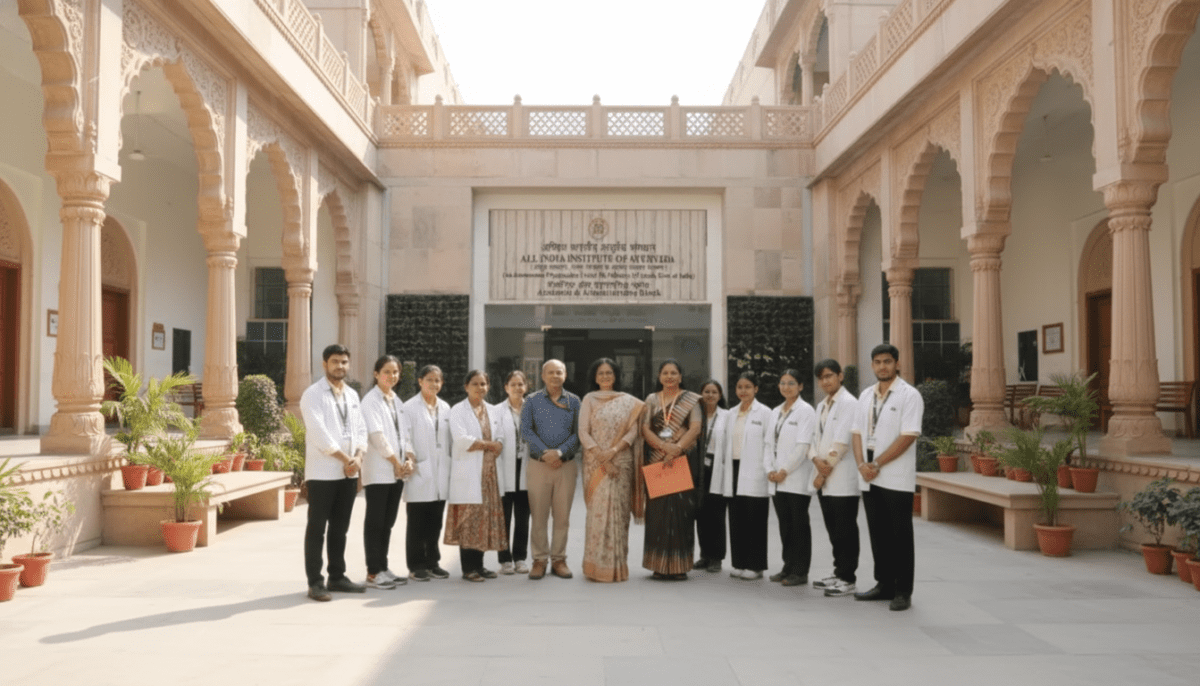
Traditional medicine is having a genuine moment globally, and India—sitting at the heart of systems like Ayurveda, Unani, and Homeopathy—is feeling that in a very practical way. Colleges need qualified teachers, not just practitioners who have stumbled into a classroom, but educators who actually know how to teach. This AYUSH Teachers Guide explores how the Ministry of AYUSH has significantly overhauled the framework for becoming a faculty member. Following this AYUSH Teachers Guide is essential for anyone aiming for a career in traditional medicine education.”
TL;DR: The AYUSH Teachers Guide Summary for Aspirants
- Governing Bodies: NCISM (for Indian Systems of Medicine) and NCH (for Homoeopathy).
- Basic Qualification: A postgraduate degree (MD/MS) in the relevant AYUSH discipline from a recognized institution.
- Mandatory Exam: The NTET is now compulsory for anyone seeking a teaching appointment.
- Career Ladder: Assistant Professor → Associate Professor → Professor, based on teaching experience and research output.
The Evolution of AYUSH Teaching Standards
For years, AYUSH medical education was overseen by the Central Council of Indian Medicine (CCIM) and the Central Council of Homoeopathy (CCH). These bodies did their job for a long time, but as expectations evolved globally, the AYUSH Teachers Guide became the new standard. Both councils were replaced by commissions with a clearer mandate and more detailed National Commission for Indian System of Medicine guidelines regarding who can teach. This AYUSH Teachers Guide transition ensures that Ayurveda educational standards are strictly maintained.
The change wasn’t just administrative. It signaled a shift in how seriously the government is treating AYUSH education as a professional field, ensuring that Ayurveda educational standards and other traditional systems are aligned with global pedagogical shifts.
What is the NTET (National Teachers Eligibility Test)?
This is the biggest practical change for anyone trying to enter AYUSH academia. The NTET, conducted by the National Testing Agency (NTA) on behalf of the Ministry of AYUSH, tests teaching aptitude, communication skills, and the ability to effectively convey knowledge. Having a PG degree is no longer enough on its own; candidates must now demonstrate they understand the AYUSH faculty curriculum and modern teaching methodologies.
Clearing the NTET is now a firm requirement before you can be appointed as an Assistant Professor in any recognized Ayurveda, Siddha, Unani, or Homoeopathy college. There’s no way around it.

Step-by-Step Guide to Becoming an AYUSH Teacher
- Complete Your Graduation: Finish your BAMS, BHMS, BUMS, or BSMS from a recognized university—this is your foundation.
- Pursue Post-Graduation: Sit the AIAPGET (All India Ayush Post Graduate Entrance Test) and complete your MD/MS in your chosen specialization.
- Clear the NTET: Register with the NTA, prepare seriously, and pass the National Teachers Eligibility Test to get your teaching certification.
- Register with the Commission: Log your qualifications in the National Register of either NCISM or NCH, depending on your stream.
- Apply to Colleges: With your PG degree and NTET certificate ready, start applying for Assistant Professor openings at recognized AYUSH institutions.
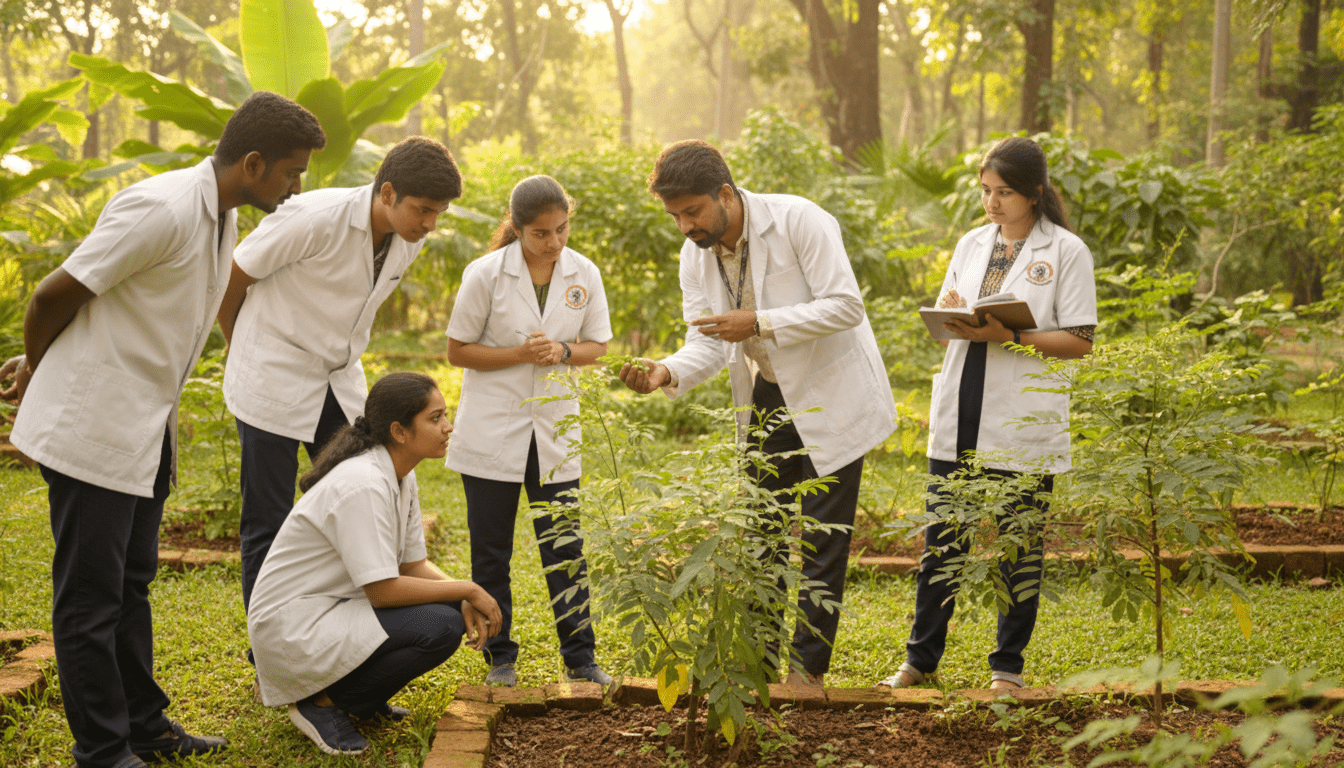
Real-World Case Study: Standardizing Global Traditional Medicine
There’s a bigger picture behind all of this. The WHO Global Centre for Traditional Medicine, set up in Jamnagar, Gujarat, is a concrete sign that Indian medicine systems are being taken seriously at an international level. But global recognition brings global scrutiny—and that means the education backing these systems needs to be consistent, evidence-based, and credible.
Right now, the quality of AYUSH education can vary considerably depending on where in the country you study. The NTET requirement and mandatory continuous medical education (CME) for teachers are direct attempts to fix that. The goal is straightforward: an Ayurveda graduate from Kerala should come out with the same foundational quality of training as one from Delhi. Maintaining strict Ayurveda educational standards is what eventually makes these degrees count beyond India’s borders.

What the Experts Are Saying
“The introduction of the NTET is a watershed moment for AYUSH education. It shifts the focus from simply holding a postgraduate degree to actually proving one’s aptitude for teaching—ensuring that only those with a genuine passion for pedagogy shape the next generation of healers.”
“Integrating modern educational tools, such as specialized Homeopathy teacher training modules, with ancient traditional wisdom is key. Our teachers need to be equipped to explain complex Ayurvedic or Homoeopathic principles using contemporary scientific language.”
Governing Bodies & Respective Streams
| Medical System | Apex Governing Commission | Key Regulation Document |
|---|---|---|
| Ayurveda, Unani, Siddha, Sowa-Rigpa | NCISM | NCISM Minimum Standards of UG & PG Education Regulations |
| Homoeopathy | NCH | NCH Minimum Standards of Education Regulations |
| Yoga & Naturopathy | Ministry of AYUSH / CCRYN | Guidelines still evolving; largely university-specific for now |
A Note on Salary: In government AYUSH colleges, faculty pay follows UGC scales. An entry-level Assistant Professor typically starts at Academic Pay Level 10. Private institutions vary—it depends on the college’s setup and your experience coming in.
Frequently Asked Questions (FAQs)
Is a PhD mandatory to become an AYUSH teacher?
Not when you’re starting out. An MD/MS gets you through the door at the Assistant Professor level. But if you’re thinking about moving up to Professor or Principal eventually, a PhD becomes increasingly important—and in many cases, expected.
What is the validity of the NTET certificate?
Current guidelines from the NTA and NCISM indicate lifetime validity, similar to how UGC NET works for mainstream academia. That said, it’s sensible to check the NTA portal occasionally since policy details can shift.
Can a BAMS/BHMS graduate teach without a PG degree?
No. NCISM and NCH are clear on this—a postgraduate degree in the relevant subject is a hard requirement for regular faculty appointment. There’s no provision for bypassing it.
Where can I find the official NTET syllabus?
The NTA website is your primary source, along with the NCISM and NCH portals. Many candidates also look for Homeopathy teacher training modules or Ayurveda-specific pedagogy resources to prepare for the aptitude sections. Don’t rely on third-party coaching material alone—always cross-check with the official documents.
Conclusion: Shaping the Future of Healing
Teaching in an AYUSH institution used to be seen, fairly or not, as something people fell into rather than actively chose. That perception is changing. It’s now a regulated, structured career with real professional standing—and the hoops you have to jump through to get there exist for a reason. They’re meant to ensure that the people training the next wave of AYUSH practitioners genuinely know how to teach, not just practice.
If you care about research, enjoy explaining complex ideas, and want to be part of how traditional Indian medicine evolves into a globally recognized discipline, this path is worth taking seriously.