
TL;DR: As of April 2026, the highly mutated BA.3.2 (nicknamed “Cicada”) variant is the main concern among COVID-19 New Variants. It has been detected in 25+ US states, multiple European countries, and 23+ nations worldwide. Cases remain low but show immune-escape potential. The 2025-2026 vaccines target JN.1/LP.8.1 lineage; boosters are strongly recommended for adults 65+ and high-risk groups. No surge in severe disease reported yet, but surveillance continues.
COVID-19 new variants updates in April 2026 show the virus continues to evolve, with BA.3.2 (Cicada) emerging as the most watched strain globally. First identified in South Africa in November 2024, this lineage of Omicron subvariants has roughly 70–75 spike protein mutations compared to the JN.1 and LP.8.1 strains used in current vaccines. While overall COVID-19 incidence remains low compared to previous years, experts are monitoring BA.3.2 closely for any signs of increased transmissibility or immune escape resulting from these viral mutations.
What Are the Current Dominant COVID-19 Variants in 2026?
The main circulating strains right now belong to the Omicron family:
- XFG and its sub-lineages (XFG.1.1, XFG.14.1) – still dominant in many regions (around 23–54% of sequences in recent CDC data).
- BA.3.2 (Cicada) – the new variant under monitoring. It has spread to at least 23 countries and is already present in wastewater and clinical samples across 25 US states. In parts of Europe (Denmark, Germany, Netherlands), it reached up to 30% of sequences during winter 2025–2026.
- Other monitored subvariants include XFV, PQ.17, and XFZ.
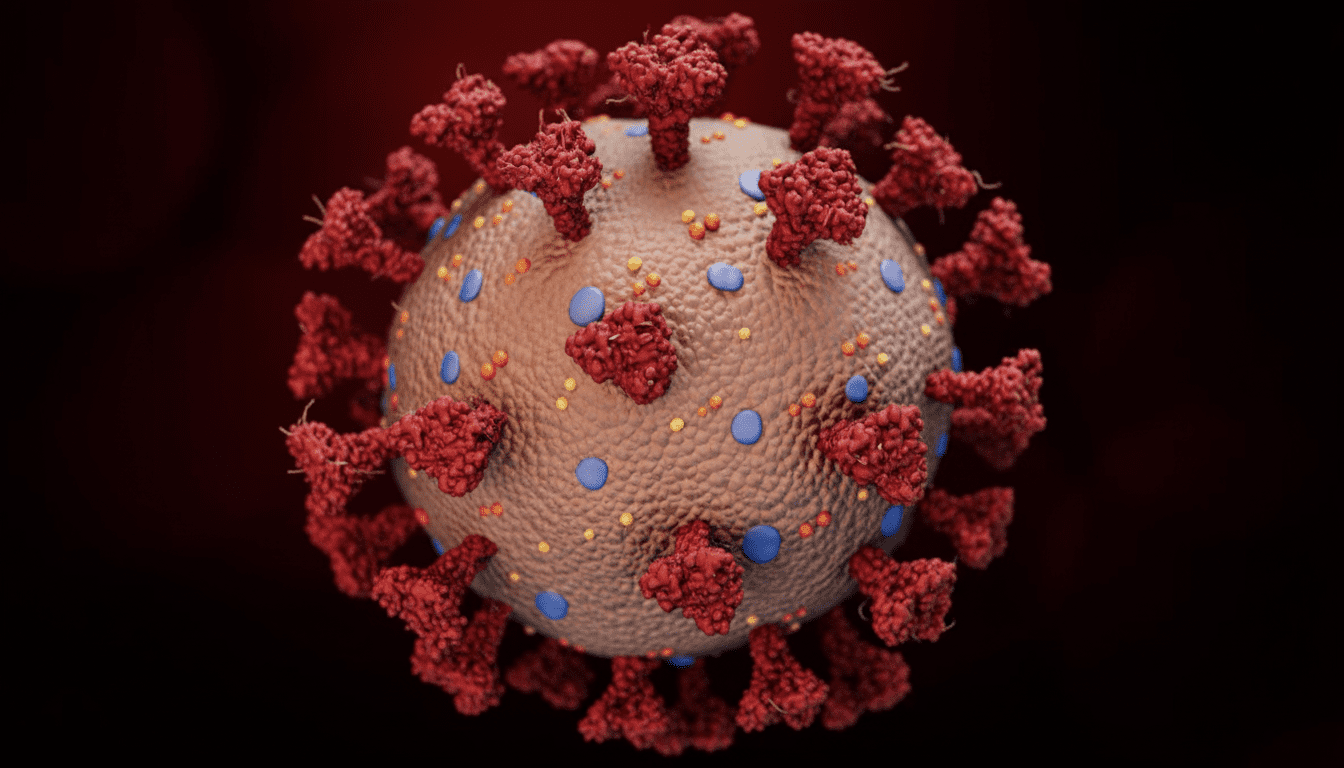
Disclaimer: This image has been generated using AI. All rights belong to the original owners. Unauthorized use or reproduction of this content is strictly prohibited.
Bold insight: BA.3.2 is genetically distinct from the strains targeted by the 2025-2026 vaccines, raising legitimate questions about how well current immunity (from vaccination or prior infection) will hold up against these specific viral mutations.
Latest Case Numbers & Spread of BA.3.2 (Cicada)
- United States: Detected in 25 states via wastewater surveillance (132 samples), 5 clinical patient samples, 4 traveler nasal swabs, and 3 airplane wastewater samples (as of February 11, 2026 data). Overall prevalence in national sequences is still low at ~0.19%, but detections are rising.
- Europe: Significant increase from September 2025 onward. Weekly detections reached ~30% in Denmark, Germany, and the Netherlands during December 2025–January 2026.
- Global: Reported in at least 23 countries. First detected in South Africa (November 2024), then Mozambique, Netherlands, Germany, and others.
No major surge in hospitalizations or deaths has been linked specifically to BA.3.2 so far. However, its high number of spike protein mutations suggests it may partially evade antibodies from previous infection or older vaccines.

Disclaimer: This image has been generated using AI. All rights belong to the original owners. Unauthorized use or reproduction of this content is strictly prohibited.
Booster Discussion: Who Needs the 2025-2026 COVID-19 Vaccine?
The 2025-2026 COVID-19 vaccines are not traditional “boosters” — they are newly formulated monovalent vaccines targeting the JN.1 lineage (specifically LP.8.1 strain). Key recommendations from CDC, FDA, and WHO-aligned bodies suggest the following groups prioritize vaccine efficacy by staying updated:
Groups Strongly Recommended for Vaccination:
- Adults 65 years and older
- People at increased risk for severe COVID-19 (immunocompromised, chronic conditions, pregnant individuals, etc.)
- Anyone 6 months and older who wants protection, based on shared clinical decision-making
Annual updated vaccines are now the standard approach, similar to flu shots. Immunity wanes over time, and as COVID-19 New Variants continue to emerge, staying up-to-date each season remains the best strategy.

Disclaimer: This image has been generated using AI. All rights belong to the original owners. Unauthorized use or reproduction of this content is strictly prohibited.
Key insight: Lab data shows current vaccines still offer strong protection (around 94% effectiveness in some studies) against severe illness and hospitalization, even if they may be less effective at preventing mild infection from new Omicron subvariants like BA.3.2. Getting the updated shot remains the smartest move for high-risk groups.
Vaccine Updates for 2025-2026 Season
- Formulation: Monovalent JN.1-lineage (LP.8.1 preferred). Brands include Moderna Spikevax, Pfizer-BioNTech Comirnaty, Novavax, and a lower-dose Moderna option (mNEXSPIKE).
- Who can get it: Everyone 6 months and older.
- Timing: Best taken in fall/winter, but available now if you haven’t received the 2025-2026 dose.
- Vaccine Efficacy: Early data shows robust immune response against currently circulating strains. Real-world effectiveness against severe disease remains high.
- Safety: Extensive monitoring confirms the updated vaccines are safe and well-tolerated, with side effects similar to previous doses.
Experts emphasize that even if a new variant like BA.3.2 shows some immune escape due to viral mutations, vaccination still significantly reduces the risk of serious outcomes.
Prevention Tips While Variants Evolve
- Stay up-to-date with the 2025-2026 vaccine.
- Practice good hand hygiene and ventilation indoors.
- Wear a mask in crowded or high-risk settings if you are vulnerable.
- Test if you have symptoms and isolate if positive.
- High-risk individuals should consult their doctor about additional precautions.
Related Articles
- AYUSH Teachers Guide
- Suzetrigine Non-Opioid Painkiller Journavx
- cancer survival rates improvement statistics