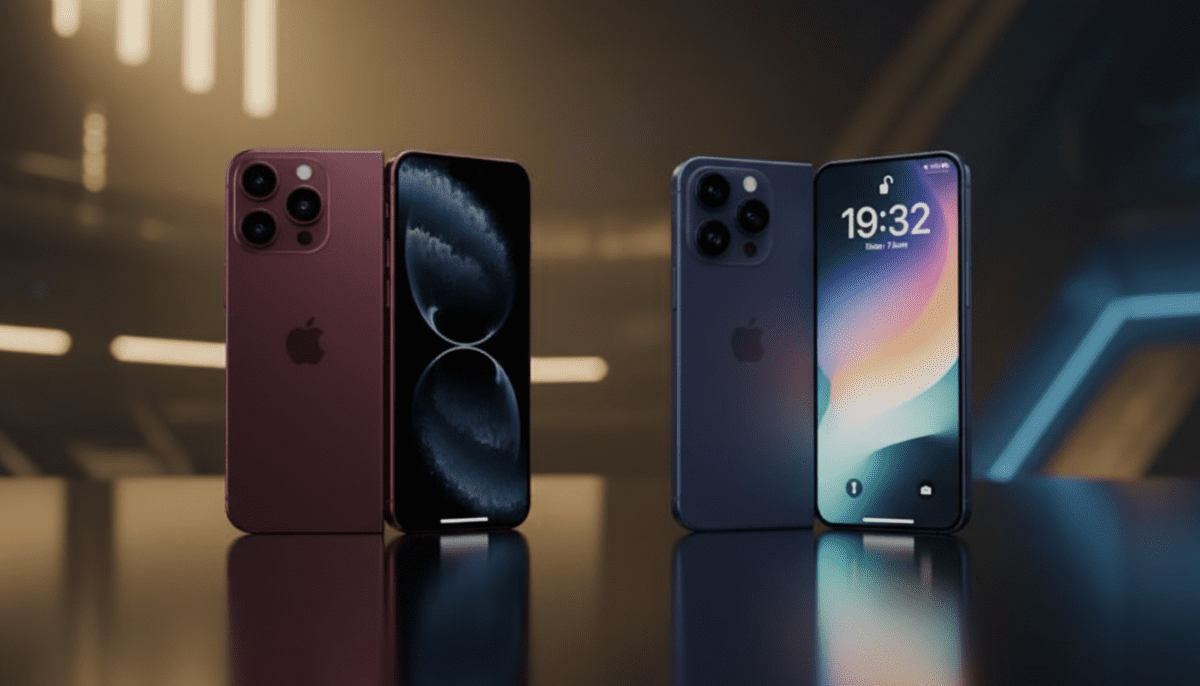
As technology enthusiasts digest the latest iPhone 18 Pro rumors, the smartphone industry is currently standing on the precipice of a massive technological and strategic shift. For over a decade, consumers and tech enthusiasts have grown accustomed to a highly predictable rhythm: every September, Apple takes the stage to unveil its entire, unified lineup of new smartphones. However, surging component costs, the rapid advancement of on-device artificial intelligence, and the complexities of manufacturing next-generation form factors have fundamentally rewritten the Cupertino giant’s playbook. If you are waiting to upgrade your device this year, you are not just looking at a simple spec bump; you are witnessing the dawn of the “AI Native Era” and the most fragmented, ambitious hardware release in Apple’s history.
For those tracking the latest iPhone 18 Pro rumors, the definitive answer is that Apple’s upcoming flagship will launch in September 2026, boasting a revolutionary 2nm Apple A20 chip, a variable aperture camera system, and a significantly smaller Dynamic Island. Most shockingly, Apple is expected to split its release strategy, launching the premium Pro models alongside the highly anticipated foldable iPhone 2026 in the fall, while delaying the standard base models until the spring of 2027 to manage supply chain complexities and rising memory costs.
TL;DR: Quick Summary
- The Split Release Strategy: Apple is front-loading its high-margin devices. The iPhone 18 Pro, Pro Max, and a brand-new foldable device are slated for September 2026, while the base iPhone 18 is pushed to Spring 2027.
- Silicon Supremacy: The devices, as per iPhone 18 Pro rumors, will be powered by the Apple A20 chip family, the company’s first processors built on TSMC’s cutting-edge 2nm process, utilizing Wafer-Level Multi-Chip Module (WMCM) packaging for unprecedented performance.
- Camera Evolution: Look for a DSLR-like variable aperture camera on the rear, according to current iPhone 18 Pro rumors, allowing for dynamic depth-of-field control, paired with a massive 24-megapixel front-facing selfie camera.
- Aesthetic Shifts: The polarizing dual-tone glass back is expected to be unified, and a new “Dark Cherry” or deep red colorway will headline the Pro models, based on iPhone 18 Pro rumors. Notably, black is rumored to be excluded for the second year in a row.
- Display Interruption Reduced: The Face ID flood illuminator is moving under the screen, resulting in a smaller Dynamic Island that frees up valuable display real estate.
What to Expect from the Apple A20 Chip Innovation and iPhone 18 Pro Rumors
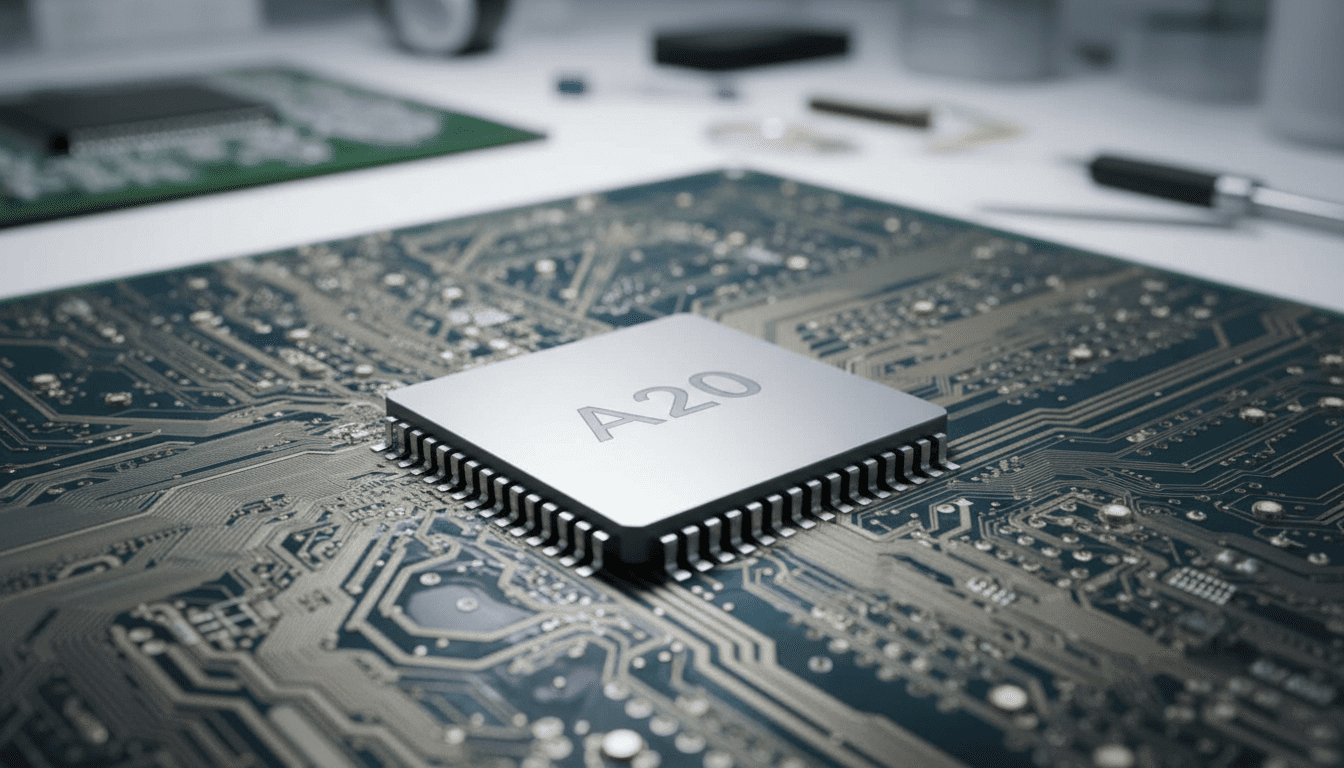
To understand why the iPhone 18 Pro rumors are generating so much excitement, one must look deep into the silicon. The Apple A20 chip and its “Pro” variant represent a monumental leap in mobile computing, primarily because they mark Apple’s transition from the 3nm node to TSMC’s groundbreaking 2nm process. This transition physically shrinks the distance between transistors, allowing for billions more to be packed into the same surface area, which drastically improves both speed and battery efficiency.
However, the 2nm node is only half the story. Apple is shifting its chip packaging method from Integrated Fan-Out (InFO) to Wafer-level Multi-Chip Module (WMCM). This highly advanced packaging allows Apple to tightly integrate individual dies—such as the CPU, GPU, Neural Engine, and even DRAM memory—onto a single package, confirming many iPhone 18 Pro rumors. By doing so, the components communicate significantly faster and draw far less power.
Furthermore, the Apple A20 chip is expected to feature the third generation of Dynamic Cache, which allocates on-chip memory in real-time to prevent wasted resources. Combined with an expected bump in the System-Level Cache (SLC) up to 36MB-48MB, the processing headroom for on-device Apple Intelligence tasks will be virtually unmatched. Users can expect instantaneous Siri responses, complex photo rendering, and system-wide generative AI features to run entirely locally without draining the battery.
When Will the Foldable iPhone 2026 Actually Arrive?
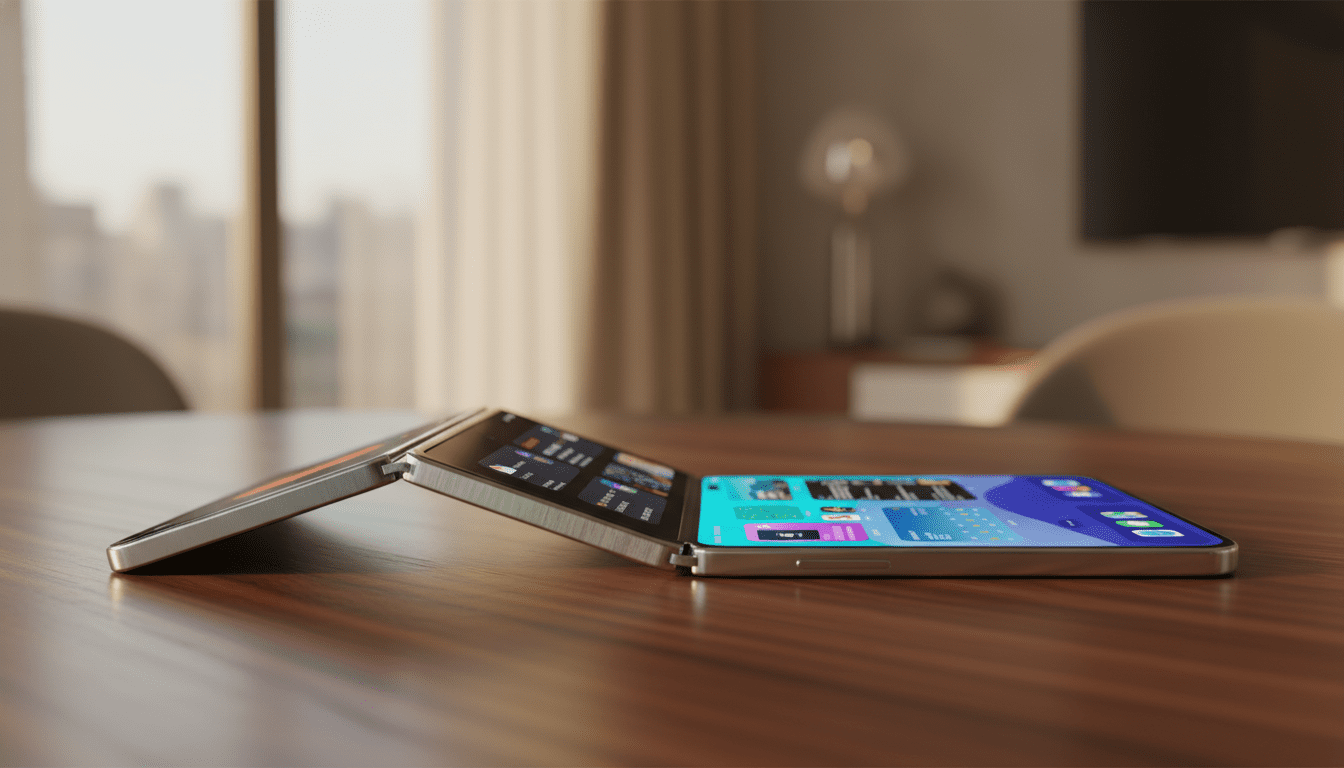
While the traditional slabs command attention, the wildcard of the year is undoubtedly the foldable iPhone 2026, which is often discussed alongside iPhone 18 Pro rumors. Often dubbed the “iPhone Fold” or “iPhone Ultra,” this device marks Apple’s first foray into the foldable market, a space previously dominated by Samsung and Huawei.
Current supply chain leaks suggest a book-style folding mechanism, featuring a roughly 5.5-inch outer cover screen and a massive 7.8-inch to 8.0-inch inner display when unfolded. The device is expected to utilize a proprietary Liquid Metal hinge—crafted from nano-alloy materials that offer 2.5 times the hardness of titanium—integrated with a dynamic tension system to achieve a perfectly flat, crease-free visual effect.
However, the launch timing remains fiercely debated within the tech community. Some credible sources point to a September 2026 announcement alongside the Pro models, while others suggest the device will not physically ship to consumers until December 2026. With an expected price tag exceeding $2,000, this ultra-premium device is positioned to test the upper limits of consumer spending while serving as the ultimate status symbol in mobile tech.
How the Variable Aperture Camera Changes Mobile Photography
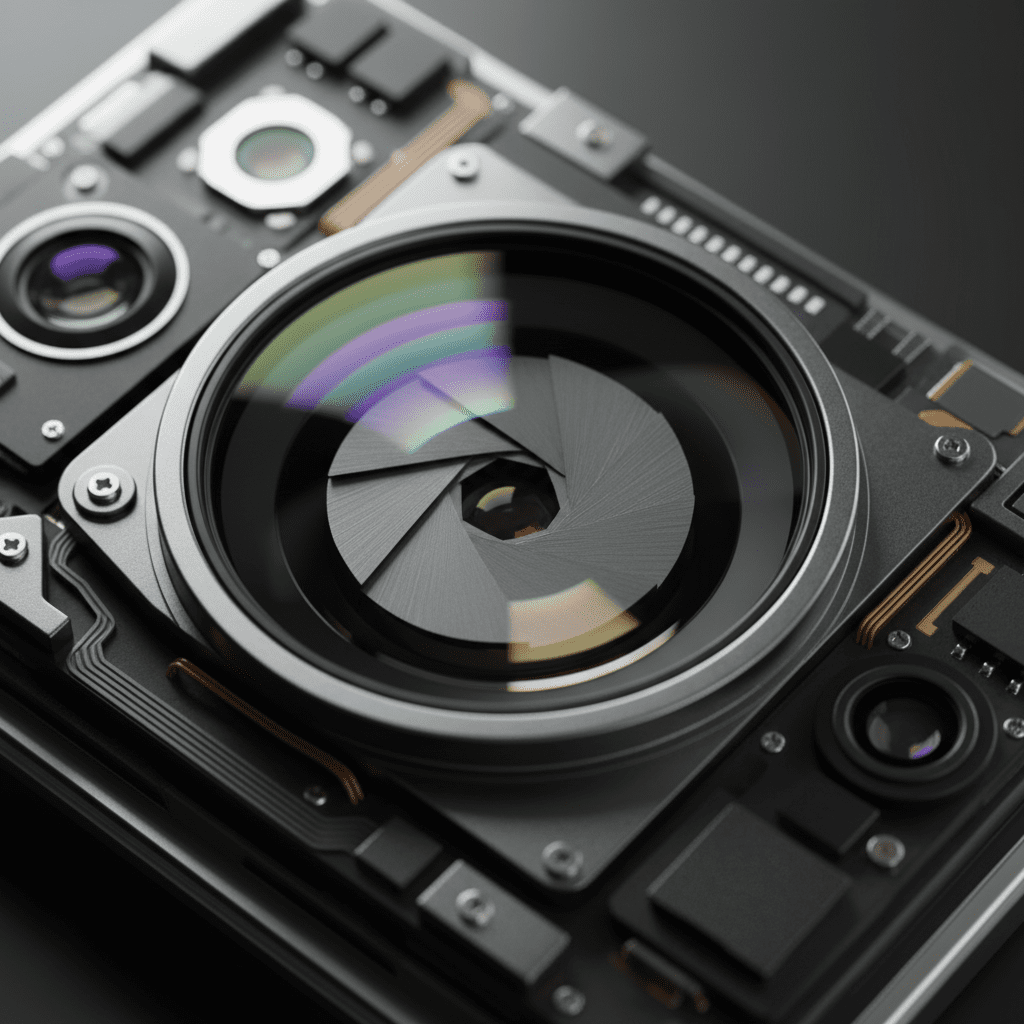
For years, smartphones have been bound by the physical limitations of fixed apertures. The iPhone 14 Pro through the iPhone 17 Pro all utilized a fixed aperture of ƒ/1.78 on their main cameras, meaning the lens was always wide open. The most exciting of the iPhone 18 Pro rumors indicates that Apple is finally bringing a mechanical, variable aperture to its primary lens.
A variable aperture camera allows the lens to physically open and close in stages, much like a traditional DSLR camera. In bright, sunlit environments, the camera can “stop down” the aperture (e.g., to ƒ/4.0), which naturally increases edge-to-edge sharpness and keeps both the foreground and background in perfect focus. Conversely, in low-light scenarios, the aperture can open wide to absorb maximum light, while also creating a natural, optical background blur (bokeh) for stunning portrait photography without relying entirely on software algorithms, a key highlight in current iPhone 18 Pro rumors.
Additionally, rumors suggest a seismic shift in Apple’s supplier relationships. After years of relying solely on Sony, Apple is reportedly testing a new three-layer stacked image sensor developed by Samsung, specifically designed to reduce noise and improve dynamic range in low-light conditions.
Who Will Notice the Smaller Dynamic Island?
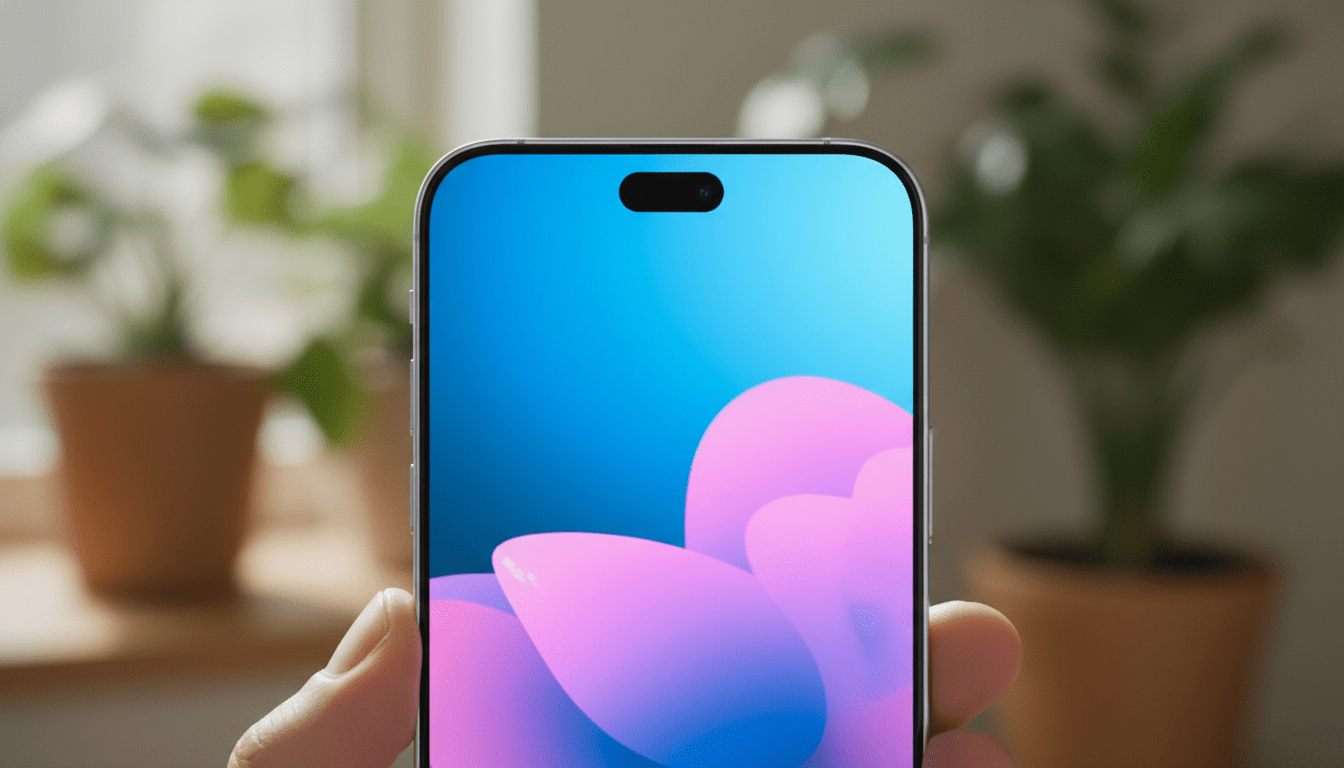
Since its introduction on the iPhone 14 Pro, the Dynamic Island has been both a clever software disguise for the camera cutout and a point of contention for users who miss an uninterrupted screen. For the 2026 lineup, Apple is making its most significant front-facing design change in years, as predicted by iPhone 18 Pro rumors.
By moving the Face ID flood illuminator beneath the display, Apple is effectively shrinking the width of the cutout. Leakers suggest the new smaller Dynamic Island will measure approximately 13.5mm in width, representing a 35 percent reduction from the previous 20.7mm footprint. While this falls short of the elusive “under-screen camera” utopia, it successfully frees up valuable pixels at the top of the display, making video consumption and gaming far more immersive.
Step-by-Step Guide: Preparing for Apple’s 2026 Super-Cycle
With the fragmented release schedule and high price tags on the horizon, upgrading your smartphone in 2026 requires a bit of strategy. Here is how to navigate the upcoming release cycle based on the most credible iPhone 18 Pro rumors:
- Evaluate Your Current Hardware: If you are currently using an iPhone 15 Pro or older, the leap to the Apple A20 chip, variable aperture camera, and Wi-Fi 7 capabilities will be highly noticeable. If you own an iPhone 16 Pro or 17 Pro, consider holding off unless you are desperate for the foldable model.
- Monitor the “Air 2” Leaks in July: Keep a close eye on supply chain rumors during the summer. If production leaks confirm the ultra-thin “iPhone Air 2” is launching in September, you will have a lightweight alternative to the heavier Pro models.
- Prepare for the “Dark Cherry” Rush: History shows that Apple’s new exclusive colors sell out within minutes. If you want the rumored Dark Cherry or Deep Red variant, ensure your carrier financing is pre-approved days before the Friday pre-order window opens.
- Decide on the Foldable iPhone 2026: If you want the folding iPhone, be prepared to pay upwards of $2,000. Furthermore, acknowledge that first-generation Apple products often have quirks; decide if you want to be an early adopter or wait for the second generation.
- Wait for Spring if Budget is Tight: If the Pro models are out of your price range, do not settle for an older phone. Wait until Spring 2027, when Apple is expected to release the standard base iPhone 18 models to round out their delayed lineup, as suggested by recent iPhone 18 Pro rumors.
Benefits & Features of the iPhone 18 Pro Lineup
Beyond the headline-grabbing camera and processor specs, the iPhone 18 Pro rumors point to a multitude of systemic enhancements designed to future-proof the device:
- Massive Battery Capacity: Leaks indicate the Pro Max could feature a 5,100 to 5,200 mAh battery, potentially delivering the longest screen-on time in iPhone history when paired with the highly efficient 2nm chip.
- Advanced Thermal Management: To combat the intense heat generated by on-device AI and gaming, Apple is expected to utilize advanced Vapor Chamber (VC) liquid cooling and a steel-cased battery to maintain optimal operating temperatures.
- C2 In-House Modem: Replacing Qualcomm, Apple’s proprietary C2 modem is expected to deliver faster 5G mmWave speeds, better power efficiency, and potentially full internet access over satellite networks, not just emergency SOS.
- Refined Aesthetics: Apple is reportedly ditching the polarizing two-tone glass back of the 17 Pro, returning to a unified, cohesive look. The chassis is expected to retain the premium Titanium frame for the Pro models.
- 24MP Front Camera: Selfies and FaceTime calls will see a massive bump in clarity as the front-facing camera upgrades from 12MP to 24MP across the lineup, according to latest iPhone 18 Pro rumors.
Real-World Case Study: The Economics of the Split Release Strategy
To truly grasp the magnitude of Apple’s decisions this year, we must look at the broader macroeconomic landscape highlighted by global tech analysts. Why would Apple, a company famous for its clockwork September events, intentionally delay the base iPhone 18 to the spring of 2027, a move tracked by various iPhone 18 Pro rumors?
The answer lies in the global memory market. Throughout late 2025 and early 2026, the tech industry experienced a brutal super-cycle of memory price hikes. According to supply chain reports, DRAM and NAND flash memory costs surged exponentially, with DDR5 spot prices jumping over 250%. For smartphones, memory accounts for 10-15% of the total Bill of Materials (BOM) cost.
If Apple were to launch the standard, lower-priced iPhone 18 in September 2026 amidst these soaring component costs, they would face an impossible choice: either absorb the cost and decimate their profit margins, or raise the retail price of the entry-level phone and kill consumer demand.
By splitting the release, Apple executed a masterclass in supply chain logistics. They are launching the high-margin iPhone 18 Pro, Pro Max, and the $2,000 foldable iPhone 2026 first. Consumers buying “Pro” devices are far less price-sensitive, allowing Apple to absorb the memory cost hikes without severely hurting their bottom line. By delaying the base iPhone 18 to Spring 2027, Apple is buying time, waiting for the global memory market to cool down and stabilize, ensuring they can eventually sell their mainstream device at its traditional $799 price point while maintaining healthy margins.
“With the iPhone 18 Pro models, users would be able to manually change the aperture, which would provide greater control over depth of field… enabling variable aperture to at least one rear camera.” — Wayne Ma and Qianer Liu, The Information.
“Apple’s progress toward under-display Face ID and a fully uninterrupted iPhone display is encountering ongoing challenges, with a new report indicating that the company is likely to focus on incremental reductions to the Dynamic Island rather than major front-facing design changes in the near term.” — Hartley Charlton, MacRumors.
Data Table: Analyzing the 2026/2027 Apple Smartphone Lineup
| Device Model | Expected Release Window | Processor Core | Key Display / Design Feature | Estimated Starting Price |
|---|---|---|---|---|
| iPhone 18 Pro | September 2026 | Apple A20 Pro (2nm) | 6.3″ ProMotion, Smaller Dynamic Island | ~$1,099 |
| iPhone 18 Pro Max | September 2026 | Apple A20 Pro (2nm) | 6.9″ ProMotion, Variable Aperture Camera | ~$1,199 |
| iPhone Fold (Ultra) | Fall/Winter 2026 | Apple A20 / M-Series | 7.8″ Inner Foldable, Liquid Metal Hinge | $2,000+ |
| iPhone Air 2 | TBD (Fall ’26 or Spring ’27) | Apple A20 | Ultra-Thin Profile, 48MP Cameras | ~$899 |
| iPhone 18 (Base) | Spring 2027 | Apple A20 | 6.1″ OLED, Standard Dynamic Island | ~$799 |
(Data compiled from supply chain leaks, analyst notes, and historical pricing trends)
Unique Insight: The Demise of the Black iPhone

A fascinating and highly polarizing hidden trend within the latest iPhone 18 Pro rumors is the apparent death of the standard “Black” iPhone. According to prominent Weibo leakers, for the second consecutive year, Apple will not offer a traditional black colorway for its premium devices.
From a psychological and marketing perspective, this is a brilliant, albeit frustrating, maneuver by Apple to drive the “Heirloom Economy” and visual prestige. In the smartphone world, a black rectangle is the ultimate commodity; it is visually indistinguishable from a distance. By forcing premium buyers into highly distinct, recognizable colors—such as the newly rumored Dark Cherry, Deep Red, or Titanium Gray—Apple ensures that anyone holding the device is instantly recognized as owning the absolute latest, most expensive hardware. It transforms the phone from a simple utility device into a highly visible luxury fashion accessory, proving that in 2026, Apple is selling social signaling just as much as it is selling 2nm silicon.
[Insert Video Placeholder Here]
FAQs
What is the expected release date for the iPhone 18 Pro?
The iPhone 18 Pro and Pro Max are widely expected to be announced in the second week of September 2026, maintaining Apple’s traditional fall hardware keynote schedule.
Will there be a foldable iPhone 2026?
Yes, heavy supply chain leaks indicate Apple is preparing to launch its first foldable device—potentially named iPhone Fold or iPhone Ultra—featuring a 7.8-inch inner display. However, while it may be announced in September, it might not ship until December 2026.
What is a variable aperture camera?
A variable aperture camera features a mechanical lens that can physically open and close to control the amount of light hitting the sensor. This allows the iPhone 18 Pro to naturally adjust depth-of-field, creating true optical background blur for portraits and sharper focus for landscapes.
How much smaller is the new Dynamic Island?
Rumors indicate the Face ID flood illuminator will be moved beneath the display, allowing the Dynamic Island to shrink from a width of roughly 20.7mm down to 13.5mm, representing a 35% reduction in size.
What makes the Apple A20 chip special?
The Apple A20 family will be the company’s first processors manufactured using TSMC’s 2nm process node. This, combined with a new Wafer-Level Multi-Chip Module (WMCM) packaging, will deliver massive leaps in both processing speed and battery efficiency.
What colors will the iPhone 18 Pro come in?
The flagship color for the iPhone 18 Pro is heavily rumored to be “Dark Cherry” or a deep red, replacing the controversial cosmic orange of the previous year. Other options include light blue, dark gray, and silver. Notably, a standard black colorway is reportedly absent.
Why is the base iPhone 18 delayed until 2027?
Apple is reportedly pushing the base iPhone 18 release to Spring 2027 to navigate extreme price hikes in the global memory (DRAM/NAND) market. By launching only the high-margin Pro models in the fall, Apple can absorb the component costs without sacrificing overall profitability.
Conclusion & CTA
The iPhone 18 Pro rumors suggest that the smartphone landscape of 2026 is shaping up to be anything but ordinary. Between the implementation of the lightning-fast 2nm Apple A20 chip, the photographic flexibility of a variable aperture camera, and the long-awaited debut of the foldable iPhone 2026, Apple is pushing the boundaries of what fits inside our pockets. Yet, perhaps the most intriguing aspect of this year’s cycle is not just what Apple is releasing, but how they are releasing it. By fracturing their traditional September launch window and pushing the base models to 2027, the Cupertino giant is proving that supply chain economics dictate the future just as much as engineering does.
Are you planning to brave the premium prices for the deep red iPhone 18 Pro, or are you holding out hope for the ultra-expensive foldable? The AI Native Era is officially here, and upgrading requires more thought than ever before. Let us know which rumored feature you are most excited about in the comments below, and be sure to share this breakdown with anyone planning their next big tech purchase!
Related Articles
- Textile Recycling Technology 2026: Turning Old Clothes into New
- Solar Power 2026: How It Became the World’s Cheapest Energy
- Sand Batteries Explained: How Finland Stores Energy in Sand
- Gemma 4 AI Explained: Google’s 2026 Open-Weights Masterpiece
Sources: