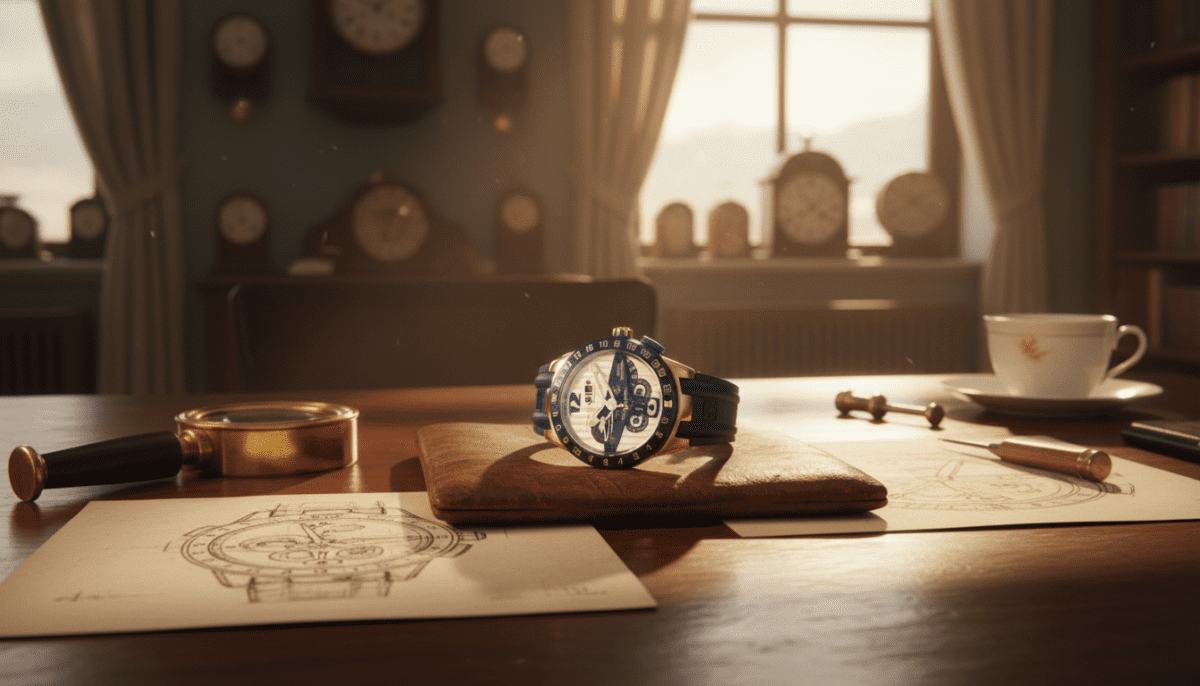
The gentle tick of a masterfully crafted escapement is a sound that transcends mere timekeeping; it is the heartbeat of human ingenuity. For decades, high-end watch collecting was primarily a bold declaration of financial arrival, often characterized by heavy, diamond-encrusted dials and oversized, commanding cases. However, a quiet but powerful revolution is currently unfolding across the horological landscape. The contemporary enthusiast is no longer motivated by conspicuous consumption, but rather by profound heritage, micro-engineering, and genuine storytelling.
If you are navigating this fascinating world, the definitive reality of modern high-end watch collecting is that it has transitioned from a pursuit of flashy excess to an appreciation of subtle sophistication, bespoke craftsmanship, and profound mechanical watch complications. This paradigm shift is being driven by a surging demand for smaller case sizes, the explosive popularity of independent artisans who challenge mass production, and the integration of blockchain technology to guarantee authenticity, all of which are actively redefining the trajectory of luxury watch prices in 2026.
TL;DR: Quick Summary
- The Shrinking Silhouette: High-end watch collecting in 2026 is defined by a massive shift toward smaller, more refined case sizes, specifically in the 36mm to 39mm range, prioritizing subtle sophistication over bulky statement pieces.
- The Artisan Rebellion: Savvy collectors are increasingly turning their attention toward independent watchmakers like F.P. Journe, Czapek & Cie., and MB&F, taking high-end watch collecting into the realm of limited-run horological art over mass-produced conglomerate models.

- Economic Realities: Rising global gold prices and strict new 39% US tariffs on Swiss imports are causing significant adjustments to luxury watch prices in 2026, polarizing the market into entry-level stability and ultra-luxury exclusivity.
- Complex Mastery: The era of basic time-telling is over; enthusiasts are obsessing over extreme mechanical watch complications, highlighted by boundary-pushing releases like Vacheron Constantin’s 63-complication masterpiece and Piaget’s 2mm thick tourbillon.
- The Circular Economy: The pre-owned luxury market is experiencing explosive growth, with top brands integrating certified pre-owned programs and utilizing blockchain digital passports to ensure authenticity and longevity across generations.
What is Driving the Shift to Subtle Sophistication in High-End Watch Collecting?
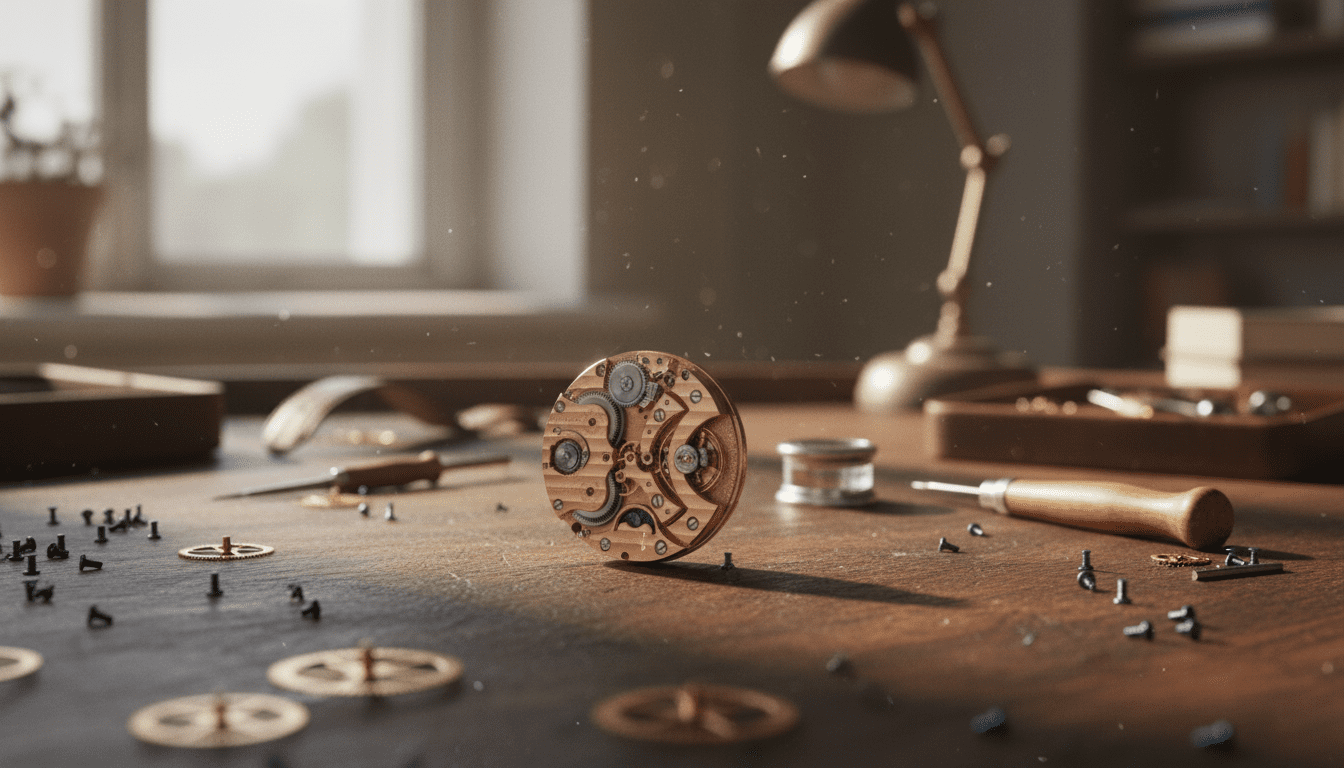
To truly grasp the current state of high-end watch collecting, one must look at the physical dimensions of the watches themselves. We are witnessing a decisive move away from ostentatious displays towards a more refined and elegant aesthetic. Forget the massive, wrist-dominating dive watches of the early 2000s; the true mark of luxury in 2026 is subtly returning to classic proportions.
The industry is embracing a significant shift towards compact case sizes, typically ranging from 36mm to 39mm. This sizing inherently conveys elegance, adhering to traditional proportions and appearing less intrusive on the wrist. Brands like Tudor have heavily influenced this space, utilizing their distinctive compact Snowflake hands to contribute to a visually balanced aesthetic on these smaller canvases. Furthermore, Jaeger-LeCoultre recently unveiled their Master Control Chronometre line, offering a time-and-date model in a remarkably slim 38mm diameter that is just 8.4mm thick, perfectly answering the modern collector’s plea for understated wearability. The psychology of understated luxury suggests that true confidence stems from quiet quality and discerning choices, not loudness.
When Did Independent Watchmakers Take the Spotlight?
For years, high-end watch collecting was dominated by a handful of mega-conglomerates like LVMH, Richemont, and the Swatch Group. While these titans produce phenomenal timepieces, the ubiquity of their flagship models left seasoned collectors yearning for something rarer. The hobby evolved, and today’s enthusiasts crave uniqueness, chasing watches that whisper individuality instead of shouting brand recognition.
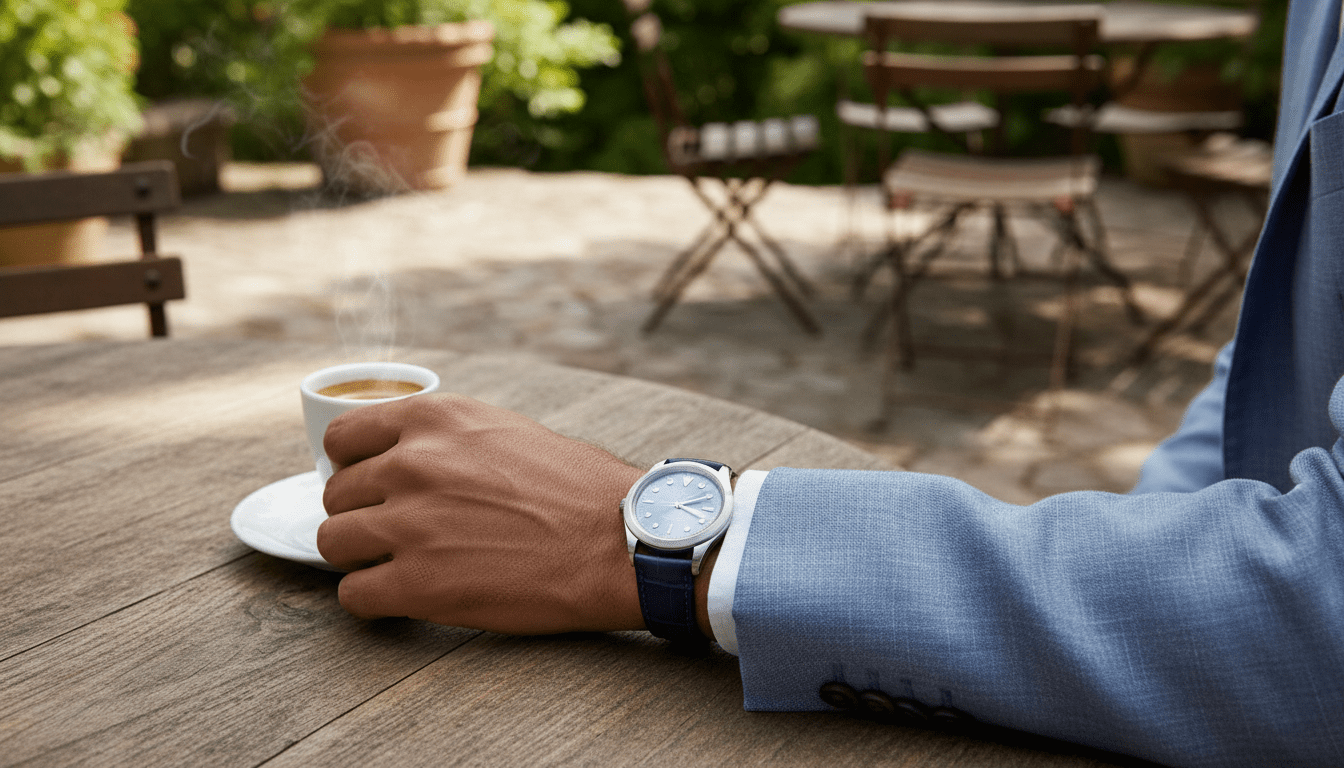
This is precisely where independent watchmakers have stepped in to rewrite the rulebook. François-Paul Journe, the founder of F.P. Journe, famously handcrafts nearly every single component in-house, producing fewer than 1,000 watches per year. His creations, such as the Chronomètre à Résonance with its twin oscillators, are revolutionary pieces of micro-mechanics. Similarly, Czapek & Cie. revived a forgotten 19th-century legacy to produce sophisticated tourbillons and the highly sought-after Antarctique line. On the avant-garde end of the spectrum, Maximilian Büsser’s MB&F creates horological art that looks more like futuristic sculptures or spaceships than traditional watches. Because these independent watchmakers are not answering to corporate shareholders, they possess the freedom to be incredibly bold, taking high-end watch collecting back to its purest, most artistic roots.
How are Mechanical Watch Complications Defying Physics?
The sheer mechanical ambition of modern high-end watch collecting is staggering. Despite the convenience of smartwatches, 2026 marks a strong reaffirmation of mechanical and automatic movements, as buyers want craftsmanship they can actually feel. The pursuit of mastering mechanical watch complications has led to creations that defy standard engineering logic.
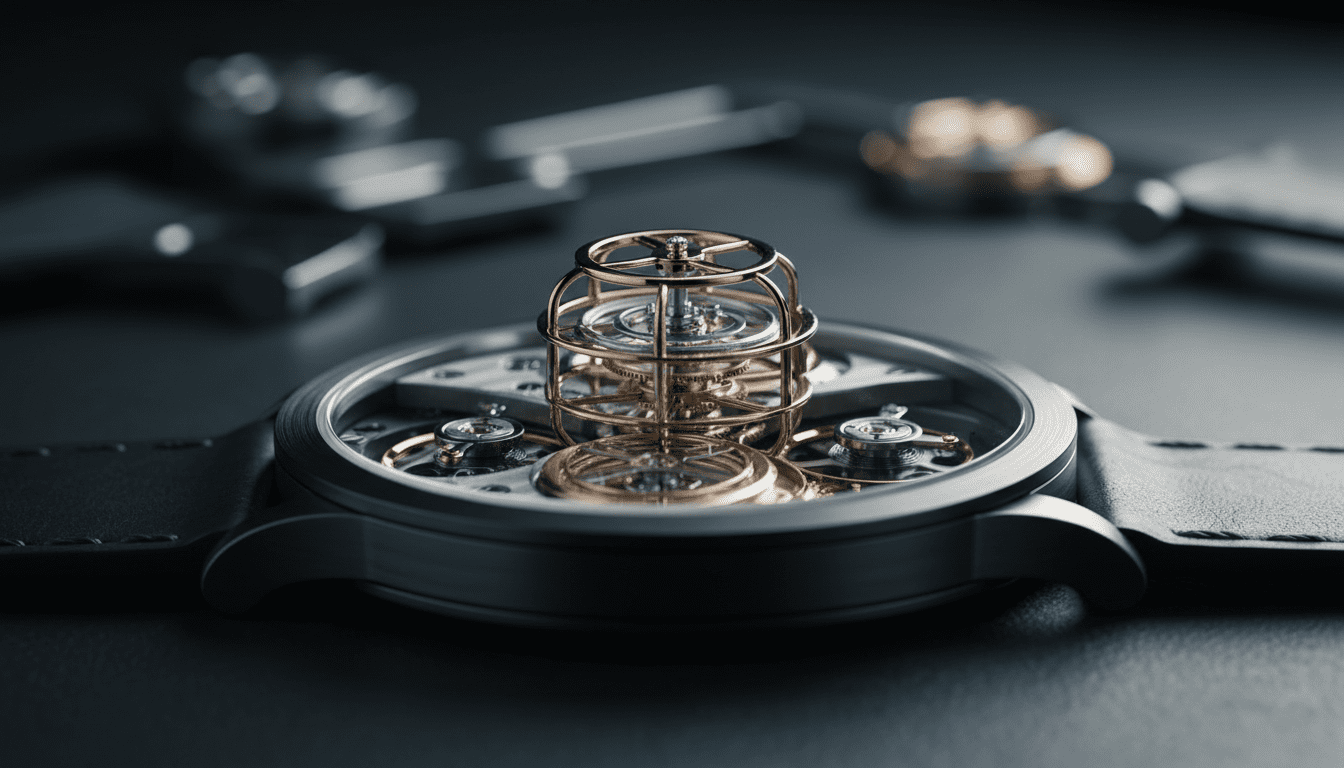
A prime example is the Vacheron Constantin Berkeley Grand Complication, a bespoke masterpiece commissioned by a finance mogul, which houses a mind-boggling 63 complications, making it the most complicated watch ever created. It features a traditional Chinese lunisolar perpetual calendar programmed until the year 2200, governed by a highly complex system of internal notches and cams. Elsewhere, Piaget shattered the boundaries of ultra-thin watchmaking with the Altiplano Ultimate Concept Tourbillon, setting a world record by fitting an entire functioning tourbillon movement into a case just 2mm high—the exact thickness of two stacked credit cards. Even highly traditional complications like chronographs are being meticulously refined, as seen in the Cartier Privé Tortue Monopoussoir Chronograph, which utilizes a stunning custom-shaped movement and a traditional horizontal clutch built exclusively for its elegant case.
Who is Dictating Luxury Watch Prices in 2026?
Entering the realm of high-end watch collecting requires a firm understanding of the macroeconomic forces at play. You cannot simply look at the brand names anymore; you must understand the economics behind the dial.
The landscape of luxury watch prices in 2026 is heavily dictated by inflation, material scarcity, and geopolitical trade policies. Raw materials have skyrocketed, with 24k gold prices hovering around AED 544 per gram, immediately driving up the base cost of premium pieces like a gold Day-Date. Furthermore, the United States recently introduced tariffs up to 39% on Swiss Watches, forcing European brands to drastically increase their retail prices across North America. This has created a polarized market. Entry-level luxury watches (like the Tudor Black Bay) are remaining relatively stable to avoid losing new customers, while mid-tier and ultra-luxury segments are seeing significant retail price hikes. Brands like Audemars Piguet intentionally keep their supply low to maintain exclusivity, meaning that global demand keeps prices exceptionally high, regardless of regional economic softness.
5 Steps to Building a Meaningful Watch Collection
If you want to engage in high-end watch collecting without falling victim to fleeting hype, you must approach your acquisitions with intentionality. Follow this step-by-step guide to secure timeless value:
- Prioritize Proportions Over Presence: Before analyzing the dial, evaluate the wearability. Look for versatile, everyday watches with case sizes between 36mm and 39mm, paying close attention to the lug-to-lug distance relative to your wrist size. This is a foundational rule in modern high-end watch collecting.
- Explore the Independents: Do not limit your scope to the heavily marketed conglomerates. Research independent watchmakers like F.P. Journe or Czapek & Cie. to find unique, low-production timepieces that offer superior hand-finishing and distinct artistic narratives.
- Focus on Mechanical Integrity: Gravitate towards pieces that feature in-house calibres and visible movements. Whether it is a simple three-hander or a complex tourbillon, prioritize mechanical watch complications over battery-powered quartz for long-term high-end watch collecting value.
- Demand the “Full Set”: If purchasing from the pre-owned luxury market, always buy a full set that includes the original box, warranty card, and manuals. Having the complete original documentation can add up to 20% to the resale value of the watch.
- Verify with Digital Passports: Counterfeits are more advanced than ever. When purchasing a new luxury timepiece, ensure the brand offers a blockchain-secured Digital Passport—like those provided by the AURA Consortium or Arianee—to cryptographically prove authenticity and ownership.
Benefits & Features of Sustainable and Pre-Owned Horology
The future of high-end watch collecting is fundamentally intertwined with environmental responsibility and the exploding pre-owned luxury market. Embracing this shift offers profound benefits:
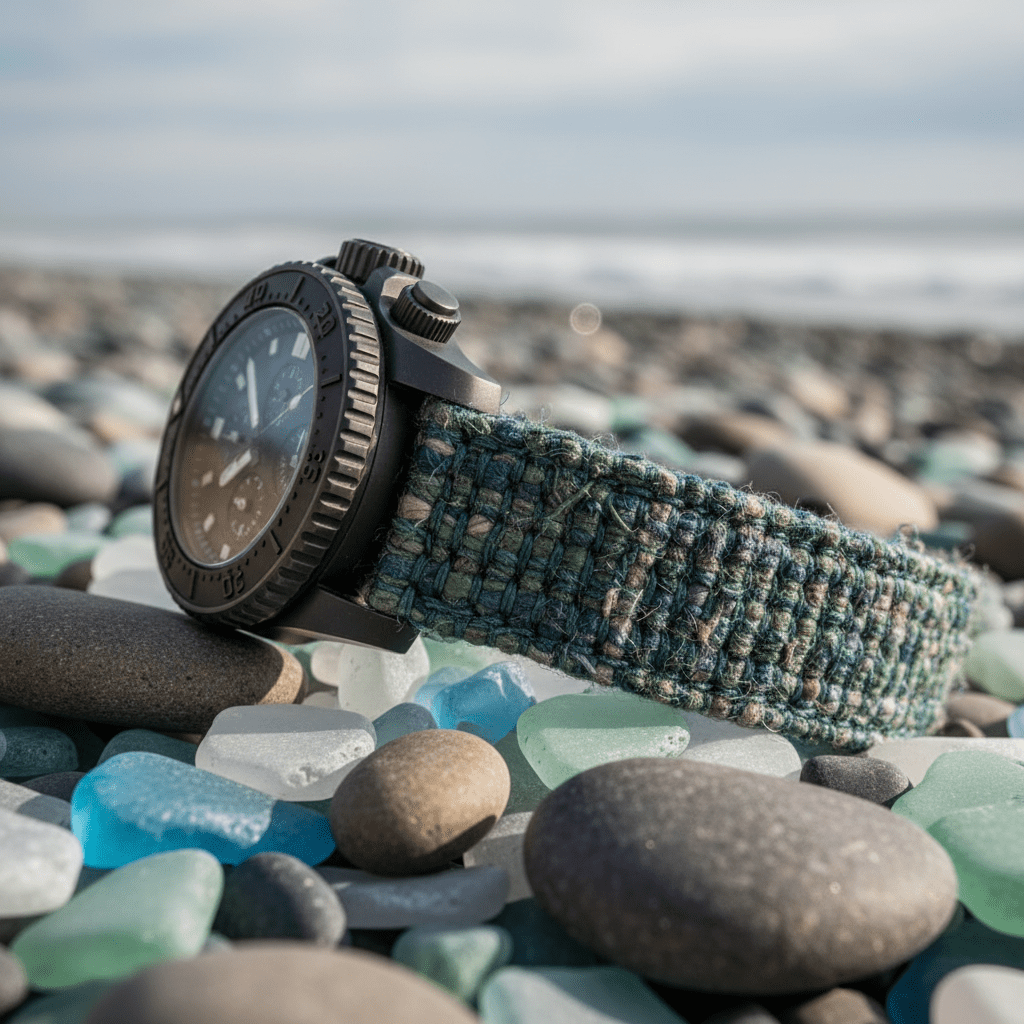
- Eradication of Waste: Brands are utilizing highly innovative materials. The Hublot Big Bang Unico Nespresso features straps woven from a combination of recycled polyester and discarded coffee grounds, while the Ulysse Nardin Diver Net utilizes upcycled fishing nets and carbon fiber.
- Endless Energy: Timepieces like the Tissot PRC 100 Solar utilize small solar panels hidden beneath the dial to convert artificial and natural light into electrical energy, eliminating toxic battery waste entirely.
- The Pre-Owned Boom: The pre-owned luxury market is expected to reach $30 billion, offering collectors access to rare, discontinued models while promoting a circular economy that outpaces the primary apparel market’s growth by 2.7 times.
- Guaranteed Authentication: Brands are protecting the pre-owned luxury market by bringing resale in-house. A staggering 53.8% of surveyed luxury companies now offer certified pre-owned and trade-in programs to guarantee authenticity for their clients.
- Philanthropic Impact: Buying sustainably often supports global conservation. Proceeds from the Oris Great Barrier Reef Limited Edition IV are directly contributed to the Reef Restoration Foundation’s coral tree planting initiatives.
Real-World Case Study: Breitling’s Digital Passport Revolution
To understand how modern technology is safeguarding the ancient art of high-end watch collecting, one must look at the groundbreaking initiative launched by Breitling. Counterfeiting has historically been the greatest threat to luxury watch prices in 2026, causing massive anxiety for collectors navigating the secondary market.
In response to this crisis, Breitling completely overhauled their authentication process. The brand announced that every single new watch they produce would come with a Blockchain-based digital passport. Secured by the Arianee technology protocol, this digital passport acts as an unforgeable digital certificate of authenticity. When a collector purchases a Breitling, they simply scan the QR code on their e-warranty card using a smartphone to claim cryptographic ownership of the watch. This system is a major milestone for high-end watch collecting security.
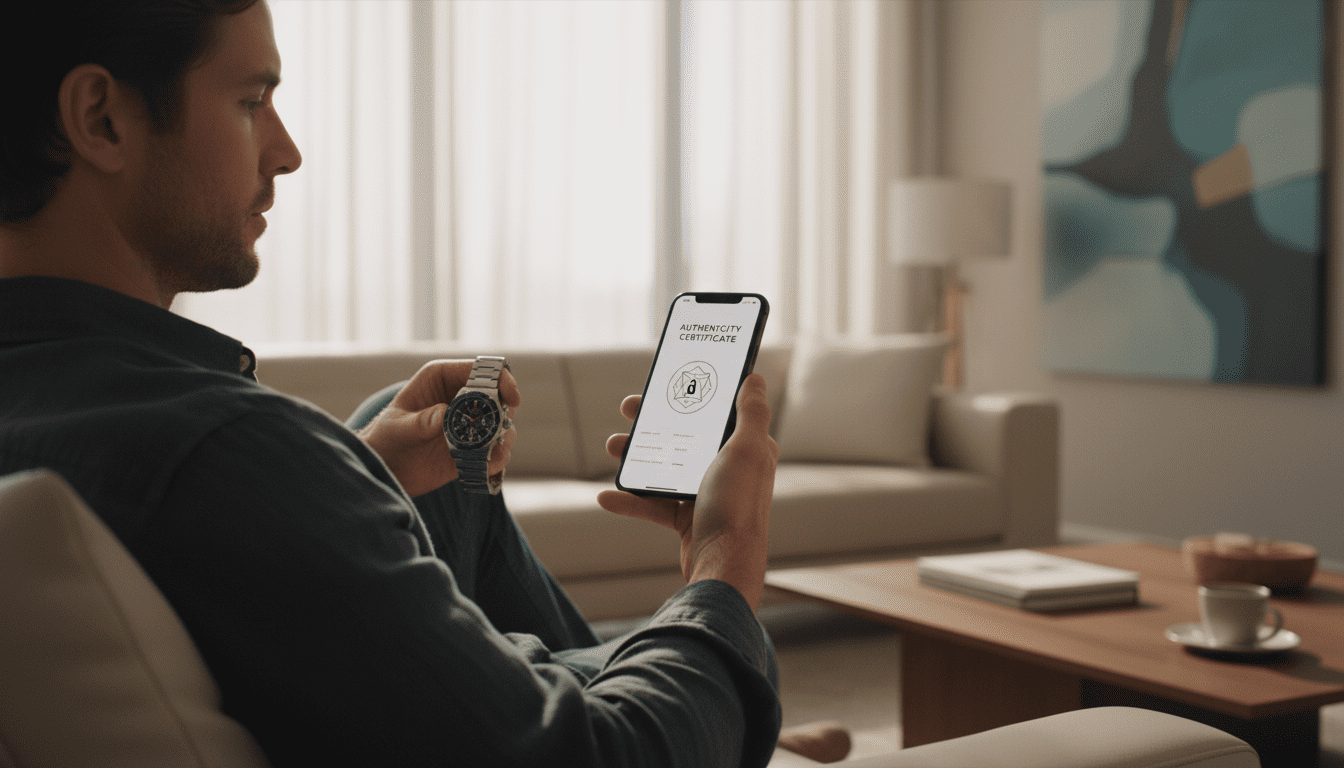
This digital passport ecosystem does more than just prove the watch is real; it creates a direct, secure, and permanent communication channel. It tracks the entire life cycle of the mechanical watch complications, logging service histories, repair records, and even insurance statuses. Crucially, if the collector decides to sell the piece on the pre-owned luxury market, they can securely transfer the digital passport to the new owner via a trade-in platform, instantly passing along the watch’s impeccable provenance while maintaining total anonymity. This real-world application proves that high-end watch collecting is successfully blending 18th-century mechanics with 21st-century digital security.
“The market is finding a balance after the hype years of 2020 to 2022. We are seeing a polarized market, which means the very expensive watches are doing well, but the cheaper luxury watches are struggling to find buyers.” — Kevin Ghassemi, WatchMaestro.
“Brands are fundamentally shifting their role from simple sellers to curators of the entire product lifecycle. The strategic challenge is to move beyond mere acknowledgment and structurally commit to end-to-end product responsibility.” — Deloitte Global Powers of Luxury 2026.
Data Table: Mapping Luxury Watch Prices in 2026
Navigating high-end watch collecting requires a clear understanding of financial entry points. Here is a breakdown of how different tiers are performing amidst the economic realities of 2026:
| Watch Segment | Featured Brands | 2026 Price Range (USD) | Market Dynamics & Investment Trends |
|---|---|---|---|
| Entry Level Luxury | Tudor, Omega | $3,000 to $8,000 | Pricing remains relatively stable, with slight ~5% increases purely to match inflation. |
| Mid-Tier Luxury | Rolex, IWC, Hublot | $9,000 to $33,000+ | Facing noticeable price hikes due to rising 24k gold costs and heavy US import tariffs. |
| Ultra-Luxury | Patek Philippe, Audemars Piguet | $50,000 to $535,000+ | Prices are highly disconnected from reality, driven entirely by artificial scarcity and elite exclusivity. |
| Independent Watchmakers | F.P. Journe, MB&F, Czapek | Varies Highly ($20k – $1M+) | Massive high-end watch collecting demand outpaces low production yields; strong secondary premiums. |
| Pre-Owned Luxury | Various Heritage Brands | Varies Highly | Approaching $30 billion globally; vintage pieces showing superior long-term ROI over traditional stocks. |
Unique Insight: The Emergence of Non-Fungible Watches (NFWs)
While the physical weight of a gold case and the intricate finishing of mechanical watch complications will always be the core of high-end watch collecting, a truly bizarre and fascinating trend is quietly emerging on the absolute fringes of horology: the Non-Fungible Watch (NFW).
Consider NFWs as the absolute final, entirely virtual frontier of watchmaking. Unlike Breitling or Bulgari using NFTs simply to authenticate a physical watch, an NFW is a purely digital watch that is not linked to a physical item in the real world at all. For example, Beyer Chronometrie, the world’s oldest watch store located in Zurich, launched one of the market’s first NFW collections named the Time Warp Collection. These digital-only watches are purchased and traded on platforms like OpenSea.
The psychology here is mind-bending. Where a traditional collector values the tactile craftsmanship of independent watchmakers, the owner of an NFW values digital scarcity, possessing a unique, cryptographic piece of art that can never be scratched, magnetized, or stolen. While purists may scoff at the concept, it proves that the desire to collect and showcase status is rapidly evolving to include digital ownership in a heavily virtualized world.
FAQs
Why are smaller case sizes dominating high-end watch collecting in 2026?
The industry is experiencing a profound shift toward subtle sophistication. Collectors are abandoning loud, oversized sports watches in favor of compact, classic case sizes ranging from 36mm to 39mm, as these dimensions offer superior wearability and timeless elegance that effortlessly transitions from formal to casual settings.
How are the new tariffs impacting luxury watch prices in 2026?
The United States has introduced heavy tariffs up to 39% on imported Swiss watches. Because brands must maintain their margins, they are passing these massive tax burdens directly onto the consumer, resulting in noticeably higher retail prices for mid-tier and ultra-luxury timepieces sold in the American market.
Who are the independent watchmakers, and why are they so popular in high-end watch collecting?
Independent watchmakers are highly skilled artisans and small brands that operate completely outside the control of massive corporate conglomerates like LVMH or the Swatch Group. Brands like F.P. Journe, MB&F, and Czapek & Cie. are incredibly popular because they produce extremely limited quantities of watches with daring, boundary-pushing designs and phenomenal hand-finishing that mass production simply cannot replicate.
What is a digital passport in the luxury watch industry?
A digital passport is an unforgeable digital certificate of authenticity stored on a blockchain network. Pioneered by brands like Breitling and Bulgari, it creates a “digital twin” of the physical watch, allowing owners to securely track service histories, prove ownership, and transfer the watch’s provenance seamlessly if they decide to sell it on the pre-owned luxury market.
Are extreme mechanical watch complications a wise choice for high-end watch collecting today?
Absolutely. In fact, they are the ultimate flex of horological prowess. Despite the accuracy of smartwatches, high-end collectors revere the micro-engineering required to build devices like the Vacheron Constantin Berkeley Grand Complication (featuring 63 distinct functions) or the Jaeger-LeCoultre Duometre Heliotourbillon, viewing them as kinetic masterpieces of human ingenuity.
Is the pre-owned luxury market a safe place for high-end watch collecting?
Yes, it is safer now than ever before. To combat counterfeiting, luxury brands are increasingly launching their own in-house certified pre-owned (CPO) programs and utilizing blockchain tracing. The pre-owned market is projected to reach $30 billion, offering a legitimate, sustainable way to acquire rare vintage pieces or bypass multi-year waiting lists for highly coveted modern releases.
What exactly are Non-Fungible Watches (NFWs)?
An NFW is a purely digital watch represented by a Non-Fungible Token (NFT) stored on a blockchain. Unlike digital passports that authenticate a physical watch, an NFW exists only in the digital realm (as a video, image, or 3D render) and is collected purely for its cryptographic scarcity and artistic value by enthusiasts engaged in virtual commerce.
Conclusion & CTA
The landscape of high-end watch collecting has never been more dynamic, complex, or utterly fascinating. We are moving away from an era defined by sheer excess and entering a refined epoch where subtle sophistication, heritage, and genuine mechanical mastery reign supreme. Whether it is marveling at the mind-bending mechanical watch complications crafted by independent watchmakers, navigating the economic fluctuations of luxury watch prices in 2026, or utilizing blockchain technology to ensure authenticity in a booming pre-owned luxury market, the modern collector is deeply educated and highly intentional. A luxury watch is no longer just a tool to tell the time; it is a profound piece of wearable art that tells the story of an evolving global culture.
Are you preparing to add a new piece to your high-end watch collecting journey, or are you looking to dive into the pre-owned market for the first time? Will you embrace the subtle elegance of a 36mm case, or are you drawn to the avant-garde designs of the independents? Share this comprehensive guide with your fellow horology enthusiasts, and let us know in the comments below: which independent watchmaker do you believe is producing the best timepieces in 2026?
Related Articles
● Nita Ambani Stuns in a Chic Black Ensemble
Sources: