Last Updated: 31 August 2026, 3:30 AM IST | Fact Checked By: SpotlightersPost Editorial Team
The The Uprising Andrew Garfield movie has unexpectedly become the centre of an international film-marketing debate after Focus Features promoted the historical drama with a connection to Robin Hood.
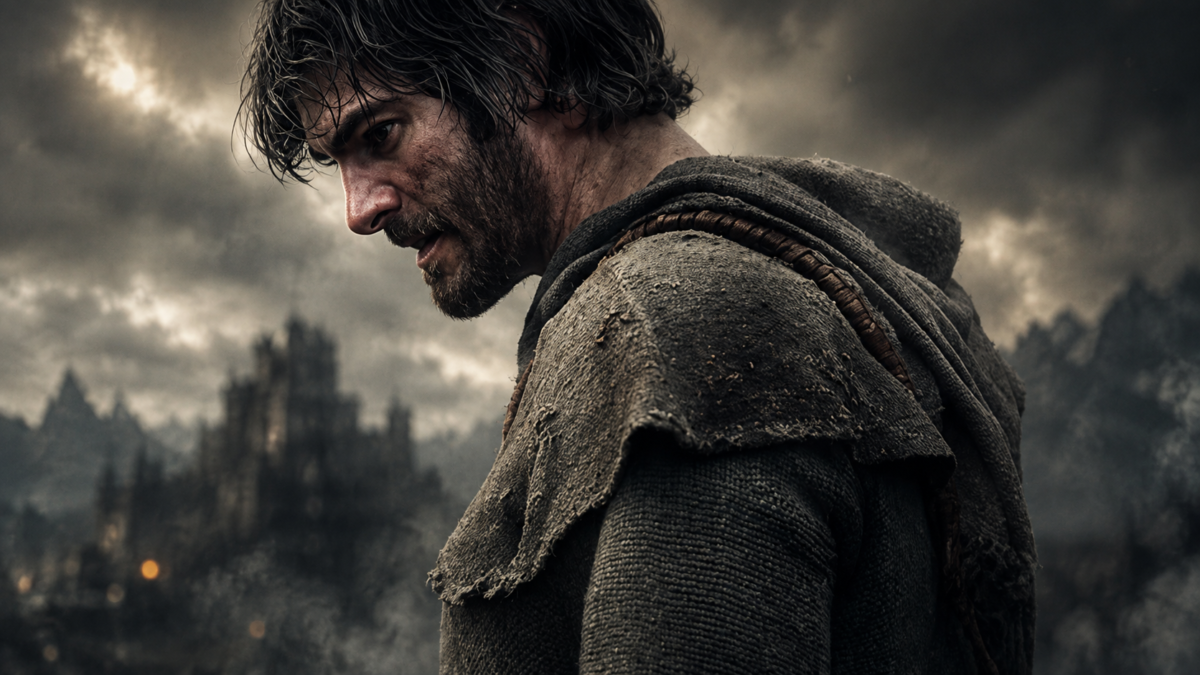
Directed by Paul Greengrass, the film was originally positioned as a realistic drama about England’s 1381 Peasants’ Revolt, with Andrew Garfield playing a medieval farmer caught in a major rebellion against taxes and feudal power.
However, late-August promotional material introduced an Andrew Garfield Robin Hood film angle that appeared to conflict with the film’s original historical positioning.
The situation became more complicated after UK and international distributors publicly distanced themselves from the Robin Hood connection, creating a debate around commercial marketing, historical accuracy and how The Uprising Andrew Garfield movie should actually be presented to audiences.
The Uprising Andrew Garfield Movie Gets a Robin Hood Marketing Twist
The unexpected Robin Hood branding attached to The Uprising Andrew Garfield movie caught film followers and historical-drama audiences by surprise.
Directed by Paul Greengrass, the story follows Andrew Garfield as a 14th-century farmer swept into the social unrest surrounding the 1381 Peasants’ Revolt.
The film is built around ordinary villagers challenging unfair taxation and the power of wealthy landowners.
Rather than presenting a fantasy adventure featuring the familiar outlaw of Sherwood Forest, the project was conceived as a grounded and gritty drama about medieval working-class rebellion.
That is why the sudden Robin Hood connection in US promotional materials created confusion.
Focus Features appeared to position the project as an Andrew Garfield Robin Hood film, potentially giving American audiences a more familiar entry point into the historical story.
However, the UK distribution team reportedly pushed back against that interpretation.
According to GamesRadar, the UK side clarified that the central character is an ordinary medieval farmer rather than the legendary outlaw.
The disagreement quickly turned the The Uprising Andrew Garfield movie into a wider discussion about how international distributors can market the same film in very different ways.
The debate also spread across online film communities, including discussions on Reddit.
The Uprising Peasants Revolt Movie vs. the Robin Hood Legend
At the centre of the confusion is the difference between the historical setting of the The Uprising Peasants Revolt movie and the traditional timeline associated with Robin Hood.
The film focuses on the Peasants’ Revolt of 1381, when groups of English commoners rebelled against taxation and wider feudal pressures.
Robin Hood folklore, however, has traditionally been associated with a much earlier period.
Many versions place the legendary outlaw around the late 12th century during the reign of King Richard I.
That creates a significant historical gap between the traditional Robin Hood setting and the rebellion portrayed in The Uprising Andrew Garfield movie.
Even so, there is an interesting literary connection between the two.
Piers Plowman Creates a Historical Bridge to Robin Hood
One reason the Robin Hood marketing connection is not completely random is the medieval poem Piers Plowman.
William Langland’s Piers Plowman was written during the late 14th century, around the same broad historical period as the Peasants’ Revolt.
The work contains one of the earliest known literary references to Robin Hood stories.
That suggests the outlaw figure was already circulating within popular culture and oral storytelling during the period surrounding the 1381 rebellion.
However, this does not automatically make The Uprising Andrew Garfield movie a Robin Hood origin story.
The literary connection is broader than the direct historical narrative being depicted in the film.
Using Robin Hood branding therefore simplifies a much more complicated relationship between medieval folklore and the real political rebellion at the centre of the story.
Why Focus Features Marketed The Uprising Andrew Garfield Movie Around Robin Hood
The debate surrounding The Uprising Andrew Garfield movie highlights a familiar problem in international movie distribution.
American distributors often need to market stories rooted in specific European historical events to audiences who may not already know that history.
Focus Features could therefore see Robin Hood as a more recognisable cultural reference than the 1381 Peasants’ Revolt.
From a purely commercial perspective, the logic is straightforward.
A historical drama about medieval taxation and class rebellion can be more difficult to communicate quickly in trailers and posters.
A Robin Hood reference immediately gives audiences a familiar image of rebellion against powerful rulers.
That marketing decision, however, created the current Focus Features distributor controversy because it risks changing audience expectations about what the film actually contains.
The Uprising Andrew Garfield Movie Faces a Marketing Risk
The biggest danger for The Uprising Andrew Garfield movie is that both possible audiences could receive the wrong impression.
Viewers expecting a fast-moving Robin Hood adventure may be disappointed if they instead encounter a serious historical drama about medieval class conflict.
At the same time, audiences interested in realistic history may avoid the movie if they believe it has been turned into a fictional Robin Hood origin story.
This creates a difficult marketing balance.
The Robin Hood connection may make the film easier to sell, but it could also hide the qualities that distinguish Paul Greengrass’s original approach.
Greengrass is known for realistic, urgent filmmaking in projects such as The Bourne Supremacy and Captain Phillips.
The Paul Greengrass medieval rebellion angle therefore has its own commercial identity, particularly for audiences who appreciate grounded historical and political drama.
US and UK Distributors Take Different Positions on The Uprising
The disagreement also reveals how differently the same movie can be positioned across international markets.
In the United States, familiar cultural branding can help distributors explain an unfamiliar historical event quickly.
In the UK, however, audiences may already have greater familiarity with the Peasants’ Revolt and the distinction between the rebellion and Robin Hood folklore.
That difference could explain why international marketing teams are taking different approaches to The Uprising Andrew Garfield movie.
The US strategy appears focused on recognisability.
The UK position appears more focused on protecting the historical identity of the film.
The result is a rare situation in which the marketing itself has become part of the entertainment story.
Andrew Garfield’s Role in The Uprising Peasants Revolt Movie
Andrew Garfield plays a medieval farmer caught inside the social and political upheaval of the 1381 rebellion.
That makes his character very different from the traditional Robin Hood image.
Instead of beginning as a legendary outlaw, he represents an ordinary person pushed into resistance by the conditions surrounding him.
This distinction is central to understanding The Uprising Andrew Garfield movie.
The dramatic power comes from showing how common people become involved in rebellion rather than beginning with an already-famous heroic figure.
That grounded perspective also fits the realistic style generally associated with director Paul Greengrass.
The Uprising Andrew Garfield Movie Arrives During His Career Break
Filming The Uprising Andrew Garfield movie came during a particularly busy period in Andrew Garfield’s career.
The actor had also worked on the romantic drama We Live in Time with Florence Pugh before discussing plans to take an extended break from acting.
In an interview referenced by The News International, Garfield explained that he wanted time away from the constant pace of film production.
His focus during the break reportedly includes simple routines such as swimming, resting and creating more space for reflection.
For Garfield, stepping away from acting appears to be about resetting rather than permanently leaving the industry.
Andrew Garfield Connects Personal Freedom With The Uprising
The themes surrounding The Uprising Andrew Garfield movie also connect with Garfield’s comments about his own career.
The film deals with people resisting systems that control their lives and seeking greater freedom.
Garfield’s decision to temporarily step away from an intense professional schedule creates an interesting personal parallel with those themes.
His break gives him an opportunity to reconsider how he wants to work and what kinds of projects he wants to pursue next.
Rather than continuously moving from one production to another, the actor appears focused on returning when he feels creatively and personally ready.
The Uprising Andrew Garfield Movie: Distribution & Historical Alignment Matrix
| Editorial Factor / Aspect | Historical Reality & Script Basis | Focus Features US Marketing | UK Distributor Position |
|---|---|---|---|
| Core Subject Matter | 1381 Peasants’ Revolt against taxation and feudal authority | Promoted with Robin Hood origin-story associations | Positioned as a historical 14th-century drama |
| Lead Character | Medieval farmer played by Andrew Garfield | Framed closer to a familiar outlaw archetype | Maintained as an ordinary peasant rebel |
| Directorial Vision | Paul Greengrass’s grounded historical approach | Uses stronger commercial action hooks | Closer to original historical positioning |
| Literary Connection | Medieval rebellion and period literature | Uses Robin Hood recognition connected with Piers Plowman | Separates folklore from the direct historical story |
| Target Audience | Historical-drama viewers | Mainstream American film audiences | UK and European historical-cinema audiences |
The Uprising Andrew Garfield Movie: Historical Timeline
| Period | Historical / Film Context |
|---|---|
| Late 12th Century | Traditional Robin Hood legends are commonly placed around the reign of Richard I |
| 1370s–1380s | Piers Plowman circulates with an early reference to Robin Hood stories |
| 1381 | Peasants’ Revolt takes place in England |
| 2026 | The Uprising becomes part of an international marketing debate |
| Late August 2026 | Robin Hood branding attracts attention around US promotional material |
Frequently Asked Questions
What is The Uprising Andrew Garfield movie about?
The Uprising Andrew Garfield movie is a historical drama centred on England’s 1381 Peasants’ Revolt. Andrew Garfield plays a medieval farmer caught up in a rebellion against taxation and feudal authority.
Is The Uprising actually a Robin Hood movie?
According to the supplied material, no. The Uprising Andrew Garfield movie is primarily about the 1381 Peasants’ Revolt rather than a traditional Robin Hood story, despite Robin Hood branding appearing in US marketing.
Why did US trailers connect The Uprising with Robin Hood?
US distributor Focus Features reportedly used Robin Hood branding to make the less familiar Peasants’ Revolt easier to recognise and market to American audiences.
What is the historical connection between Robin Hood and the Peasants’ Revolt?
Piers Plowman, written around the period of the 1381 rebellion, contains an early literary reference to Robin Hood. However, traditional Robin Hood folklore is generally associated with an earlier historical period.
What is The Uprising Peasants Revolt movie based on?
The The Uprising Peasants Revolt movie is based around the 1381 uprising in England, when ordinary people rebelled against taxation and feudal power.
Who directs The Uprising Andrew Garfield movie?
The film is directed by Paul Greengrass, known for movies including The Bourne Supremacy and Captain Phillips.
Who does Andrew Garfield play in The Uprising?
Andrew Garfield plays a 14th-century farmer who becomes caught up in the rebellion.
Why is there a Focus Features distributor controversy?
The Focus Features distributor controversy comes from the difference between US promotional material connecting the film with Robin Hood and international distributors reportedly maintaining that it is a historical Peasants’ Revolt drama.
Is Andrew Garfield taking a break from acting?
According to the supplied interview material, Garfield plans to take a break from acting after an intensive period of work so that he can rest and reset before choosing future projects.
The Uprising Andrew Garfield Movie: Historical Drama or Robin Hood Rebrand?
The The Uprising Andrew Garfield movie now carries two very different identities into its promotional campaign.
Paul Greengrass’s original film is positioned as a grounded story about the 1381 Peasants’ Revolt, with Andrew Garfield playing an ordinary farmer drawn into medieval political rebellion.
The US Robin Hood branding, however, gives the film a more immediately recognisable commercial identity.
That strategy may attract audiences unfamiliar with the Peasants’ Revolt, but it also risks creating expectations that the actual movie may not fulfil.
The disagreement between American and international marketing teams therefore raises a bigger question about historical filmmaking: how much should distributors simplify a real event to make it commercially accessible?
For now, The Uprising Andrew Garfield movie remains both a medieval rebellion drama and an unusual case study in how global film marketing can reshape the public identity of a movie before audiences even see it.