Guide to Sand Battery Energy Storage Technology
Everyone is talking about Sand Battery Energy Storage Technology as the ultimate solution for the green transition. This low-tech yet brilliant system allows us to store summer’s sun for winter’s chill. When you need heat later, blow air through the hot sand and pipe it to buildings.
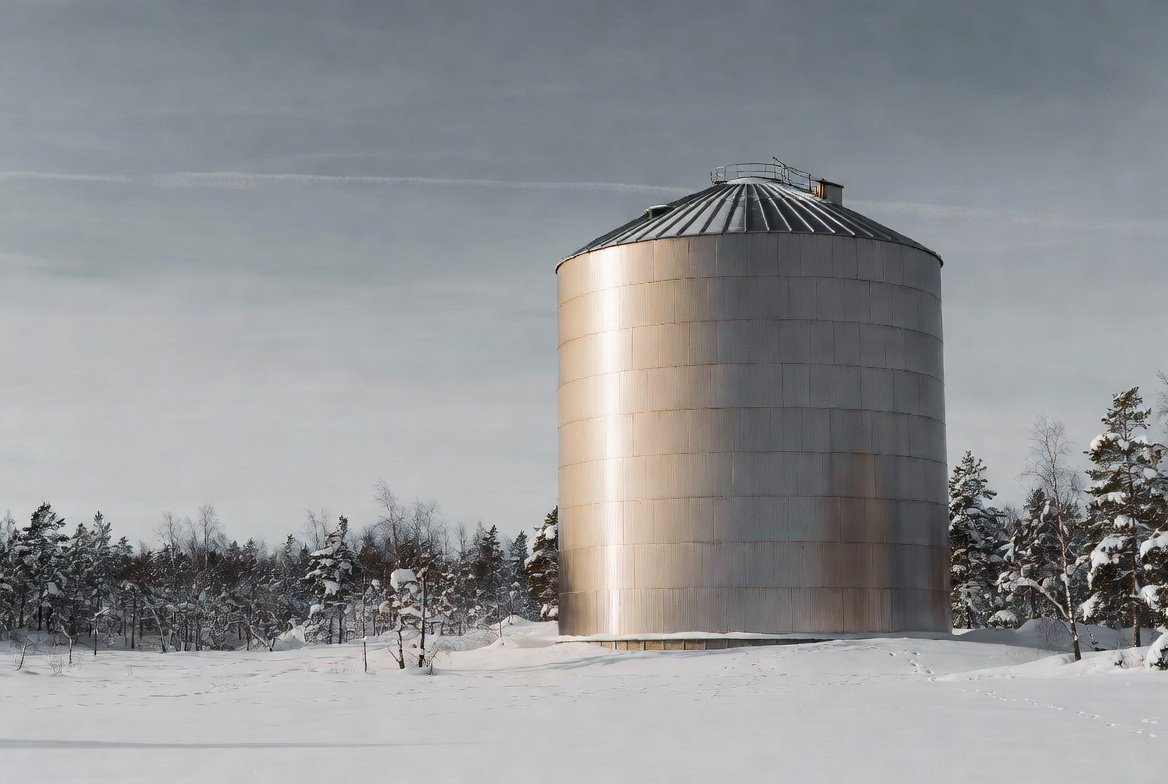
The first commercial one went live in Kankaanpää, Finland, in 2022, built by a company called Polar Night Energy. It’s a steel silo about four metres wide and seven metres tall, packed with roughly 100 tonnes of regular sand. Nothing exotic.

Why Sand Battery Energy Storage Technology is So Efficient
While the world seeks new ways to save power, Sand Battery Energy Storage Technology is proving that a simple silo of heated sand can solve the massive problem of seasonal energy storage.
Sand is cheap, available basically everywhere, brilliant at holding heat, doesn’t degrade over thousands of charge cycles, doesn’t need rare minerals, and won’t catch fire. Finland has loads of the stuff.
The problem sand batteries solve is seasonal storage, which is one of those challenges that sounds simple until you actually think it through. Solar panels make the most electricity in summer. Finland needs the most heating in winter. Lithium-ion batteries work great for short-term storage over hours or days, but trying to store enough electricity to bridge a six-month gap with chemical batteries is economically bonkers.
Sand flips the problem on its side. Converting electricity to heat is efficient and insulated sand holds that heat for months with minimal loss. Charge it during summer when you have surplus renewable electricity, draw the heat all through winter. Elegant in a way that the fanciest technology sometimes isn’t.
What About Efficiency?
For heating purposes, very good. The round-trip efficiency for storing heat and then delivering it as heat is something like 90 to 99 percent. Almost everything you put in comes back out.
For generating electricity from the stored heat? Terrible, honestly. The thermodynamic losses are huge when you try to convert heat back into electricity. But that’s fine because sand batteries aren’t designed to make electricity. They’re designed to make heat. In Finland heating is a giant chunk of total energy demand, so serving that with stored renewable heat instead of burning natural gas is the whole point.
The Future of Sand Battery Energy Storage Technology Globally
While the world seeks new ways to save power, Sand Battery Energy Storage Technology is proving that a simple silo of heated sand can solve the massive problem of seasonal energy storage.
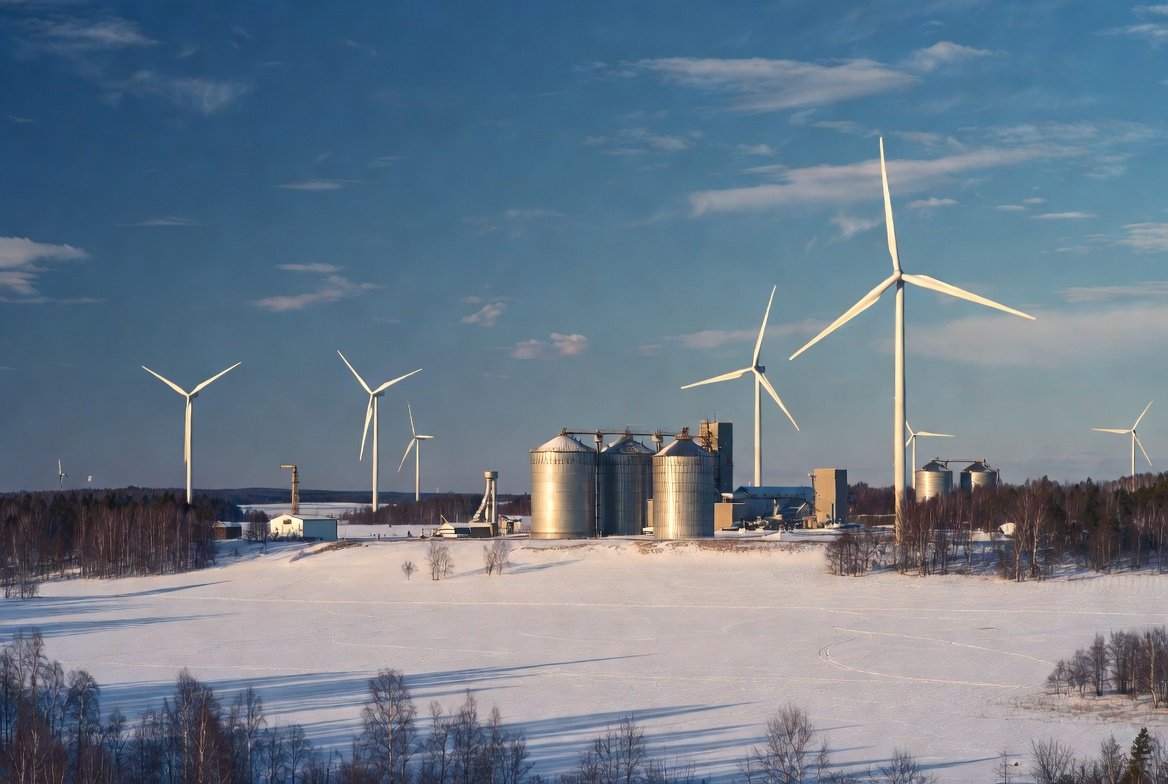
Polar Night Energy has built bigger installations since the original pilot. The concept works anywhere you have excess renewable electricity and significant heating needs. Northern Europe is the obvious sweet spot but industrial heat applications like food processing or chemical manufacturing could work in other climates too.
The limits are real though. Sand batteries only do heat. They don’t help with electricity grid balancing at all. And you need physical space for the silos, which isn’t always available.
Frequently Asked Questions
What is a sand battery?
An insulated container of sand heated by surplus renewable electricity. You draw the heat out later for building or industrial use.
How hot does the sand get?
Around 500 to 600°C in current installations.
How long can it store energy?
Months. The insulation keeps losses minimal over extended periods, which is what makes seasonal storage work.
Can it generate electricity?
Not efficiently, no. It’s built for heat delivery specifically.
Where are they being used?
Finland has the first commercial units. Interest is growing across Northern Europe and for industrial heat applications elsewhere.