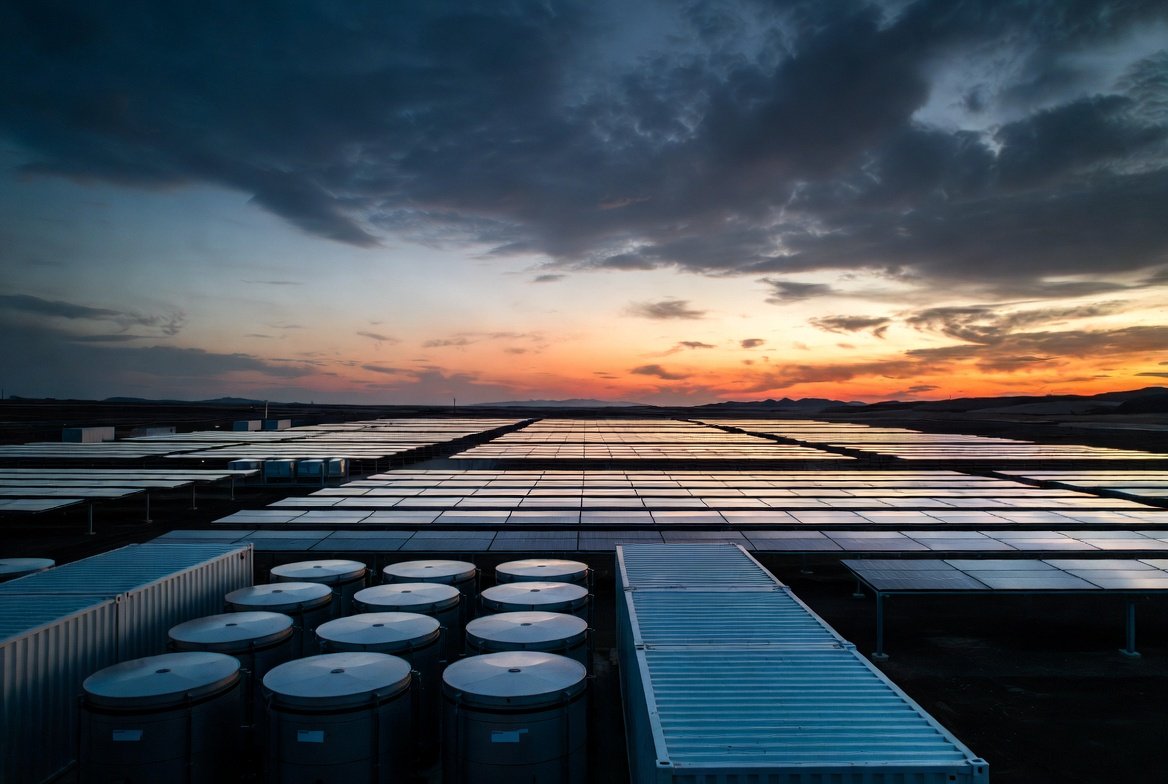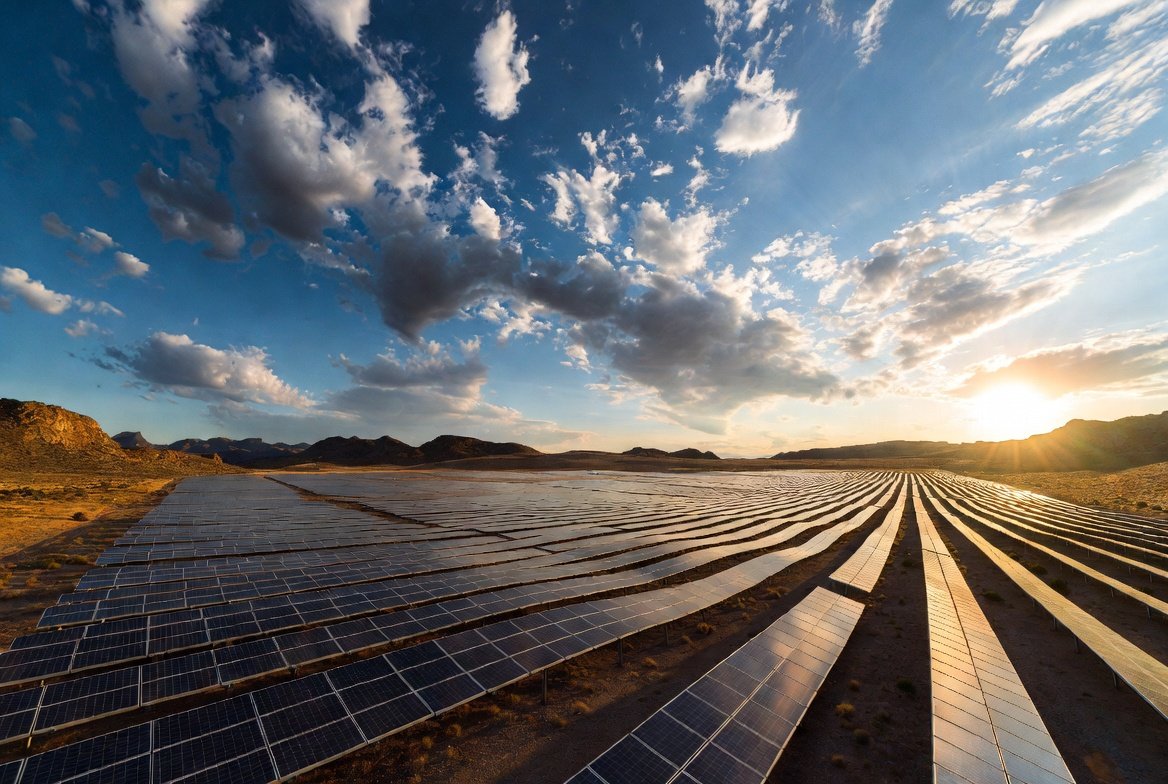
2026 Reality: Solar Power Cheapest Energy Source
In 2026, it is officially confirmed: Solar Power Cheapest Energy Source is no longer a future goal but a present-day reality. According to the IEA, solar PV now offers the lowest cost for new electricity generation globally.
In most of the world, yes it is. The International Energy Agency confirmed in their 2024 World Energy Outlook that solar PV is now the cheapest source of new electricity generation in most markets. Not projected to be in a decade. Right now, today.
The numbers are kind of staggering if you haven’t looked at them recently. The levelised cost of solar electricity has dropped over 90% since 2010. In sunny regions new solar installations produce power for around $20 to $30 per megawatt-hour. New coal plants come in at $65 to $150 per MWh. Gas is around $40 to $75. Even existing fossil fuel plants that are already built and paid for are increasingly more expensive to just run than building brand new solar from scratch.
That’s a massive economic shift in about 15 years and I don’t think most people have fully registered how significant it is.
Why Solar Power Cheapest Energy Source is So Affordable
As the world looks for sustainable solutions, Solar Power Cheapest Energy Source has finally become a reality in most global markets, offering a massive economic shift away from expensive fossil fuels.
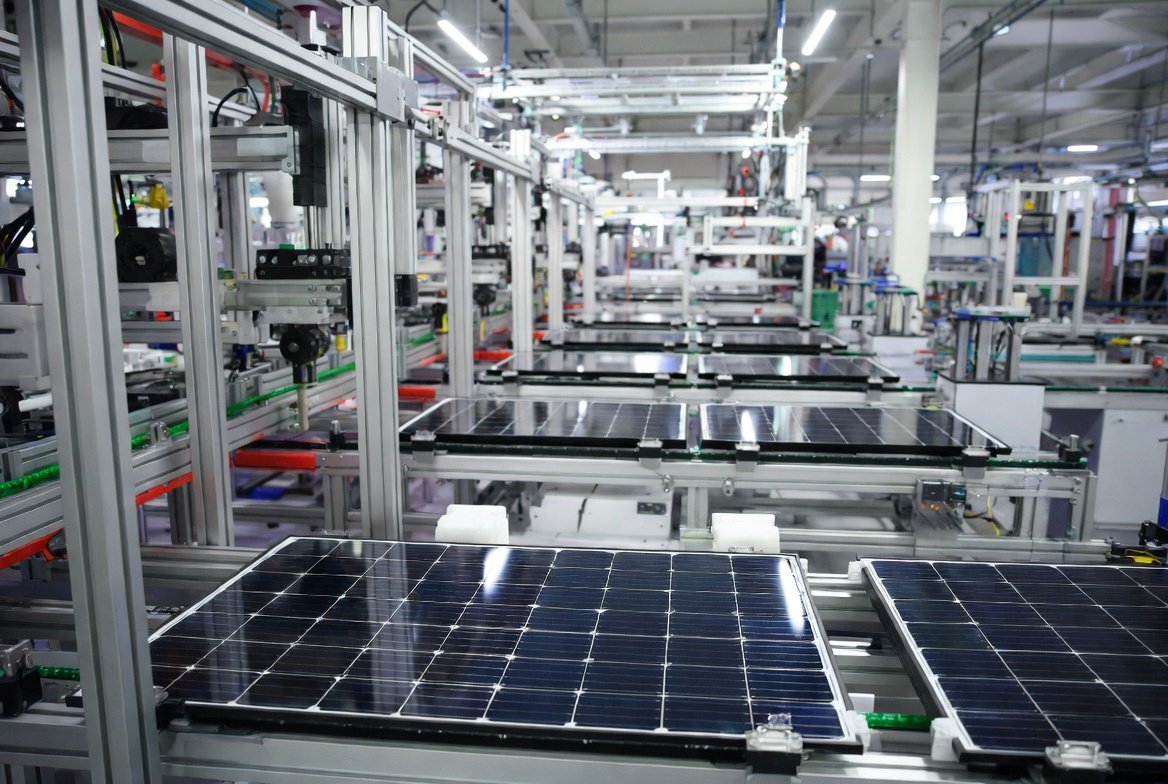
Manufacturing scale is the primary reason behind Solar Power Cheapest Energy Source status. Massive production in China has crushed costs, making it cheaper to build new solar than to run existing fossil fuel plants. China went all in on solar panel production starting around 2010. By 2024 Chinese manufacturers were producing over 80% of the world’s panels. That kind of scale just crushes costs in ways nobody in the industry had predicted.
Panel efficiency improved steadily too. Standard commercial panels now convert 22 to 24 percent of sunlight to electricity, up from about 15% in 2010. Better silicon processing, new cell architectures like PERC and now TOPCon, the technology keeps getting incrementally better.
Soft costs came down as well. Permitting got faster in a lot of places. Installation techniques got more standardised. Banks got comfortable with solar’s risk profile so financing got cheaper.
So We’ve Solved Clean Energy Then?
No, and anyone who says otherwise isn’t being honest. Solar’s fundamental limitation hasn’t changed, the sun doesn’t shine at night. Or on cloudy days. Or much at all during winter at high latitudes.
Cheap generation is only useful if you can store the electricity or move it to where people need it when they need it. Grid-scale battery storage is growing fast but still pricey for anything beyond a few hours. The grid infrastructure in many countries physically can’t handle all the solar being built. Curtailment, which is just throwing away perfectly good solar electricity because the grid is full, is already a real problem in California and parts of China.
So we solved the generation problem, mostly. Storage and transmission are the bottlenecks now.
Comparison of Solar Power Cheapest Energy Source vs fossil fuels
Countries Leading the Solar Power Cheapest Energy Source Race
As the world looks for sustainable solutions, Solar Power Cheapest Energy Source has finally become a reality in most global markets, offering a massive economic shift away from expensive fossil fuels.
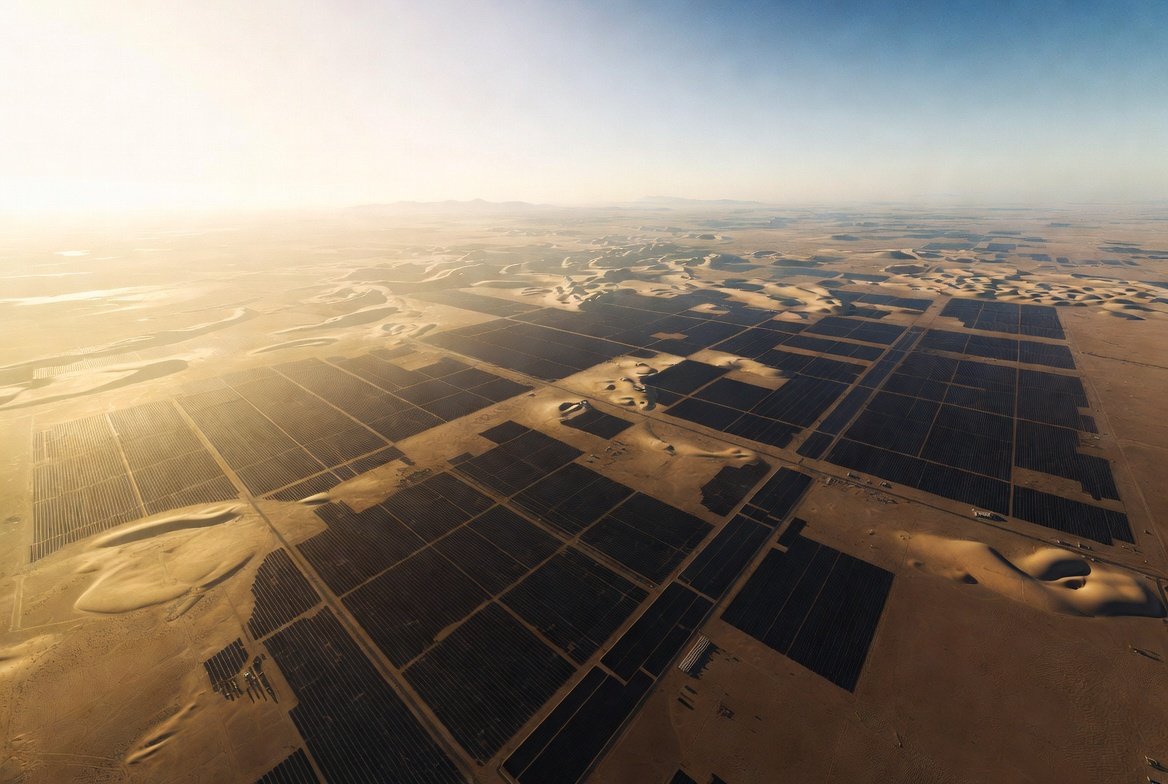
China installed more solar in 2024 alone than the entire world installed in 2022. Let that sink in. The US, India, Brazil, and parts of the Middle East are all scaling quickly. Europe’s growth slowed a bit because of grid connection backlogs, not because of lack of interest.
Frequently Asked Questions
Is solar really cheaper than fossil fuels?
For new electricity generation in most places, yes. The IEA and multiple independent analyses all say the same thing.
Why is it so cheap?
Massive manufacturing scale, mainly in China. Plus improved panel efficiency and lower financing costs.
What’s the biggest problem then?
Intermittency. Solar only works during daylight. We still need major investment in storage and grid infrastructure.
How efficient are the panels?
Commercial ones are at 22 to 24 percent now. Lab records are above 47% for experimental multi-junction cells.
Will it keep getting cheaper?
Probably, though the cost drops are slowing down. better storage rather than cheaper panels. This energy storage challenge is why innovations like Sand Battery Energy Storage Technology are becoming so critical for a 100% renewable future.