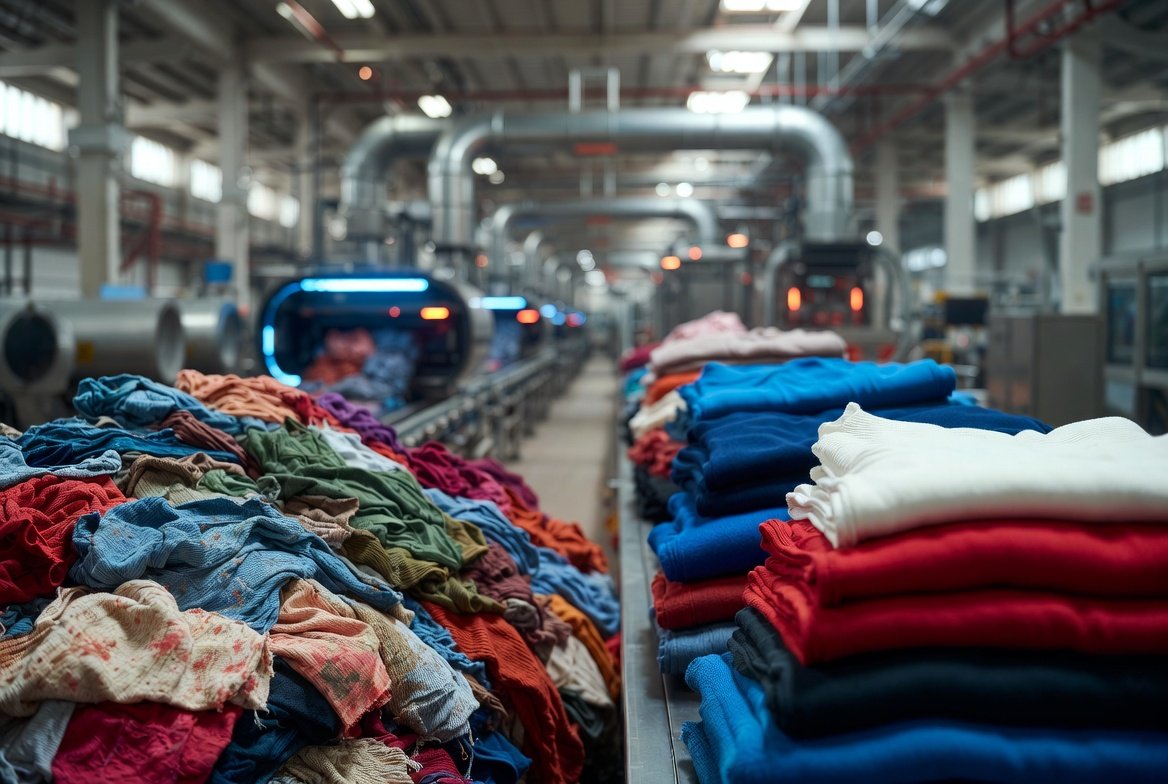
2026 Breakthrough: Textile Recycling Technology
The fashion world is finally seeing a shift with advanced Textile Recycling Technology. Turning a worn-out shirt into brand-new fabric is no longer a dream but a commercial reality in 2026. For decades textile recycling mostly meant shredding old clothes into insulation or industrial rags. Actually turning a worn-out cotton shirt back into new cotton fabric, which is called fibre-to-fibre recycling, was technically possible but nobody could make it work commercially.
That’s changing now. Several companies moved past the pilot stage into actual commercial production during 2025 and 2026.
which is called fibre-to-fibre recycling, was technically possible but nobody could make it work commercially until now, creating a sustainable future for fashion.
How Bad Is the Clothing Waste Problem?
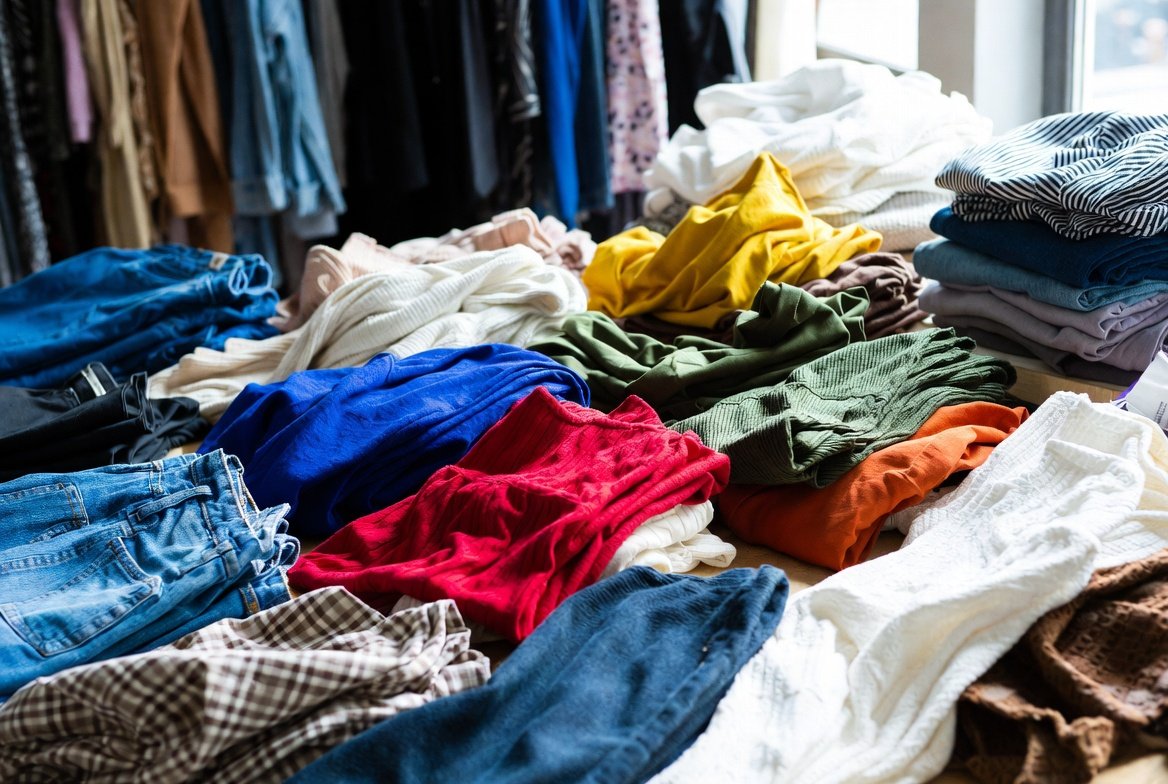
Pretty bad. The fashion industry produces something like 92 million tonnes of textile waste per year. Less than 1% gets recycled back into new clothing. The vast majority ends up in landfill or gets incinerated.
Fast fashion made everything worse. When you can buy a t-shirt for five dollars nobody bothers repairing it or reselling it. Global clothing production roughly doubled between 2000 and 2015 and the waste stream ballooned right alongside it.
Natural fibres like cotton at least biodegrade eventually. But synthetic fibres like polyester, which now make up the majority of clothing produced globally, are basically plastic. They’ll sit in a landfill for centuries.
Advanced Textile Recycling Technology 2026: The New Methods
While the world struggles with fashion waste, Textile Recycling Technology 2026 is finally providing a commercial way to turn old garments back into high-quality new clothing fibres.
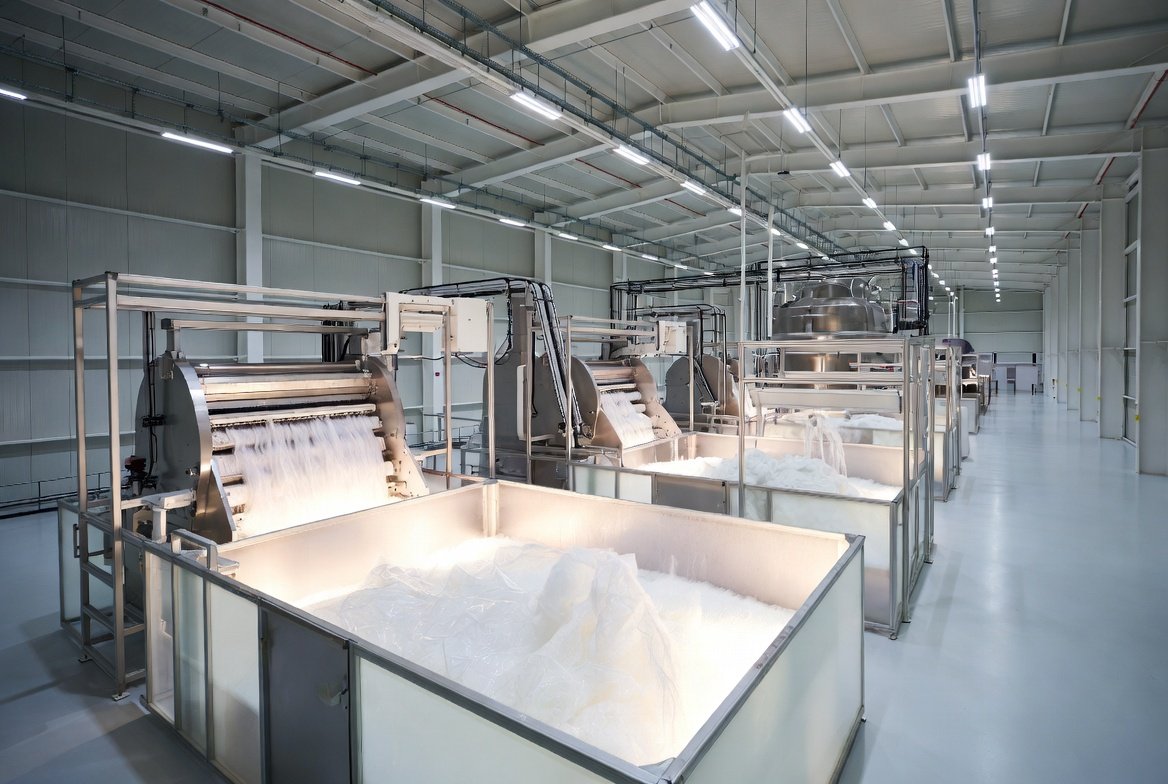
Three main approaches to Textile Recycling Technology are scaling up right now. These include improved mechanical, chemical, and the revolutionary enzymatic recycling methods.
Mechanical recycling got better. Machines shred fabric into fibres that get re-spun into yarn. The recycled fibres are shorter than virgin material so the yarn usually needs blending. Not perfect but it works and it’s the cheapest approach.
Chemical recycling takes a different route, dissolving textiles at the molecular level and rebuilding new fibres from the building blocks. Worn Again Technologies in the UK has a process for polyester-cotton blends which are notoriously hard to separate. Circ in the US does something similar.
Enzymatic recycling is maybe the most interesting to me. Carbios, a French company, developed an enzyme that breaks PET polyester down into its chemical components, and those components can be reassembled into polyester that’s identical to virgin material. Their first commercial-scale plant opened in 2025.
Scaling Textile Recycling Technology 2026 for Global Impact
While the world struggles with fashion waste, Textile Recycling Technology 2026 is finally providing a commercial way to turn old garments back into high-quality new clothing fibres.
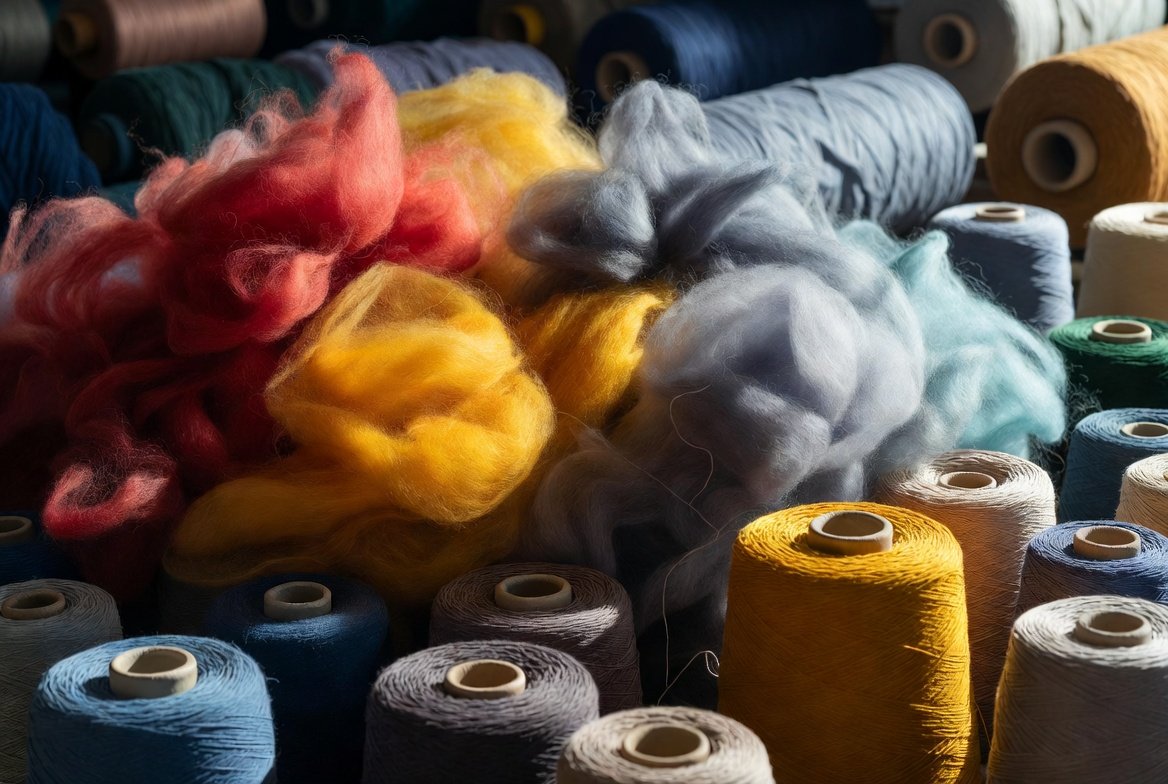
We’re at the early-commercial stage which is encouraging but also means the combined output of all these plants handles a tiny fraction of global textile waste. Scaling up will take years and a lot of money.
The economics are still tough too. Virgin polyester made from petroleum is cheaper than recycled polyester in most situations. That equation probably won’t change on its own, but EU textile waste regulations expected to tighten between 2026 and 2028 could shift things by making disposal more expensive.
Frequently Asked Questions
Can worn-out clothes really become new clothes?
Yes. Chemical and enzymatic methods can now produce fibres that match virgin quality. Mechanical recycling produces a lower grade but still functional result.
Why hasn’t this been done before?
The technology wasn’t commercially viable and virgin materials were too cheap for recycling to compete.
Which companies are furthest along?
Carbios for enzymatic PET recycling, Worn Again Technologies for polyester-cotton separation, Circ for chemical recycling.
Is recycled fabric as good as new?
From chemical and enzymatic processes, essentially yes. Mechanically recycled fibres are shorter and usually need to be blended.
What can I do as a consumer?
Buy less, buy better quality, donate or resell what you can.Look for brands that use certified recycled content. This sustainable innovation is as crucial as the transition to Solar Power Cheapest Energy Source—both are essential for a cleaner planet in 2026.