

We have all been there—staring down a dry, flavorless chicken breast or a bowl of watery dal, wondering if the path to fitness must always taste like cardboard. For years, the fitness industry has sold us a lie: that to look good, you must suffer through ‘clean’ eating that lacks soul. But what if you could have your butter masala and eat it too? The revolution of High-Protein Comfort Food is here to prove that ‘protein ko boring nahi, exciting banao’ (don’t make protein boring, make it exciting) is not just a catchy phrase, but a sustainable lifestyle choice that prioritizes flavor and nutrition simultaneously.
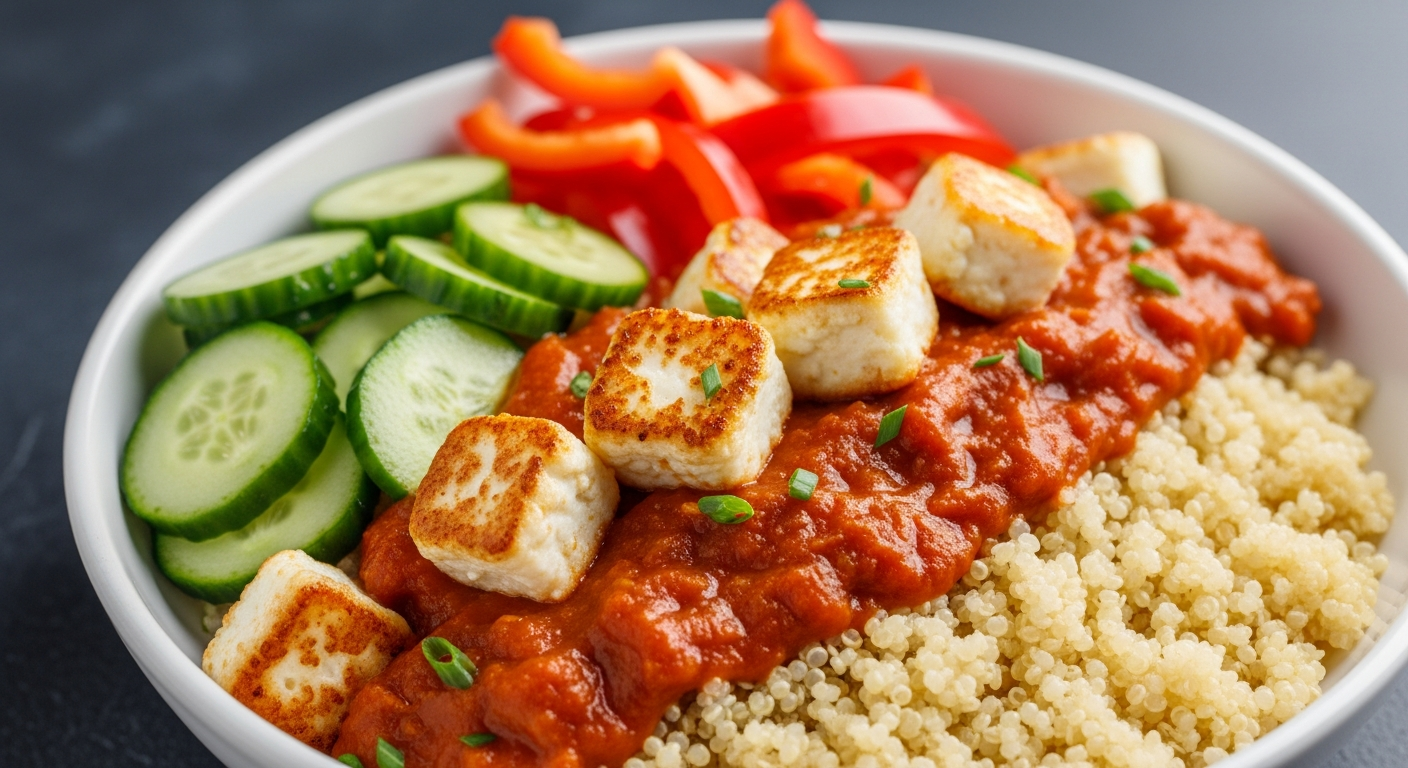
High-Protein Comfort Food is the strategic fusion of traditional, soul-satisfying recipes with modern macronutrient optimization techniques. By swapping calorie-dense fats for nutrient-dense proteins—such as using Greek yogurt instead of heavy cream or adding paneer cubes to fiber-rich lentils—you can create meals that trigger the same dopamine response as your favorite cheat meals while fueling muscle recovery and metabolic health. Essentially, it is about maintaining the ‘flavor profile’ of comfort food while shifting the ‘nutrient profile’ toward high-quality protein sources.
Disclaimer: This image has been generated using AI. All rights belong to the original owners. Unauthorized use or reproduction of this content is strictly prohibited.
TL;DR: Quick Summary
- Concept: Transforming classic comfort dishes into High-Protein Comfort Food powerhouses.
Key Benefit: High-Protein Comfort Food increases satiety, prevents muscle loss, and makes dieting psychologically sustainable. - Method: Use clever swaps like hung curd for cream, quinoa for rice, and lean protein additions.
- Key Benefit: Increases satiety, prevents muscle loss, and makes dieting psychologically sustainable.
- Must-Try: The High-Protein Paneer Butter Masala Bowl using a cottage cheese-based gravy.
What Exactly is High-Protein Comfort Food?
In the traditional sense, comfort food is often associated with high carbohydrates and high fats—think of the creamy texture of a Dal Makhani or the rich, oily gravy of a Chicken Tikka. These macro-friendly comfort meals deconstruct the classics. It keeps the aromatic spices (turmeric, cumin, garam masala) and the satisfying textures but replaces the ’empty’ calories with functional nutrition. For example, instead of a bowl of plain white rice with a side of gravy, we create a ‘Protein Bowl’ where the base is high-fiber and the protein is the star of the show.
The Who: Who is this for?
This approach is designed for the modern individual who refuses to choose between a six-pack and a delicious dinner. It is for the busy professional who needs meal-prep-friendly options that don’t taste like leftovers, the gym-goer who is tired of protein shakes, and the home cook who wants to nourish their family with protein-rich family favorites without sacrificing the heritage of Indian cuisine. If you have ever felt ‘diet fatigue,’ switching to High-Protein Comfort Food is your exit ramp.
The When: Timing Your Comfort
While these meals are balanced enough for any time of day, they shine as post-workout recovery meals. The combination of complex carbohydrates and high protein helps replenish glycogen stores while repairing muscle tissue. Additionally, eating high-protein comfort food for dinner is a proven strategy to prevent late-night snacking, as protein is the most satiating macronutrient, keeping you full until breakfast.
How to Build the Perfect High-Protein Comfort Bowl
Creating High-Protein Comfort Food isn’t about magic; it’s about smart substitutions. The goal of High-Protein Comfort Food is to maximize the ‘Protein-to-Calorie Ratio.’ Here is how you can transform any classic dish into high protein dinner recipes that actually support your fitness goals.
- The Base Swap: Replace white rice or refined flour naans with cauliflower rice, quinoa, or high-protein ‘Sattu’ rotis. This lowers the glycemic index and adds fiber.
- The Creaminess Factor: Instead of using heavy dairy cream or excessive butter, blend low-fat cottage cheese or Greek yogurt into your gravies. It provides the same velvety mouthfeel with a massive protein boost.
- The Double-Protein Strategy: Don’t just settle for one protein source. If you are making Dal Makhani, add 100g of sautéed paneer or tofu cubes into the mix. This turns a high-carb side dish into a balanced main meal.
- The Flavor Foundation: Use ‘Aromatics’ (ginger, garlic, onions) to build depth. Since you are reducing fat, you need these spices to carry the flavor profile.
- The Volume Hack: Add non-starchy vegetables like spinach, bell peppers, or zucchini to the gravy. This increases the volume of the meal, allowing you to eat a larger portion for fewer calories.
Benefits of Making Protein Exciting
When you stop viewing protein as a chore and start viewing it as a culinary canvas for your muscle-building recipes, several physiological and psychological benefits emerge:
- Increased Thermic Effect of Food (TEF): Protein requires more energy to digest than fats or carbs, meaning you burn more calories just by eating it.
- Sustainable Weight Loss: By eating foods you actually enjoy (like a Chicken Tikka Protein Bowl), you are 80% less likely to binge on junk food later.
- Blood Sugar Regulation: High-protein meals prevent the insulin spikes and crashes associated with high-carb comfort foods, leading to steady energy levels throughout the day.
- Muscle Sparing: During a calorie deficit, eating High-Protein Comfort Food ensures that the weight you lose comes from body fat, not precious muscle tissue.
Step-by-Step Guide: The Ultimate High-Protein Paneer Butter Masala Bowl
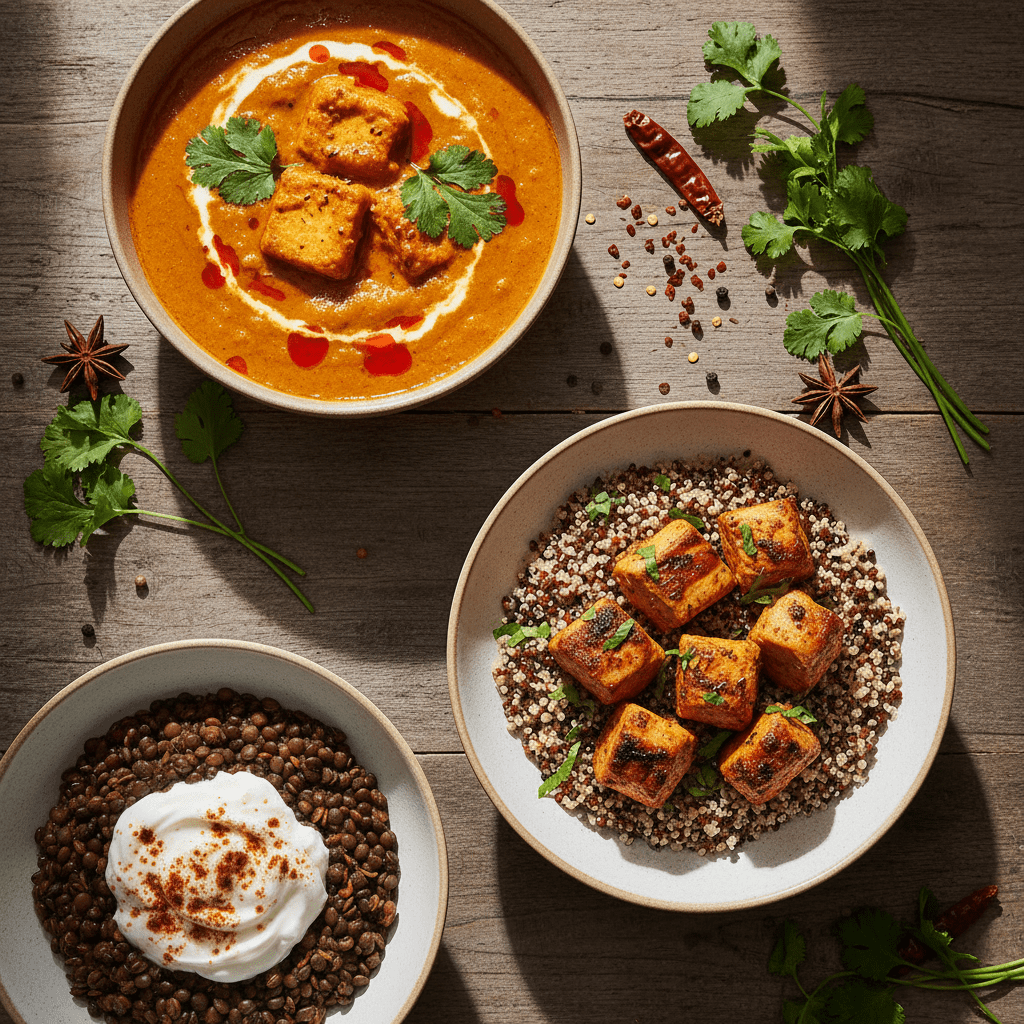
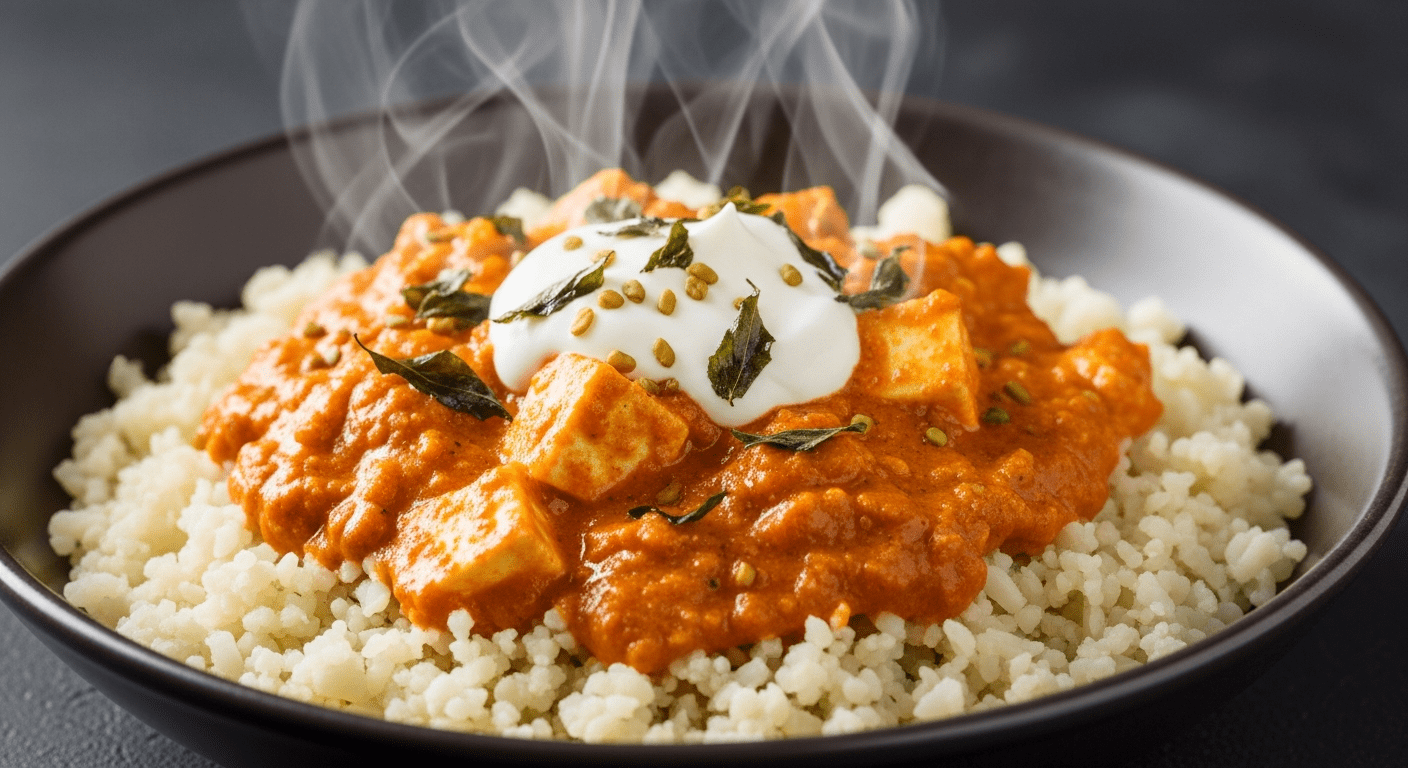
This recipe is the gold standard of high-protein comfort food. It tastes identical to the restaurant version but packs nearly 45g of protein per serving.
Disclaimer: This image has been generated using AI. All rights belong to the original owners. Unauthorized use or reproduction of this content is strictly prohibited.
Ingredients:
- 200g Low-fat Paneer (cubed)
- 1 cup Greek Yogurt or Hung Curd
- 2 large Tomatoes (pureed)
- 1 tbsp Ginger-Garlic paste
- Spices: Kashmiri Mirch, Garam Masala, Kasuri Methi
- Base: 50g Quinoa or Cauliflower Rice
Instructions:
- The Marinade: Lightly coat the paneer cubes in a mix of turmeric and salt. Air-fry or pan-sear them for 3 minutes until the edges are golden. This locks in moisture without needing deep frying.
- The Gravy Base: In a non-stick pan, sauté the ginger-garlic paste. Add the tomato puree and cook until the raw smell disappears.
- The Protein Hack: Instead of cream, whisk the Greek yogurt with a pinch of cornstarch (to prevent curdling) and fold it into the tomato base on low heat. Stir continuously until it turns into a rich, orange sauce.
- The Finishing Touch: Add the paneer cubes and a generous amount of Kasuri Methi (dried fenugreek). The aroma will mimic the traditional butter masala perfectly.
- Assembly: Place the quinoa in a bowl, pour the high-protein gravy over it, and garnish with fresh coriander.
Real-World Case Study: Rohan’s 12-Week Transformation
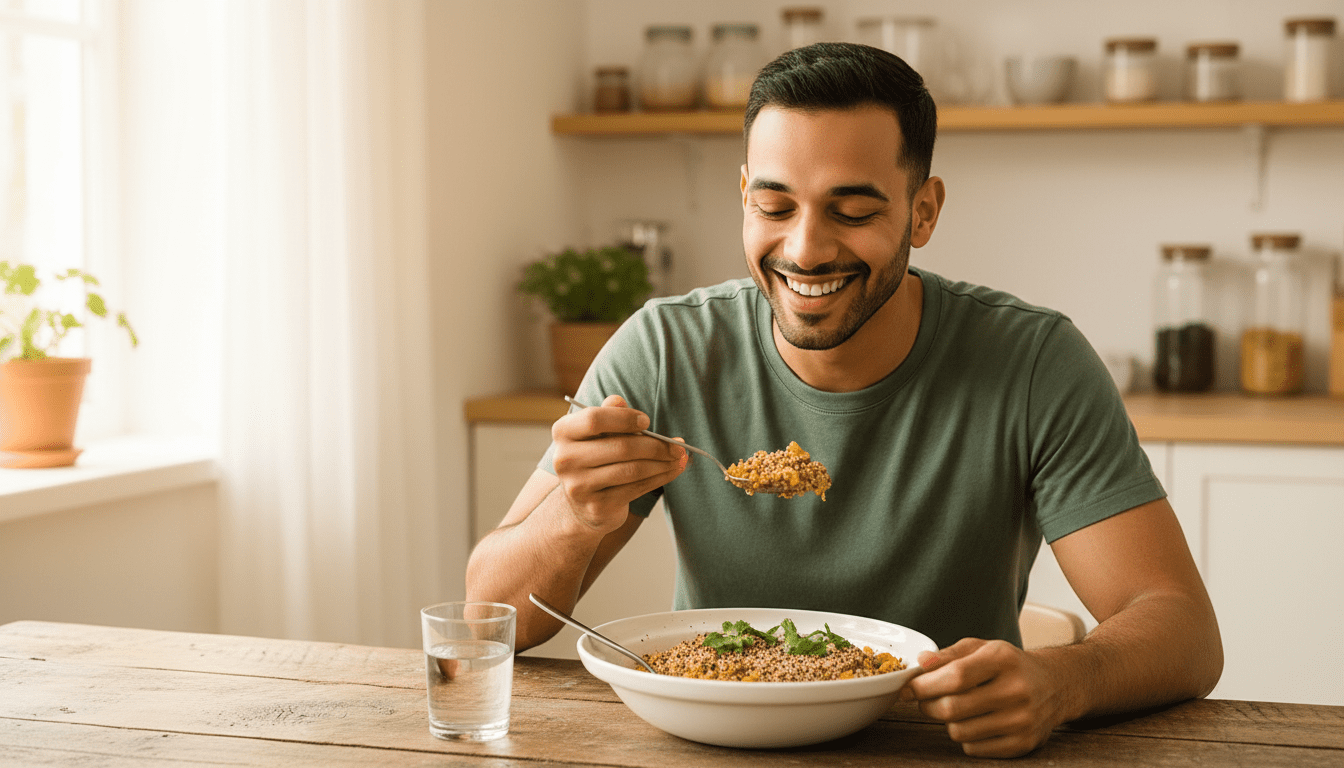
Rohan, a 32-year-old software engineer, struggled with ‘yo-yo dieting.’ He would eat boiled chicken and broccoli for five days, then binge on Butter Chicken and Naan over the weekend, erasing all his progress. We shifted his strategy to ‘High-Protein Comfort Food.’ Instead of depriving him, we gave him a menu featuring Chicken Tikka Protein Bowls and Dal Makhani with added Soya granules.
The Result: Rohan lost 8kg of body fat in 12 weeks while increasing his bench press by 15kg. More importantly, his relationship with food changed. He no longer felt ‘restricted’ because his daily meals felt like ‘cheat meals.’ His adherence rate went from 40% to 95% because he actually looked forward to his dinner.
Disclaimer: This image has been generated using AI. All rights belong to the original owners. Unauthorized use or reproduction of this content is strictly prohibited.
Expert Insights on Nutritional Balance
“The biggest mistake people make is thinking that flavor and fitness are mutually exclusive. When you add protein to comfort foods, you aren’t just building muscle; you are bio-hacking your brain to stay consistent with your diet.” — Dr. Anjali Malhotra, Sports Nutritionist
“Indian spices are naturally medicinal. When you combine them with high-quality protein sources like Paneer or Chicken, you create a thermogenic powerhouse that tastes like home.” — Chef Vikram Seth, Specialist in Fusion Nutrition
Nutritional Comparison: Traditional vs. High-Protein Optimized
| Dish Name | Traditional Calories | Traditional Protein | Optimized Calories | Optimized Protein | Primary Swap |
|---|---|---|---|---|---|
| Paneer Butter Masala | 650 kcal | 12g | 380 kcal | 38g | Cream to Greek Yogurt |
| Dal Makhani | 480 kcal | 14g | 310 kcal | 26g | Butter to Soya/Paneer |
| Chicken Tikka Bowl | 750 kcal | 30g | 450 kcal | 55g | White Rice to Quinoa |
| Rajma Chawal | 550 kcal | 15g | 400 kcal | 28g | Rice to Cauliflower Mix |
| Butter Chicken | 800 kcal | 28g | 420 kcal | 50g | Cashews to Tofu Puree |
The Unique Insight: The “Flavor-First” Psychology
Most nutritional advice focuses on the ‘What’ (eat this, not that). However, the ‘Why’ is often ignored. Humans are hard-wired to seek comfort in food, especially during stressful times. By creating high-protein versions of comfort food, we satisfy the limbic system (the emotional brain) while meeting the needs of the somatic system (the physical body). This ‘Flavor-First’ approach reduces the production of cortisol (the stress hormone), which is often elevated during strict dieting. Lower cortisol levels mean less water retention and better fat oxidation. In short: being happy with your food actually makes you leaner.
🎥 Multimedia Section
[Video Placeholder: Watch how to make the 5-Minute High-Protein Dal Makhani Bowl]
In this video, we break down the technique of ‘Velvetting’ protein and how to use a blender to create creamy textures without using a single gram of heavy cream.
Frequently Asked Questions (FAQs)
1. Can I really lose weight eating High-Protein Comfort Food?
Yes, provided it is the high-protein version. By replacing heavy cream with Greek yogurt and controlling the oil, you reduce the calorie density while increasing the protein, which keeps you full and protects your metabolism.
2. Is cottage cheese the same as Paneer?
While similar, Paneer is a non-melting acid-set cheese common in South Asia, whereas Western cottage cheese has more moisture and a curd-like texture. For these recipes, low-fat paneer is usually preferred for its texture, but blended cottage cheese makes an excellent high-protein cream substitute.
3. How do I make Dal Makhani high protein?
Traditional Dal Makhani is mostly carbs and fats. To make it high protein, add a secondary protein source like extra-firm tofu cubes, sautéed paneer, or even unflavored whey protein stirred in at the very end (after the heat is turned off).
4. Can vegetarians get enough High-Protein Comfort Food options?
Absolutely. By using combinations of lentils, paneer, Greek yogurt, and hemp seeds, vegetarians can easily hit 30-40g of protein per meal without relying on supplements.
5. Is it okay to eat these meals for dinner?
Yes, eating high-protein comfort food for dinner is actually beneficial. It provides a slow release of amino acids throughout the night, which aids in muscle repair while you sleep.
6. What is the best rice substitute for protein bowls?
Quinoa is the best overall substitute due to its complete amino acid profile. However, for a lower-calorie option, cauliflower rice mixed with a little bit of brown rice provides great texture and volume.
7. Can I meal prep these bowls?
These are perfect for meal prep. Gravy-based dishes like Butter Masala or Tikka actually taste better the next day as the spices have more time to marinate with the protein.
Conclusion: Your Journey to Flavorful Fitness
The days of choosing between your fitness goals and your favorite flavors are officially over. High-Protein Comfort Food is more than just a diet hack; it is a way to honor your cultural cravings while respecting your body’s nutritional needs. By mastering a few simple swaps—like using Greek yogurt for cream or quinoa for rice—you can transform every meal into a muscle-building masterpiece. Remember, the most effective diet is the one you can stick to, and nobody ever quit a diet that included a delicious Paneer Butter Masala Bowl. Start today, experiment with your favorite spices, and make your protein journey truly exciting.
Sources
- Journal of Nutrition and Metabolism: The Satiety Index of Common Foods.
- International Society of Sports Nutrition: Protein and Exercise position stand.
- Harvard Health: The Psychology of Comfort Food and Stress.
Related Articles
If you want to explore more about upcoming movies and release updates, check out these related articles: