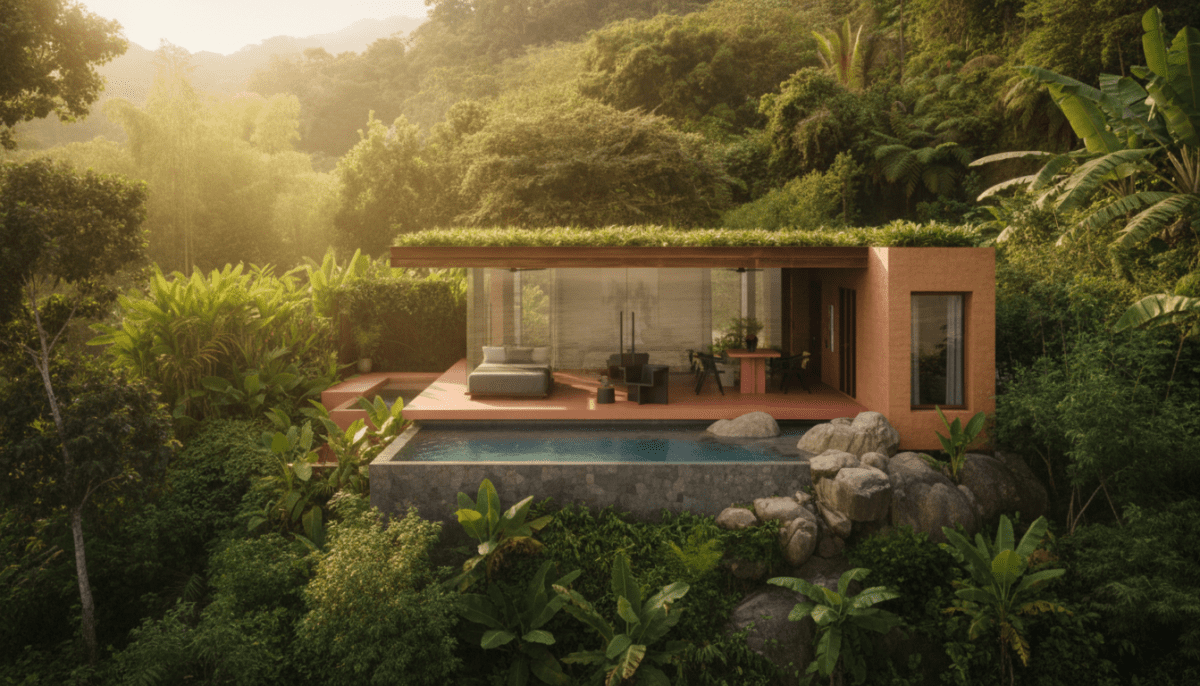


TL;DR: Sustainable Natural Material Architecture is the 2026 global and Indian design movement that uses only natural, locally-sourced materials like wood, stone, clay, bamboo, and recycled elements to create climate-resilient, energy-efficient, and deeply nature-integrated homes. It replaces concrete and steel with breathable, biodegradable materials that lower carbon footprint while delivering timeless beauty and comfort.
Sustainable Natural Material Architecture is rapidly becoming the most sought-after trend in luxury and conscious home design in 2026. Instead of glass-and-steel boxes that fight the climate, these homes work in harmony with nature — using earth, wood, stone, and recycled waste to build structures that are healthier for people and the planet.
What is Sustainable Natural Material Architecture? (Definition)
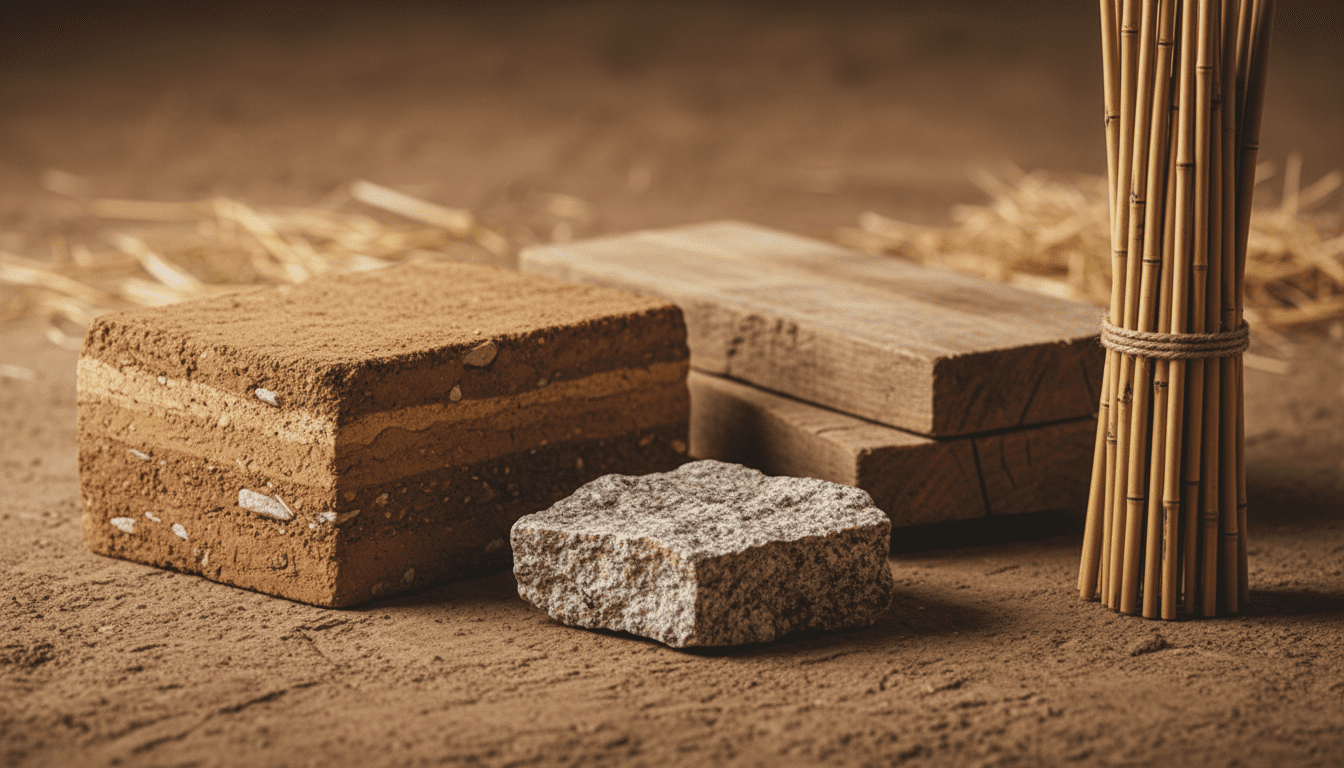
Sustainable Natural Material Architecture is a design philosophy that prioritises locally available, renewable, and low-embodied-energy eco-friendly construction materials. The core materials include:
- Wood (timber, bamboo, reclaimed wood)
- Stone (local sandstone, granite, laterite)
- Clay & Earth (rammed earth, adobe, cob, terracotta)
- Recycled & Upcycled Materials (reclaimed bricks, steel, glass, coconut coir, hemp)
These homes are designed to be carbon-negative or carbon-neutral, highly energy-efficient, and completely integrated with the surrounding landscape using low-impact building design. The goal is not just to reduce environmental impact but to create spaces that feel alive and connected to nature.
Bold insight: In 2026, this is no longer a “green” niche — it is mainstream luxury. Buyers in India are now paying 20-40% premium for homes built with natural materials because they offer better thermal comfort, lower energy bills, and superior indoor air quality.
Disclaimer: This image has been generated using AI. All rights belong to the original owners. Unauthorized use or reproduction of this content is strictly prohibited.
How Does Sustainable Natural Material Architecture Work?
The process is simple yet highly technical, often employing carbon-neutral building techniques to minimize environmental footprints:
- Site-specific design — The building is oriented according to local climate, wind direction, and sun path.
- Local material sourcing — 70-90% of materials come from within 100-200 km radius to reduce transport emissions.
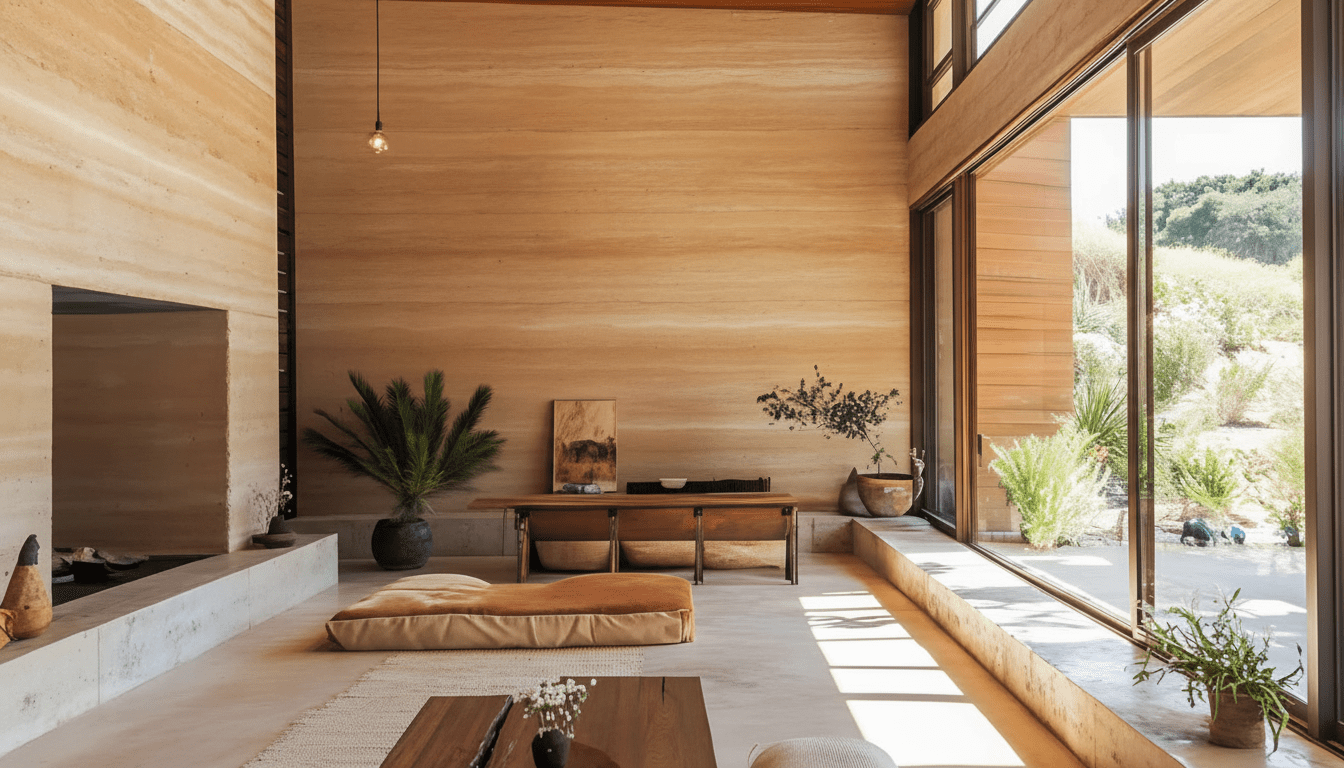
- Breathable construction — Walls made of rammed earth or cob naturally regulate temperature and humidity without AC.
- Passive cooling & heating — Courtyards, jaali screens, thick stone walls, and green roofs keep homes cool in summer and warm in winter.
- Zero-waste approach — Every scrap of wood, stone, or earth is reused or returned to the soil.
Modern technology is blended intelligently — solar panels are hidden in clay-tiled roofs, and smart sensors monitor indoor air quality without compromising the natural aesthetic.
Disclaimer: This image has been generated using AI. All rights belong to the original owners. Unauthorized use or reproduction of this content is strictly prohibited.
Benefits of Sustainable Natural Material Architecture
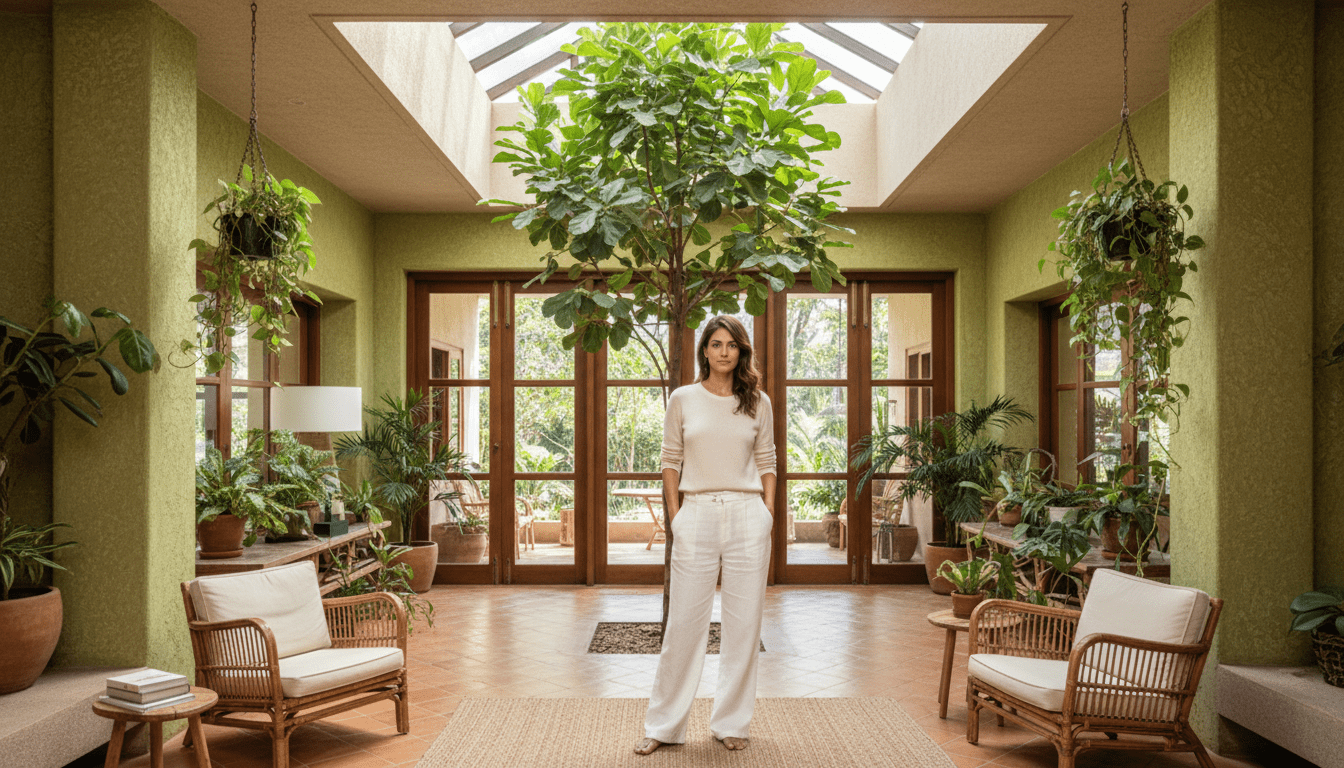
By integrating biophilic architecture, these homes foster a stronger connection between residents and the natural world, leading to improved well-being.
- Climate resilience — These homes withstand extreme heat, heavy rains, and earthquakes better than conventional concrete structures.
- Healthier living — No toxic VOCs from paints or synthetic materials; superior indoor air quality.
- Lower lifetime cost — 30-50% reduction in energy and maintenance bills.
- Carbon sequestration — Wood and bamboo actually store carbon for decades.
- Timeless beauty — The patina of natural materials only improves with age, unlike concrete that cracks and fades.
- Biodiversity support — Green roofs and natural landscaping create micro-habitats for birds and insects.
Key insight: In a country like India facing extreme heatwaves and water scarcity, sustainable natural material homes are not optional — they are the most practical and luxurious choice for the future.
Disclaimer: This image has been generated using AI. All rights belong to the original owners. Unauthorized use or reproduction of this content is strictly prohibited.
Step-by-Step Guide to Building a Sustainable Natural Material Home
- Choose the right site — South-facing slope with good natural drainage and local material availability.
- Hire a specialist architect — Look for firms experienced in rammed earth, bamboo, or earth-bag construction.
- Source materials locally — Partner with regional quarries, bamboo growers, and recycled material suppliers.
- Design for passive systems — Incorporate courtyards, cross-ventilation, and thermal mass.
- Select certified natural finishes — Use lime plaster, natural oils, and clay-based paints.
- Get green certification — Aim for IGBC, GRIHA, or EarthCraft certification for higher resale value.
Real Example: Nature-Integrated Homes in India
In Auroville (Tamil Nadu) and the foothills of Himachal and Uttarakhand, several award-winning projects showcase this trend. One standout 2025 project near Coimbatore used 100% rammed earth and reclaimed wood, achieving net-zero energy status while blending seamlessly into the surrounding forest. In Mumbai’s Alibaug, luxury villas now feature entire walls made of local laterite stone and coconut-shell composites. Homeowners report 40% lower electricity bills and a constant feeling of being “inside a forest even when indoors.”
Check real projects on ArchDaily and the Indian Green Building Council website.
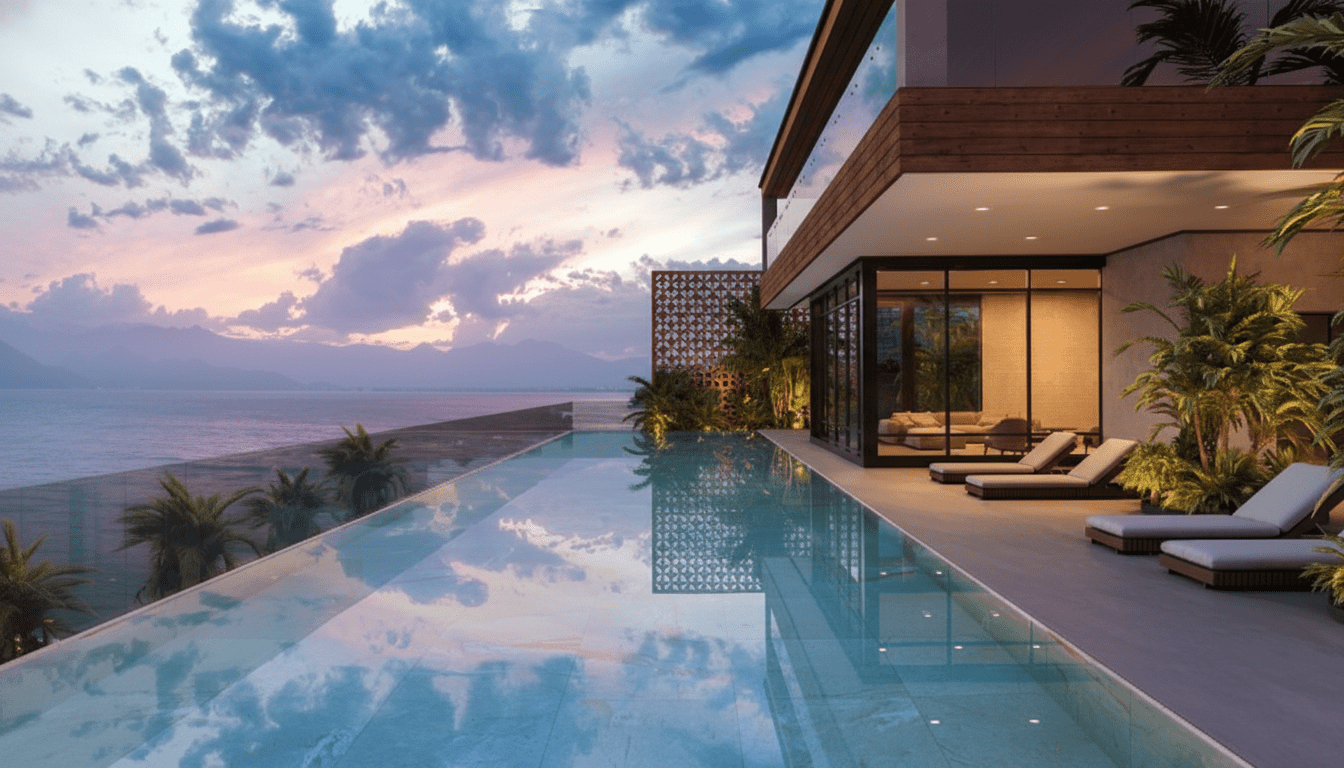
Disclaimer: This image has been generated using AI. All rights belong to the original owners. Unauthorized use or reproduction of this content is strictly prohibited.
Related Articles
Sources
- Indian Green Building Council (IGBC) Report 2026
- ArchDaily & Dezeen – Global Natural Architecture Trends 2025-2026
- Council of Architecture India & local case studies from Auroville and Kerala
- Real estate reports from Square Yards and MagicBricks Luxury Segment (March-April 2026)
Conclusion
Sustainable Natural Material Architecture is not a passing trend — it is the future of responsible luxury living. By choosing wood, stone, clay, and recycled materials, we create homes that are healthier, more beautiful, and truly climate-positive. In 2026, the most desirable homes in India are the ones that disappear into nature rather than dominate it.
If you are planning to build or renovate, now is the perfect time to go natural. Your home can become part of the solution instead of the problem.
What do you think about this shift towards natural materials? Would you choose a sustainable natural home over a conventional one? Share your thoughts in the comments below!
FAQs
What materials are used in sustainable natural material architecture?
Mainly wood, bamboo, stone, clay (rammed earth/adobe), and recycled materials like reclaimed bricks and steel.
Is sustainable natural material architecture expensive?
Initial cost can be 10-20% higher, but lifetime savings on energy and maintenance make it more economical.
Is it suitable for Indian climate?
Yes — it is actually one of the best solutions for India’s extreme heat, humidity, and monsoon conditions.
How long do natural material homes last?
Properly built rammed earth and stone homes can easily last 100-200+ years with minimal maintenance.
Where can I find architects for sustainable natural homes in India?
Look for specialists in Auroville, Kerala, Himachal, and firms listed on IGBC or Earth Architecture India networks.