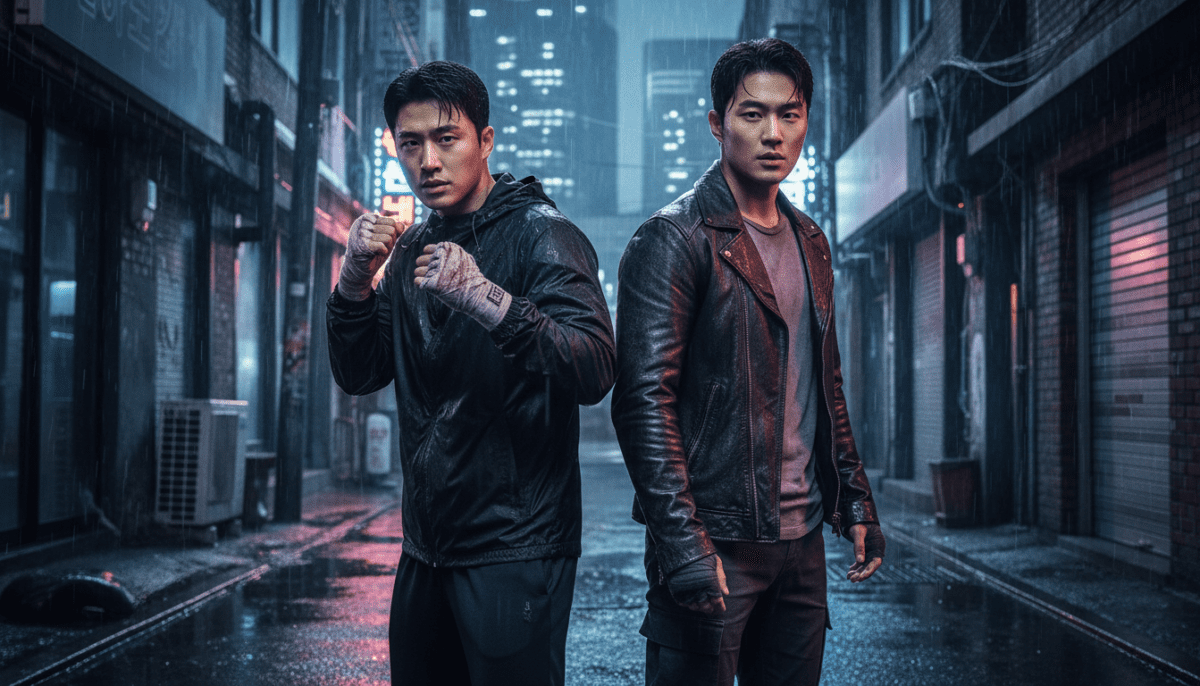
The landscape of global television has been permanently altered by the relentless surge of South Korean thrillers, but few shows have left a visceral impact , the story of two young boxers navigating a treacherous underworld. Following the explosive conclusion of the first installment, fans worldwide have been clamoring to know if the follow-up can recapture that same lightning-in-a-bottle energy. If you are searching for a definitive answer, this comprehensive Bloodhounds Season 2 review confirms that the highly anticipated sequel not only meets expectations but wildly exceeds them. By delivering a much grittier narrative, vastly elevated combat sequences, and deeper emotional stakes, this season cements itself as an absolute must-watch for genre enthusiasts.
When stepping back into the neon-lit, rain-slicked streets of Seoul, the immediate shift in tone is palpable. The innocence that once characterized our protagonists has been stripped away, replaced by a hardened resolve forged in trauma and betrayal. This is no longer just a story about surviving predatory loan sharks; it is an expansive exploration of institutional corruption and the heavy toll of vigilantism. As we dive deeper into this Bloodhounds Season 2 review, we will dissect everything from the mesmerizing martial arts choreography to the undeniable chemistry between the leads, proving exactly why this title currently reigns supreme among Netflix action K-dramas.
TL;DR: Quick Summary
- Evolved Combat Mechanics: The martial arts choreography has transitioned from structured boxing techniques to brutal, no-holds-barred street fighting, reflecting the characters’ darker reality.
- Deepened Character Arcs: Woo Do-hwan and Lee Sang-yi deliver career-defining performances, showcasing profound psychological growth and a masterclass in on-screen brotherhood.
- Higher Stakes: The narrative expands beyond street-level loan sharks to tackle massive corporate conspiracies, raising the danger levels exponentially.
- Impeccable Pacing: Unlike many Korean thriller series that suffer from mid-season slumps, this chapter maintains a relentless, adrenaline-fueled momentum from the first episode to the finale.
- Stunning Cinematography: The visual direction utilizes claustrophobic camera angles and dynamic tracking shots to plunge the viewer directly into the heart of the action.
What to Expect in the New Chapter
The transition from a localized neighborhood conflict to a city-wide war requires a delicate balancing act, and the writers have masterfully navigated this escalation. In crafting this Bloodhounds Season 2 review, it became evident that the showrunners recognized exactly what made the first outing successful and amplified those elements without losing the core soul of the series. The narrative immediately throws viewers into the deep end, forcing our heroes to confront adversaries who are vastly better equipped, politically protected, and utterly ruthless.
Who: The Unbreakable Bond of Woo Do-hwan and Lee Sang-yi
At the absolute heart of the show is the unparalleled dynamic between Woo Do-hwan and Lee Sang-yi. Their portrayal of Gun-woo and Woo-jin is the emotional anchor that keeps the high-octane violence grounded. This season, their brotherhood is tested not just by physical adversaries, but by philosophical differences on how to handle the escalating war. Gun-woo’s unwavering moral compass clashes fascinatingly with Woo-jin’s increasingly pragmatic and sometimes ruthless approach to survival. Their banter remains razor-sharp, providing necessary moments of levity, but the underlying tension makes their relationship feel infinitely more mature and complex.
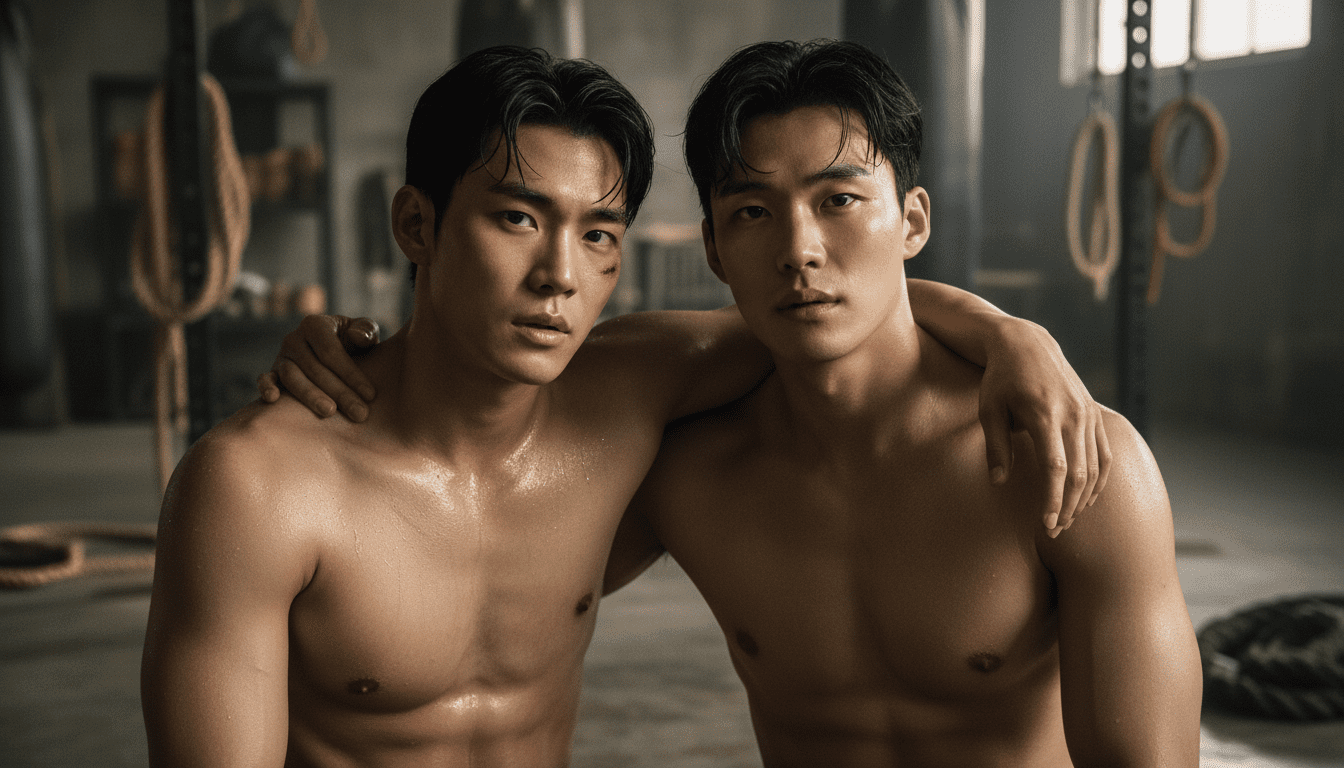
When: The Timeline and Narrative Pacing
Picking up several months after the bloody climax of the previous installment, the timeline allows for the physical and mental scars to set in. This temporal gap is crucial. It gives the audience a sense that the world has moved on, even if the protagonists are still trapped in the echoes of their past trauma. The pacing is structured like a pressure cooker. Early episodes slowly turn up the heat, establishing the new power dynamics within Seoul’s criminal enterprise, before boiling over into a chaotic, breathless second half that leaves viewers completely glued to their screens.
How: The Evolution of Martial Arts Choreography
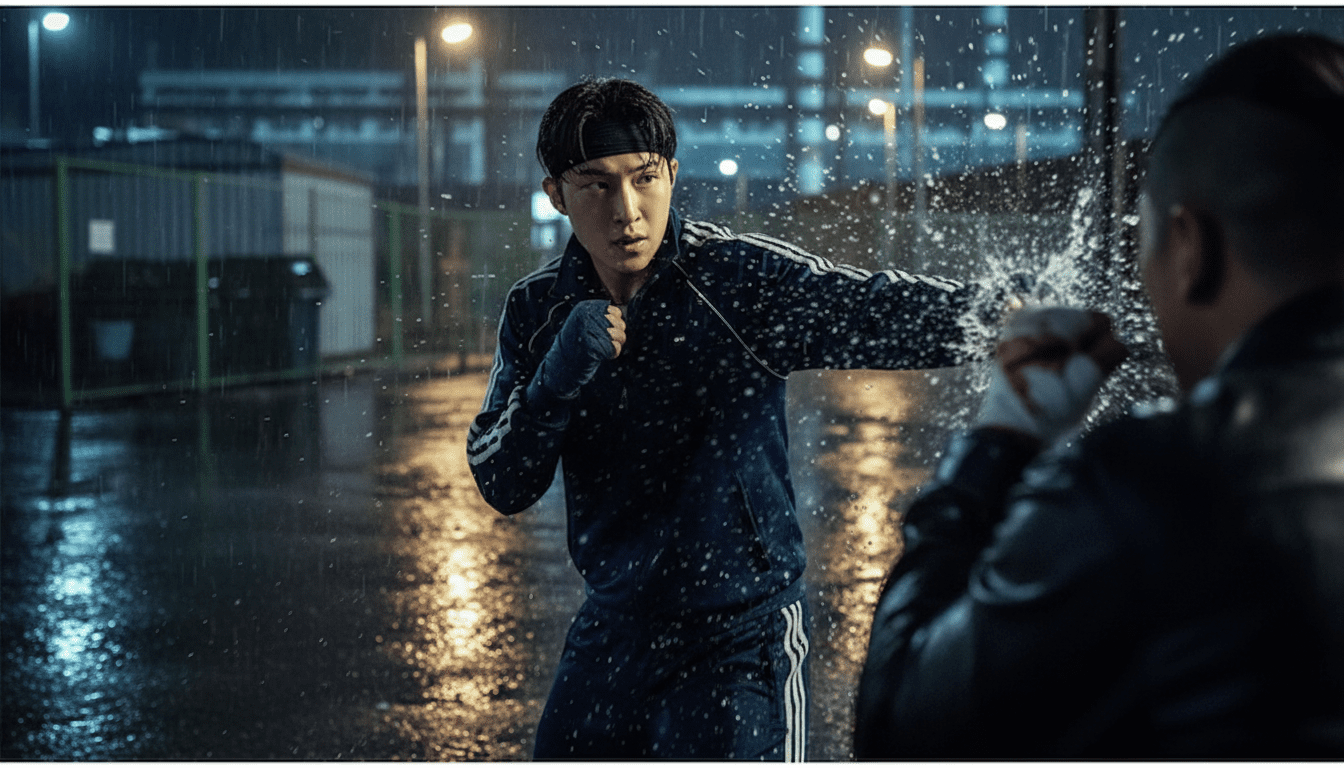
You simply cannot write a proper Bloodhounds Season 2 review without dedicating significant time to the martial arts choreography. What started as an homage to the sweet science of boxing has evolved into a masterclass in cinematic survival combat. Because their enemies are now using lethal weapons and overwhelming numbers, Gun-woo and Woo-jin have been forced to adapt. We see the integration of elbows, knees, and environmental takedowns. The camera work complements this evolution perfectly, opting for longer takes and wider angles that prove the actors are performing these grueling, bone-crunching routines themselves.
How to Fully Experience the Bloodhounds Universe
To truly appreciate the nuances of this explosive sequel, viewers should adopt a deliberate viewing strategy. Here is an actionable guide to getting the most out of your binge-watching session:
- Rewatch the Final Arc of Season 1: Before hitting play on the new episodes, revisit the last three episodes of the first season. This refreshes your memory regarding the immense physical and emotional sacrifices the characters made.
- Observe the Stance Switches: Pay close attention to how Gun-woo and Woo-jin alter their fighting stances depending on the environment. It is a subtle visual storytelling cue that highlights their desperation.
- Analyze the Socio-Economic Undertones: Look past the flying fists to the background details. The show brilliantly uses its setting to comment on post-pandemic economic inequality.
- Utilize High-Quality Audio: The sound design in this Korean thriller series is phenomenal. From the sickening crunch of a landed hook to the heavy, exhausted breathing of the fighters, high-fidelity headphones significantly enhance the impact.
Why This Season Stands Out
When comparing this entry to other heavy-hitters in the genre, several distinct features elevate it above standard fare.
- Visceral Realism Over Spectacle: Unlike many shows that rely on excessive wire-work, the combat here feels incredibly grounded. Every punch carries weight, and injuries carry over between episodes.
- Nuanced Villainy: The antagonists this time around are not simply caricatures of evil. They are calculating, corporate-backed sociopaths who use the law as a shield.
- Exceptional Lighting and Color Grading: The visual aesthetics heavily rely on contrasting neon lights against the grim, shadowy back-alleys of Seoul.
- Emotional Resonance: Amidst the bloodshed, the show never loses sight of its humanity. The quiet moments of grief and reflection provide essential breathing room.
Real-World Case Study: Redefining the Action Genre
To understand the sheer magnitude of this show’s success, we must examine its impact on the broader streaming landscape. Consider the release window of this season compared to other prominent Netflix action K-dramas. Historically, platforms have seen a sharp drop-off in viewer retention for action sequels due to repetitive storylines.
However, the structural execution of this series serves as a fascinating case study in audience retention. By deliberately shifting the sub-genre from a “street-level revenge story” to a “corporate conspiracy thriller,” the creators subverted expectations. They retained the core kinetic energy but placed it in entirely alien scenarios, such as close-quarters combat in high-rise corporate elevators. This methodology not only retained the existing fanbase but attracted a massive influx of viewers who typically prefer political or legal thrillers, establishing a new hybrid benchmark for international action sequels.
“The brilliance of this season lies not in how hard the characters punch, but in how deeply they feel the impact of every blow. The transition from the boxing ring to the merciless streets creates a brutal yet beautifully choreographed ballet of violence that redefines the modern thriller.” — Action Cinema Quarterly
“What Woo Do-hwan and Lee Sang-yi have achieved here is nothing short of miraculous. They communicate paragraphs of dialogue through a single shared glance across a bloody room.” — Global Streaming Reviews
Data Table: Comparing Heavy-Hitting Korean Thrillers
| Series / Season | Combat Style Focus | Pacing & Tone | Core Thematic Element |
|---|---|---|---|
| Bloodhounds Season 1 | Traditional Boxing | Fast, Establishing | Pandemic Economic Hardship |
| Bloodhounds Season 2 | Advanced Street Fighting | Relentless, Gritty | Corporate Corruption & Revenge |
| My Name | Knife Combat / Judo | Dark, Brooding | Undercover Retribution |
| The Worst of Evil | Gang Brawls / Weapons | Slow-burn Tension | Undercover Loyalty Tests |
| D.P. Seasons 1 & 2 | Military CQC / Grappling | Episodic, Intense | Institutional Abuse |
Unique Insight: The Socio-Economic Allegory Behind the Fists
While the surface-level appeal of the show lies in its adrenaline-pumping brawls, a deeper analysis reveals a scathing critique of modern hyper-capitalism. The true genius of the writing is how it uses the physical beatdowns as an allegory for the financial beatdowns suffered by the working class. The villains in this season do not just operate in dark basements; they wear tailored suits and manipulate stock markets.
When Gun-woo and Woo-jin strike back against these corporate titans using nothing but their bare hands, it serves as a powerful, cathartic fantasy. The martial arts choreography is not merely a vehicle for excitement; it is the physical manifestation of lower-class rebellion against untouchable elites. This rare thematic depth is what elevates the show from being just another Korean thriller series into a vital piece of contemporary social commentary.
Frequently Asked Questions
What makes this Bloodhounds Season 2 review different from others?
This review goes beyond surface-level summaries to analyze the socio-economic undertones, the specific evolution of the martial arts choreography, and the intricate character development that makes the show a standout hit among Netflix action K-dramas.
How does the action compare to the first season?
The action has significantly leveled up. While the first season focused strictly on boxing fundamentals, the new season incorporates lethal street fighting and higher-stakes group battles, making the fights feel much more desperate and unpredictable.
Is the dynamic between Woo Do-hwan and Lee Sang-yi still a core focus?
Absolutely. The brotherhood between Woo Do-hwan and Lee Sang-yi (as Gun-woo and Woo-jin) remains the emotional anchor of the narrative. Their relationship is tested and deepened, showcasing their unmatched on-screen chemistry.
Are there any new villains introduced in this chapter?
Yes, the narrative shifts from street-level loan sharks to sophisticated, corporate-backed antagonists who possess political connections and immense wealth.
Do I need to watch the first season to understand what is happening?
While the second season does provide contextual clues, watching the first season is highly recommended. Understanding the intense trauma and the foundation of their fighting styles is essential to fully appreciating their current journey in this Korean thriller series.
Does the pacing hold up throughout all the episodes?
Unlike many series that suffer from mid-season lagging, this season is structured like a continuous pressure cooker. It maintains a relentless momentum from beginning to end.
Where can I stream the new season globally?
The entire new season is available exclusively on Netflix. To fully appreciate the gorgeous cinematography, it is highly recommended to stream it in 4K UHD.
Conclusion & Final Verdict
In concluding this definitive Bloodhounds Season 2 review, it is overwhelmingly clear that the creators have struck gold twice. By honoring the boxing roots of its beloved characters while simultaneously forcing them into a much darker, more expansive criminal underworld, the show achieves a rare balance of familiarity and shocking innovation. The breathtaking martial arts choreography, coupled with the profound emotional depth brought to life by Woo Do-hwan and Lee Sang-yi, solidifies this entry as a towering achievement in modern television. If you have been searching for a series that delivers brain-rattling action alongside genuine heart, look no further.
Do not wait to have the incredible twists spoiled for you. Fire up your streaming device, clear your schedule, and prepare to be blown away by the most intense Korean thriller series of the year. If you found this breakdown helpful, be sure to share this article with your fellow K-drama enthusiasts and let us know your favorite fight scene in the comments below!
Related Articles
If you want to explore more about upcoming movies and release updates, check out these related articles:
- Ready or Not 2 Release Date, Cast, and the Ultimate Horror Movie Roadmap for OTT and Theaters
- The Drama Zendaya and Robert Pattinson Review and Ending 2026
- 10 Legendary New OTT and Hollywood Releases April 2026 You Can’t Miss
Sources: