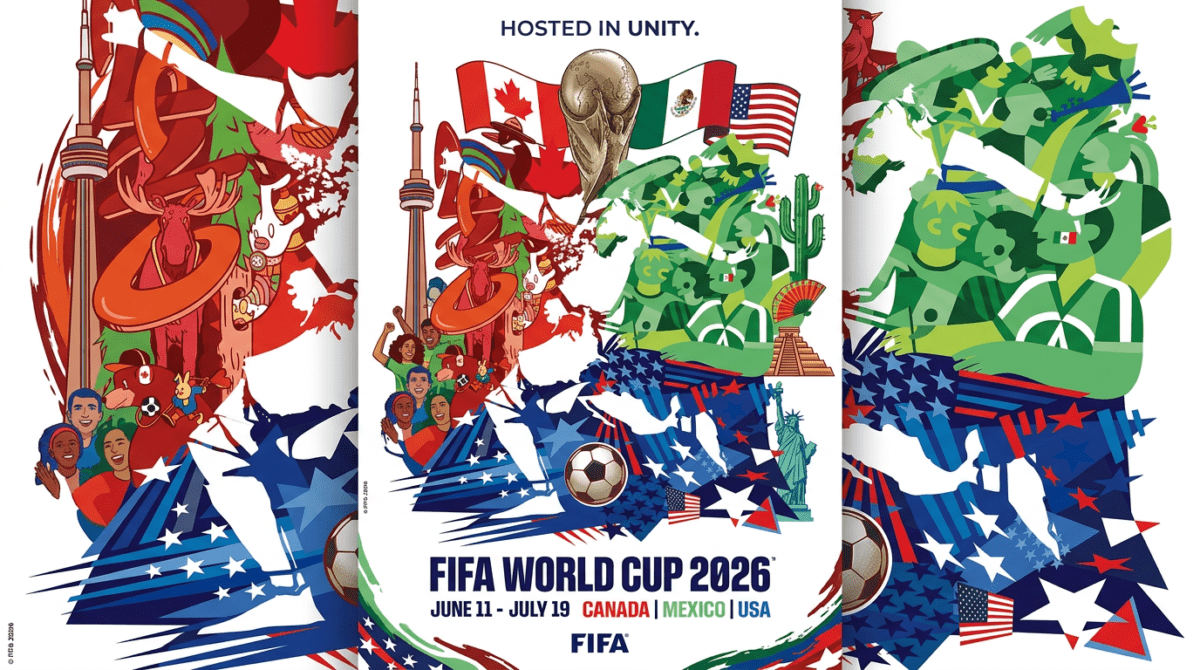
The global football community is bracing for the grandest spectacle in the history of the sport. With 48 teams preparing to play 104 matches across the United States, Canada, and Mexico, the upcoming tournament promises unprecedented scale and excitement. It is poised to captivate billions worldwide, drawing in casual observers and die-hard purists alike. Yet, as the June 11 kickoff draws near, the world’s most populous nation finds itself staring at a blank screen concerning the fifa world cup 2026 india broadcast. Football fans across the subcontinent are frantically searching for updates, desperately wondering how they will witness the drama unfold regarding the fifa world cup 2026 india broadcast.
If you are looking for the definitive direct answer regarding the current situation: the FIFA World Cup 2026 India broadcast rights remain entirely unsold due to a massive valuation gap and weak broadcaster appetite in a shifting media landscape. While FIFA initially demanded an astronomical $100 million for the bundled rights to the 2026 and 2030 tournaments, the newly formed Reliance-Disney joint venture has reportedly counter-offered a mere $20 million, a figure FIFA finds unacceptable. This intense standoff has left the availability of the tournament in limbo just weeks before the opening whistle.
The implications of this deadlock extend far beyond the immediate frustration of local fans. It exposes the harsh realities of modern sports media economics and highlights the growing power of consolidated media conglomerates in the Indian market. As we dive deep into the intricacies of this billion-dollar chess match, we will explore why the rights remain unsold, the logistical nightmares involved, and what this means for the future of football consumption in the country and the fifa world cup 2026 india broadcast.
TL;DR: Quick Summary
- The fifa world cup 2026 india broadcast rights are currently unsold, leaving millions of fans uncertain about how to watch the upcoming tournament.
- FIFA initially asked for $100 million for the 2026 and 2030 rights but later slashed the asking price to $35 million.
- The Reliance-Disney joint venture submitted a massively discounted offer of just $20 million, which FIFA has hesitated to accept.
- Broadcasters are wary because only 14 of the 104 matches will begin before midnight Indian Standard Time (IST), severely limiting advertising potential.
- The highly lucrative JioStar FIFA World Cup rights negotiations are further complicated by the fact that brands have already exhausted their ad budgets on cricket tournaments like the IPL and the T20 World Cup.
Core Entities: What is Causing the Broadcast Stalemate?
To truly comprehend why the fifa world cup 2026 india broadcast remains a mirage, one must look closely at the underlying business dynamics, market conditions, and logistical hurdles that have created this perfect storm of broadcaster apathy.
What Triggered the Valuation Gap?

The primary catalyst for this crisis is an extreme mismatch in financial expectations. FIFA approached the Indian market with European-level revenue aspirations, initially seeking $100 million for the rights spanning both the 2026 and 2030 tournaments. This expectation was likely bolstered by the success of the 2022 edition, where Viacom18 (now part of the Reliance ecosystem) paid roughly $62 million for the rights. However, the market has matured and shifted. Facing zero takers, FIFA drastically reduced its asking price to $35 million. Even at a 65% discount, traditional media houses remained entirely unimpressed and unwilling to bite. Sony Sports, which previously spent $90 million in 2013 on a massive package that included the 2014 and 2018 World Cups, decided to sit this one out completely, citing that the economics simply did not make sense for the fifa world cup 2026 india broadcast.
Why is 2026 World Cup streaming India Seen as Unprofitable?
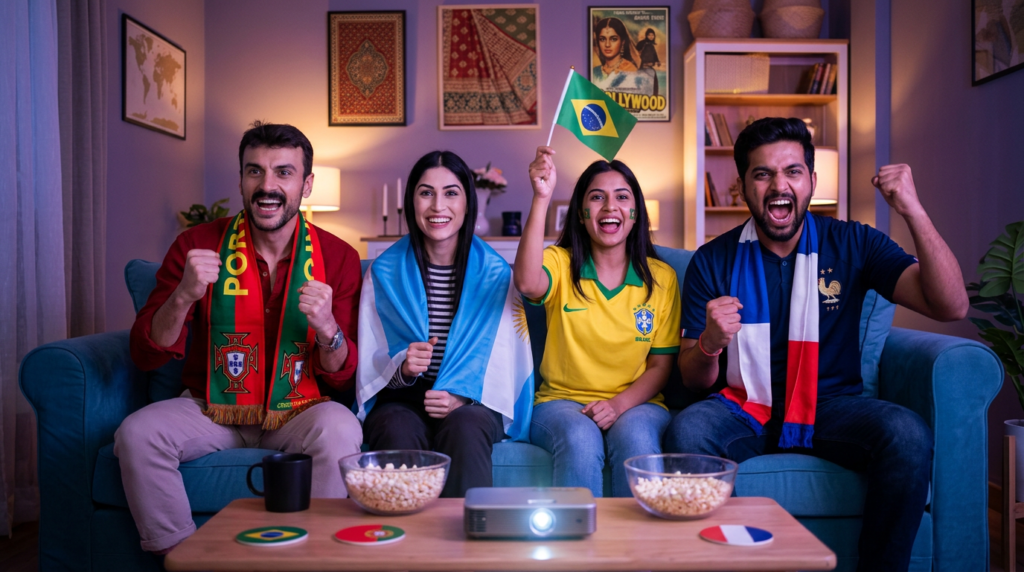
The reluctance to invest in the fifa world cup 2026 india broadcast boils down to a single, insurmountable logistical barrier: time zones. The tournament is being hosted across North America, which is a nightmare for Asian television schedules. The opening fixture between Mexico and South Africa in Mexico City is scheduled to begin at 12:30 AM IST. Out of the 104 total matches in the expanded format, a mere 14 will kick off before midnight in India. Even the grand finale, slated for July 19 at the New Jersey Stadium, will begin at 12:30 AM. When matches air past midnight, television viewership drops precipitously, dragging prime-time advertising revenues down with it and affecting the fifa world cup 2026 india broadcast.
How Does the Reliance-Disney joint venture Impact Negotiations?
The entire media landscape in the country has been fundamentally altered by the recent corporate merger of Walt Disney’s Indian media business with Reliance Industries’ Viacom18. This $8.5 billion behemoth, widely referred to as JioStar, now controls a staggering 75% to 80% of the Indian sports market across both linear television and digital platforms. With over 70 channels from Star India, 38 from Viacom18, and two massive streaming platforms in JioCinema and Hotstar, the Reliance-Disney joint venture has essentially eliminated the fierce competition that used to drive up the prices of sports media rights. Without rival networks initiating a bidding war out of a “fear of missing out,” FIFA has completely lost its bargaining leverage in the fifa world cup 2026 india broadcast negotiations. This monopolistic power is exactly why the JioStar FIFA World Cup rights offer sits at a lowball $20 million.
Unique Insight: The Illusion of Scale vs. Monetization
Perhaps the most fascinating element of the fifa world cup 2026 india broadcast saga is the disconnect between audience scale and actual commercial monetization. It is undeniable that football has a massive following in the country. An Ormax Media report from 2024 estimated the local football audience at an impressive 305 million people, second only to cricket’s 612 million. During the 2022 World Cup, more than 110 million people streamed the matches online, with 32 million tuning into JioCinema just for the final match between Argentina and France, setting a high bar for the fifa world cup 2026 india broadcast.
However, this scale is an illusion when it comes to profitability. In 2022, JioCinema streamed the tournament entirely for free, without a paywall or subscription requirement. This friction-free access artificially inflated viewership metrics in a highly price-sensitive market. The harsh reality of sports media economics is that the country remains a very low Average Revenue Per User (ARPU) market. Fans are eager to watch, but they are historically unwilling to pay premium subscription fees. Since broadcasters cannot rely on subscription revenue, they must rely on advertising. But advertisers do not value football audiences the way they value cricket audiences, rendering the massive digital reach commercially hollow following the fifa world cup 2026 india broadcast. The fundamental question confronting the 2026 World Cup streaming India strategy is: how many of those 110 million viewers would tune in if the broadcast cost even ₹99? The answer is likely sobering enough to keep broadcasters’ wallets firmly shut on the fifa world cup 2026 india broadcast.
Expert Quotes on the Broadcast Crisis
Industry leaders and media experts have been vocal about the underlying causes of this unprecedented broadcast blackout. Here are the perspectives shaping the narrative behind the fifa world cup 2026 india broadcast dilemma:
“The challenge is that FIFA is approaching India with Europe-like expectations, but football does not have that scale here.” — Senior Media Executive
“The timings are odd. US timings will be tough for India. When we had rights for West Indies Cricket, people watched highlights more than they watched live matches.” — Neeraj Jha, Head of Sports Business for India and South Asia at Warner Bros. Discovery
“India is a low ARPU market for sports, gaming and anywhere with an upfront subscription. The picture appears more nuanced than a simple lack of takers. Brands want to spend where the eyeballs are and eyeballs are currently on cricket.” — Rohit Potphode, Managing Partner at Dentsu India
“No subscription. No paywall. Zero friction. In a country where price sensitivity around OTT is still very real, that single decision inflated the viewership figures in a way that does not reflect genuine commercial depth for the fifa world cup 2026 india broadcast.” — Karthik Yanamandra, Founder, South Clan Football Academy, commenting on the 2022 viewership
Real-World Case Study: The 2022 Qatar Success vs. The 2026 North America Challenge
To understand the sudden collapse in demand for the fifa world cup 2026 india broadcast, we must look at a comparative case study of the previous tournament.
In the buildup to the 2022 World Cup in Qatar, Viacom18 confidently secured the rights for approximately $62 million. This deal was officially announced 14 months before the tournament even began, allowing ample time for marketing, sponsor acquisition, and infrastructure setup for the event, unlike the current fifa world cup 2026 india broadcast. The Qatar tournament offered incredibly favorable broadcasting conditions for the Asian market: 44 out of the 64 matches kicked off before midnight IST. Furthermore, the media ecosystem was highly competitive, with deep-pocketed tech startups and real-money gaming platforms like Dream11 aggressively buying up ad inventory.
Fast forward to 2026. The tournament size has expanded from 64 to 104 matches, diluting the quality of the group stages. Only 14 matches will happen before midnight. The aggressive real-money gaming advertisers have pulled back heavily due to regulatory bans. Furthermore, the massive Reliance-Disney joint venture has absorbed the major competing entities, resulting in zero domestic rivalry. Finally, the timing of the tournament conflicts directly with the post-IPL exhaustion of ad budgets and an upcoming high-profile white-ball cricket tour of England in July. This comparative case study perfectly illustrates why a property worth $62 million four years ago is struggling to fetch even $20 million today in the fifa world cup 2026 india broadcast market.
Benefits & Features: The Realities of the Local Sports Market
The current stalemate regarding the fifa world cup 2026 india broadcast highlights several unique features of the regional sports broadcasting landscape. Understanding these features is critical to seeing why the economics are failing.
- Cricket Monopolizes Ad Spends on the fifa world cup 2026 india broadcast: A WPP Media report indicated that while the sports industry doubled between 2021 and 2025, non-cricket sports accounted for a dismal 11% of the market. Advertisers prioritize cricket above all else.
- Low Subscription Revenues (ARPU): Unlike the US or UK markets where premium sports subscriptions are standard, the local market is heavily reliant on ad-supported, free-to-air digital models.
- Consolidated Buying Power: The Reliance-Disney joint venture acts as an impenetrable gatekeeper. With 75-80% market control, they dictate the terms of sports media economics, refusing to overpay for niche international events like the fifa world cup 2026 india broadcast.
- Thriving Offline Fan Culture: Despite the broadcast struggles, the offline fandom is deeply entrenched. Sports bars and pubs in major cities routinely attract 400-500 fans for late-night marquee matches, proving the demand exists, even if it is difficult to monetize at scale.
Data Table: Analyzing the Economics of the Last Two Tournaments
This data table illustrates the stark operational differences that have severely hindered the sale of the fifa world cup 2026 india broadcast rights.
| Metric | 2022 World Cup (Qatar) | 2026 World Cup (Americas) | Impact on the fifa world cup 2026 india broadcast |
|---|---|---|---|
| Host Region | Middle East (Favorable Timezone) | North America (Adverse Timezone) | Severe drop in expected live linear television viewership for the fifa world cup 2026 india broadcast. |
| Total Matches | 64 Matches | 104 Matches (Expanded 48-team format) | Diluted group stages; less excitement early in the tournament. |
| Prime-Time Viability | 44 of 64 matches began before midnight IST | 14 of 104 matches begin before midnight IST | Advertisers unwilling to pay premium rates for post-midnight slots. |
| Rights Acquisition Cost | ~$62 Million (Bought 14 months early) | Asking $35M; Best offer $20M (Unsold) | Proves that the Reliance-Disney joint venture refuses to overpay. |
| Broadcaster Competition | High (Multiple independent networks) | Low (Consolidated JioStar monopoly) | FIFA lost all negotiating leverage and bargaining power. |
Step-by-Step Guide: How Fans Can Prepare for the Broadcast Uncertainty
With the clock ticking down to June 11, fans are understandably anxious. If you want to ensure you don’t miss out on the action while the fifa world cup 2026 india broadcast remains unresolved, follow this step-by-step preparation guide.
- Monitor the JioStar FIFA World Cup rights Negotiations: Keep a close eye on business news portals. Industry insiders strongly believe JioStar is the prime contender and is simply waiting until the eleventh hour to secure the deal at their preferred price point for the fifa world cup 2026 india broadcast.
- Explore the FIFA+ Direct-to-Consumer App: FIFA has successfully built its own streaming platform, FIFA+. If a local broadcast deal absolutely falls through, it is highly likely that FIFA will utilize this platform for 2026 World Cup streaming India. Ensure you have the app downloaded and an account created.
- Check Doordarshan Schedules: There is a “last-ditch Hail Mary” possibility that Doordarshan, the public broadcaster, might step in. While they likely wouldn’t show the entire tournament, they could potentially secure rights for the semi-finals and the final, much like they did for the 1998 World Cup in France.
- Scout Local Sports Bars and Pubs: Reach out to local venues in your city. Organizers in metropolitan areas like Delhi-NCR, Mumbai, and Bengaluru are already preparing for massive screenings, expecting 400-500 attendees for major knockout games. This might become the best way to experience the matches.
- Prepare for High-Quality Highlights: Given the brutal 12:30 AM to 3:00 AM match timings, live viewing will be impossible for many working professionals. Identify reputable global sports platforms that offer comprehensive, extended morning highlights, as this will likely be the primary consumption method for the local audience following the fifa world cup 2026 india broadcast.
Frequently Asked Questions (FAQs)
Why is there still no fifa world cup 2026 india broadcast deal?
The delay is primarily caused by a massive valuation gap between FIFA and local media companies. FIFA initially wanted $100 million, while the primary buyer, the Reliance-Disney joint venture, only offered $20 million due to concerns over match timings and profitability for the fifa world cup 2026 india broadcast.
How much are the JioStar FIFA World Cup rights worth?
While Viacom18 paid roughly $62 million for the 2022 World Cup, JioStar currently values the 2026 rights at only around $20 million. FIFA has reportedly slashed their asking price to $35 million, but no agreement has been finalized.
What time will the 2026 World Cup matches air in India?
Because the tournament is hosted in the US, Canada, and Mexico, the timings are incredibly harsh for Asian viewers. Only 14 out of the 104 matches will begin before midnight IST, with the opening match and the final both scheduled for a 12:30 AM kickoff for the fifa world cup 2026 india broadcast.
Will I be able to access 2026 World Cup streaming India for free?
It is highly uncertain. In 2022, JioCinema streamed the tournament for free to acquire users. However, media companies have shifted focus from user acquisition to profitability, meaning a free stream is less likely this time around unless it serves a specific corporate strategy.
Why did Sony Sports decide not to bid for the rights?
Sony Sports, which holds rights to the UEFA Champions League and previously broadcast the 2014 and 2018 World Cups, evaluated the market and determined that purchasing the fifa world cup 2026 india broadcast rights did not make economic sense under the current asking prices and match schedules.
Could FIFA just stream the matches on their own platform?
Yes, absolutely. Experts note that FIFA is financially secure and refuses to undervalue its flagship property. If local broadcasters refuse to meet their price, FIFA is fully prepared to broadcast the matches directly to fans via their proprietary FIFA+ platform.
How did the Viacom-Star merger ruin FIFA’s chances for a big payday?
The merger created an $8.5 billion entity (the Reliance-Disney joint venture) that now controls up to 80% of the sports media market. By effectively eliminating their biggest competitors, they destroyed the competitive bidding environment, leaving FIFA with zero leverage to demand premium prices.
Conclusion & Call to Action
The unprecedented delay in securing a fifa world cup 2026 india broadcast is a stark reminder of how rapidly the media landscape is evolving. It is a complex tale of sports media economics, where massive digital reach does not automatically translate into advertising dollars, and where corporate mega-mergers like the Reliance-Disney joint venture can single-handedly dictate the market value of global sporting events. As FIFA refuses to dilute its brand equity and local broadcasters refuse to swallow the costs of adverse time zones, the ultimate losers are the millions of passionate fans left waiting in the dark. Will JioStar swoop in at the final hour, or will fans be forced to navigate direct-to-consumer apps to catch the action for the fifa world cup 2026 india broadcast?
The countdown is on, and the stakes have never been higher for international sports syndication. We want to hear from you: how are you planning to tune into the 2026 World Cup streaming India if a traditional broadcast deal isn’t struck? Share your strategies and thoughts on the JioStar FIFA World Cup rights standoff in the comments below!
Related Articles:
Sources:
- Excerpts from “104 matches, 0 broadcasters: Why no one in India wants the 2026 FIFA World Cup”
- Excerpts from “FIFA faces World Cup broadcast crisis as India’s Reliance offers $20m”
- Excerpts from “No broadcaster for World Cup? What FIFA’s India standoff could really cost”
- Excerpts from “Viacom-Star merger will substantially reduce bargaining power, says advertising industry”