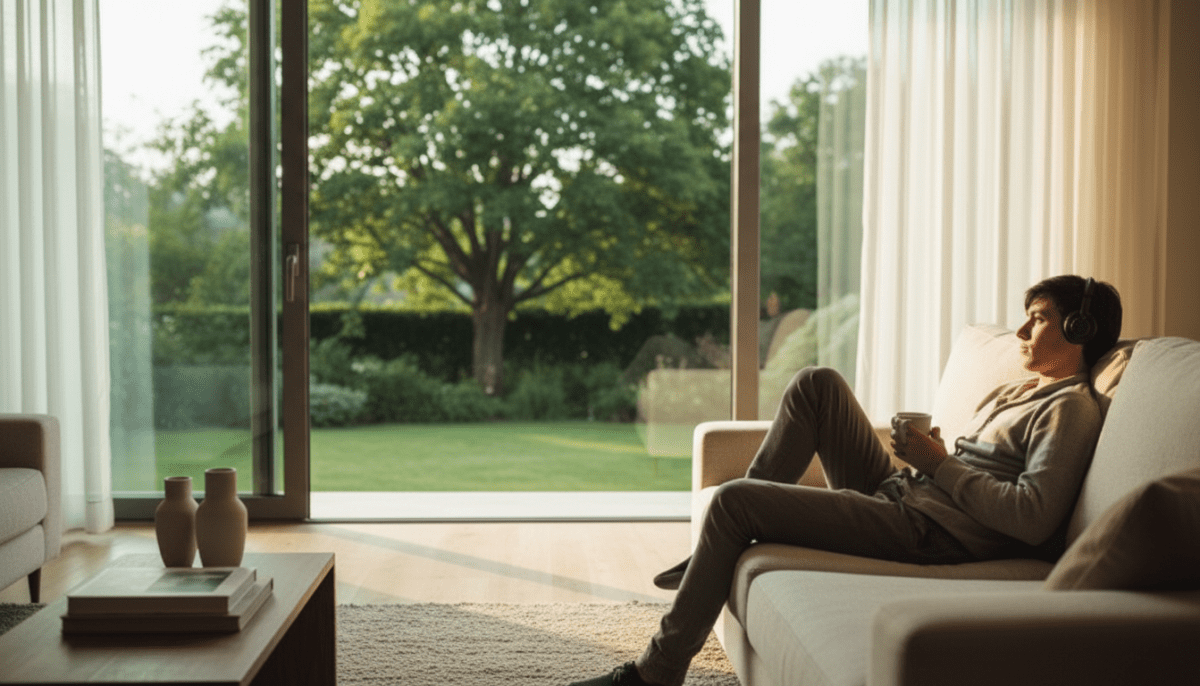
You know exactly how the standard morning goes: your alarm violently buzzes, you hit snooze twice, and by the time you drag yourself out of bed, you have exactly twenty minutes to shower, get dressed, and rush out the door. For the better part of the last decade, our society has operated on the deeply flawed premise that this frantic pace is a badge of honor. We have normalized tying our inherent self-worth to our productivity, navigating our days fueled by adrenaline and anxiety. But a profound cultural rebellion via the soft living lifestyle is finally taking hold, as millions of exhausted individuals begin to question why success must constantly come at the expense of their well-being.
The soft living lifestyle is an intentional shift away from toxic productivity, focusing instead on comfort, boundaries, and mental peace rather than relentless output. By completely redefining what it means to be successful and actively establishing a mindful morning routine, you can break free from the devastating cycle of hustle culture burnout and finally build a life rooted in ease, presence, and nervous system regulation.
TL;DR: Quick Summary of the Soft Living Lifestyle
- A Shift in Core Values: The movement replaces the scarcity-driven mindset of the daily grind with a profound focus on sufficiency, prioritizing peace over pressure.
- Reversing the Damage: Stepping away from toxic productivity actively cures chronic exhaustion, emotional numbness, and the physical toll of living in constant survival mode.
- Intentional Mornings: Establishing a mindful morning routine—even if it is just taking three deep breaths before looking at your phone—grounds your body and sets a calm baseline for the entire day.
- The Performance Trap: True softness is an internal state, not an internet aesthetic. Curating perfect wellness content for social media can ironically turn relaxation into just another stressful checklist.
- Actionable Boundaries: Living softly requires ruthlessly protecting your peace by deleting unnecessary obligations, automating chores, and delegating tasks that drain your energy.
What Is the Soft Living Lifestyle?
At its core, this movement is a conscious decision to put your mental and physical well-being at the forefront of your daily existence within a soft living lifestyle. It is a lifestyle of comfort and relaxation with minimal challenges or stress, prioritizing mental health above all else. For years, society has operated on a belief system rooted in scarcity—the idea that there is never enough time, money, or validation, and that you must constantly sacrifice your peace to get ahead.
This soft living lifestyle movement flips that narrative entirely. It is a mentality deeply rooted in “enoughness”: enough rest, enough effort, and enough self-trust. Rather than constantly asking how much more you can push yourself to achieve, it asks how you can sustain yourself for the long haul. It is about being naturally pulled toward the things that bring you joy, rather than forcefully pushing and struggling against the grain. It asks profound questions like: What feels nourishing? What can I lean into? Where can I soften?
When Did We Hit Peak Hustle Culture Burnout?
To understand why this cultural shift is happening, we have to look at the environment that necessitated it. The digital age blurred the boundaries between our personal and professional lives, creating an expectation where switching off felt like a moral failure. Social media actively rewards constant output, making it incredibly easy to feel like everyone else is winning while you are barely keeping up.
The result of this never-ending output is widespread hustle culture burnout. When wellness becomes just another metric to optimize, it stops being supportive and starts becoming another intense source of pressure. People began experiencing chronic stress, sleep disturbances, and emotional numbness, realizing that the goalpost for success kept moving, and no matter how much they achieved, they were always left feeling utterly depleted.
Who Benefits from Nervous System Regulation?
If you are feeling anxious, disconnected, or entirely tired of trying to get life “right,” you are not failing; you are simply responding to a system that benefits from your self-doubt. The people who benefit most from a soft living lifestyle and its softer approach are those whose bodies are trapped in a chronic state of fight-or-flight. By choosing to prioritize comfort and intentionality, you signal to your body that you are safe, allowing your heart rate to slow and your tension to dissolve through consistent nervous system regulation.
How a Mindful Morning Routine Replaces the Hustle in a Soft Living Lifestyle

The way you start your morning sets the biological and emotional tone for everything that follows. If your day begins chaotically and you are already stressed by 8:00 AM, your nervous system will struggle to recover as the day goes on. This is why transitioning into a soft living lifestyle almost always begins with how you wake up.
A mindful morning routine is vastly different from a “productive” morning routine. While a productive routine is action-oriented and focused on checking tasks off a list, a mindful morning routine is exclusively about presence. It is a series of intentional, gentle practices that help you feel grounded. This could be as simple as the “two-minute reset,” where you take three intentional deep breaths, stretch your arms overhead, and set a silent intention to be kind to yourself today. By starting your day intentionally, you create a buffer of calm that protects your energy before the demands of the outside world begin to intrude.
Step-by-Step Guide: 5 Steps to Cultivate a Soft Living Lifestyle
Transitioning away from a life of constant pressure requires deliberate unlearning and intentional action. Here is an actionable guide to stepping off the stress hamster wheel and into your soft era using the soft living lifestyle:
- Delete, Automate, and Delegate: Take a hard look at your daily obligations and categorize them. First, delete anything you do not actually need to do—like events you agreed to purely out of people-pleasing. Second, automate whatever you can using apps and technology. Finally, delegate chores you despise; hire a local teenager to mow your lawn, or do a chore swap with a friend.
- Build a Mindful Morning Routine via Habit Stacking: Do not overhaul your mornings overnight. Instead, attach a new mindful practice to something you already do. Take three deep breaths while you are still lying in bed, or set a positive intention while brushing your teeth. Focus on consistency over perfection.
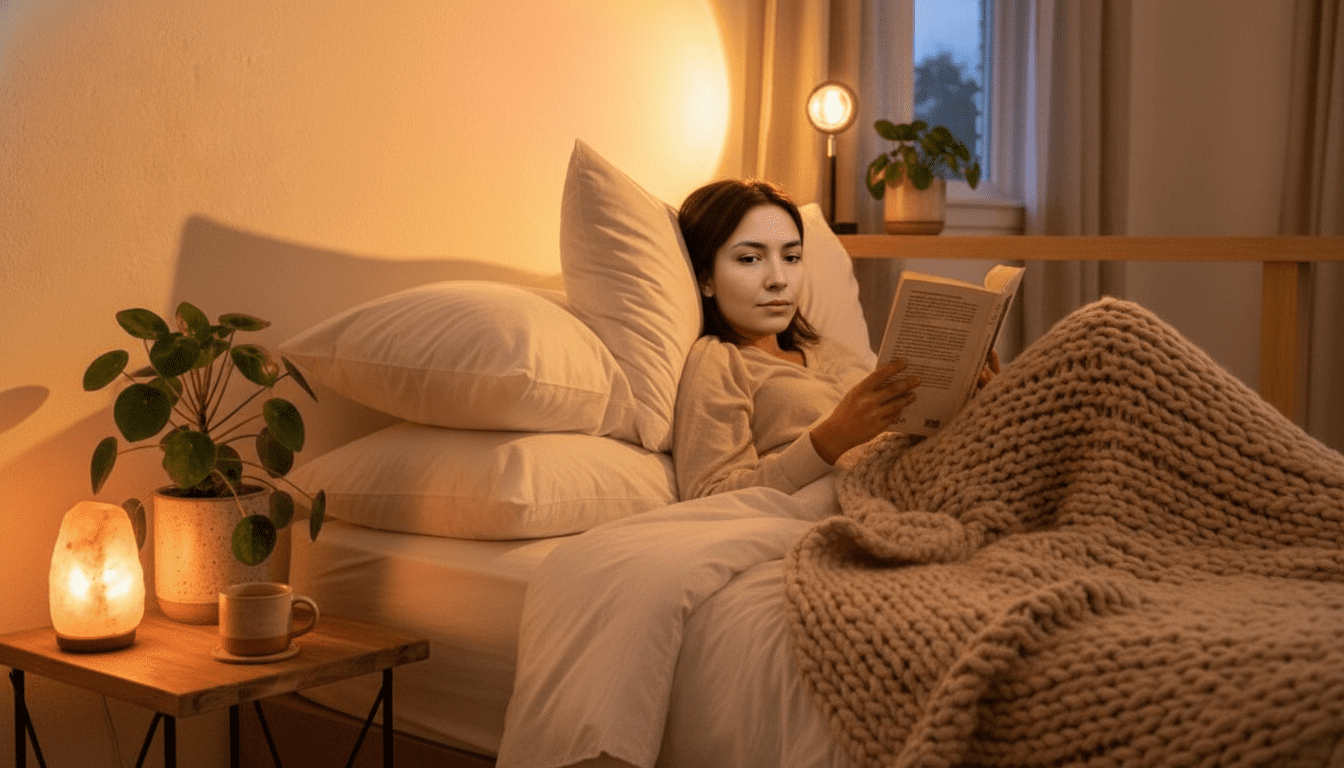
- Design a Calming Home Sanctuary: Your environment deeply dictates your energy. Create a mindful home space by utilizing warm, soft lighting like salt lamps or candles instead of harsh overhead lights during your downtime. Keep your space organized, decluttered, and invest in high-quality, crisp cotton bed sheets to make your home feel like a true retreat.

- Fiercely Protect Your Sleep: You cannot live a soft life if you are biologically exhausted. Stop treating sleep deprivation as a badge of honor; getting only five hours of sleep is not something to brag about. Prioritize sleep to allow your brain to clean itself, consolidate memories, and stabilize your mood.
- Set Boundaries and Let Go of Guilt: Learn to say no. A gracious, 24-hour delayed “no” is infinitely better than a resentful “yes”. Accept that taking time to relax is not a lavish reward you have to earn; it is necessary maintenance, just like putting fuel in a car.
Benefits & Features of Stepping Away from the Grind
Adopting a soft living lifestyle provides an array of profound, scientifically backed benefits that extend far beyond simply feeling relaxed:
- Grounds the Nervous System: A quiet moment of meditation or deep breathing actively pulls your body out of the exhausting fight-or-flight mode, easing muscular tension and slowing your heart rate.
- Enhances Focus and Clarity: When you start your day with presence, your attention and memory improve, making it easier to flow through tasks without constantly reacting to every digital distraction.
- Builds Emotional Resilience: Regular mindfulness softens your emotional reactivity, strengthening your ability to recover quickly from life’s inevitable curveballs.
- Improves Physical Health: By exiting survival mode, you reduce the chronic physical symptoms associated with burnout, such as persistent digestive issues, skin breakouts, and perpetual colds.
- Creates Authentic Joy: Stripping away the performative need to hustle creates blank space in your calendar, allowing you to be present and genuinely enjoy quality time with your friends and family.
Real-World Case Study: Escaping the Survival Mode Trap
To truly understand the transformative power of the soft living lifestyle shift, we can look at the personal journey of Dr. Sarah Nicholls, a medical professional whose life was once the absolute epitome of toxic productivity. For years, she proudly stated that her life was held together entirely by cortisol, caffeine, and dry shampoo. Every single minute of her day was scheduled and rushed, leaving her perpetually stressed and sleep-deprived.
The ultimate breaking point arrived after she finished a grueling night shift and went straight to one of her best friend’s weddings. She was so physically and emotionally exhausted that she found herself hiding in the venue’s toilets, crying uncontrollably. When she attempted to make small talk with the other wedding guests, her brain was so utterly depleted that she physically struggled to formulate basic sentences. She was surviving, but she certainly wasn’t living.
Realizing that this level of hustle culture burnout was entirely unsustainable, she radically changed her approach and stepped into her soft era via the soft living lifestyle. She stopped leaving tasks to the last minute to avoid the adrenaline rush of panic. Instead of frantically cleaning and sweating through the kitchen on the day she hosted guests, she began prepping meals like stews and lasagnas a full week in advance, allowing her to actually be present and enjoy her friends’ company. By changing her self-narrative to “I am the kind of person who arrives early,” she eliminated the chaos of running late. By creating intentional blank space and prioritizing rest, she moved completely out of chronic survival mode and constructed a life that finally felt joyful, present, and effortless.
“Productivity is about efficiency, while mindfulness is about presence. Some days you might want both, but on other days, presence is more than enough.” — Calm Editorial Team.
“You’re no longer asking what you need; you’re asking why you can’t do softness ‘right.'” — Ballast Health and Wellness.
Data Table: Hustle Culture vs. The Soft Living Lifestyle
| Defining Lifestyle Metric | Hustle Culture Mindset | Soft Living Lifestyle Approach | Long-Term Health Impact |
|---|---|---|---|
| Definition of Success | Success is strictly measured by output, visibility, and constant growth. | Success is rooted in enoughness, presence, and contentment. | Prevents tying self-worth to productivity, drastically reducing anxiety. |
| Approach to Rest | Rest must be heavily earned; slowing down means falling behind. | Rest is a biological necessity taken without guilt or justification. | Allows the brain to clean itself and prevents chronic physical exhaustion. |
| Morning Routine Focus | Optimized for efficiency, rushing to get out the door immediately. | Grounded in presence, utilizing breathwork and sensory awareness. | Sets a calm baseline for the day, preventing early cortisol spikes. |
| Energy Output | Pushing through resistance; forcing outcomes and struggling. | Being naturally pulled toward aligned, joyful activities. | Preserves cognitive energy and prevents severe emotional depletion. |
| Long-Term Outcome | High risk of hustle culture burnout, emotional numbness, and fatigue. | Sustainable growth, emotional resilience, and authentic balance. | Creates a life that can be enjoyed gracefully over decades without collapse. |
Unique Insight: The Danger of “Performing” the Soft Life
As the concept of a softer lifestyle gains massive traction online, a hidden and incredibly ironic danger has emerged: the aesthetic performance of the soft living lifestyle. In a digital world obsessed with visual validation, relaxation is frequently packaged into perfectly curated internet content. We see flawless morning routines, perfectly lit matcha photos, and highly choreographed “slow living” aesthetics.
The deep paradox here is that when softness becomes something you have to perform for an audience, it immediately ceases to be soft. It mutates into just another stressful checklist. We begin to hustle to appear soft, chasing ease the exact same way we used to chase corporate productivity—through comparison and external approval. This leads to a unique form of anxiety where individuals criticize themselves for not resting “correctly” or not having a photogenic enough mindful morning routine.
The profound, underlying truth is that a genuine soft living lifestyle is often incredibly quiet and completely unshareable. It might look like having fewer habits, consuming less content, and experiencing moments where you do not optimize or document anything at all. To truly heal from hustle culture burnout, we must stop performing our healing for the internet and start quietly, authentically inhabiting it.

FAQs about the Soft Living Lifestyle
What exactly is a mindful morning routine?
A mindful morning routine is a series of intentional practices that help you feel grounded and present at the start of your day. Unlike a productive routine focused on checking off tasks, a mindful routine might simply involve tasting your coffee, feeling the sunlight on your face, or pausing for deep breaths before checking your inbox.
How is living a soft life different from hustle culture?
It ultimately comes down to core values. Hustle culture is driven by scarcity—believing there is never enough time or success, and asking “What more can I do?”. A softer life is grounded in sufficiency and presence, asking instead, “What do I actually need?”.
Why do I feel worse after trying every wellness trend?
When wellness becomes just another metric to optimize, it overlaps with perfectionism. If healing becomes another thing you have to “get right,” it increases your anxiety rather than reducing it, making self-care feel like a source of pressure.
Can I start a mindful routine even if I wake up late?
Absolutely. Mindfulness is incredibly forgiving and meets you exactly where you are. Even if you oversleep and your morning is off to a rocky start, you can still take one mindful breath or notice your surroundings for thirty seconds as you move through your routine.
Is hustle culture genuinely bad for mental health?
Yes, for many people, it is highly detrimental. It reinforces the toxic idea that rest must be earned, which leads to chronic stress, sleep disturbances, anxiety, and a perpetual feeling that you are never doing enough, no matter your achievements.
How do you design a home space that naturally supports wellness?
Creating a mindful home environment starts with designating specific areas for wellness and utilizing calming elements. Focus on warm, soothing illumination like salt lamps or candles instead of harsh overhead lighting, incorporate low-maintenance plants like peace lilies, and keep the space organized and clutter-free.
Can you live a soft life without quitting your goals or ambitions?
Yes. Adopting this soft living lifestyle does not mean giving up on your goals; it simply means redefining success. You can absolutely still grow, create, and work toward things that matter to you, but you do it without urgency, burnout, or self-punishment acting as your driving forces.
Conclusion & CTA
The transition from a society that actively worships exhaustion to one that deeply reveres well-being is long overdue. By embracing the soft living lifestyle, we are collectively rejecting the toxic narrative that our human worth is dictated entirely by our daily productivity. Whether it is through the quiet implementation of a mindful morning routine, fiercely protecting our sleep, or simply learning to say no without an ounce of guilt, we have the power to step off the hamster wheel. We do not have to wait until hustle culture burnout breaks us down completely in a bathroom stall to realize that a life of ease, comfort, and nervous system regulation is not a luxury—it is an absolute necessity.
Are you ready to stop wearing your exhaustion as a badge of honor and finally step into your soft era? Start tomorrow morning by giving yourself just two minutes of screen-free, intentional breathing before the world demands your attention. Share this comprehensive soft living lifestyle guide with a friend or colleague who desperately needs a reminder to slow down, and leave a comment below telling us what one stressful “hustle” habit you are choosing to delete from your life today!
Related Articles
- Ditch the Beige: Your Ultimate Guide to Statement Sneakers 2026 and the Maximalist Footwear Rebellion
- Dopamine Dressing Trend
- Butter Yellow Fashion Trend
- Nita Ambani Stuns in a Chic Black Ensemble
- Milky Glass Nails Trend
Sources: