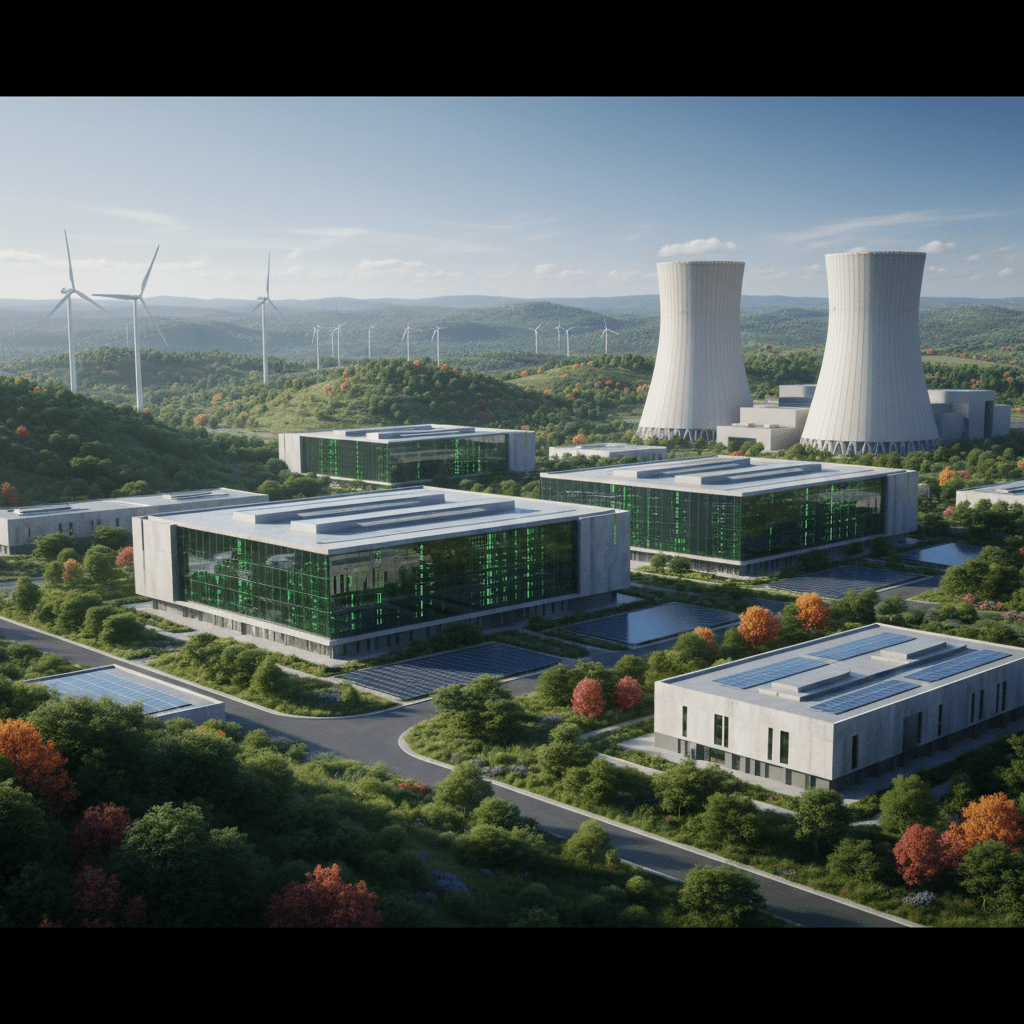
Generative AI is a hungry technology, and its insatiable appetite is fundamentally reshaping the global energy landscape. Every time you generate an image, write a prompt, or train a complex machine learning model, a server in a massive facility draws significant electrical current. As artificial intelligence scales from a niche tool into a ubiquitous foundational infrastructure, the physical footprint required to support it is hitting the limits of the modern power grid, necessitating the development of the AI nuclear power plant.
Tech giants are urgently solving the explosive energy demand of artificial intelligence by reviving the nuclear industry, triggering a massive surge of investment into Small Modular Reactors (SMRs) and nuclear microgrids to provide clean, reliable, and scalable energy. By leveraging behind-the-meter AI nuclear power plant technology, major cloud providers can bypass crippled public grid infrastructure and secure the 24/7 carbon-free energy required to keep their hyperscale data centers running without relying on fossil fuels.
TL;DR: Quick Summary
- The Demand Explosion: Global data center energy consumption is projected to more than double, reaching an astonishing 945 TWh by 2030, driven largely by compute-heavy AI workloads.
- The Grid Bottleneck: The United States power grid is facing a crisis, with an interconnection queue of 2,600 GW of pending capacity and median wait times of up to five years for new projects due to increasing grid constraints.
- The Nuclear Solution: Tech giants are turning to the AI nuclear power plant model, bypassing public grids entirely by co-locating facilities with nuclear plants or investing in advanced Small Modular Reactors (SMRs).
- Massive Investments: Companies like Microsoft, Google, Amazon, and Meta have committed roughly 10 GW in nuclear capacity through power purchase agreements and investments in reactor restarts.
- The Water-Energy Nexus: Advanced AI data centers also require immense cooling, driving innovations in integrated energy systems where nuclear reactors power both computational loads and advanced chiller banks.
What is the AI Nuclear Power Plant Shift?
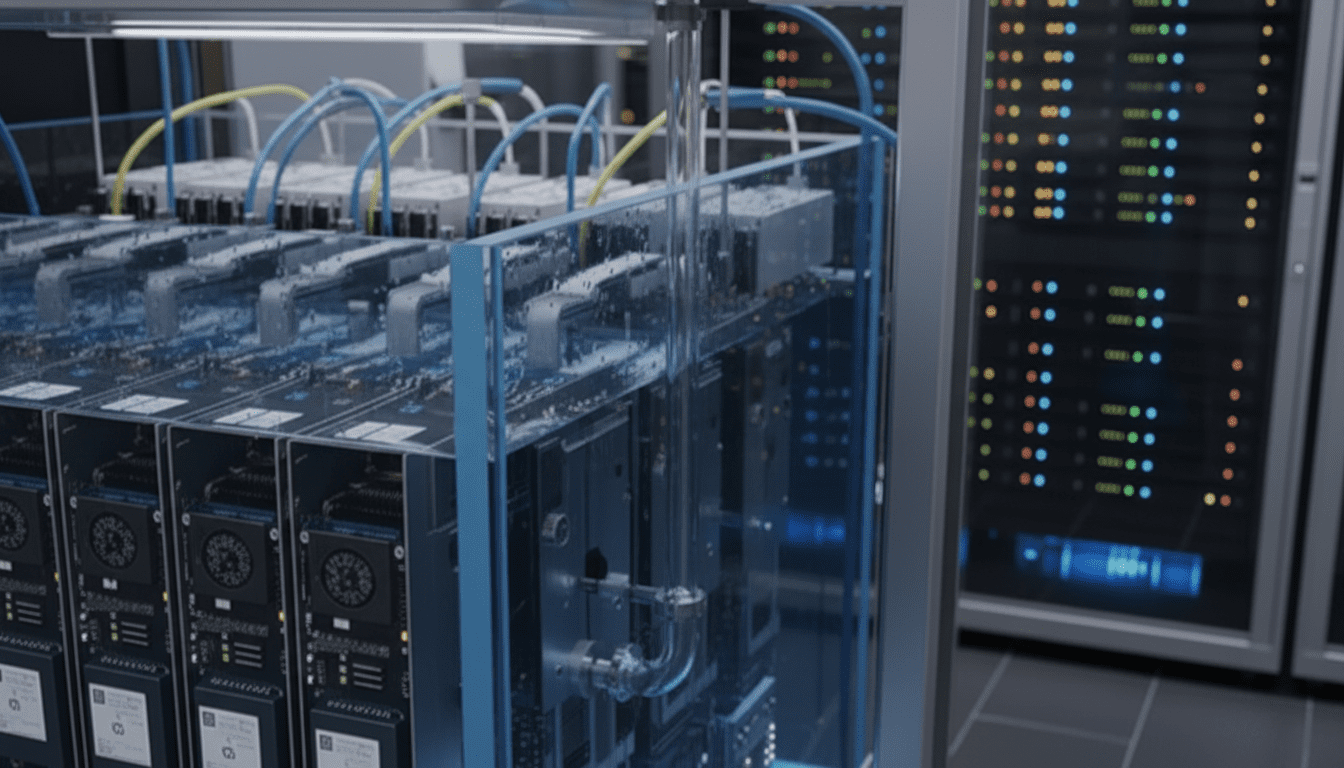
To understand the sudden pivot toward an AI nuclear power plant strategy, one must look at the raw mathematics of artificial intelligence. A single AI query consumes approximately ten times the electricity of a conventional internet search. As we shift from standard cloud storage to generative AI training and continuous inference, data center energy consumption is skyrocketing. The International Energy Agency projects that by 2030, global data centers will consume as much electricity as the entire nation of Japan.
While the technology industry has spent the last decade championing wind and solar power, the reality of AI data centers makes pure renewable reliance nearly impossible. AI workloads demand uninterrupted, 24/7 operations to maximize the return on expensive hardware like GPUs. Because solar and wind are inherently intermittent—with capacity factors hovering around 25% and 35%, respectively—they cannot guarantee the firm baseload power required without massive, cost-prohibitive battery storage. Consequently, if left unchecked, two-thirds of the additional electricity generation needed for data centers by 2035 would be forced to come from fossil fuels like natural gas and coal. To avoid missing their aggressive climate pledges, hyperscalers are realizing that carbon-free energy at scale leaves them with only one viable, energy-dense option: the AI nuclear power plant.
When Did Data Center Energy Consumption Outpace the Grid?
The crisis of data center energy consumption did not happen overnight, but it reached a breaking point as the AI boom accelerated. In early 2025, PJM Interconnection—the grid operator for 13 US states—revealed that its queue of pending requests had swelled to over 2,600 GW. This is more than twice the total installed capacity of the entire US power grid.
In major tech hubs like Loudoun County, Virginia, the grid is essentially maxed out due to severe grid constraints. Known as “Data Center Alley,” the county hosts roughly 200 facilities drawing over 5 GW of power, routing an estimated 70% of global internet traffic. The surge in demand has forced local utilities to request rate increases on residential consumers to fund grid upgrades, leading to elevated risks of summer electricity shortfalls. Because building new transmission lines can take four to eight years, data center operators are facing a projected 35 GW energy gap by 2030. The grid simply cannot expand fast enough to accommodate the digital economy, forcing tech companies to find their own decentralized power sources like the AI nuclear power plant.
How Small Modular Reactors and an AI Nuclear Power Plant Solve the Crisis
Small Modular Reactors (SMRs) represent a paradigm shift in how we generate and distribute electricity. Unlike traditional, massive nuclear power plants that take 10 to 15 years to build, SMRs are compact, factory-assembled reactors that can be transported to a site and deployed much faster.
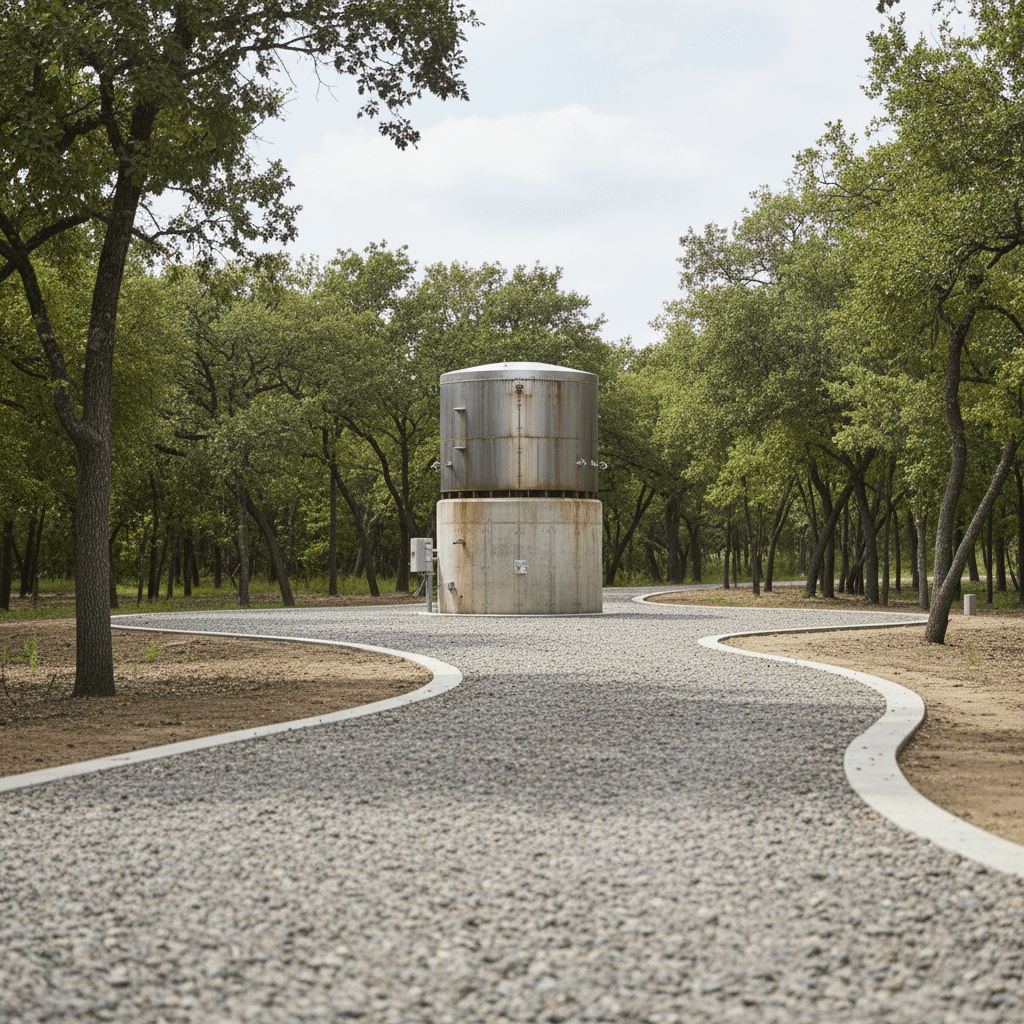
From a technical perspective, SMRs are the perfect match for a hyperscale AI nuclear power plant. Recent dynamic stability assessments demonstrate that connecting an Integrated Energy System (IES)—comprising an SMR and a Battery Energy Storage System (BESS)—directly to a data center drastically improves voltage and frequency stability. The SMR provides a stable, carbon-free baseload, while the BESS handles rapid load fluctuations caused by dynamic AI workloads.
Furthermore, the United States Nuclear Regulatory Commission (NRC) has recently unveiled the historic Part 53 rule. This technology-neutral licensing framework allows reactor designers to use risk-informed metrics to determine safety requirements, effectively reducing regulatory review times to 18 months and cutting application costs by half. This regulatory modernization is the exact catalyst needed to move the AI nuclear power plant from concept to commercial reality.
Who is Leading the Charge in AI Nuclear Power Plant Adoption?
The pursuit of an AI nuclear power plant is being spearheaded by the wealthiest technology companies on the planet. Facing grid constraints, these hyperscalers have made the largest private-sector bet on nuclear energy in decades.
- Microsoft: In a landmark deal, Microsoft signed a 20-year power purchase agreement with Constellation Energy to restart Three Mile Island Unit 1 in Pennsylvania. Rebranded as the Crane Clean Energy Center, this AI nuclear power plant project will supply the grid specifically to offset Microsoft’s massive data center expansions. Analysts estimate Microsoft is paying a premium of $110-$115 per MWh to secure this reliable energy.
- Google: Taking a slightly different route, Google has partnered with Kairos Power to deploy next-generation SMRs. The agreement aims to bring 500 MW of nuclear capacity online by 2030, with further deployments extending through 2035. They recently announced Oak Ridge, Tennessee as a prime site for a reactor to support local data centers.
- Meta: Mark Zuckerberg’s company recently signed agreements with Vistra to deploy up to 6.6 GW of nuclear power by 2035. They are also keeping the Clinton Clean Energy Center operational in Illinois through a long-term power agreement.
- Amazon: AWS acquired the 960 MW Cumulus data center campus, which is directly co-located with the Susquehanna nuclear plant, ensuring direct, behind-the-meter access to carbon-free energy.
Step-by-Step Guide: Transitioning to an AI Nuclear Power Plant Microgrid
For hyperscale operators looking to bypass grid constraints and establish an AI nuclear power plant microgrid, the transition involves complex engineering and regulatory steps:
- Assess Computational and Thermal Loads: AI facilities generate immense heat. Operators must model the data center load as a combination of IT equipment power (CPU/GPU utilization) and the thermal load required by the chiller banks and cooling towers.
- Navigate the Part 53 Licensing Framework: Utilize the NRC’s new technology-neutral Part 53 rule. By leveraging risk-informed safety analyses, developers can fast-track the licensing of gas-cooled or molten salt SMRs for an AI nuclear power plant.
- Deploy the SMR and Integrate BESS: Install the Small Modular Reactor to provide the continuous baseload power. Simultaneously, integrate a Battery Energy Storage System (BESS) using proportional-integral (PI) control strategies to handle immediate frequency deviations and rapid transient AI workloads.
- Establish a Water-Efficient Cooling Loop: Because data centers consume millions of gallons of water daily, the microgrid must integrate efficient cooling. The thermal energy produced by the SMR can even be harnessed for heating or cooling within the data center’s HVAC system, drastically reducing energy waste.
- Secure the Fuel Supply Chain: With the massive surge in nuclear interest, securing uranium is critical. Partner with uranium developers—such as NexGen Energy, which is currently exploring financing opportunities directly with data center providers—to ensure a reliable fuel supply chain.
Benefits & Features of an AI Nuclear Power Plant
Transitioning to an AI nuclear power plant provides an array of structural and environmental advantages that traditional grid connections simply cannot match:
- Unmatched 24/7 Uptime: Nuclear energy provides a capacity factor of roughly 92%, ensuring the continuous, reliable electricity needed to run AI training models without interruption.
- Zero Carbon Emissions: Unlike natural gas plants, SMRs produce carbon-free energy, allowing tech giants to meet their aggressive 2030 and 2040 net-zero climate pledges.
- Grid Independence: By utilizing behind-the-meter microgrids, operators completely bypass the 5-to-12-year delays associated with national grid interconnection queues and grid constraints.
- High Energy Density: A single 1 GW reactor can power a massive hyperscale campus (the equivalent of 830,000 homes) while occupying a fraction of the land required by a comparable solar or wind farm.
- Waste Heat Recovery: SMR-integrated data centers can capture the immense thermal exhaust generated by servers and reactors, repurposing it for district heating networks or industrial applications.
Real-World Case Study: The AI Nuclear Power Plant at Three Mile Island
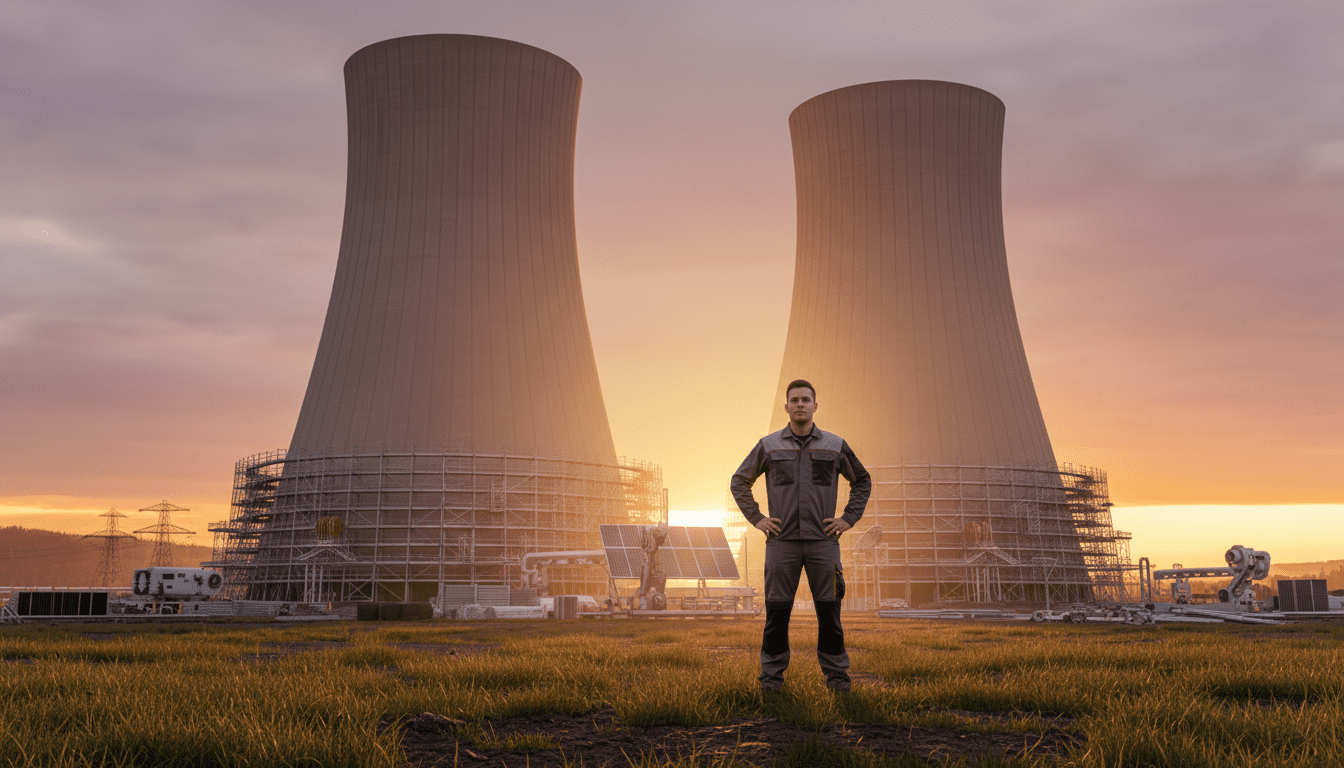
To truly grasp the magnitude of the AI nuclear power plant movement, one must look at the unprecedented revival of Three Mile Island. Unit 1 of the Pennsylvania nuclear plant, which sits adjacent to the site of America’s worst commercial nuclear accident, was shut down in 2019 purely for economic reasons, as it could not compete with cheap natural gas.
However, the AI boom completely rewrote the economic playbook. Recognizing the desperate need for clean, firm baseload power, Microsoft stepped in and signed an exclusive 20-year power purchase agreement with Constellation Energy to resurrect the plant. Backed by a $1 billion loan guarantee from the Department of Energy, the facility is currently undergoing massive refurbishments and is slated to return to the grid in 2028 as the Crane Clean Energy Center. This case study perfectly illustrates that tech companies are no longer just passive consumers of electricity; they are actively financing and shaping the revitalization of the American nuclear energy sector through the AI nuclear power plant model to ensure their digital infrastructure survives the coming decade.
“This final rule is a major NRC action that provides a clear risk-informed, technology inclusive licensing framework to enable new nuclear energy to safely move faster from concept to construction… keeping safety at the forefront while aligning to the evolving nuclear energy landscape.” – Ho K Nieh, NRC Chairman.
“Demand for data centers and processing has just exploded exponentially because of AI… I don’t think places are acknowledging all the costs.” – Kim Rueben, Former Senior Fiscal Systems Advisor, Lincoln Institute.
Data Table: Energy Source Viability for AI Data Centers
| Energy Source | Deployment Timeline | Capacity Factor | Land Footprint | Grid Independence Capability |
|---|---|---|---|---|
| Large Nuclear Fission | 10–15 Years | ~92% | Small | Low (Tied to Main Grid) |
| Small Modular Reactors | 5–8 Years | ~92% | Ultra-Small | High (Ideal for Microgrids) |
| Natural Gas (Combined) | 3–5 Years | ~87% | Moderate | Moderate (Requires Pipelines) |
| Onshore Wind | 2–4 Years | ~35% | Massive | Low (Highly Intermittent) |
| Solar PV | 2–4 Years | ~25% | Massive | Low (Requires Massive BESS) |
Unique Insight: The Jevons Paradox of AI Efficiency
A common counterargument to the looming energy crisis is that technology always becomes more efficient. It is true that custom silicon like Google’s TPUs and Nvidia’s Blackwell chips are driving down the energy cost per AI query. However, this introduces a well-documented economic concept known as the Jevons Paradox: when a resource becomes cheaper and more efficient to use, total aggregate usage actually rises rather than falls.
Because the cost of AI inference is dropping rapidly, generative AI is being embedded into millions of everyday workflows, applications, and devices. This induced demand means that even though individual chips are highly optimized, the total data center energy consumption will continue to skyrocket. We cannot simply engineer our way out of this energy deficit with better software; the sheer volume of AI adoption necessitates a fundamental expansion of raw, physical power generation. This paradox is the exact reason why long-term, high-output solutions like Small Modular Reactors and even exploratory investments in nuclear fusion have become absolute necessities for the survival of the digital economy.
FAQs
What are Small Modular Reactors (SMRs)?
Small Modular Reactors are advanced nuclear reactors with a power capacity typically up to 300 MW(e) per unit. Unlike traditional reactors, they are designed to be factory-assembled in modules and transported to a site, significantly reducing construction times, lowering capital costs, and enhancing safety through passive cooling systems.
Why can’t data centers just rely on solar and wind power?
AI data centers require 24/7, uninterrupted baseload power to function. Solar and wind are intermittent energy sources with low capacity factors (25% and 35%). Without massive, cost-prohibitive battery storage, renewables cannot guarantee the constant uptime required for critical AI workloads.
How much electricity does an AI data center consume?
Data center energy consumption is staggering. A single hyperscale AI data center can consume over 100 MW of power, and global data center electricity demand is projected to reach 945 TWh by 2030, which is more than the entire electricity consumption of Japan.
What is the US grid interconnection queue?
The interconnection queue is the backlog of proposed power generation projects waiting to be connected to the public electricity grid. Currently, there are over 2,600 GW of capacity waiting in the US queue, with a median wait time of five years, creating a massive bottleneck for new data center developments due to grid constraints.
How does the NRC Part 53 rule help an AI nuclear power plant?
The NRC’s Part 53 rule is a new, technology-neutral licensing framework that allows designers of advanced reactors (like molten salt or gas-cooled designs) to use risk-informed analyses to prove safety. It aims to cut regulatory review times to 18 months, drastically speeding up the deployment of SMRs for an AI nuclear power plant.
What is behind-the-meter generation?
Behind-the-meter generation refers to power systems—like an SMR or solar array—that are installed directly on the site of the energy consumer (such as a data center). This allows the facility to use the power directly without relying on the public transmission grid, bypassing interconnection delays and grid congestion.
Are tech companies investing in nuclear fusion?
Yes. In addition to traditional fission, tech giants are making long-horizon bets on nuclear fusion. Microsoft has signed a commercial fusion power agreement with Helion Energy, and Google has invested in Commonwealth Fusion Systems, signaling a willingness to fund the full spectrum of next-generation carbon-free energy.
Conclusion & CTA
The explosive rise of artificial intelligence has pushed our digital infrastructure to the absolute brink. As the power grid buckles under the weight of massive interconnection queues and soaring data center energy consumption, the technology industry has realized that the path forward cannot rely solely on the wind and the sun. The dawn of the AI nuclear power plant is here. By backing the revival of legacy plants like Three Mile Island and pioneering the deployment of Small Modular Reactors, tech giants are ensuring that the future of AI is built on a foundation of clean, resilient, and carbon-free energy.
The era of the AI nuclear power plant microgrid is just beginning, and it promises to redefine how we power the digital economy for decades to come. What are your thoughts on having mini nuclear reactors powering the internet in your state? Let us know in the comments below, and be sure to share this article with anyone fascinated by the intersection of AI and energy!
Related Articles
- ● Textile Recycling Technology 2026: Turning Old Clothes into New
- ● Solar Power 2026: How It Became the World’s Cheapest Energy
- ● Sand Batteries Explained: How Finland Stores Energy in Sand
Sources: