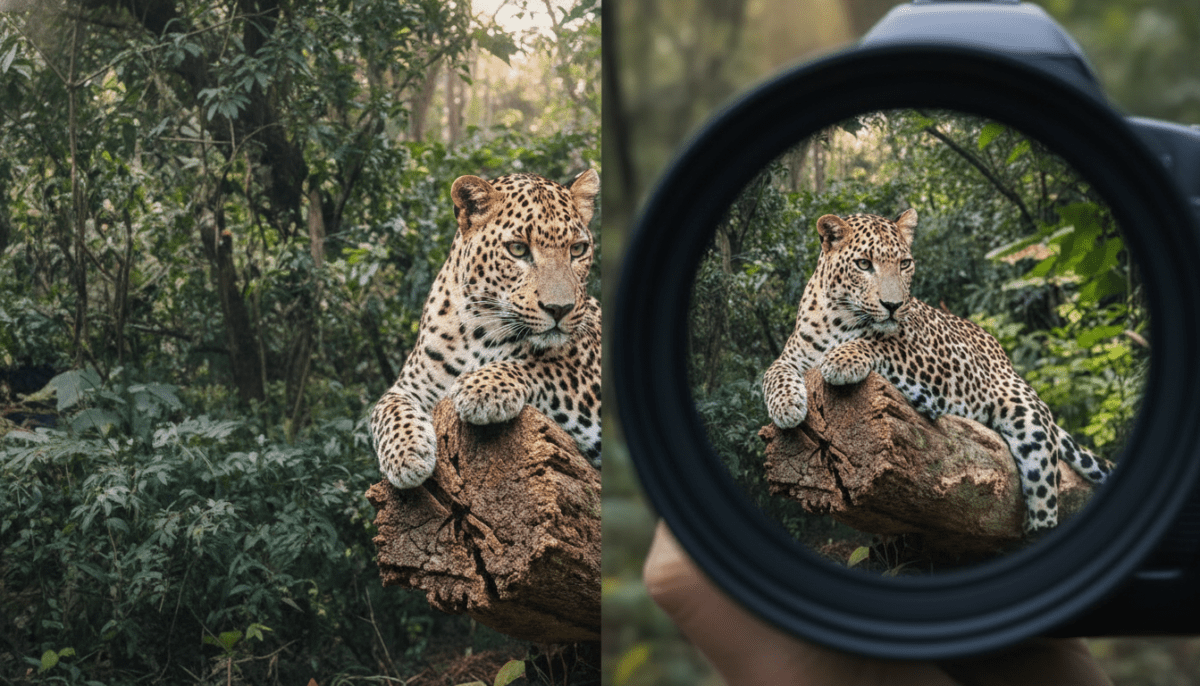
We live in an era where a single, breathtaking image of a rare animal can instantly go viral, inspiring millions to pack their bags and head into the wilderness. The allure of capturing the perfect shot has transformed the way we travel, turning casual vacationers into amateur wildlife documentarians. However, this explosive surge in global travel has revealed a dark, complicated reality about our relationship with the natural world. Wildlife photo tourism is a complex double-edged sword; while aggressive photography has led to severe animal distress and even species extinction, well-managed, community-led conservation can actively restore endangered populations and fund vital conservation efforts. Engaging in wildlife photo tourism responsibly is now more important than ever to mitigate negative ecotourism impacts.
The intense demand for wildlife photography is currently causing severe localized issues across the globe. Recent studies and tragic real-world events have linked aggressive wildlife photo tourism to the presumed extinction of seven of the world’s rarest frog species, as photographers destroyed fragile micro-habitats in pursuit of macro shots. Similarly, major reserves in Sri Lanka are currently dealing with severe overcrowding and profound animal distress, caused entirely by speeding safari jeeps ruthlessly chasing the perfect photograph. Yet, the narrative is not entirely bleak. Conversely, when managed correctly, wildlife photo tourism still works beautifully. A trending success story out of Thailand proves that community-led, regulated ecotourism is directly responsible for rebounding wild cattle populations, showcasing the profound benefits of ethical wildlife photography.
TL;DR: Quick Summary
- The Catastrophic Extremes: Aggressive wildlife photo tourism has been directly linked to the presumed extinction of seven of the world’s rarest frog species due to habitat trampling and severe disturbance.
- The Safari Crisis: In Sri Lanka, national parks are facing an epidemic of overcrowding, where speeding safari jeeps chasing aesthetic photographs for wildlife photo tourism are causing immense animal distress and altering natural behaviors.
- The Positive Potential: Thailand offers a beacon of hope; their recent success story demonstrates that community-led conservation and strictly regulated ecotourism can lead to the rebounding of endangered wild cattle populations.
- The Ethical Imperative: True ecotourism requires respecting animal autonomy, treating wildlife as sentient beings with their own interests, and prioritizing their well-being over social media validation in wildlife photo tourism.
- The Solution: Implementing non-invasive observation techniques, maintaining strict distances, and empowering local indigenous communities are the keys to mitigating negative ecotourism impacts.
What is Wildlife Photo Tourism Doing to Vulnerable Species?
To understand the sheer impact of wildlife photo tourism, we must look at the devastating extremes of human interference. The heartbreaking presumed extinction of seven rare frog species perfectly encapsulates the danger of the “perfect shot.” Amphibians are incredibly sensitive to environmental changes; their permeable skin and highly specific micro-habitats mean that even minor disruptions can be fatal. When hundreds of macro-photographers descend upon a tiny, fragile ecosystem for wildlife photo tourism, they trample the undergrowth, introduce foreign pathogens, and cause immense stress to the subjects.
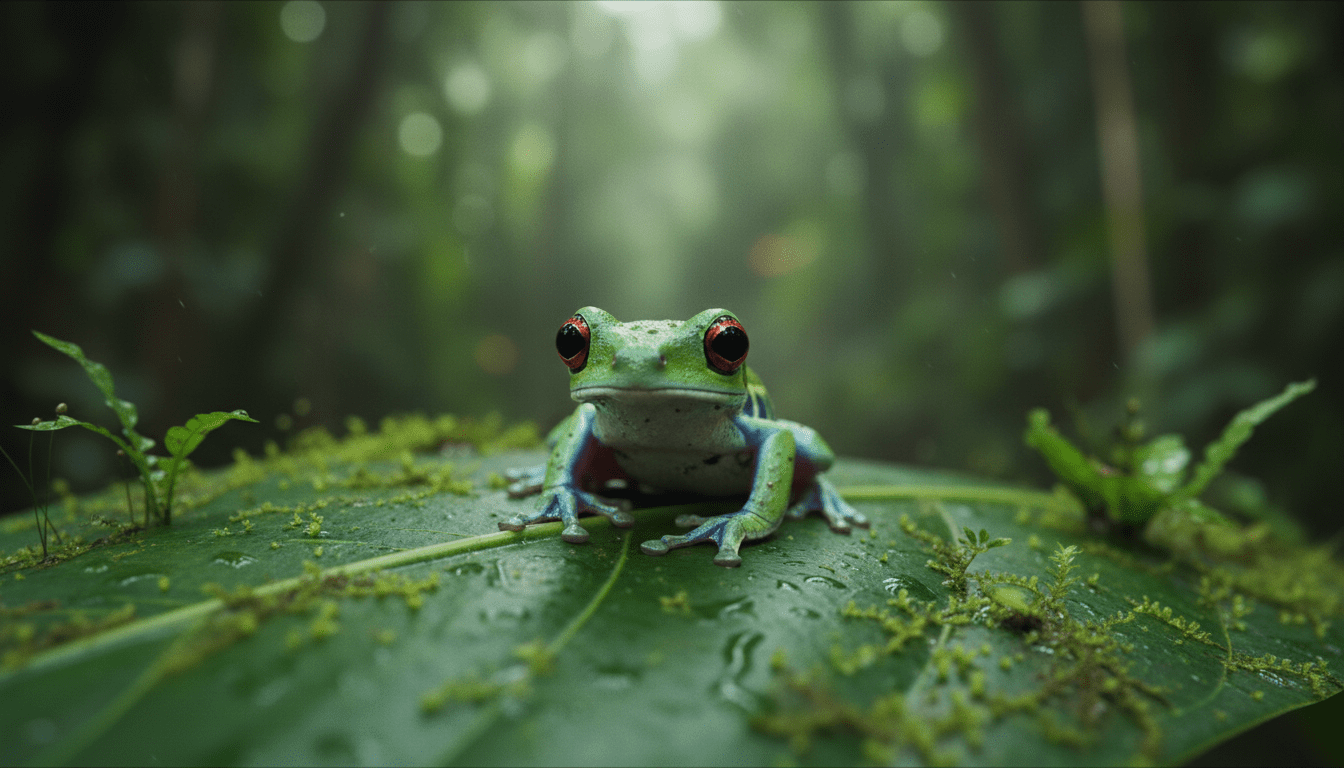
From an ethical and biological standpoint, this level of interference is catastrophic. In the noble pursuit of understanding and documenting nature through wildlife photo tourism, the ethical treatment of animals must stand as a cornerstone. When humans repeatedly disturb wildlife for photography, they introduce profound stress. Stressed animals may exhibit behaviors and physiological responses that deviate entirely from their natural state, fundamentally skewing their ability to survive, mate, and forage. The pursuit of a photograph should never come at the expense of an individual animal’s ethical treatment or a species’ survival.
When and Where Does Ecotourism Become Harmful?
The tipping point between conservation and harm often occurs when commercial interests overshadow ecological boundaries. A glaring example is currently unfolding in the major wildlife reserves of Sri Lanka. Here, the promise of spotting elusive leopards or majestic elephants has led to severe overcrowding. Dozens of speeding safari jeeps routinely surround single animals, cutting off their escape routes and creating a chaotic, terrifying environment, all so tourists can engage in wildlife photo tourism.
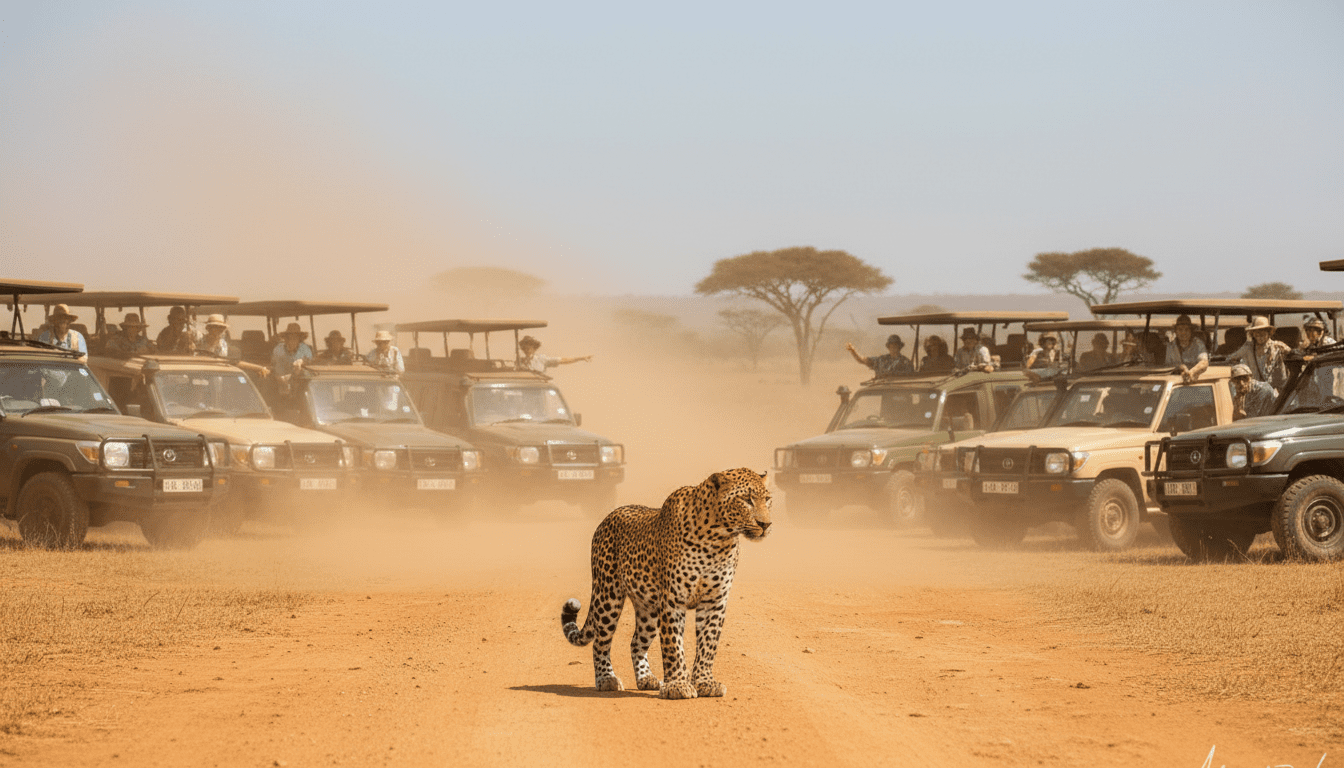
This aggressive approach to wildlife photo tourism completely violates the fundamental principle of respecting animal autonomy. Central to ethical observation is acknowledging that animals are sentient beings with their own interests, behaviors, and instincts, deserving of respect in their natural habitats. When safari jeeps chase animals, they cause unnecessary disruptions to the animals’ natural behaviors and daily routines. Furthermore, this vehicular chaos disrupts the complex social structures and hierarchies of the animals; interference of this magnitude within wildlife photo tourism can have far-reaching, detrimental consequences for the animals’ lives and their broader communities.
How Can Community-Led Conservation Turn the Tide?
While the negatives are stark, the positive ecotourism impacts are equally powerful when managed correctly within wildlife photo tourism. A trending success story from Thailand demonstrates exactly how the narrative can be flipped. By shifting the power dynamic from external commercial tour operators to local residents, Thailand has utilized community-led, regulated ecotourism to directly rebound their wild cattle populations.
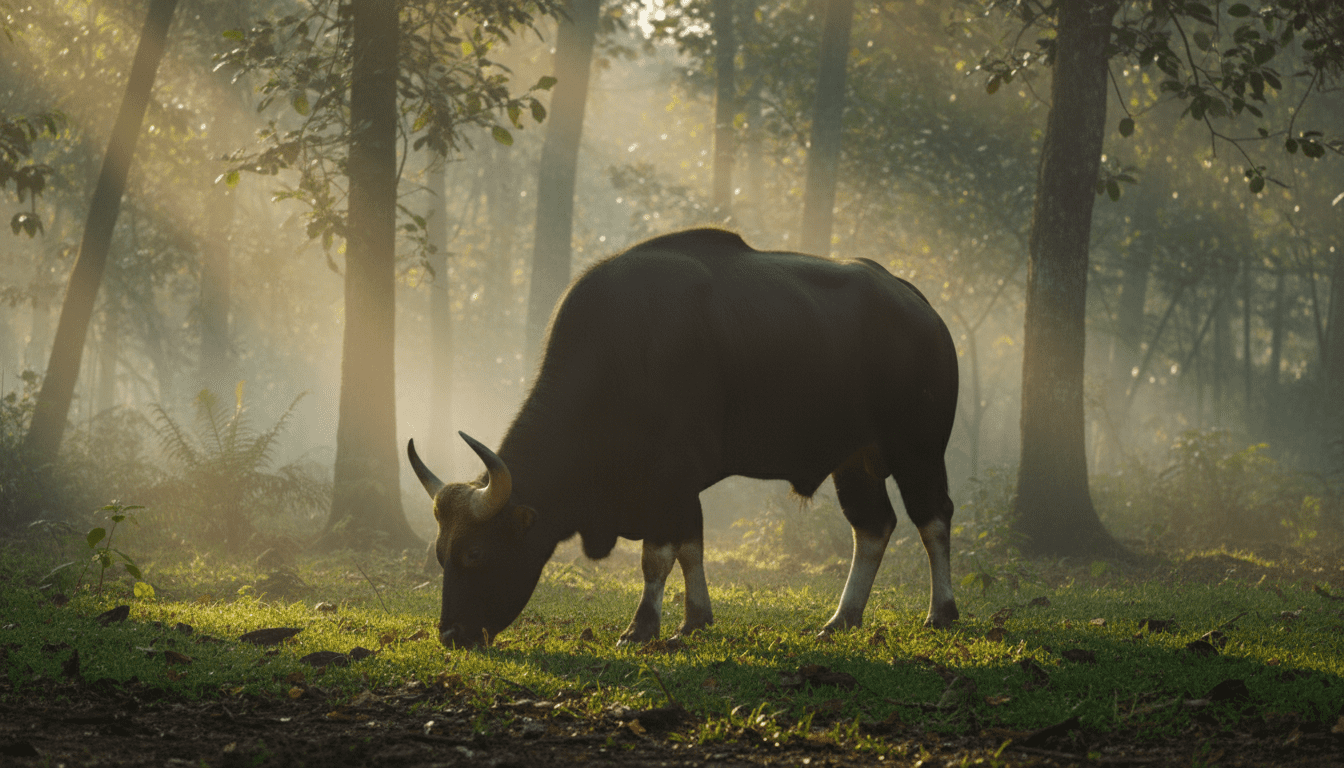
The secret to this success lies in informed consent and active community integration. Local and indigenous communities often possess a deep, unparalleled understanding of the animals in their ecosystems, offering invaluable insights into ethical practices that align with the animals’ autonomy and cultural significance. When conservationists and governments establish mutually beneficial partnerships that empower these communities, the locals become the primary protectors of the wildlife. By co-creating ecotourism plans and engaging in ongoing dialogue, the community ensures that wildlife photo tourism remains low-impact, sustainable, and highly regulated. The revenue generated from ethical wildlife photography then flows directly back into the community, creating a powerful economic incentive to protect the wild cattle rather than poach them or destroy their habitat.
Who is Responsible for Enforcing Ethical Wildlife Photography?
The responsibility for transforming wildlife photo tourism from a destructive force into a conservation tool is shared among three primary groups: governments/park authorities, local guides, and the tourists themselves. Park authorities must prioritize the welfare of animals throughout the entire process of tourism management, implementing strict caps on vehicle numbers and enforcing heavy penalties for off-roading.
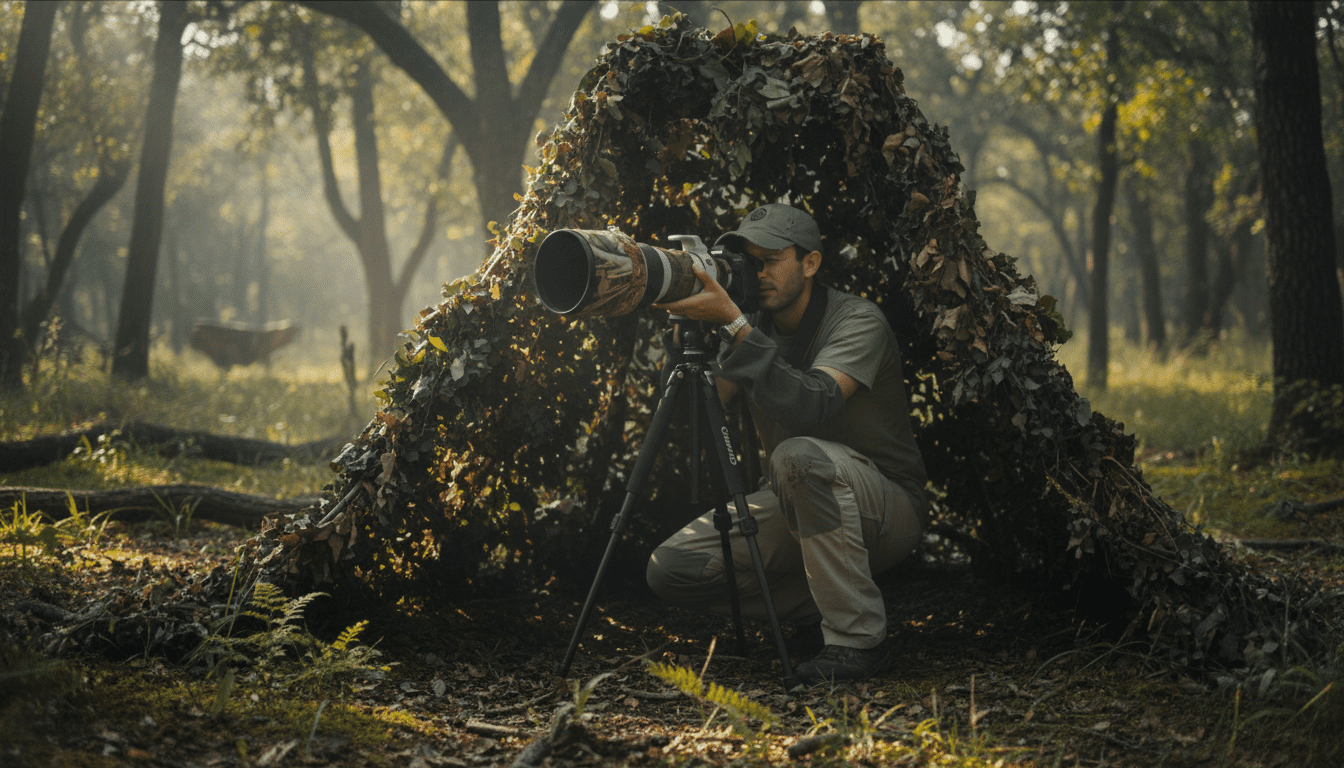
However, the ultimate responsibility often falls on the person holding the camera. Ethical wildlife photography demands the meticulous mitigation of human impacts during wildlife photo tourism. This involves the adoption of non-invasive techniques—such as using long telephoto lenses, camera traps, or remote acoustic monitoring—that allow humans to observe animals from a distance without causing them direct distress or altering their natural behaviors.
Step-by-Step Guide: How to Practice Ethical Wildlife Photography
If you are planning a trip to engage in wildlife photo tourism, it is entirely possible to capture stunning images without contributing to animal distress. Follow this precise, step-by-step guide to ensure your presence is positive:
- Research the Operator: Before booking a safari or guided tour for wildlife photo tourism, heavily research the company’s ethical guidelines. Ensure they prioritize community-led conservation and have strict rules against baiting, crowding, or chasing wildlife.
- Maintain a Non-Intrusive Presence: Always respect animal autonomy. Strive to interact with the environment in a way that minimizes interference, allowing the animals to go about their lives completely undisturbed.
- Invest in the Right Gear: Do not force close encounters. Use high-quality telephoto lenses (400mm or longer) so you can capture intimate, detailed portraits while remaining hundreds of feet away.
- Read the Animal’s Body Language: Learn to recognize signs of animal distress. If an animal stops feeding, repeatedly looks at you, vocalizes aggressively, or attempts to move away, you are too close. You must immediately retreat.
- Never Use Playbacks or Bait: Do not use artificial calls, food bait, or high-powered flashes to manipulate an animal into a “better” pose. This alters their natural state and can make them dangerously habituated to humans.
- Support the Local Economy: Ensure your tourism dollars are supporting community-led initiatives, much like the successful wild cattle programs in Thailand. Stay in locally owned lodges and hire indigenous guides.
Benefits & Features of Highly Regulated Wildlife Photo Tourism
When the chaotic, unregulated aspects of wildlife photo tourism are eliminated, the resulting highly regulated ecotourism model offers incredible benefits for both the environment and humanity:
- Ecosystem Restoration: Regulated wildlife photo tourism actively prevents habitat destruction, allowing flora and fauna to recover organically without the constant threat of human trampling.
- Economic Empowerment: Integrating local communities into the tourism model provides sustainable livelihoods, lifting indigenous populations out of poverty while honoring their traditional ecological knowledge.
- Funding for Anti-Poaching: The revenue generated from park fees and ethical wildlife photography permits directly funds ranger salaries, equipment, and advanced anti-poaching technologies.
- Genuine Behavioral Observation: By minimizing stress and maintaining a respectful distance during wildlife photo tourism, photographers are rewarded with images of true, natural behaviors rather than panicked or defensive reactions.
Real-World Case Study: The Dichotomy of Sri Lanka and Thailand
To truly grasp the ecotourism impacts of wildlife photo tourism we face today, we must look at the stark contrast between current practices in Sri Lanka and Thailand.
In Sri Lanka, several world-renowned national parks have fallen victim to their own popularity. The lack of strict vehicular regulation has created an environment where the pursuit of the photograph overrides basic ecology. When a leopard is spotted, it is not uncommon for up to fifty loud, diesel-chugging safari jeeps to converge on the location within minutes. This aggressive swarming triggers acute animal distress. The animals are frequently blocked from accessing water sources or returning to their young. This scenario perfectly highlights the ethical failure of ignoring an animal’s capacity for self-determination; the relentless pressure from unregulated wildlife photo tourism severely impacts their well-being and skews their natural behaviors.
Conversely, the wild cattle conservation project in Thailand represents the pinnacle of ethical wildlife photography management. Recognizing that unregulated tourism would destroy the fragile cattle populations, authorities handed the reins to the local communities. They instituted strict daily limits on visitor numbers and mandated that all tours be led by local indigenous guides who understand the precise social structures and thresholds of the cattle herds. The guides enforce strict viewing distances and absolute silence. Because the local community directly profits from the survival of the cattle, poaching has plummeted. The result? A thriving, rebounding population of an endangered species, proving that transparency, informed consent, and community empowerment are the ultimate tools for successful wildlife photo tourism.
“In the noble pursuit of wildlife conservation research, the ethical treatment of animals stands as a cornerstone… ethical researchers focus on minimizing stress and harm.”
“Respecting animal autonomy in wildlife conservation research requires a delicate balance between conservation goals and the intrinsic value of individual animals. Ethical researchers recognize that animals are sentient beings deserving of respect and autonomy in their natural habitats.”
Data Table: The Impacts of Unregulated vs. Regulated Wildlife Photo Tourism
| Core Metric | Unregulated Photo Tourism | Community-Led Regulated Ecotourism | Long-Term Ecological Impact |
|---|---|---|---|
| Animal Stress Levels | Extremely High (Chasing, crowding, baiting) | Minimal (Strict distance enforcement) | Chronic distress vs. Natural behavioral expression |
| Habitat Integrity | Severe Degradation (Trampling, off-roading) | Preserved (Designated trails, low foot-traffic) | Destruction of micro-habitats vs. Thriving ecosystems |
| Local Community Role | Marginalized (Profits leave the region) | Empowered (Direct profit sharing, guiding) | Resentment/Poaching vs. Active Wildlife Protection |
| Tourist Experience | Chaotic, artificial, high-anxiety | Authentic, educational, peaceful | Contributes to extinction vs. Funds active conservation |
| Species Viability | Declining (e.g., 7 rare frog species lost) | Rebounding (e.g., Thailand wild cattle) | Catastrophic loss vs. Sustainable population growth |
Unique Insight: The “Reverse Zoonosis” of Digital Stress
While we frequently discuss zoonotic diseases—pathogens jumping from animals to humans—we rarely discuss what we might call the “Reverse Zoonosis of Digital Stress.” As our society becomes increasingly obsessed with digital validation, social media metrics, and instant gratification, we are unknowingly transmitting our modern, fast-paced psychological anxieties directly into the wild through wildlife photo tourism.
When a tourist demands that a safari driver speed through a forest to beat another jeep to a leopard sighting, they are projecting human impatience and competitive toxicity onto an ecosystem that operates on deep, ancient rhythms. This aggressive wildlife photo tourism forces animals into a constant state of hyper-vigilance, flooding their systems with cortisol. We are literally loving nature to death, demanding that wildlife perform for our digital portfolios at the expense of their own survival. The ultimate irony is that in our desperate rush to document the beauty of the natural world, our unregulated presence fundamentally destroys the exact wildness we traveled so far to capture.
FAQs
What exactly is wildlife photo tourism?
Wildlife photo tourism is a specific niche of ecotourism where the primary motivation of the traveler is to photograph animals in their natural habitats. While it can generate immense conservation funding, it becomes problematic when the desire for a photograph leads to unethical behavior, crowding, or habitat destruction.
How did wildlife photo tourism lead to the presumed extinction of frog species?
Amphibians are highly vulnerable to habitat disturbance. In the pursuit of capturing extreme macro photographs of these rare frogs, large volumes of photographers repeatedly trampled their delicate micro-habitats, disrupted breeding grounds, and potentially introduced lethal foreign pathogens, leading to the collapse of seven distinct species.
Why is the safari situation in Sri Lanka considered a crisis?
In several Sri Lankan national parks, a lack of strict vehicle limits means that dozens of speeding safari jeeps frequently crowd around single animals. This aggressive pursuit blocks animal movement, causes acute animal distress, and prevents wildlife from hunting, resting, or caring for their young naturally.
What does “respecting animal autonomy” mean in ecotourism?
Respecting animal autonomy means acknowledging that wildlife are sentient beings with their own interests, instincts, and right to self-determination. In tourism, it means avoiding unnecessary disruptions, maintaining a non-intrusive presence, and allowing animals to go about their lives completely undisturbed.
How did Thailand successfully rebound its wild cattle populations?
Thailand succeeded by implementing community-led conservation. By shifting tourism management to local indigenous communities and enforcing strict regulations on visitor numbers and viewing distances, the locals gained a direct economic incentive to protect the cattle, drastically reducing poaching and stress on the herds.
Why is community-led conservation so effective?
Local communities possess invaluable traditional knowledge about their ecosystems. When ecotourism establishes mutually beneficial partnerships that empower these communities, it ensures that conservation efforts align with their values and needs, turning locals into the ultimate guardians of the wildlife.
What are non-invasive techniques in ethical wildlife photography?
Non-invasive techniques involve observing and photographing animals without altering their behavior or causing stress. This includes using long telephoto lenses to maintain vast distances, utilizing quiet camera traps, avoiding flash photography, and never using food bait or artificial animal calls to manipulate a subject.
Conclusion
The phenomenon of wildlife photo tourism is undeniably a double-edged sword. On one side, the insatiable hunger for breathtaking imagery has pushed fragile ecosystems to the brink, trampling rare frog species into extinction and turning serene Sri Lankan reserves into high-stress, chaotic highways. Yet, on the other side, we have shining examples like Thailand’s rebounding wild cattle, proving that when ecotourism impacts are carefully managed through community-led conservation and deep ethical respect for animal autonomy, wildlife photo tourism can be the ultimate savior of endangered species.
The power to choose which edge of the sword we wield lies entirely with us. As travelers, photographers, and nature enthusiasts, we must demand better from the industry and from ourselves. We must prioritize the well-being of the subject over the aesthetic of the shot. Before you book your next wildlife adventure, take the time to research ethical, community-driven operators. Commit to maintaining your distance, respecting the wild, and protecting the magnificent creatures that make this planet so profoundly beautiful. Share this article with your fellow travelers and photographers, and let’s work together to ensure that our pursuit of the perfect image helps preserve the natural world, rather than destroy it.
Related Articles:
- Travel to Tungnath: 7 Ultimate Tips for the Perfect Trek
- The Ultimate Varkala Travel Guide: Discovering Kerala’s Cliffside Paradise
- A Soulful Guide to Munnar: Budget, Hidden Gems, and the Magic of the Mist
Sources: