Last Updated: 14 July 2026, 02:30 PM IST | Fact Checked By: SpotlightersPost Editorial Team
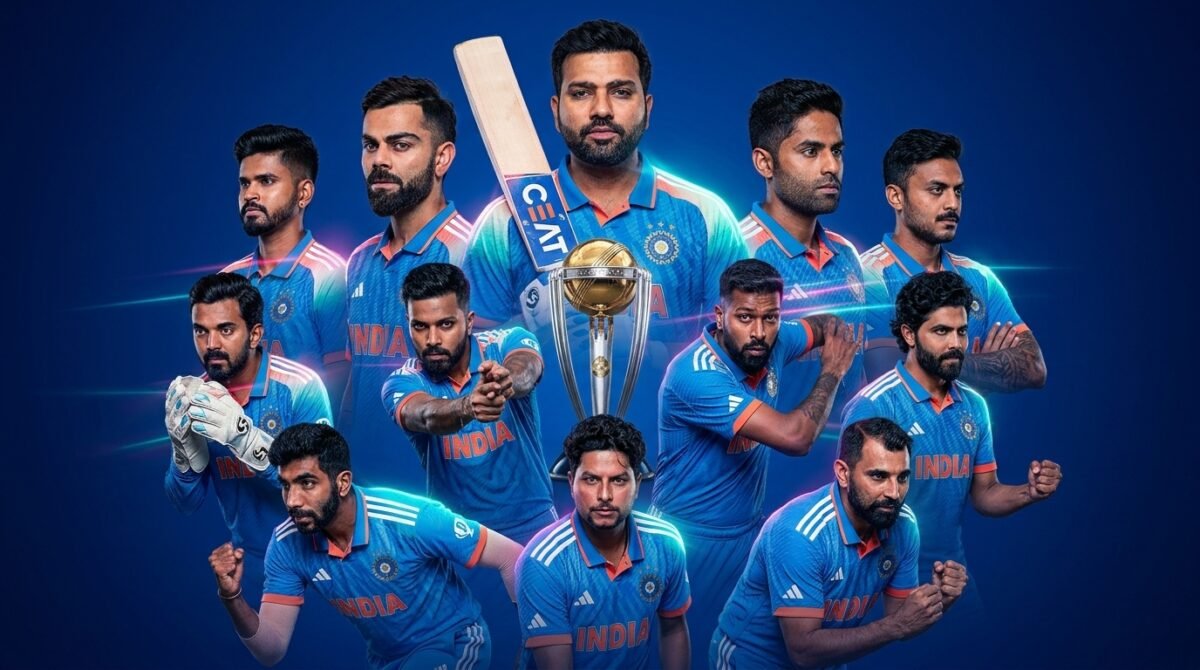
Team India’s 2027 World Cup plans officially starts on Tuesday, July 14, 2026, with the first ODI against England at Edgbaston. Coach Gautam Gambhir and the selectors are introducing a rotation policy to rest senior players and provide younger talent with more experience before the tournament in South Africa, Namibia, and Zimbabwe. Under this new plan, the BCCI will assess Rohit Sharma and Virat Kohli individually rather than together, managing their roles based on their specific needs.
Featured Snippet Block
What are India’s 2027 World Cup plans for senior players?
TL;DR:India’s 2027 World Cup plans rely on senior icons Virat Kohli and Rohit Sharma as the squad’s backbone. But, to manage physical workloads and test young talents, the team is implementing the Gautam Gambhir rotation policy, periodically resting senior players during bilateral ODI series to prevent pre-tournament breakdowns.
The Blueprints of Tomorrow: Inside India’s 2027 World Cup Plans
Shubman Gill Confirms a Settled Core with Room for Emerging Talent
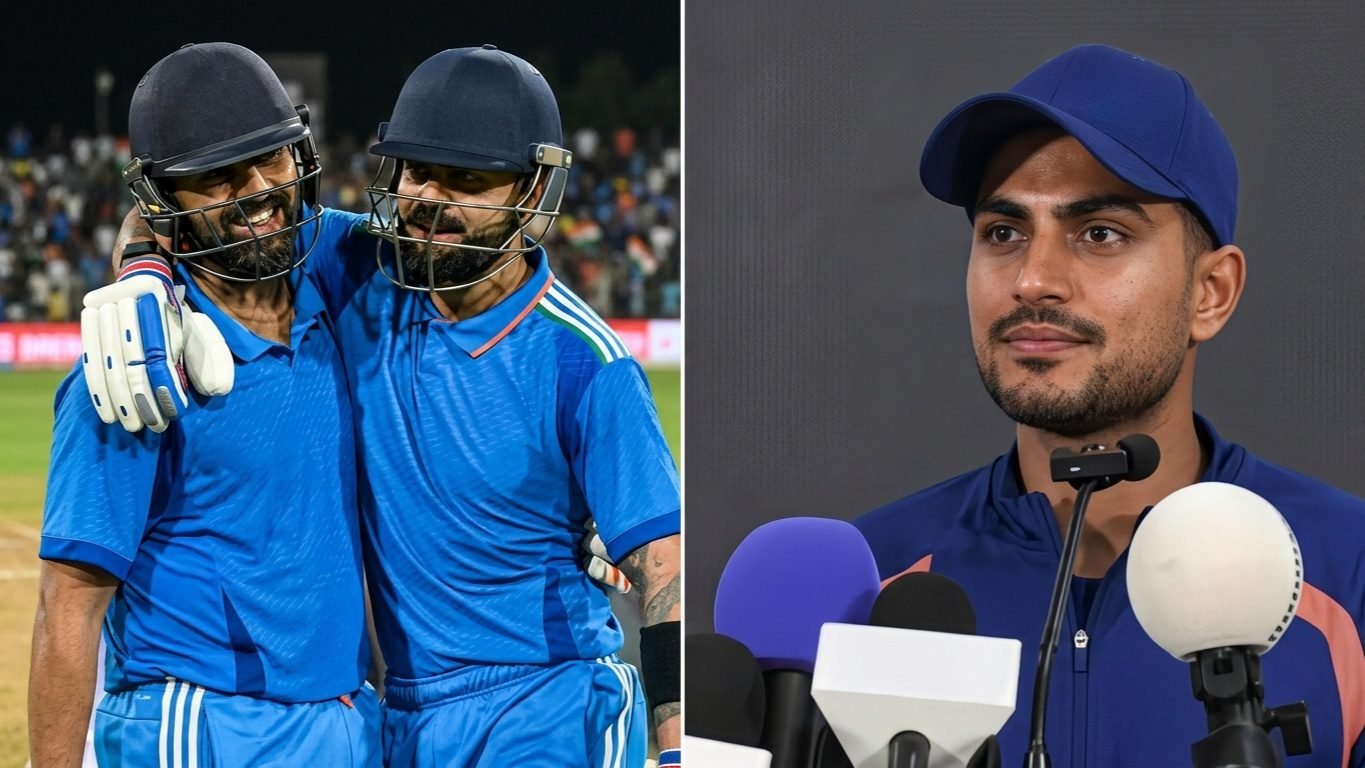
Captain Shubman Gill has backed Rohit Sharma and Virat Kohli, describing them as the backbone of India’s batting. The Shubman Gill ODI captain dismissed suggestions that their positions are under threat, stating that the senior players’ spots are safe, explaining that their experience and ability to handle pressure are still essential for the team. Rather than making big changes, the team plans to bring in younger players to support the existing core. Gill also shared that he and Kohli spent time practicing in Birmingham to discuss their strategy and future plans for the team and solidify India’s 2027 World Cup plans.
Instead of changing the batting order completely, the team plans to use upcoming matches to let new players gain experience alongside the experienced stars. This strategy helps build a deeper team roster without disrupting the main lineup. Gill confirmed that the duo remains central to the squad’s overall strategy, ensuring that India’s 2027 World Cup plans are supported by players who have already shown they can win at the highest level.
Edgbaston and Beyond: Mirroring South African Conditions in England
The three match series in England is more than a bilateral contest; it is an experimental base. Gill noted that the pace and bounce of English wickets offer the closest match to the conditions India will face in South Africa during the 2027 World Cup. Preparing in these challenging overseas environments allows selectors to test various combinations against top-tier pace. It helps the coaching staff determine which youngsters can adapt to fast, bouncing tracks, which is a critical element of India’s 2027 World Cup plans.
Gautam Gambhir’s Workload Management: Deciphering the Rotation Policy
The Senior Dilemma: Convincing Non-T20I Veterans to Sit Out Bilaterals
Implementing the Gautam Gambhir rotation policy is functionally difficult because senior stalwarts like Rohit, Kohli, and KL Rahul have retired from international T20 cricket, leaving ODIs as their primary white ball format.
Getting experienced players to agree to sit out of some matches will be a major challenge for the management, especially since they don’t play international cricket very often. The team must clearly explain how taking breaks now helps them stay fit and keep playing longer, particularly since Virat Kohli Rohit Sharma ODIs form the absolute emotional and tactical core of India’s top order under India’s 2027 World Cup plans.
Rohit’s Afghanistan Pushback: Yashasvi Jaiswal’s Ongoing Opener Quest
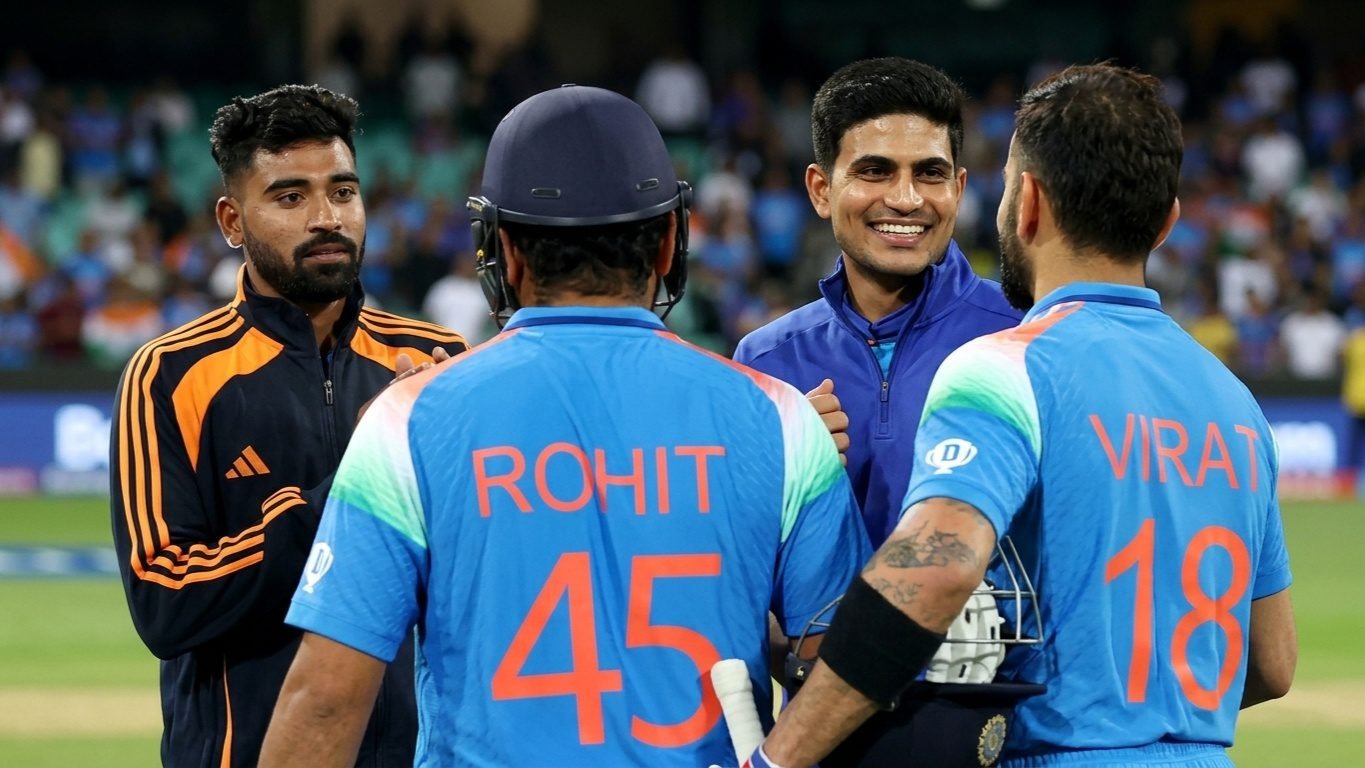
The rotation policy’s practical limits became evident during June’s ODI series against Afghanistan. The management intended to rest Rohit Sharma for the final fixture in Chennai to give Yashasvi Jaiswal an opening opportunity. Rohit declined the rest. To accommodate him, Gill dropped to No. 3, allowing Rohit and Jaiswal to open. This highlighted the friction that can occur when executing India’s 2027 World Cup plans with legends who prefer to maintain their playing rhythm.
Jaiswal was subsequently left out of the England squad despite scoring two centuries in his last three ODI innings, placing immediate pressure on Rohit to find his rhythm early in the tour. If Rohit’s form struggles in England, his place in upcoming bilateral series may no longer be guaranteed, which could force Jaiswal back into the opening slot.
The team management wants to avoid a scenario where a key player breaks down just before the tournament, leaving an under prepared squad with zero backup options under India’s 2027 World Cup plans.
Judged Separately: Why Rohit Sharma and Virat Kohli Are No Longer ‘Ro-Ko’
Hamstring Loads and the COE Gap: Rohit’s Durability Without an IPL Impact Sub
The BCCI selection committee is no longer clubbing Rohit Sharma and Virat Kohli in the same physical bracket when finalizing India’s 2027 World Cup plans. There are serious concerns about Rohit’s physical ability to field for a full 50 overs without sustaining soft tissue injuries. During the IPL, Rohit suffered a hamstring injury, missing four matches for Mumbai Indians.
Upon his return, he was shielded as an “Impact Player,” a luxury not available in international ODI cricket. Additionally, Rohit did not report to the Centre of Excellence (COE) for his scheduled three-week recovery program, which raised red flags within the medical team. While he has shed weight and appears lean, his physical durability remains under tight medical review. This separate assessment is a pivotal pillar of the BCCI’s physical workload strategy under India’s 2027 World Cup plans.
Elite Conditioning in London: Kohli’s Unending Preparation at Lord’s
Conversely, Virat Kohli continues to set elite fitness standards. Even during personal breaks, Kohli has trained intensely in the indoor facilities at Lord’s, ensuring he returns to international duty with virtually no rust. Consequently, selectors are evaluating Kohli purely on batting form, whereas Rohit’s road to 2027 is strictly dependent on medical clearances and workload durability. This fitness gulf is why the two legends can no longer be judged together as a single entity as the selectors map out India’s 2027 World Cup plans.
Behind the Stumps: Establishing a Wicketkeeping Cushion Behind KL Rahul
KL Rahul’s Versatile Transition to India’s Permanent No. 5 Anchor
KL Rahul has successfully rebranded himself as India’s premier middle order anchor. Batting at No. 5, Rahul has provided exceptional stability, showing the versatility to absorb top order collapses, rotate strike under pressure, and accelerate in the death overs. His multi dimensional skills are essential to India’s 2027 World Cup plans, giving the team the tactical flexibility to balance its lineup against varied oppositions.
Backup Screenings: Testing Ishan Kishan as the Secondary Keeper
To avoid pre-tournament selection crises, the team is actively grooming backup options behind Rahul. During the Afghanistan tour, the selectors strategically rotated the glovework, resting Rahul in the final ODI to give Ishan Kishan game time behind the stumps. This ongoing testing process ensures India has multiple match ready options capable of handling dual keeper batsman roles, which is a major focus of India’s 2027 World Cup plans.
Selectorial Continuity: Ajit Agarkar’s Contract Extended to June 2027
A Fearless Stance: Agarkar’s Legacy of Ending India’s ICC Trophy Drought
The BCCI is set to extend senior selection committee chairman Ajit Agarkar’s contract by one year until June 2027. This extension rewards Agarkar’s fearless selection decisions and successful transition management. Under his tenure, India ended its ICC trophy drought, securing the 2024 and 2026 T20 World Cups, the 2025 Champions Trophy, and reaching the 2023 ODI World Cup final. This administrative continuity is crucial for cementing India’s 2027 World Cup plans.
Administrative Rationale: Maintaining a Steady Selection Hand
Extending Ajit Agarkar’s contract helps keep the leadership steady. Since the other selectors are still new to their roles, keeping an experienced leader in charge is a smart move. Agarkar has already proven he can make important decisions, such as picking Shubman Gill as Test vice-captain and Suryakumar Yadav as T20I captain.
Preserving the Cap: Sunil Gavaskar’s Sharp Criticisms of Frequent Resting
Cheapening the India Cap: The Case for Annual Mandatory Rest Periods
Former captain Sunil Gavaskar has strongly opposed the rotation policy, arguing that constant changes “cheapen” the prestige of wearing the national cap. Gavaskar maintains that representing India must be earned through performance rather than handed out because regular players are being rested. Instead of resting fit players during bilateral matches, he proposed enforcing at least one month of mandatory rest for senior cricketers annually.
He also referenced historical parallels like MS Dhoni’s 2012 CB Series rotation, which successfully rested players like Sachin Tendulkar, Sehwag, and Gautam Gambhir himself to groom the next generation of players. However, Gavaskar warned that while workload management is vital, excessive bilateral changes dilute the core prestige of national selection.
This cautionary stance remains an important counter-perspective to the board’s execution of India’s 2027 World Cup plans.
Viewer Fatigue: Congested Schedules and Half-Empty Bilateral Stadiums
Gavaskar also highlighted that excessive resting and packed calendars are alienating fans. He noted that the final two ODIs against Afghanistan in Lucknow and Chennai saw half-empty stadiums, warning that continuous cricket without consistent star participation leads to viewer fatigue and drops in engagement.
Frequently Asked Questions (FAQs)
What are India’s 2027 World Cup plans for Rohit Sharma and Virat Kohli?
Captain Shubman Gill confirmed that both Rohit Sharma and Virat Kohli remain central to India’s 2027 World Cup plans. Describing them as the backbone of the batting lineup, Gill emphasized that their experience, skill, and composure under pressure are crucial for integrating the next generation.
Why is Gautam Gambhir implementing a rotation policy?
Head coach Gautam Gambhir and the selectors are implementing a rotation policy to manage the workloads of senior players and test younger, inexperienced prospects. The team management wants to avoid a situation where a key player breaks down before the World Cup without a well-prepared backup, which is key to India’s 2027 World Cup plans.
Did Rohit Sharma refuse to rest during the Afghanistan series?
Yes, during the three-match ODI series against Afghanistan in June 2026, the team management proposed resting Rohit Sharma for the final fixture to give Yashasvi Jaiswal an opening opportunity. Rohit declined to rest, prompting captain Shubman Gill to drop to No. 3 to accommodate both players.
Why is the BCCI judging Rohit Sharma and Virat Kohli separately?
The BCCI is no longer clubbing Rohit and Virat together because of a gulf in their fitness levels. While Kohli remains one of the world’s fittest athletes, Rohit’s recent hamstring injury, missed rehabilitation programs, and lack of 50-over workload training have raised distinct physical durability concerns under India’s 2027 World Cup plans.
What are the BCCI’s specific fitness concerns regarding Rohit Sharma?
The board is concerned about Rohit’s ability to withstand the physical load of 50-over fielding without the IPL “Impact Player” cushion. Rohit missed three weeks of rehabilitation at the Centre of Excellence (COE) and was mostly used as an Impact Sub for Mumbai Indians in IPL 2026.
How long is Ajit Agarkar’s contract extended as chief selector?
Ajit Agarkar’s contract has been extended by one year until June 2027, ensuring administrative continuity ahead of the 2027 World Cup. Under Agarkar’s successful tenure, India ended its ICC trophy drought by winning the 2024 and 2026 T20 World Cups and the 2025 Champions Trophy, solidifying India’s 2027 World Cup plans.
What did Sunil Gavaskar say about the BCCI’s rotation policy?
Former captain Sunil Gavaskar strongly criticized the rotation policy, stating that frequent changes “cheapen” the prestige of earning an Indian cap. He argued that international caps must be earned based on performance and merit, rather than handed out simply because a regular player is being rested.
What role does KL Rahul play in India’s 2027 World Cup plans?
KL Rahul is a Core middle-order anchor in India’s 2027 World Cup plans. Transitioning successfully to No. 5, Rahul offers immense tactical versatility, tempo control, and wicketkeeping capability. His multi dimensional skills allow the team to balance youth, experience, and role specific combinations.
Why is the upcoming England ODI series considered so important?
The England ODI series in July 2026 marks the official start of India’s World Cup road map. Captain Shubman Gill noted that the English pitches offer pace and bounce closely resembling the South African conditions the team will encounter during the 2027 marquee tournament, forming a core part of India’s 2027 World Cup plans.
Did Shubman Gill and Virat Kohli discuss the 2027 World Cup road map?
Yes, captain Shubman Gill revealed that he held extensive nets discussions with Virat Kohli in July 2026. They focused on structural planning for the 2027 World Cup, evaluating potential squad combinations, key player roles, and where different prospects would fit best in the team setup under India’s 2027 World Cup plans.
Conclusion: A Strategic Leap of Faith Towards the Ultimate Glory
India’s roadmap to the 2027 World Cup represents a delicate balance between sports science and cricketing legacy. While Gautam Gambhir’s rotation policy is designed to protect senior assets and prepare the next generation, the management must carefully handle player pushback and maintain dressing-room stability.
India’s World Cup success will depend on how well they balance bringing in new players while still making the most of their experienced players. The upcoming series against England marks the official beginning of India’s 2027 World Cup plans, where the coaching staff will begin testing their tactical blueprints on bouncy overseas tracks.
Also Read:
- The Chaotic Day of Football: Breaking Down the Insane FIFA World Cup 2026 Group A and B Results
- Argentina vs Algeria World Cup 2026 Review: Messi Shines AgainManchester United vs Brentford: Analyzing Carrick’s Tactical Brilliance and the 2-1 Victory
- The Complete Guide to the FIFA World Cup 2026 India broadcast: Why Nobody is Buying the Rights
- The Historic Moment: How arsenal wins premier league After 22 Years of Heartbreak
- Al Nassr Saudi Pro League win: How Ronaldo Finally Did It
- The 2026 FIFA World Cup: Everything You Need to Know
- South Korea vs Czechia 2026: How the Taegeuk Warriors Pulled Off a Wild 2-1 Comeback
Image Credits:
Disclaimer: This article incorporates verified statements and industry updates. Trade details and professional biographies represent reported agreements and active corporate profiles at the time of publication.