The beverage landscape has experienced a monumental shift, driven by a consumer base that is increasingly exhausted by artificial stimulants, excessive sugars, and the inevitable mid-afternoon energy crash. Today, drinks are no longer just about quenching thirst or providing a temporary jolt; they are expected to deliver holistic, purpose-driven benefits that align with modern lifestyle demands. The functional drinks trend 2026, and more specifically the Matcha & Functional Drinks Trend, is defined by a massive shift toward proactive wellness rituals, where consumers are replacing high-caffeine and high-sugar energy drinks with healthy energy alternatives like matcha, nootropics, and adaptogens. These innovative beverages offer sustained vitality, cognitive support, and mental balance, fundamentally transforming how we approach our daily hydration and energy needs.
In the past, grabbing an energy drink meant accepting a jittery rush followed by a devastating drop in focus. Now, the paradigm has shifted toward “mental balance,” with 73% of global consumers seeking more balanced, multi-type energy solutions that fit diverse daily occasions. Whether it is a ceremonial-grade matcha latte featuring natural caffeine that provides calm focus or a sparkling hydration booster infused with adaptogens, people are treating their beverages as foundational tools for physical and mental wellbeing. As we dive deep into this evolution, we will explore exactly how the Matcha & Functional Drinks Trend is redefining health, the science behind the booming matcha wellness trend, and how you can seamlessly integrate these healthy energy alternatives into your own life.
TL;DR: Quick Summary
- Consumers are abandoning reactive fixes in favor of proactive wellness rituals, creating “daily beverage stacks” for morning focus, daytime hydration, and evening calm.
- The functional drinks trend 2026 heavily prioritizes “mental balance” and sustained vitality over traditional high-caffeine spikes, aiming to reduce anxiety and jitters.
- Matcha is leading the charge as a premium healthy energy alternative due to its unique combination of natural caffeine and L-theanine, which delivers prolonged, calm energy without crashes.
- Global and indulgent flavors—such as yuzu, pistachio, and vanilla sweet cream—are being used to make clean-label functional beverages taste incredible without heavy sugar.
- Modern beverages are combining functional ingredients like collagen, probiotics, and precision-fermented nutrients with visually striking aesthetics (like matcha green and hibiscus pink) for social media appeal.
- The “zebra striping” phenomenon is rising, where consumers alternate between alcoholic drinks and functional, non-alcoholic mocktails during social events.
What is the Functional Drinks Trend 2026?
To truly grasp the magnitude of the Matcha & Functional Drinks Trend, we have to understand the transition from reactive consumption to proactive nourishment. In previous years, consumers reached for an energy drink only when they felt fatigued, or a hydration multiplier only when they felt dehydrated. By 2026, wellness beverages are integrated into highly curated daily routines. Hydration is no longer the hero; it is simply the baseline. Today, hydration must come with a “plus”—hydration plus mental focus, hydration plus immunity, or hydration plus gut support.
This expectation has driven explosive growth in the market. In the United States alone, the functional beverage market is on track to grow 80% over ten years, reaching massive valuations by 2029. Globally, consumers are prioritizing clean-label products that offer transparency without sacrificing enjoyment. We are seeing a surge in sophisticated cognitive health beverages designed to support everyday stress management, incorporating ingredients like magnesium, ashwagandha, and Lion’s Mane mushroom to enhance resilience against modern pressures.
Why Healthy Energy Alternatives Are Replacing Traditional Caffeine
The era of the massive caffeine high is ending. Nearly three out of five Millennials and Gen Z consumers express significant concern regarding their mental health, pushing them away from ingredients that feel overstimulating. Traditional energy drinks often lead to an uncomfortable spike in heart rate followed by a severe crash. In contrast, healthy energy alternatives are formulated to provide “energy that lasts.”
Consumers are demanding moderate caffeine doses—often in the 35-50 mg range—that offer alertness without anxiety. Furthermore, there is a closeted acceptance of “moderate sugar” or “sugar-plus” strategies, where brands combine 3 to 7 grams of sugar with natural sweeteners like stevia or monk fruit to achieve the perfect taste profile without the metabolic crash. The rise of GLP-1 medications for weight loss has also transformed the market, as these consumers naturally crave less alcohol and require more intensive, clean hydration solutions throughout the day, often turning to cognitive health beverages to maintain focus.
How the Matcha Wellness Trend Fits the Narrative
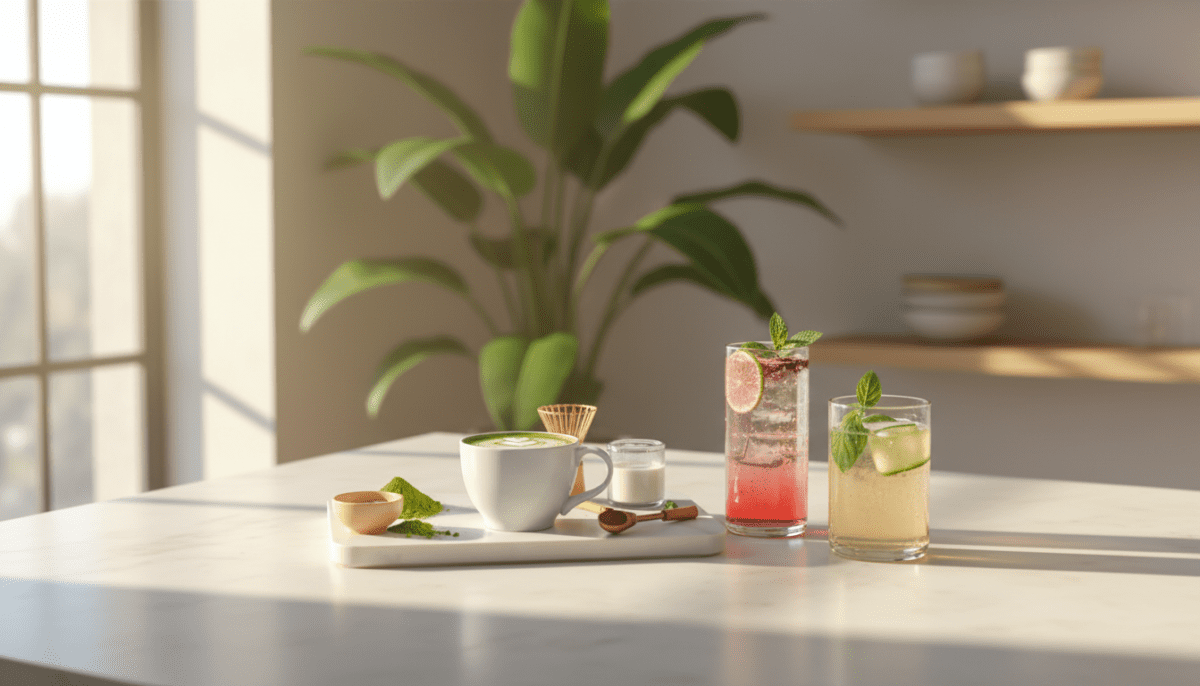
Matcha is the undisputed superstar of the Matcha & Functional Drinks Trend. This vibrant green powder, made by finely grinding entire shade-grown tea leaves, is far more than an Instagram-friendly aesthetic. It is a biochemical powerhouse. Unlike regular steeped green tea, consuming the whole leaf provides up to 137 times more antioxidants. The magic of the matcha wellness trend lies in its specific caffeine profile.
While matcha contains natural caffeine, it is bound to L-theanine, an amino acid that moderates the absorption of caffeine into the bloodstream. This creates a neurochemical state of “calm alertness” that lasts for 4 to 6 hours, completely eliminating the jitters and afternoon slumps associated with coffee. Furthermore, matcha is incredibly rich in EGCG (epigallocatechin-3-gallate), a powerful catechin linked to reduced inflammation, cardiovascular support, and improved metabolic function. By bridging the gap between sustained physical energy and cognitive health beverages, matcha has secured its place as the ultimate functional ingredient within the matcha wellness trend.
Who is Driving the Beverage Revolution?
Gen Z and younger Millennials are the primary architects of this shift. These demographics are notoriously focused on longevity, mental health, and mindful consumption. They are the driving force behind the “sober-curious” movement, opting to drink less alcohol and instead embracing the “mocktail mindset.” This consumer group demands beverages that feel social, elevated, and flavorful, utilizing ingredients like Kanna to provide a natural buzz without the negative effects of alcohol. They are also highly visual shoppers; a beverage must not only provide functional benefits but also look vibrant and appealing on platforms like TikTok and Instagram, further fueling the Matcha & Functional Drinks Trend.
Step-by-Step Guide: How to Build Your 2026 Daily Beverage Stack
If you want to optimize your physical performance and cognitive clarity using the principles of the Matcha & Functional Drinks Trend, you need to transition from random consumption to a strategic “daily stack.” Here is how to structure your day with healthy energy alternatives:
- Start with Proactive Morning Hydration: Avoid reaching for heavy caffeine the second you wake up. Instead, begin your day with an electrolyte-enhanced water or a functional water kefir to support gut health and rehydrate your body after sleep.
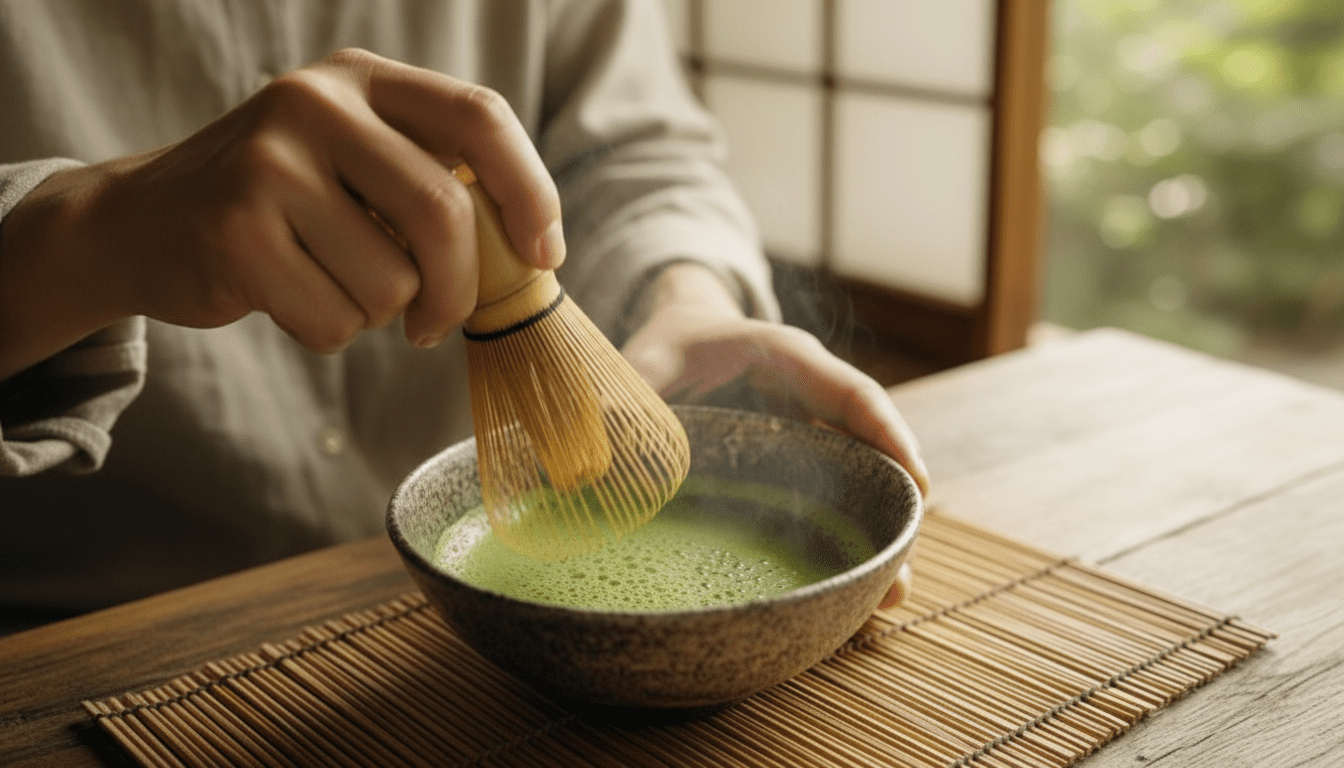
- Engage in the Morning Matcha Ritual: For your primary work block, swap traditional coffee for a high-quality ceremonial-grade matcha latte. Opt for dairy-free milks like oat or coconut, and consider flavors like vanilla sweet cream or yuzu to enhance the experience. The natural caffeine and L-theanine will give you 4 to 6 hours of locked-in, calm focus as part of your matcha wellness trend routine.

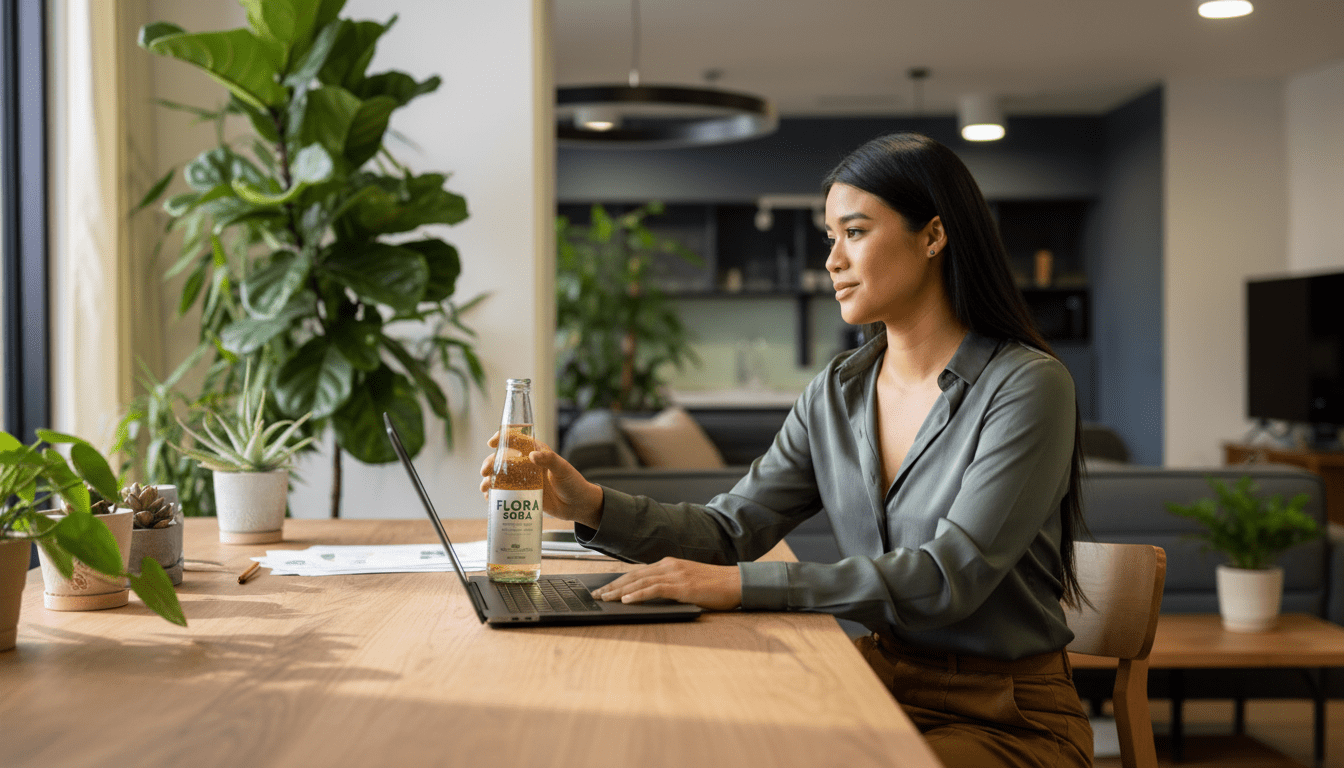
- Mid-Day Cognitive Refresh: When the 2 PM slump hits, bypass the sugary vending machine snacks. Instead, choose a sparkling adaptogen beverage or a low-caffeine drink featuring Lion’s Mane or L-theanine. These cognitive health beverages will clear brain fog and maintain your mental balance.
- Pre- or Post-Workout Fortification: If you are exercising, utilize the new wave of functional sports drinks. Look for a ready-to-drink (RTD) beverage infused with highly stable creatine, or a plant-protein drink with natural electrolytes to bridge the gap between energy and recovery.
- Evening Wind-Down: Cultivate a healthy sleep routine by embracing the “mocktail mindset.” Swap evening alcohol for a calming botanical blend featuring chamomile, magnesium, and Gaba. These ingredients help ease the nervous system into a deep, restorative rest without any sedative hangover the next morning.
The Unbeatable Benefits of Healthy Energy Alternatives
Embracing the Matcha & Functional Drinks Trend offers a multitude of holistic benefits that go far beyond basic hydration:
- Eradication of the Energy Crash: By relying on natural caffeine sources paired with L-theanine, consumers experience a smooth, sustained energy curve that supports long-term productivity.
- Enhanced Emotional Resilience: The integration of adaptogens like ashwagandha and tulsi helps the body manage cortisol levels, reducing daily stress and promoting a sense of mental wellbeing.
- Superior Antioxidant Protection: Beverages centered around the matcha wellness trend deliver massive doses of polyphenols and EGCG, which combat oxidative stress, support cardiovascular health, and protect cellular integrity.
- Gut Microbiome Support: The rise of lightly fermented drinks, such as water kefir, introduces vital probiotics into the daily diet, aiding digestion and boosting natural immunity.
- Sustainable Consumption: Choosing plant-based healthy energy alternatives like matcha is often better for the environment. Matcha production typically requires less water and generates a lower carbon footprint compared to mass coffee cultivation.
Real-World Case Study: The “Zebra Striping” Socialite
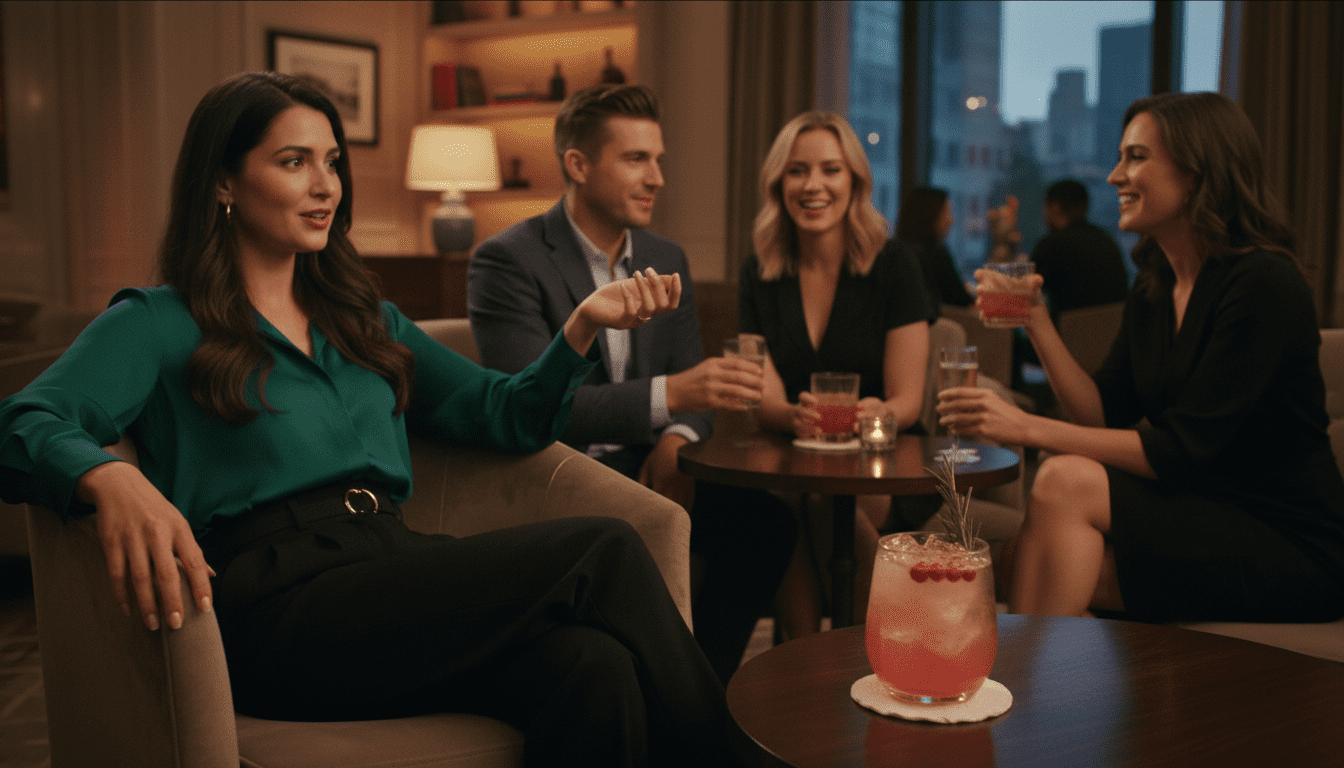
Consider the modern social experience of a 28-year-old urban professional named Sarah. A few years ago, a networking event or a Friday night out meant consuming three to four cocktails, resulting in poor sleep and a sluggish Saturday morning. In 2026, Sarah practices “zebra striping,” a behavioral trend where consumers alternate between traditional alcoholic beverages and sophisticated, functional non-alcoholic alternatives during the same occasion. This is a key component of the Matcha & Functional Drinks Trend.
At an evening event, Sarah might start with a glass of wine, but her second drink is a functional mocktail infused with Kanna for a “natural buzz” and flavored with hot honey and yuzu for a complex, adult culinary profile. Later in the evening, she opts for a sparkling botanical drink featuring magnesium and lavender coconut flavors to begin winding down her nervous system. By utilizing cognitive health beverages in a social setting, Sarah maintains her desired social aesthetic, enjoys complex flavor profiles, actively supports her mental balance, and wakes up the next day with the clear-headed energy needed for her morning matcha wellness trend routine. This seamless blending of function and lifestyle is exactly why the functional drinks trend 2026 is so powerful.
Expert Quotes on the Changing Beverage Landscape
“Over 57% of nonalcoholic beverage sales were driven by health and wellness needs… And 61% of young consumers already identify as ‘forever customers’ of their current health brands.” — Erin Smith, Senior Marketing Associate at Imbibe.
“There’s a closeted acceptance of moderate sugar, in beverages especially. I see that three to seven grams seems to be the sweet spot. Anything higher, people start to question it.” — Aaron Henderson, CEO of Wisdom Natural Brands.
Data Table: Traditional Energy vs. Functional Beverages
To clearly illustrate the evolution within the beverage industry, here is a breakdown of how the old guard compares to the new wave of healthy energy alternatives shaping 2026.
| Beverage Category | Key Active Ingredients | Caffeine Level | Primary Consumer Benefit | Formulation Focus |
|---|---|---|---|---|
| Traditional Energy Drinks | Synthetic Caffeine, Taurine, High Sugar | Very High (150mg – 300mg+) | Instant, aggressive stimulation | Cheap masking flavors, intense sweetness |
| Matcha wellness trend | Matcha Green Tea, L-Theanine, EGCG | Moderate (35mg – 70mg) | Sustained calm focus, antioxidant protection | Authentic sourcing, dairy-free milk pairings |
| Cognitive health beverages | Lion’s Mane, L-Theanine, Alpha-GPC | Low to Moderate | Cognitive clarity, memory support | Clean labels, natural fruit flavors |
| Adaptogen Boosters | Ashwagandha, Rhodiola, Ginseng | Zero to Low | Stress resilience, mental balance | Savory/Umami notes to mask bitterness |
| Functional Hydration | Electrolytes, Magnesium, Probiotics | Zero | Cellular hydration, gut health | Powder sticks, effervescence, light botanical flavors |
Unique Insight: The Intersection of Precision Fermentation and Sensory Aesthetics
While it is easy to focus purely on the ingredients within the Matcha & Functional Drinks Trend, a massive underlying current is the rapid advancement of production technologies merged with visual psychology. A rare trend emerging this year is the commercial viability of precision fermentation. This technology allows brands to develop highly stable, water-soluble active ingredients—such as novel proteins or specific nutrients—that were previously difficult to mix into clear liquids without separation.
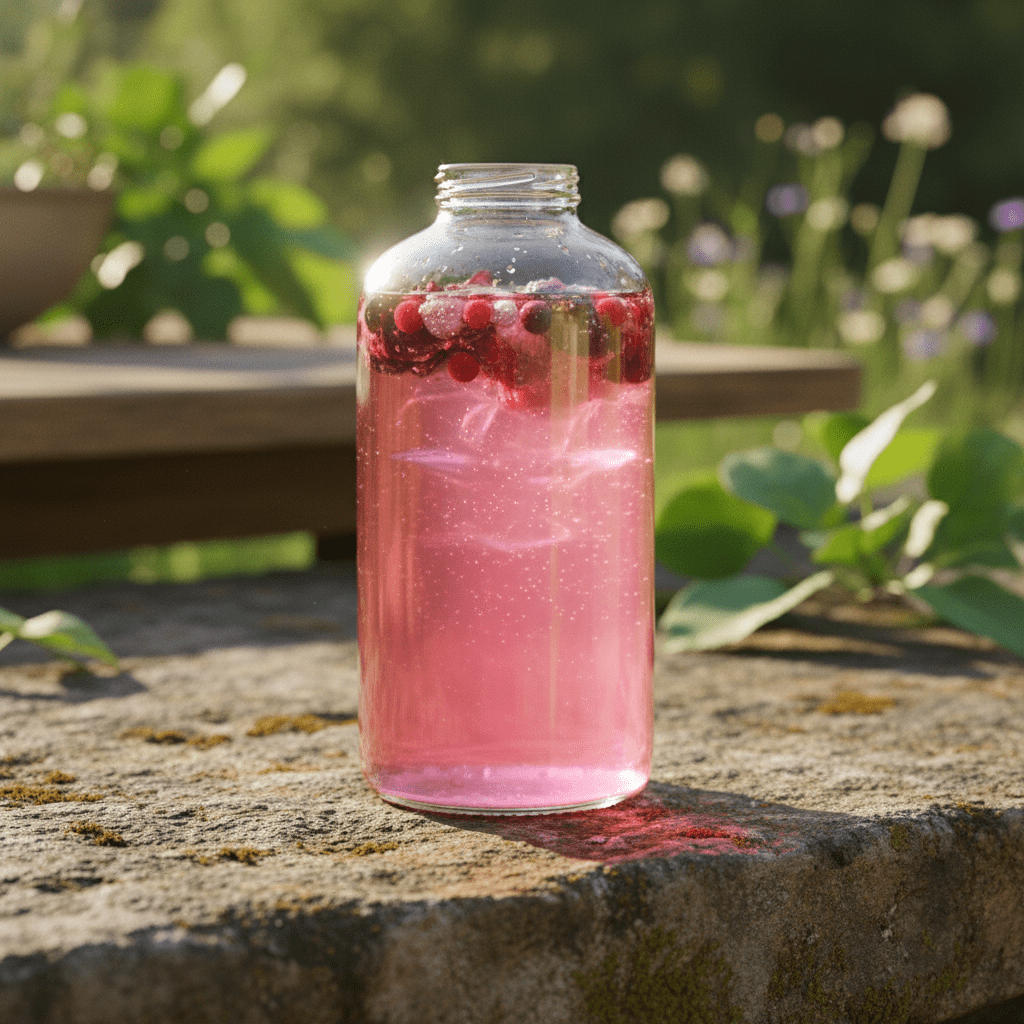
Simultaneously, brands are leveraging these clean, stable formulations to master the “sensory journey.” A functional drink in 2026 must delight before it even hits the tongue. Because Gen Z and Millennials shop with their eyes and cameras first, the visual color of a drink now acts as a functional cue. The vibrant, earthy green of a matcha latte inherently signals wellness, quality, and calming natural caffeine. Conversely, bright hibiscus pinks and deep fruit hues signal vitality and immunity. Brands are literally engineering the clarity provided by precision fermentation to highlight these pastel and saturated colors, creating cognitive health beverages that are as wildly viral on social media as they are beneficial to the human body.
Frequently Asked Questions
What exactly is the functional drinks trend 2026?
The trend, including the Matcha & Functional Drinks Trend, represents a shift from reactive, problem-fixing drinks to proactive, daily wellness rituals. Consumers are integrating beverages that offer layered benefits—such as hydration combined with cognitive support, stress relief, or immunity—into their everyday routines.
Why is matcha considered a healthy energy alternative?
Matcha provides energy through natural caffeine, but it is bound to the amino acid L-theanine. This unique combination slows the absorption of caffeine, providing 4 to 6 hours of sustained, calm alertness without the rapid spikes, jitters, or crashes typically associated with coffee or standard energy drinks, making it a cornerstone of the matcha wellness trend.
What is “mental balance” in the context of beverages?
Mental balance refers to beverages formulated to support emotional resilience and cognitive clarity rather than just physical stimulation. These cognitive health beverages often use lower caffeine doses alongside nootropics and adaptogens (like magnesium and ashwagandha) to help consumers manage modern stress and avoid overstimulation.
What flavors are driving the functional beverage market right now?
Consumers want clean labels but still demand indulgent, fun, and globally inspired flavors. Trending flavor profiles in 2026 include Yuzu, Pistachio, Lavender Coconut, Hot Honey, Basil, and complex Savory/Umami notes that help naturally mask the bitterness of functional herbs.
Can functional drinks help with sleep and relaxation?
Yes. The evening functional beverage market is booming. Consumers are swapping late-night alcohol for calming botanical blends that utilize ingredients like magnesium, chamomile, lemon balm, and Gaba to actively wind down the nervous system and promote restorative sleep.
What is “zebra striping”?
Zebra striping is a growing social trend where individuals alternate between consuming traditional alcoholic beverages and non-alcoholic, functional mocktails during the same event. This allow them to enjoy social drinking while moderating their overall alcohol intake and staying hydrated.
Are functional beverages replacing sports drinks?
They are converging. The modern functional energy drink often bridges the gap between sports performance and daily wellness by combining traditional sports recovery elements (like electrolytes and BCAAs) with clean energy sources, plant proteins, and even newly stabilized RTD creatine formulations.
Conclusion & CTA
The Matcha & Functional Drinks Trend of 2026 proves that we no longer have to compromise our long-term health for a short-term boost. The days of suffering through synthetic caffeine jitters and sugar-induced crashes are fading, replaced by an era of proactive wellness, mental balance, and holistic nourishment. By embracing healthy energy alternatives and participating in the massive matcha wellness trend, you can fuel your body with powerful antioxidants, achieve calm, sustained focus through natural caffeine and L-theanine, and build a “daily stack” that genuinely supports your lifestyle from morning until night.
It is time to elevate what is in your cup. Will you be swapping your afternoon coffee for a yuzu matcha latte, or perhaps winding down tonight with a lavender coconut magnesium elixir? Drop a comment below with the functional beverage you are most excited to try this year, and don’t forget to share this guide with anyone looking to optimize their daily energy!
Related Article:
- High Protein Diet Foods Fitness Nutrition Trend
- Wellness-Centric Spaces Trend – Homes for Mental Peace
- Fitness Awareness Increase Trend 2026
- Gut Health Foods Probiotics & Fermented Food Trend
- Why Swicy Flavours Are Taking Over 2026 Food Trends
- Third Culture Cuisine Fusion Food Trend Explained
- The Ultimate Guide to Launching a Profitable Cloud Kitchen Business in 2026
Sources: