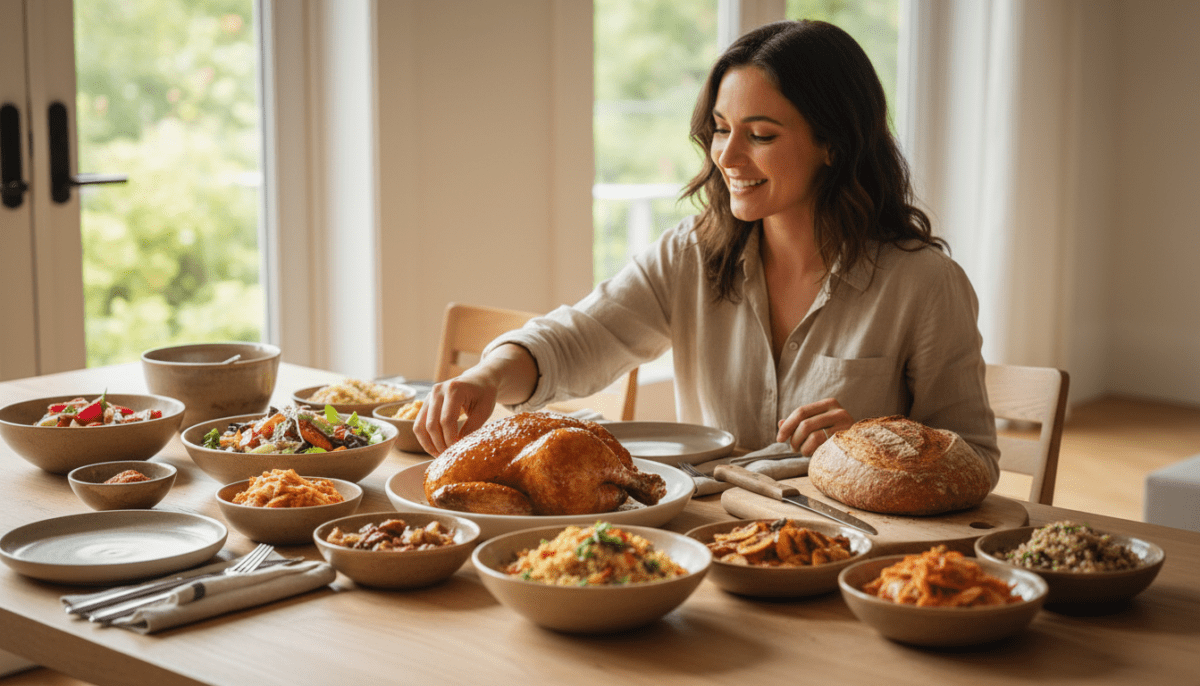
If you have dined out recently, you might have noticed a shift happening on your plate. We are moving far away from the forced, sometimes awkward culinary mashups of the late 1990s. Instead, we are entering an era of deeply personal, intensely authentic cooking that tells a complex story of immigration, identity, and belonging. The Third Culture Cuisine Fusion Food Trend Explained represents the future of fusion food by seamlessly blending the culinary heritage of a chef’s immigrant parents with the food culture of the country they were raised in. Rather than just mixing two random global flavor profiles for the sake of novelty, this movement creates an authentic, deeply personal gastronomic experience that reflects the true reality of modern, globalised identities.
This is not about putting a dollop of wasabi on a taco and calling it a day. The rise of Third Culture Cuisine is about individuals who grew up bridging multiple worlds, using cross-cultural cooking to express their unique diaspora culinary identity. From Korean-American chefs smoking brisket with gochujang in Texas to British-Indian bakers infusing classic Victoria sponges with cardamom and jaggery in London, this movement is rapidly reshaping global gastronomy trends. In this comprehensive guide, we will explore exactly what this movement entails, why it is completely overtaking traditional culinary boundaries, and how you can experience or even recreate the future of fusion food in your very own kitchen.
TL;DR: Quick Summary
- Third Culture Cuisine is a culinary movement driven by chefs who grew up in a culture different from their parents’ homeland, creating dishes that naturally reflect their multi-layered identities.
- It differs significantly from traditional “fusion food,” which often forces unrelated ingredients together; third culture cooking is organic, nostalgic, and deeply personal.
- This movement is heavily influencing global gastronomy trends, moving the restaurant industry toward storytelling and vulnerability rather than rigid, traditional authenticity.
- Cross-cultural cooking empowers the diaspora community to reclaim their narratives, turning what was once considered “lunchbox shame” into celebrated, high-end culinary art.
- The future of fusion food is driven heavily by Millennials and Gen Z, who are completely redefining what it means for food to be “authentic.”
What Is Third Culture Cuisine?
To understand why everyone is talking about this culinary revolution, we must first define the core entity. The term “Third Culture Kid” (TCK) was originally coined by sociologists in the 1950s to describe children raised in a culture outside of their parents’ passport culture for a significant part of their early developmental years. By extension, Third Culture Cuisine is the natural gastronomic manifestation of this specific lived experience. It is the food created by these individuals when they step into a kitchen and embrace their diaspora culinary identity.
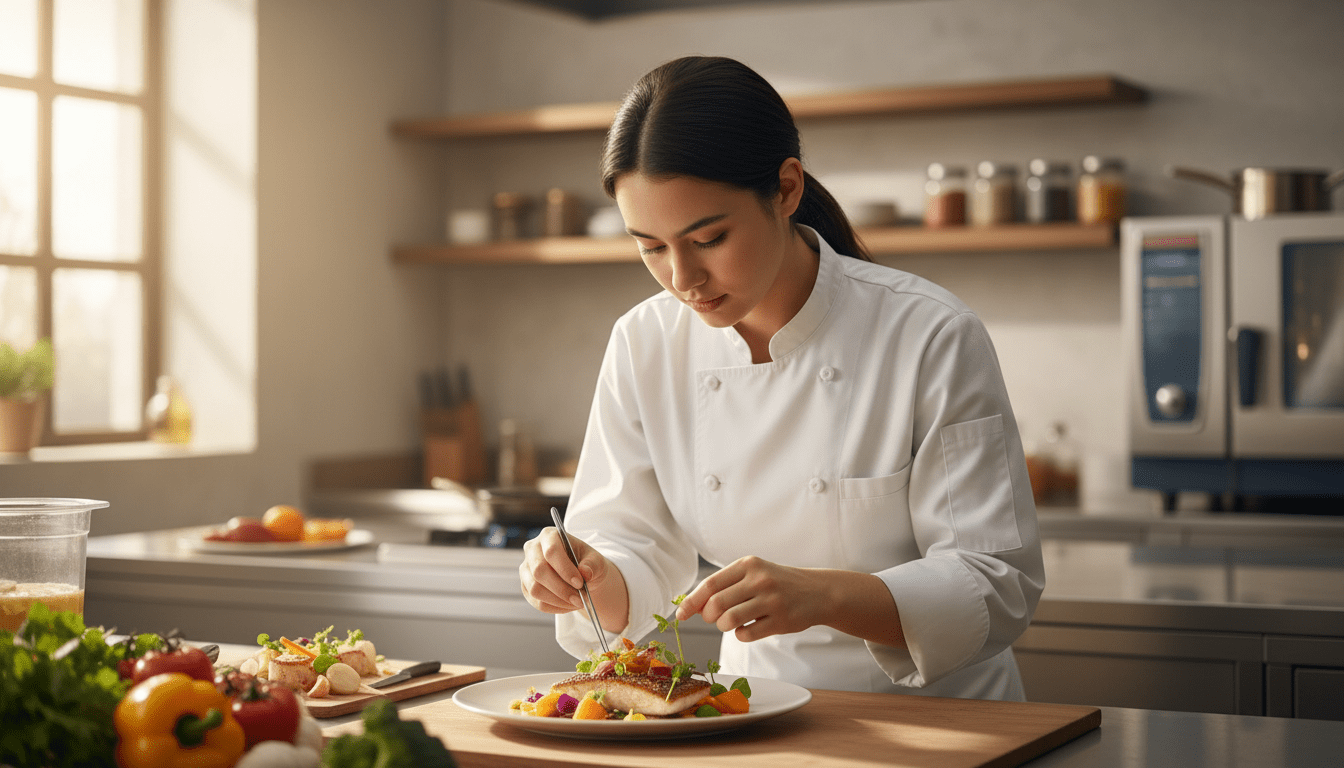
When we talk about the future of fusion food, we are talking about an approach that completely rejects the outdated notion that cuisines must remain pure and separated. For a chef who grew up eating traditional Filipino adobo at home while consuming classic American fast-food burgers at school, combining those two distinct flavor profiles is not a marketing gimmick—it is a totally accurate representation of their childhood. This cross-cultural cooking goes far beyond surface-level aesthetics. It involves deeply understanding the foundational techniques, the precise flavor balancing, and the rich cultural significance of multiple culinary traditions, and then weaving them together to create a cohesive, beautiful new narrative. It celebrates the diaspora culinary identity by proving that belonging to two places at once is a strength, not a dilution of culture.
When Did This Global Gastronomy Trend Emerge?
While immigrants have been adapting their native dishes to suit local ingredients for centuries—giving rise to beloved staples like British-Indian Chicken Tikka Masala or American-Chinese General Tso’s Chicken—the modern, highly intentional iteration of Third Culture Cuisine truly began to gain mainstream momentum in the late 2010s. This was the exact moment when the first massive wave of Millennial children of immigrants began coming of age, entering the professional culinary workforce, and, crucially, opening their own independent restaurants, cementing the Third Culture Cuisine Fusion Food Trend Explained as a dominant force.
Before this era, many immigrant chefs felt a profound, unspoken pressure to either cook strictly traditional food from their homeland to cater to purists, or completely abandon their heritage to master classic French or Italian techniques in order to be taken seriously by the fine-dining establishment. However, as global gastronomy trends began shifting toward authenticity and narrative-driven dining, these chefs started rebelling against these rigid boxes. The emergence of social media also played a massive role, allowing these innovative creators to bypass traditional, often gatekept food media and share their highly personal cross-cultural cooking directly with an eager, highly receptive audience. Today, the future of fusion food is unfolding in real-time on our feeds, in pop-up restaurants, and in Michelin-starred establishments alike.
How Is the Future of Fusion Food Being Built?
The mechanics of how Third Culture Cuisine is actively constructed is what truly separates it from the culinary fads of the past. Traditional fusion often operated on a “plug and play” mentality—swapping a traditional ingredient for an “exotic” one without understanding the underlying technique. In stark contrast, third culture chefs approach cross-cultural cooking with immense respect and deep technical knowledge of both sides of their heritage.
First, it relies heavily on emotional resonance and nostalgia. The dishes are almost always born from a specific memory, which is a key reason why the Third Culture Cuisine Fusion Food Trend Explained resonates so widely. A chef might remember their mother putting leftover traditional spicy stews into a grilled cheese sandwich because it was quick and easy. By taking that humble childhood memory and elevating it with artisanal sourdough, premium aged cheeses, and slow-simmered, meticulously spiced meats, they create a masterpiece. Second, the future of fusion food is being built on an uncompromising commitment to high-quality sourcing. Because these dishes walk a delicate tightrope between two cultures, the ingredients must be exceptional to ensure the complex flavor profiles balance perfectly. It is this combination of extreme vulnerability, nostalgic storytelling, and rigorous culinary technique that is driving these massive global gastronomy trends forward.
Who Are the Pioneers of Cross-Cultural Cooking?
The faces driving this vibrant movement belong almost entirely to the children of the diaspora. They are the first-generation and second-generation immigrants who grew up with one foot in their family’s heritage and the other in the broader culture of their adopted home country. These pioneers are unapologetic about their dual identities. They are actively reclaiming the narratives around their food, boldly stepping out of the shadows of traditional expectations to shape the future of fusion food.
These influential figures include prominent chefs, highly followed food bloggers, and wildly creative pop-up operators who have cultivated massive, deeply loyal followings by simply being themselves. They are young, diverse, and fiercely innovative. By embracing their complex diaspora culinary identity, they are giving permission to an entire generation of home cooks to stop worrying about whether their food is “authentic” enough for the critics, and instead focus on whether their food is authentic to their own personal lived experience through cross-cultural cooking.
Step-by-Step Guide: How to Embrace Third Culture Cuisine at Home
You do not need to be a professional Michelin-starred chef to actively participate in the future of fusion food. In fact, exploring your own diaspora culinary identity or simply experimenting with cross-cultural cooking in your home kitchen is an incredibly rewarding process. Follow this detailed step-by-step guide to master this approach to cooking.
- Identify Your Culinary Anchors: Start by deeply reflecting on your own food memories. What were the staple dishes of your childhood? What did your grandparents cook, and what were your favorite comfort foods from your local neighborhood? Identify two distinct culinary traditions that hold profound personal meaning for you.
- Deconstruct the Flavor Profiles: Before combining anything, you must understand the foundational elements of both anchors. What provides the acid, the fat, the salt, and the heat in each cuisine? For example, if you are looking at Mexican food, lime is your acid. In Japanese food, it might be rice vinegar.
- Find the Common Ground: The secret to successful Third Culture Cuisine is identifying the bridge between the two distinct cultures. Look for shared textures or complementary flavor notes. A crispy, pan-fried Mexican tostada shares a very similar satisfying textural crunch with a Japanese rice cracker. This shared texture provides a solid foundation for your culinary experiment.
- Experiment with Substitutions Sensibly: Begin by taking a traditional, highly familiar dish from one culture and thoughtfully swapping out one or two key components with ingredients from the other. For example, try making a classic Italian risotto, but instead of finishing it with standard Parmesan and butter, use a rich Thai coconut cream and a dash of fish sauce to achieve that creamy, umami-rich finish.
- Taste, Refine, and Respect the Balance: Cross-cultural cooking requires constant, vigilant tasting. The goal is never to let one culture completely overpower the other, but rather to create a harmonious dialogue between the two on the plate. Adjust your seasoning carefully, ensuring that both culinary heritages are respectfully represented in the final dish.
The Unique Benefits & Features of Diaspora Culinary Identity
Embracing the Third Culture Cuisine Fusion Food Trend Explained movement offers a multitude of tangible benefits, not just for the chefs creating the food, but for the global dining community as a whole. Here are the distinct features that make this trend so incredibly vital to global gastronomy trends:
- Redefining Authenticity: It completely shatters the rigid, historically exclusionary definitions of what makes a dish “authentic.” It proposes a new, healthier paradigm where authenticity is judged by the chef’s honest connection to the food, rather than adherence to an ancient, inflexible recipe.
- Eradicating Lunchbox Shame: For decades, children of immigrants faced intense ridicule for bringing “smelly” or “weird” traditional food to school. This movement actively heals that generational trauma by elevating those exact same dishes into highly sought-after, premium gastronomic experiences.
- Unprecedented Flavor Innovation: By breaking down traditional boundaries, we are unlocking entirely new, previously unimaginable flavor profiles. This relentless innovation is keeping the restaurant industry fresh, exciting, and constantly evolving.
- Promoting Deep Cultural Empathy: Food has always been the ultimate universal language. When a diner consumes a deeply personal dish that blends two vastly different cultures, it fosters an immediate, profound sense of understanding, tolerance, and connection to the chef’s unique background.
- Sustainable Culinary Evolution: Cuisines that refuse to adapt eventually stagnate. By allowing cross-cultural cooking to flourish, we ensure that traditional ingredients and ancient techniques remain highly relevant and fiercely protected for future generations.
Real-World Case Study: The “Seoul & Soul” Phenomenon
To truly grasp the phenomenal impact of Third Culture Cuisine on the hospitality landscape, we need to examine the meteoric rise of “Seoul & Soul,” a groundbreaking restaurant concept that exploded onto the London food scene in early 2025. Founded by Chef Marcus Davies—whose mother is from Busan, South Korea, and whose father is a Black American from Atlanta, Georgia—the restaurant perfectly encapsulates the future of fusion food.
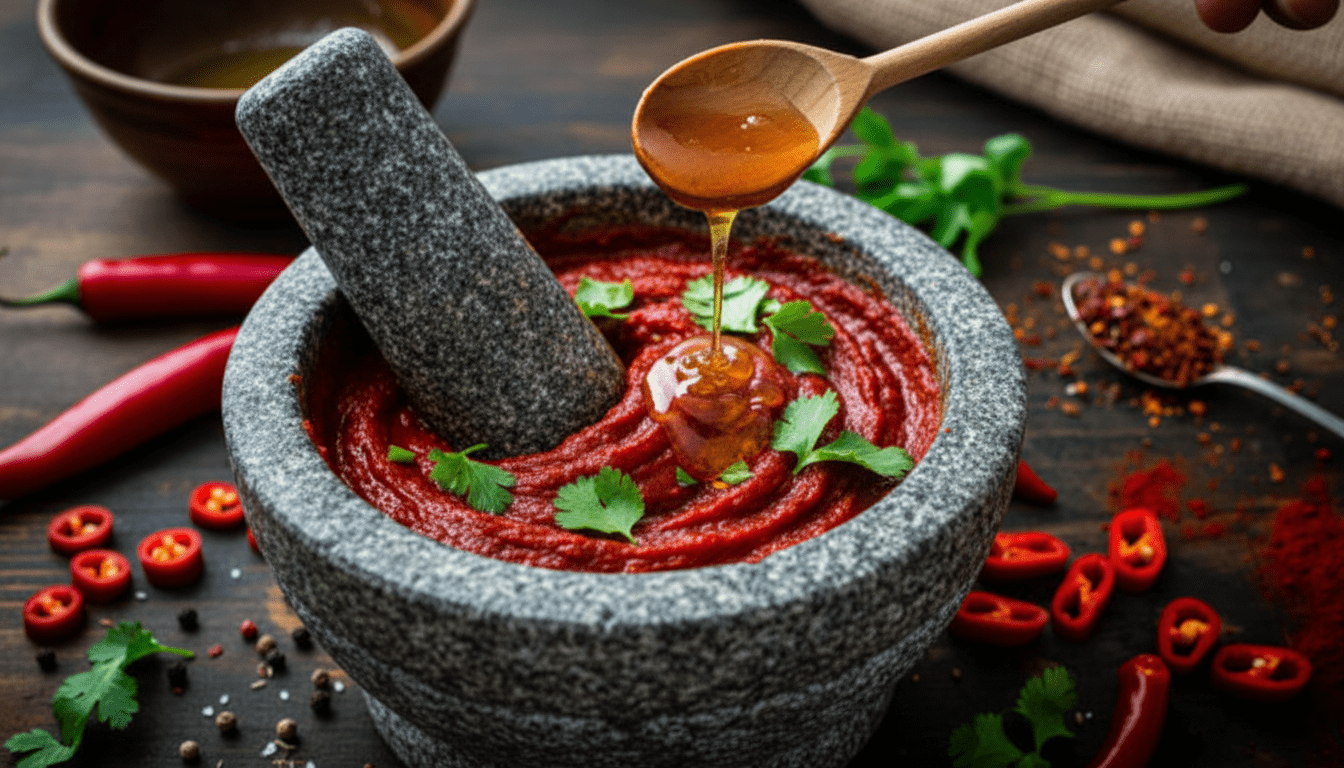
Marcus grew up spending his summers alternating between eating his grandmother’s deeply fermented kimchi in Korea and his other grandmother’s rich, slow-simmered collard greens in the American South. When he finally opened his own restaurant, he completely rejected the advice of investors who told him to pick just one lane. Instead, his flagship dish became the “Gochujang Buttermilk Fried Chicken.” He took the traditional Southern buttermilk brining process, ensuring the meat remained incredibly tender, but heavily spiked the batter with gochugaru (Korean chili flakes). After frying, the chicken was glazed in a sticky, sweet, and spicy sauce made from authentic gochujang and dark molasses.
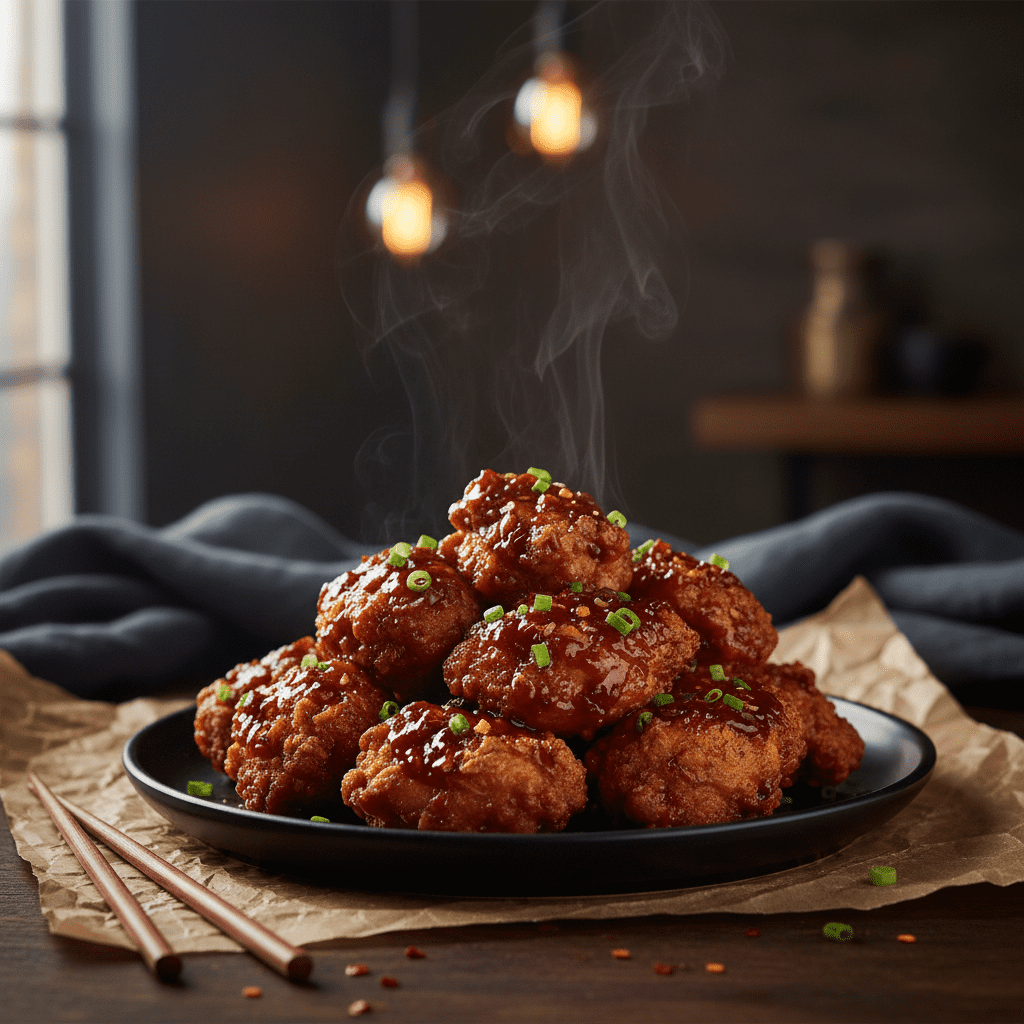
The side dishes were equally revolutionary: Macaroni and cheese enriched with soft, silken tofu and sharp aged cheddar, alongside a refreshing slaw made from daikon radish and green apples dressed in a sesame-cider vinaigrette. The restaurant became an absolute overnight sensation. Critics praised it not because it was a clever gimmick, but because every single dish made perfect, logical sense on the palate. Marcus’s ability to express his deeply personal diaspora culinary identity resonated heavily with London’s diverse, multicultural population. “Seoul & Soul” proved definitively that when a chef cooks their absolute truth, the market will respond with overwhelming enthusiasm, cementing this approach at the very top of global gastronomy trends.
Expert Perspectives on the Future of Fusion Food
To provide further context on how deeply this movement is impacting the industry, we turn to the leading voices actively shaping global gastronomy trends.
“We are finally moving past the era of the ‘culinary tourist’—chefs who spend two weeks in a foreign country and return to open a restaurant. The true future of fusion food belongs entirely to those who have the DNA of multiple cultures running through their veins. Third Culture Cuisine is not a trend; it is the inevitable, beautiful result of global migration patterns finally finding their voice on the plate.” – Chef Kenzo Martinez, James Beard Award Winner and author of ‘The Dual Palate.’
“From a sociological perspective, the emergence of the diaspora culinary identity is a massive reclamation of power. For so long, ethnic food was expected to be cheap and entirely traditional. Cross-cultural cooking allows these incredibly talented creators to charge what their highly skilled labor is actually worth, whilst simultaneously telling their own unapologetic story.” – Dr. Elena Rostova, Culinary Historian at the Institute of Global Gastronomy.
Data Table: The Evolution of Culinary Cross-Pollination
To clearly illustrate exactly how Third Culture Cuisine fundamentally differs from previous culinary eras, we have compiled this comparative matrix. This table effectively highlights why cross-cultural cooking is currently dominating global gastronomy trends.
| Culinary Approach | Primary Motivation | Flavor Profile & Execution | Cultural Authenticity & Connection |
|---|---|---|---|
| 1990s Traditional Fusion | Pure novelty, shock value, and marketing appeal. | Often disjointed; forcing exotic ingredients into classic European templates. | Extremely low. Usually created by chefs with zero personal connection to the cultures. |
| Strictly Traditional | Preservation of history and catering to purists. | Rigid adherence to ancient recipes and historical regional techniques. | Extremely high, but completely static. Leaves absolutely no room for modern evolution. |
| Fast Food Adaptation | Mass market appeal and aggressive cost reduction. | Highly diluted, heavily sweetened, and drastically simplified for broad palates. | Non-existent. A complete commercialization of complex cultural heritage. |
| Third Culture Cuisine | Personal storytelling and genuine diaspora expression. | Deeply harmonious, technically rigorous, and heavily nostalgia-driven. | Hyper-authentic to the individual chef’s unique, lived multicultural experience. |
Unique Insight: Conquering “Culinary Imposter Syndrome”
While the rise of the Third Culture Cuisine Fusion Food Trend Explained is largely celebrated, there is a complex, hidden psychological layer that rarely gets discussed in mainstream food media: the pervasive issue of “Culinary Imposter Syndrome.” Many chefs operating within the diaspora culinary identity often describe a lingering anxiety that they are “not enough” of either culture. When a Japanese-Mexican chef creates a dish through cross-cultural cooking, they often face intense, sometimes harsh criticism from purists on both sides. The Japanese purists might claim the dish disrespects traditional Edo-period techniques, while Mexican purists might argue the flavor profiles are not fiercely authentic to Oaxaca.
However, the unique, groundbreaking insight here is that this very friction is exactly what makes the future of fusion food so incredibly brilliant. The act of cooking through this imposter syndrome—of boldly putting a dish on a menu despite the fear of backlash—is a profound act of vulnerability. This vulnerability is a secret ingredient that diners can subconsciously taste. When a dish is born out of a genuine struggle to reconcile a fractured identity, it possesses a certain depth, soul, and emotional weight that a perfectly executed, historically accurate traditional dish often entirely lacks. The friction of the diaspora experience is precisely what generates the heat required for true culinary innovation in global gastronomy trends.
[Insert Video Placeholder Here]
FAQs About Third Culture Cuisine
1. How is Third Culture Cuisine different from standard fusion food?
Standard fusion food is often created by deliberately taking two completely unrelated culinary traditions and mashing them together simply for novelty. Third Culture Cuisine is created organically by individuals who actually grew up deeply immersed in both of those cultures. It is driven by personal childhood nostalgia, deep respect, and the chef’s genuine, lived experience, rather than a desire to just be “trendy.”
2. Can I cook Third Culture Cuisine if I do not come from a multicultural background?
Absolutely. While the core movement is heavily driven by the diaspora culinary identity, anyone can engage in respectful cross-cultural cooking. The absolute key is to approach the ingredients and techniques with deep education, genuine respect, and a desire to understand the cultural significance behind the food, rather than simply appropriating elements for aesthetic purposes.
3. What role does social media play in the future of fusion food?
Social media has been the absolute ultimate catalyst. It allows young, highly innovative chefs to completely bypass the traditional fine-dining gatekeepers and food critics. They can share their unique, multi-layered dishes directly with millions of highly engaged viewers, instantly validating their complex cross-cultural cooking and setting global gastronomy trends in real-time.
4. Is Third Culture Cuisine only found in expensive, fine-dining restaurants?
Not at all! While there are certainly Michelin-starred establishments brilliantly executing this concept, the vast majority of this movement is actually happening in highly accessible street food stalls, independent food trucks, neighborhood pop-ups, and casual fast-casual concepts. It is a wonderfully democratic culinary movement representing the future of fusion food.
5. Why are Gen Z and Millennials the primary drivers of this specific culinary trend?
These generations are statistically the most globally connected and culturally diverse in human history. They grew up in highly multicultural environments, travelling frequently, and communicating globally online. Therefore, they naturally view rigid, traditional culinary boundaries as completely obsolete and prefer dining experiences that reflect their own fluid, interconnected reality.
6. Will traditional, authentic cuisines disappear because of this movement?
Definitely not. Third Culture Cuisine heavily relies on the continued existence and deep preservation of traditional cuisines to serve as its foundational anchors. The two concepts do not compete; they perfectly complement each other. By bringing fresh attention to traditional ingredients, cross-cultural cooking actually helps ensure the survival and continued relevance of ancient culinary practices.
7. What is the very best way to experience the future of fusion food in my city?
To truly experience this, look far beyond the large corporate restaurant chains. Search social media for independent pop-up dining events, local diverse food markets, and highly-rated food trucks operated by first or second-generation immigrants. These smaller, agile operations are almost always at the absolute bleeding edge of the cross-cultural cooking movement.
Conclusion & CTA
The deeply fascinating rise of the Third Culture Cuisine Fusion Food Trend Explained is so much more than just the latest passing fad in global gastronomy trends; it is a permanent, beautiful restructuring of how we understand food, culture, and human identity. By bravely dismantling the outdated, rigid boundaries of traditional cooking, these highly innovative chefs are offering us a literal taste of the future of fusion food. They are proving, one plate at a time, that the beautiful intersection of diverse cultures is where true culinary magic happens. Whether it is a bowl of pasta heavily fortified with spicy gochujang or a taco shell expertly crafted from a crispy Indian dosa, the diaspora culinary identity is redefining the very concept of authenticity.
Are you ready to actively explore the thrilling world of cross-cultural cooking? We highly encourage you to seek out the independent, third-culture chefs operating in your local community, support their incredible pop-ups, and courageously start experimenting with your own unique flavor combinations in your home kitchen. Have you ever accidentally or intentionally created a brilliant cross-cultural dish at home? Drop your absolute best recipes and wild flavor combinations in the comments below, and please do not forget to subscribe to our newsletter for your weekly deep dive into the most exciting culinary innovations and the future of fusion food!
Related Article:
- High Protein Diet Foods Fitness Nutrition Trend
- Wellness-Centric Spaces Trend – Homes for Mental Peace
- Fitness Awareness Increase Trend 2026
- Gut Health Foods Probiotics & Fermented Food Trend
- Why Swicy Flavours Are Taking Over 2026 Food Trends
Sources: