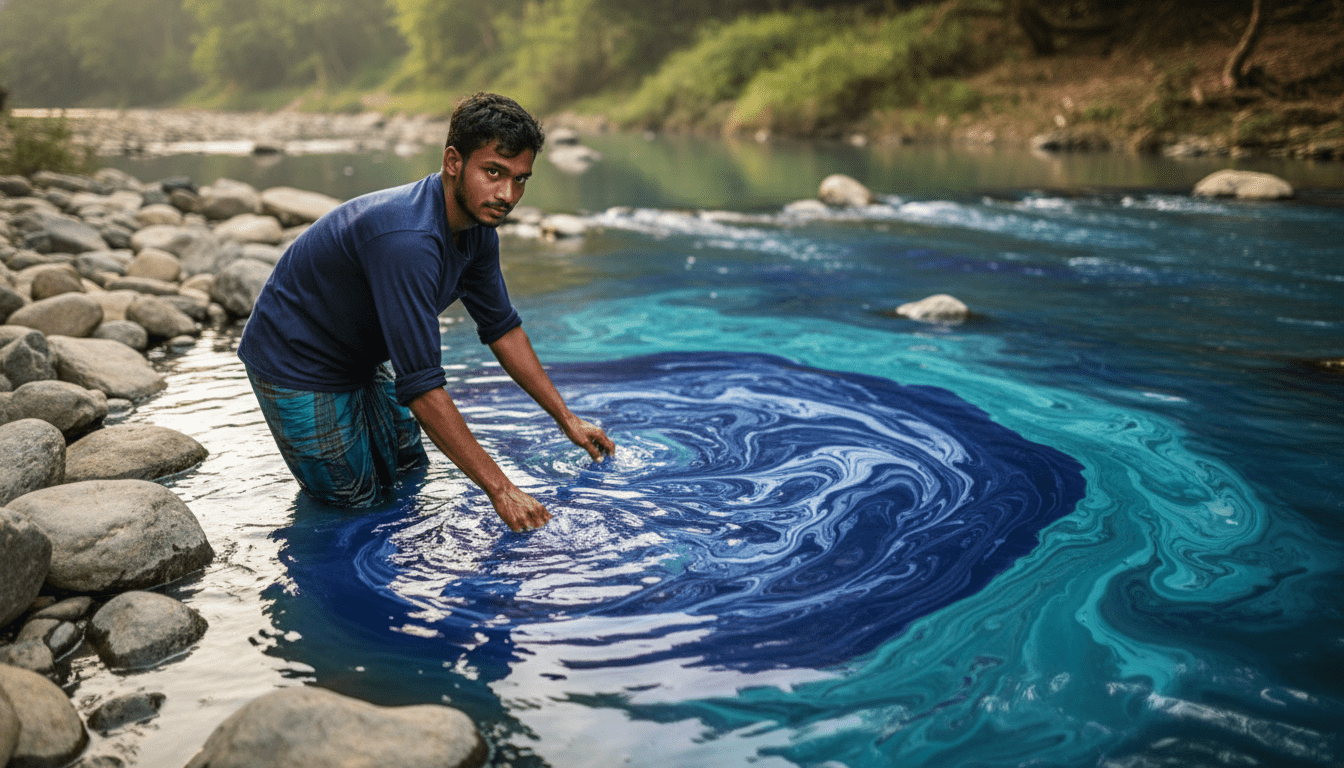
For decades, the global apparel industry has trained us to consume clothing like fast food. We have been conditioned to chase weekly micro-trends, buy outfits for single events, and discard garments the moment a seam frays. The result is a staggering environmental and social crisis: the world now consumes around 80 billion new pieces of clothing every year, which is a 400% increase from just two decades ago. Rivers are polluted by toxic textile dyes, landfills are overflowing with synthetic materials, and millions of garment workers operate in unsafe, underpaid conditions, necessitating the urgent growth of the slow fashion movement.
However, a massive cultural rebellion is currently underway. The slow fashion movement is a conscious, deliberate shift toward quality, ethical production, and environmental responsibility, encouraging consumers to buy fewer but significantly more meaningful pieces. By prioritizing sustainable thrift culture, clothing swaps, and zero-waste design, everyday shoppers and designers alike are actively rejecting the fast fashion model. Today, upcycling fashion trends are no longer niche, DIY hobbies; they are the foundation of a new, highly coveted luxury aesthetic that proves looking stylish does not require destroying the planet.
TL;DR: Quick Summary
- The Resale Boom: The US secondhand apparel market is experiencing explosive growth, expanding four times faster than the broader retail clothing market and expected to reach $78.8 billion by 2030.
- The Environmental Crisis: The traditional fashion industry produces 10% of global carbon emissions and is the second-largest consumer of water globally.
- The Alternative: The slow fashion movement champions timeless design, living wages, and organic materials, dramatically reducing the 92 million tonnes of textiles that end up in landfills annually.
- Creative Solutions: Upcycling fashion trends and zero-waste pattern making are redefining garment construction, turning discarded fabric scraps and vintage pieces into high-value, one-of-a-kind art.
- Generational Shift: Generation Z and Millennials are leading the charge, driving over 70% of the market growth for the resale economy and demanding absolute transparency from ethical clothing brands.
What Exactly is the Slow Fashion Movement?
To understand the sheer magnitude of this cultural shift, one must look at its origins. The term was originally coined in 2007 by sustainability researcher Kate Fletcher, who drew direct inspiration from the “slow food” movement that emerged in Italy during the 1980s to protest fast food culture. Fletcher recognized that the fashion industry had industrialized to a highly toxic degree, transforming well-crafted garments into cheap, disposable commodities.
While fast fashion relies on pushing 52 distinct “micro-seasons” a year to force rapid consumption, the slow fashion movement emphasizes quality-based rather than time-based production. It advocates for manufacturing systems that fundamentally respect people, the environment, and animals. This philosophy champions the purchase of durable garments that last for years rather than mere weeks. It demands that ethical clothing brands maintain transparent supply chains, utilize low-impact materials like organic cotton and linen, and prioritize fair, living wages for every worker involved in the production process. Ultimately, the slow fashion movement is about deep emotional connection; it encourages consumers to keep their garments longer by establishing a relationship with the story and craftsmanship behind the clothes. This mindset is fueling the global rise of the slow fashion movement.
When Did Sustainable Thrift Culture Go Mainstream?
For many years, buying secondhand clothing carried an unwarranted social stigma. However, the perception of thrifting has violently flipped from a symbol of financial necessity to a badge of environmental consciousness and stylistic individuality.
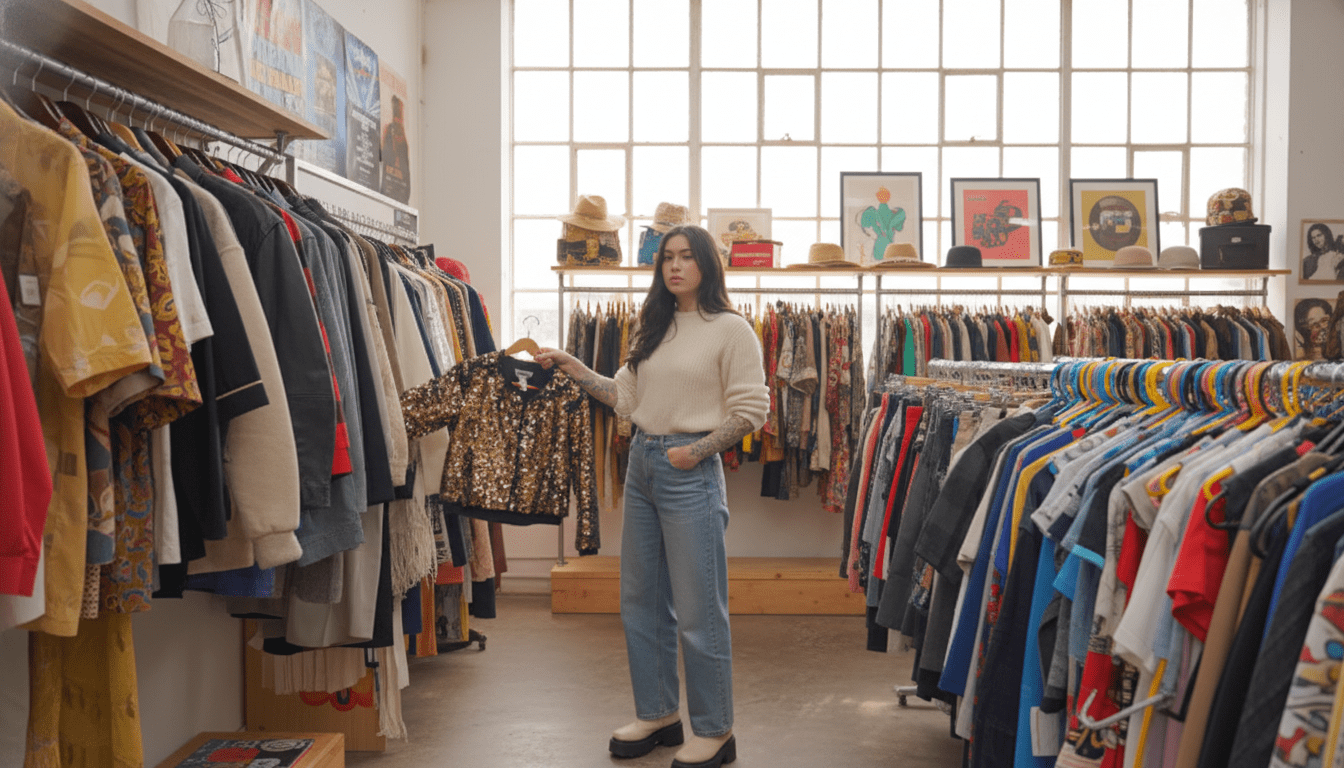
This transformation accelerated dramatically during the global pandemic. As people were confined to their homes with an abundance of time to evaluate their consumption habits, platforms like TikTok exploded in popularity. The hashtag #ThriftHaul quickly amassed billions of views, showcasing young people finding incredible, unique vintage pieces at local charity shops. Gen Z, an inherently eco-conscious demographic, embraced sustainable thrift culture faster than any other age group, now accounting for over 40% of global secondhand consumers.
The financial data perfectly mirrors this cultural shift. In 2023, the resale market in the US grew 15 times faster than the broader clothing retail sector. Looking toward the future, the global secondhand market is projected to reach a staggering $393 billion by 2030, completely outpacing the growth of the traditional apparel market. Consumers are no longer browsing dusty racks in isolation; nearly half of all shoppers are discovering secondhand goods via social media feeds, content creators, and even AI-powered shopping tools.
How Are Upcycling Fashion Trends Redefining Production?
As the world grapples with the realization that 87% of discarded clothes end up in landfills or incinerators, finding ways to manage existing textile waste has become critical. This is where the magic of upcycling comes into play.
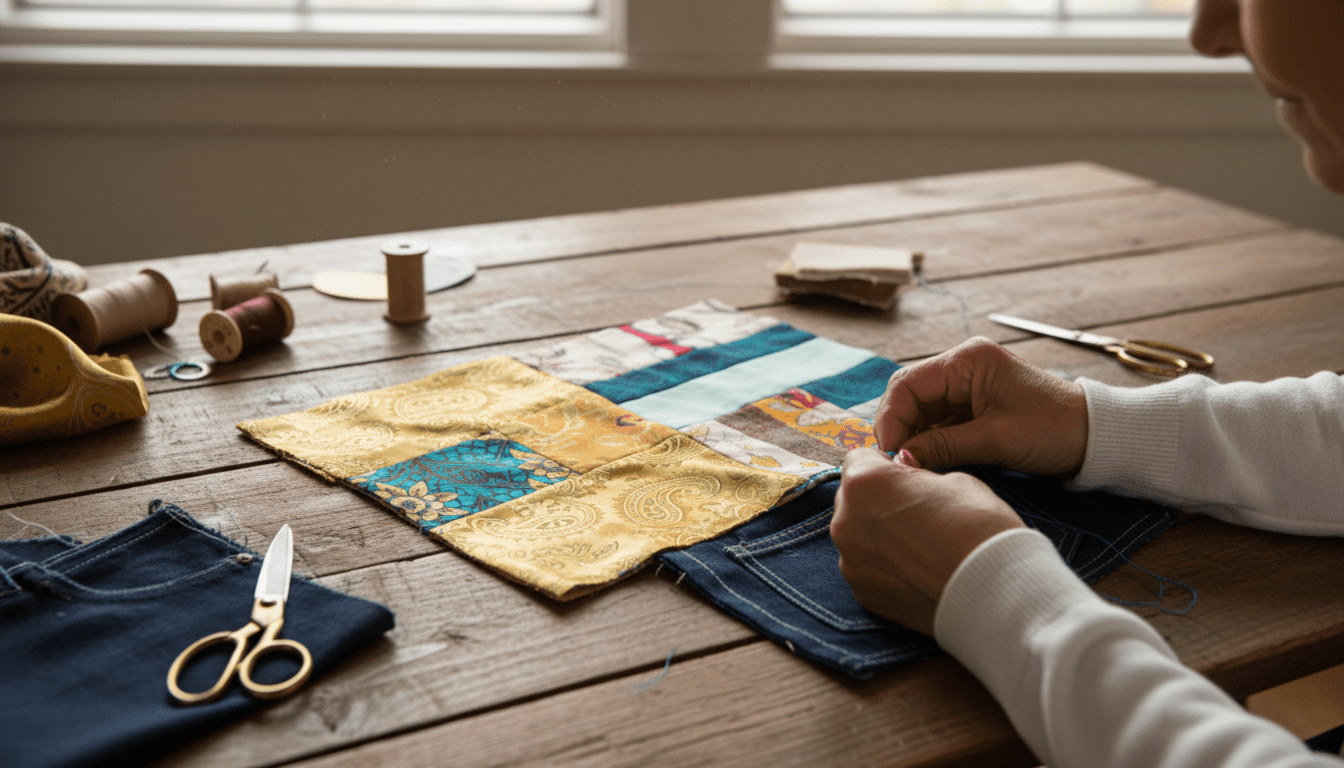
It is vital to understand the difference between recycling and upcycling. Recycling involves collecting and breaking down discarded materials to create new products, often resulting in a final item that is equal to or lower in quality than the original. Conversely, upcycling fashion trends involve taking unused, unsold, or vintage materials and transforming them into new products with improved functionality, higher quality, and elevated aesthetics, making them integral parts of the slow fashion movement.
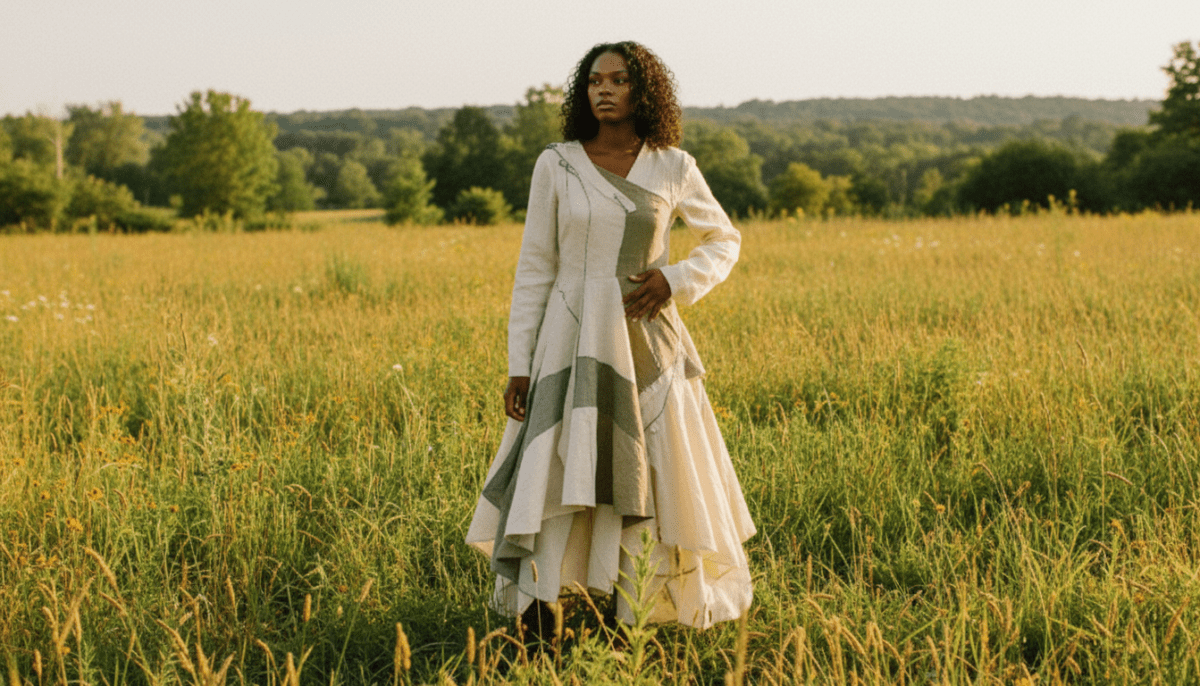
On a commercial level, this philosophy has birthed “zero-waste pattern making.” Traditional garment production involves cutting shapes out of large rolls of fabric, leaving behind substantial offcuts and scraps that are instantly thrown away. Zero-waste design disrupts this wasteful norm. Designers strategically arrange pattern pieces on the fabric like an intricate puzzle, utilizing every single inch and leaving absolutely zero remnants behind. Whether through modular construction, origami folding techniques, or patchwork, these upcycling fashion trends are proving that the industry can operate without generating mountains of waste.
Who is Driving the Circular Fashion Economy?
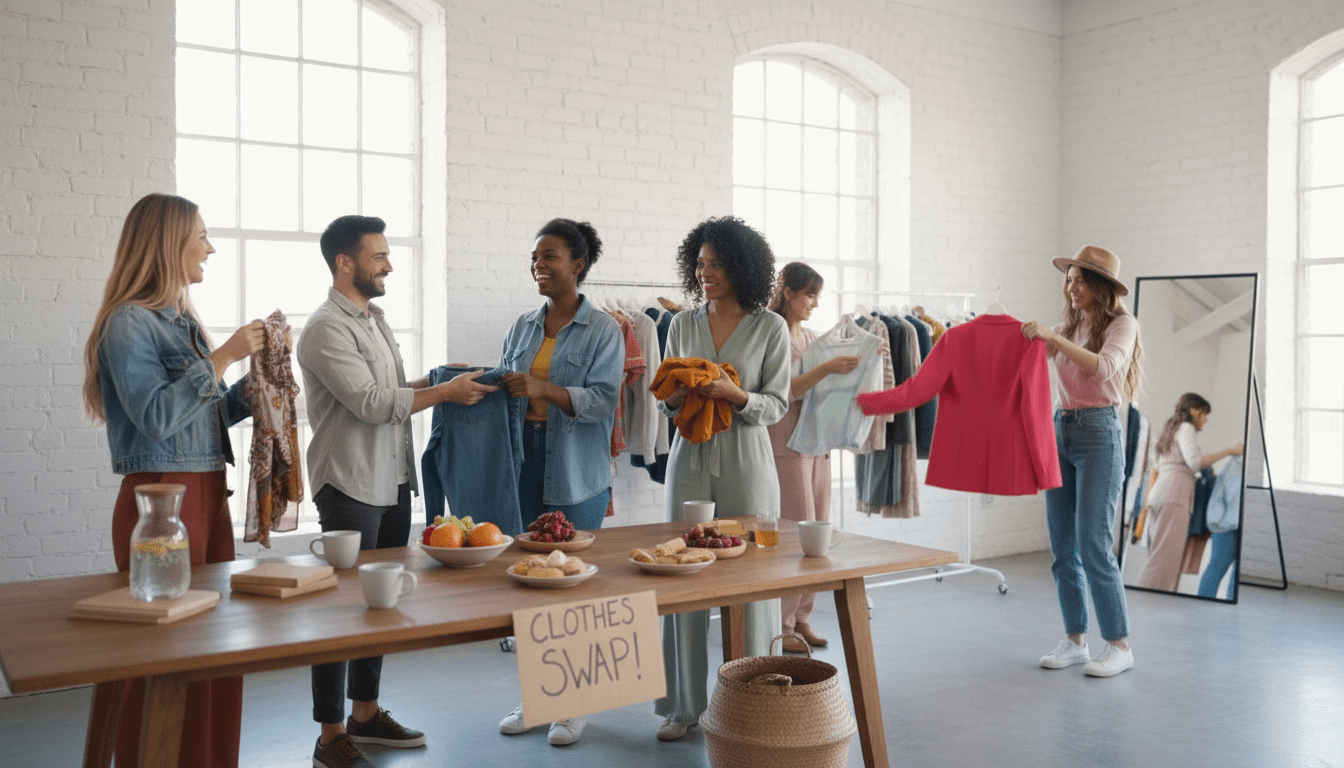
The shift toward a circular fashion economy—a system where clothes Gather your friends to exchange garments. Ask guests to bring 10 to 20 gently used items, set up a full-length mirror, and provide refreshments.are designed for longevity, repairability, resale, and eventual recycling—is being championed by a unique coalition of young consumers and disruptive start-ups as a pillar of the slow fashion movement.
Gen Z and Millennials are deeply aware of the climate crisis, and their purchasing data proves it. A staggering 65% of people now explicitly state that they want to buy fewer, longer-lasting clothes rather than participating in the fast fashion churn. Furthermore, these generations are increasingly demanding absolute transparency; they want to know exactly who made their clothes and under what conditions. Following the tragic 2013 Rana Plaza factory collapse in Bangladesh, which killed over 1,100 garment workers, human rights became inextricably linked with environmentalism in the eyes of the consumer.
Because modern shoppers are demanding accountability, the circular fashion economy is actively rewarding brands that offer free repairs, comprehensive take-back schemes, and transparent sourcing. By voting with their wallets, consumers are proving that ethical clothing brands can be both morally sound and highly profitable.
Step-by-Step Guide: How to Build a Sustainable Wardrobe
Transitioning away from fast fashion does not mean you have to throw away everything you own. In fact, doing so would be terrible for the environment. Here is a practical guide to engaging with the slow fashion movement:
- Audit and Shop Your Own Closet: The most sustainable garment on earth is the one already hanging in your wardrobe. Before buying anything new, take inventory. Rediscover forgotten pieces, style them differently, and wear out what you currently have, which is the essence of the slow fashion movement.
- Host a Community Clothing Swap: Gather your friends to exchange garments. Ask guests to bring 10 to 20 gently used items, set up a full-length mirror, and provide refreshments. It is an incredible way to refresh your style for free while keeping perfectly good clothes in use locally.

- Embrace Sustainable Thrift Culture: When you genuinely need something, look for it secondhand first. Utilize digital platforms like Vinted, Depop, or ThredUp, or visit your local charity shops and vintage boutiques.
- Prioritize the “Cost-Per-Wear” Metric: If you must buy new, invest in high-quality items from ethical clothing brands. A well-made £120 organic cotton coat that lasts ten years costs you £12 a year. Three £40 fast fashion coats that fall apart after one season cost you £120 with triple the environmental damage.
- Care for Your Clothes Properly: Extend the lifespan of your wardrobe by washing clothes less frequently, using cold water to preserve fibers, air-drying instead of using high-heat tumble dryers, and learning basic mending skills for small tears or loose buttons.
Benefits & Features of Slow Fashion
Ditching the fast fashion cycle provides profound benefits that extend far beyond your personal style:
- Massive Carbon Reduction: The traditional fashion industry is responsible for up to 10% of global greenhouse gas emissions. Purchasing durable garments and participating in the circular fashion economy drastically reduces this footprint, a core goal of the slow fashion movement.
- Water Conservation: Producing a single conventional cotton t-shirt requires approximately 2,700 liters of water. Ethical clothing brands utilizing organic cotton, hemp, or recycled fibers cut this water usage by up to 91%.
- Social Justice and Fair Labor: The slow fashion movement rejects the poverty wages and unsafe conditions prevalent in fast fashion supply chains. It guarantees living wages, safe factories, and dignity for the women who make up 80% of the global garment workforce.
- Eradication of Microplastics: Fast fashion relies heavily on synthetic fibers like polyester and nylon, which shed half a million tons of microplastics into the ocean annually during washing. The slow fashion movement champions natural, biodegradable fibers.
- Emotional Resonance: When you buy fewer, highly curated pieces, your wardrobe becomes a reflection of your true identity rather than a carbon copy of a fleeting internet trend.
Real-World Case Study: The Zero-Waste Pioneers of India
To truly understand how upcycling fashion trends and zero-waste pattern making are being implemented commercially, we must look at the innovative ethical clothing brands emerging in India. Despite being a massive hub for traditional, high-volume textile manufacturing, several Indian startups are proving that a zero-waste model is entirely possible, as championed by the slow fashion movement.
Take the brand Doodlage, founded by Kriti Tula in 2012. Tula built her entire brand architecture around solving the issue of textile waste. Doodlage partners with textile factories to collect their discarded post-consumer waste and fabric scraps. Using upcycling fashion trends—such as intricate patchwork, embroidery, and creative pattern cutting—the brand transforms this “trash” into highly coveted, one-of-a-kind garments. Furthermore, Doodlage ensures absolute transparency, providing fair wages to the local artisans who craft the pieces.
Similarly, the brand Ka Sha, founded by Karishma Shahani Khan, utilizes strict zero-waste design philosophies. By creating boxy silhouettes and using modular construction, they ensure that not a single inch of fabric goes to waste during the cutting process. They exclusively use organic cotton and natural dyes, completely eliminating harmful chemicals from their supply chain. These brands prove that the circular fashion economy is not just a theoretical concept; it is a viable, scalable business model that honors both the artisan and the earth.
“The global secondhand market is entering a more competitive, structurally complex phase. With Gen Z and Millennials driving the vast majority of this value, the infrastructure for discovery must evolve into the social feeds where these consumers live.” – Neil Saunders, Managing Director, GlobalData.
“Less is always more. [Slow fashion] is the widespread reaction to fast fashion and its environmental impact, the argument for hitting the brakes on excessive production, overcomplicated supply chains, and mindless consumption.” – Patsy Perry, Senior Lecturer in Fashion Marketing, University of Manchester.
Data Table: Fast Fashion vs. Slow Fashion Impact
| Metric | Fast Fashion Industry | The Slow Fashion Movement | Long-Term Global Impact |
|---|---|---|---|
| Production Speed | 52+ micro-seasons per year | 2 to 4 seasonal collections | Mass overproduction vs. mindful inventory management |
| Water Usage | Extremely High (2,000 gallons per jeans) | Low (Focus on organic/recycled materials) | Severe water table depletion vs. resource conservation |
| Garment Lifespan | 1 to 2 years (designed for obsolescence) | 5 to 10+ years (designed for durability) | 85% of textiles to landfill vs. circular fashion economy |
| Labor & Ethics | Minimum/poverty wages, unsafe factories | Fair living wages, transparent supply chains | Human exploitation vs. community empowerment |
| Consumer Price Model | Artificially cheap upfront costs | Higher initial cost, incredibly low cost-per-wear | Disposable throwaway culture vs. investment purchasing |
Unique Insight: The “Reverse Gentrification” and Dissonance of Thrifting
As sustainable thrift culture explodes in popularity across platforms like TikTok, a fascinating and deeply complex sociological debate has emerged regarding the ethics of resale. In her academic analysis of TikTok thrift hauls, researcher Dara Swan uncovered a profound dissonance within the community.
Historically, shopping at thrift stores like Goodwill or the Salvation Army was associated with poverty, and low-income individuals were frequently bullied for wearing secondhand clothes. Today, thrifting is undeniably “cool.” However, this has led to massive backlash against “Depop resellers”—often perceived as wealthy, privileged Gen Z influencers—who scour thrift stores to buy up the best vintage clothing in bulk, only to resell it online at a massive markup. Many critics argue that these resellers are gentrifying thrift stores, artificially raising prices, and stealing affordable clothing out of the hands of low-income families who genuinely need it.
Yet, the reality of the textile crisis paints a different picture. Thrift store workers and environmentalists note that resellers do not even scratch the surface of the available inventory; the vast majority of donated clothing is still thrown into the trash or exported because there is simply too much of it. The anger directed at resellers often masks a deeper societal frustration: the uncomfortable realization that under modern capitalism, even the most noble attempts to participate in the slow fashion movement are inherently tied to profit, status signaling, and wealth inequality.
[Insert Video Placeholder Here]
FAQs
What exactly is the slow fashion movement?
The slow fashion movement is a sustainable approach to clothing production and consumption. Coined in 2007, it prioritizes high-quality materials, ethical labor practices, transparent supply chains, and timeless designs over the rapid, disposable trend cycles of fast fashion.
How does sustainable thrift culture reduce my carbon footprint?
The fashion industry generates 10% of global carbon emissions, mostly during the manufacturing of new textiles. By buying secondhand clothing, you bypass the manufacturing process entirely, saving the massive amounts of water, energy, and petroleum required to produce and ship a new garment.
What is the difference between upcycling and recycling?
Recycling involves breaking down a discarded product to create a new material, which often degrades the quality of the fibers. Upcycling involves taking an existing, unused, or vintage item and creatively transforming it into a new product with higher quality, better functionality, and increased aesthetic value.
Can the circular fashion economy really work commercially?
Yes. The circular fashion economy is already proving successful through billion-dollar resale platforms like Vinted and ThredUp, as well as brands that design clothes specifically for disassembly, offer lifetime repair services, and utilize zero-waste pattern making to eliminate offcuts, fitting the long-term vision of the slow fashion movement.
Are ethical clothing brands too expensive for the average person?
While ethical clothing brands have a higher upfront cost because they pay fair wages and use premium organic materials, they offer vastly superior value over time. A £100 jumper that lasts ten years has a much lower “cost-per-wear” than a £20 fast fashion jumper that falls apart after three washes.
How do community clothing swaps work?
A clothing swap is a social event where friends or community members bring gently used, unwanted garments and exchange them for items brought by others. It is a free, sustainable way to refresh your wardrobe without participating in the retail buying cycle, keeping clothes out of the landfill.
What are the main upcycling fashion trends this year?
Current upcycling fashion trends focus heavily on zero-waste pattern making, where designers use modular construction or patchwork to ensure zero fabric is wasted. Additionally, transforming vintage denim and repurposing deadstock designer fabrics into bespoke, one-of-a-kind streetwear pieces is highly popular.
Conclusion & CTA
The era of mindlessly consuming cheap, disposable garments is rapidly coming to an end. The slow fashion movement has brilliantly exposed the environmental devastation and human exploitation hidden behind the allure of fast fashion. By embracing sustainable thrift culture, hosting local clothing swaps, and supporting ethical clothing brands that champion upcycling fashion trends, we are collectively proving that style and sustainability can seamlessly coexist. The transition to a circular fashion economy is not just a passing internet trend; it is an absolute necessity for the survival of our planet and the dignity of global garment workers.
Are you ready to audit your closet, step away from the micro-trends, and start curating a wardrobe that truly reflects your values? The most sustainable garment is the one you already own—but when it is time to refresh your look, choose secondhand, choose quality, and choose slow by joining the slow fashion movement today. Share this ultimate guide with your friends, start planning your first community clothing swap, and let us know in the comments below which ethical brand or thrift store you are most proud of!
Related Articles
- Ditch the Beige: Your Ultimate Guide to Statement Sneakers 2026 and the Maximalist Footwear Rebellion
- Dopamine Dressing Trend
- Butter Yellow Fashion Trend
- Nita Ambani Stuns in a Chic Black Ensemble
- Milky Glass Nails Trend
Sources: