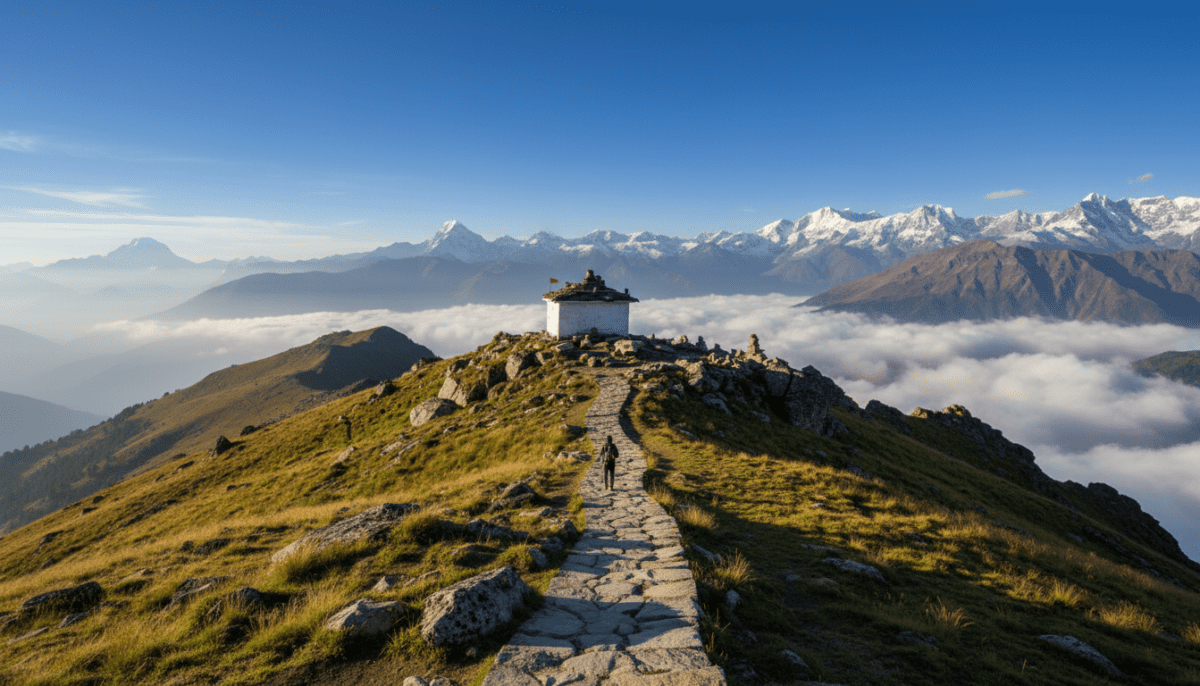
When you decide to travel to Tungnath , the mighty Himalayas hold secrets that call to both the spiritual seeker and the hardcore adventurer. If you are planning to travel to tungnath, you will find yourself nestled within the spectacular Garhwal region of Uttarakhand—an experience unlike any other, known affectionately as the “Mini Switzerland of India,” where high-altitude meadows meet ancient mythology.
If you are planning the Chopta Tungnath trek, the best season to visit Chopta is during the spring months of April to June or the autumn months of September to November. A standard Chopta Tungnath budget typically ranges between ₹5,000 to ₹8,000 per person for a 3-to-4-day trip from major cities, covering transport, basic homestays, and meals along the way.
TL;DR: Quick Summary
- Ideal travel windows are spring (blooming flora) and autumn (clear skies).
- Total estimated cost is highly affordable, averaging ₹5,000 – ₹8,000 from Delhi.
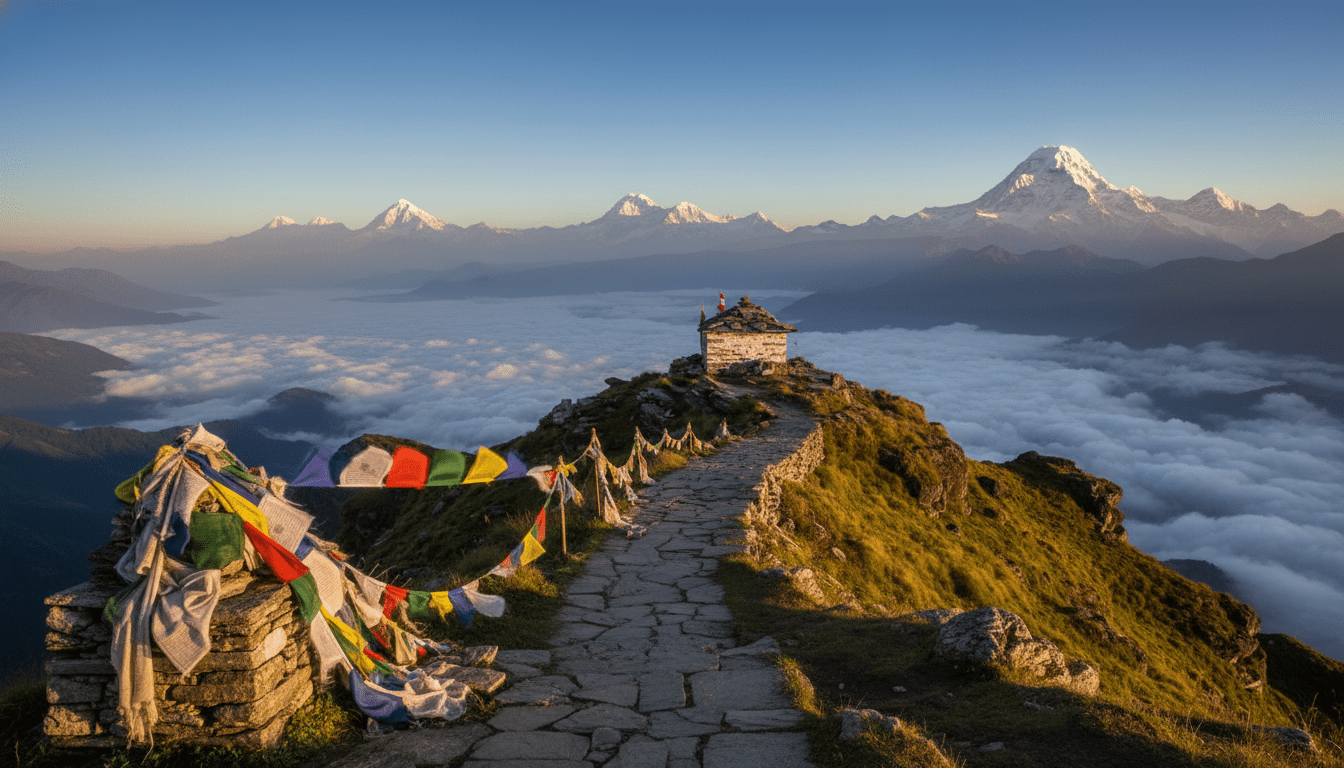
- The destination houses the highest Shiva temple in the world at an altitude of 3,680 meters.
- The trail extends to the Chandrashila peak (4,000 meters) for a panoramic 360-degree mountain view.
- Difficulty is rated as easy-to-moderate, making it perfect for beginners and families.
What is the Chopta Tungnath Trek?
The Chopta Tungnath trek is a majestic and highly revered trail located in the Rudraprayag district of Uttarakhand. It serves a dual purpose: it is a thrilling alpine adventure through lush, rolling meadows and a profound spiritual pilgrimage. The trail leads directly to Tungnath, one of the sacred Panch Kedar shrines, famously recognized as the highest Shiva temple on the planet. For those seeking extra elevation, the path continues upward to the summit of the Chandrashila peak, rewarding hikers with sweeping views of the Nanda Devi, Trishul, and Chaukhamba mountains.
When is the Best Season to Visit Chopta?
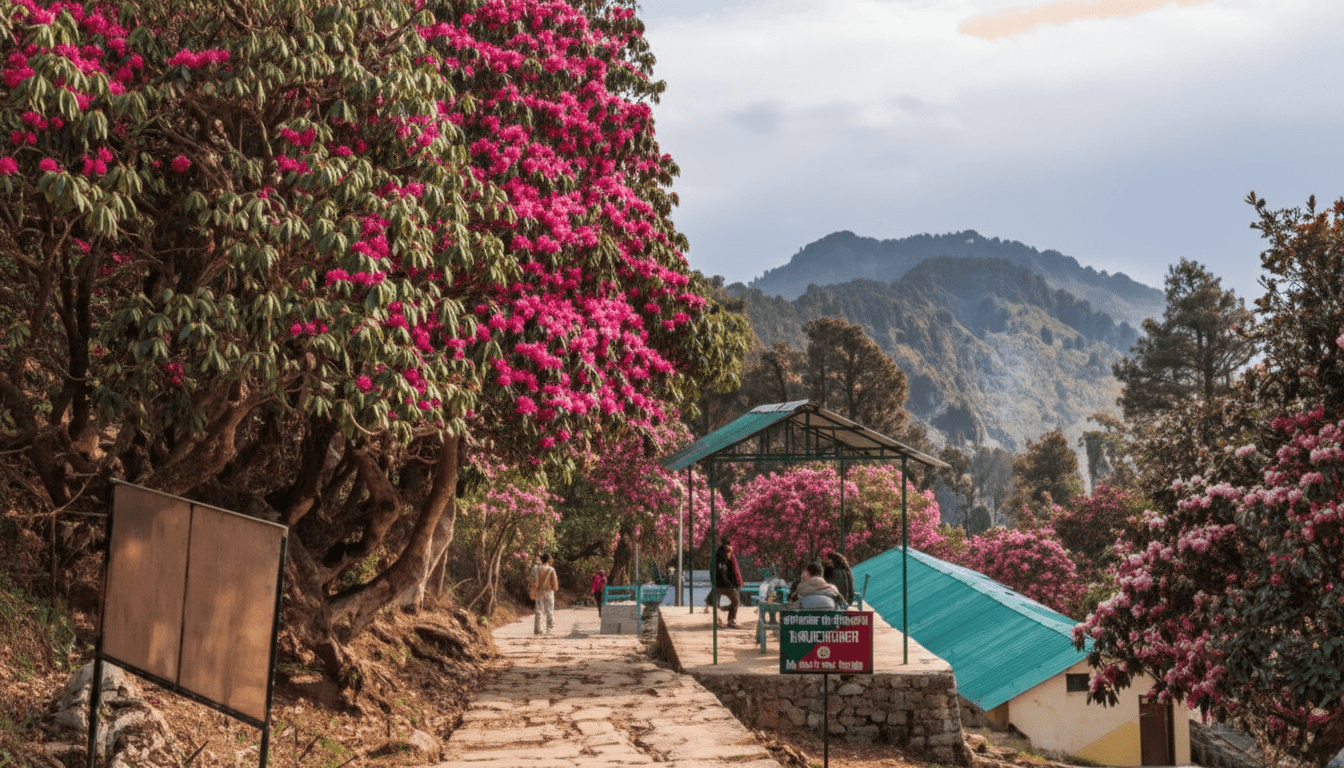
Determining the best season to visit Chopta largely depends on the type of scenery you wish to experience. Spring (April to June) is widely considered the peak season; the weather is delightfully crisp, and the trail is painted in vibrant hues of red and pink thanks to blooming rhododendron forests. Autumn (September to November) offers unparalleled clarity, making it the perfect time for photographers aiming to capture the majestic Himalayan peaks against brilliant blue skies.
How to Reach the Base Camp?
Reaching Chopta is an adventure in itself. The nearest major transit hubs are Rishikesh and Haridwar, which are well-connected by trains and buses. From Rishikesh, you must embark on a scenic 6-to-7-hour drive along the Alaknanda and Mandakini rivers to reach Ukhimath. Chopta is located roughly 30 kilometers from Ukhimath, and this final stretch can be covered by hiring a local shared taxi or private cab.
Who is the Ideal Candidate for This Trek?
Because the ascent is relatively gradual and the path is well-paved up to the temple, this journey is incredibly accessible. It is ideal for first-time trekkers, solo travelers, and families looking for a high-altitude experience without the rigorous physical demands of a multi-week expedition.
Step-by-Step Guide to Conquering the Trail
- Arrive at the Transit Hub: Begin your journey by traveling to Rishikesh or Haridwar via overnight train or bus.
- Journey to Ukhimath/Chopta: Catch an early morning local bus or shared jeep to Ukhimath. From there, hire a local taxi to drop you directly at your campsite or homestay in Chopta.
- Acclimatize in the Meadows: Spend your first afternoon resting in Chopta. Take short walks around the alpine meadows (bugyals) to help your lungs adjust to the 2,680-meter altitude.
- Commence the Climb Early: Start the Chopta Tungnath trek by 5:00 AM. The 3.5 km stone-paved path takes roughly 2.5 to 3 hours to navigate at a comfortable pace.
- Visit the Highest Shiva Temple: Pause at the Tungnath temple to rest, take in the profound spiritual atmosphere, and hydrate before the final push.
- Summit the Peak: Ascend the steep, unpaved 1.5 km trail behind the temple to reach the Chandrashila peak. Spend an hour soaking in the breathtaking 360-degree views.
- Descend Safely: Make your way back down to Chopta before the afternoon clouds roll in, and celebrate your successful summit with a hot local meal.
Benefits & Features of Choosing This Destination
- Unrivaled Scenery: Trek through dense forests of oak and deodar that magically open up into expansive, rolling alpine meadows.
- Cost-Effective Adventure: An optimized Chopta Tungnath budget makes this one of the most economical high-altitude experiences in India.
- Spiritual Heritage: Feel the ancient energy of the Panch Kedar mythology as you walk the same path pilgrims have traversed for centuries.
- Wildlife Spotting: The Kedarnath Wildlife Sanctuary encompasses the trail, offering a chance to see the vibrant Himalayan Monal (the state bird) and musk deer.
- Beginner-Friendly: A well-marked trail minimizes the risk of getting lost and eliminates the need for technical mountaineering gear during the summer months.
Real-World Case Study: The Weekend Warrior
Consider the journey of Ananya, a 28-year-old software developer from Delhi with zero prior trekking experience. Looking for a break from city life, she planned a 3-day weekend trip during the best season to visit Chopta in early May. By booking an overnight state bus to Rishikesh and utilizing shared jeeps to Ukhimath, her round-trip transport cost only ₹2,200. She rented a cozy Swiss tent in Baniyakund (just below Chopta) for ₹1,200 per night, including dinner.
Starting her Chopta Tungnath trek at sunrise, she comfortably reached the highest Shiva temple by 8:30 AM and summited the Chandrashila peak by 10:00 AM. Her total Chopta Tungnath budget amounted to just ₹6,500. Ananya’s weekend escape demonstrates that with strategic planning, anyone can safely experience the grandeur of the Himalayas on a tight schedule and a micro-budget.
Expert Quotes
“The Chopta Tungnath trail is the perfect introduction to the Himalayas. It offers the majestic, rugged views typical of high-altitude expeditions without the grueling multi-day commitment or risk of severe altitude sickness.” — Rajesh Kumar, Veteran Himalayan Guide.
“For budget travelers, the Chopta Tungnath budget is incredibly manageable. It democratizes the mountains, allowing students, solo backpackers, and families to witness the divine beauty of the Chandrashila summit.” — Meera Singh, Travel Blogger & Mountaineer.
Chopta Tungnath Budget and Travel Breakdown
| Expense Category | Budget Traveler (INR) | Standard Comfort (INR) | Essential Pro Tips |
|---|---|---|---|
| Transport (Delhi-Chopta) | 2,000 – 2,500 | 4,500 – 6,000 | Take state buses to Rishikesh, then use shared local cabs to Ukhimath. |
| Accommodation (Per Night) | 500 – 800 | 1,500 – 3,000 | Camp in Baniyakund or find standard homestays in Ukhimath to save money. |
| Food & Meals (Per Day) | 400 – 600 | 800 – 1,200 | Carry your own dry protein snacks; rely on local dhabas for hot meals. |
| Permits & Entry Fees | 150 – 200 | 150 – 200 | A standard forest entry fee is required at the gate; keep a government ID accessible. |
| Gear Rental & Misc | 500 – 700 | 1,500 – 2,000 | Rent trekking shoes or walking poles from local shops in Chopta if needed. |
Unique Insight: The Winter Transformation
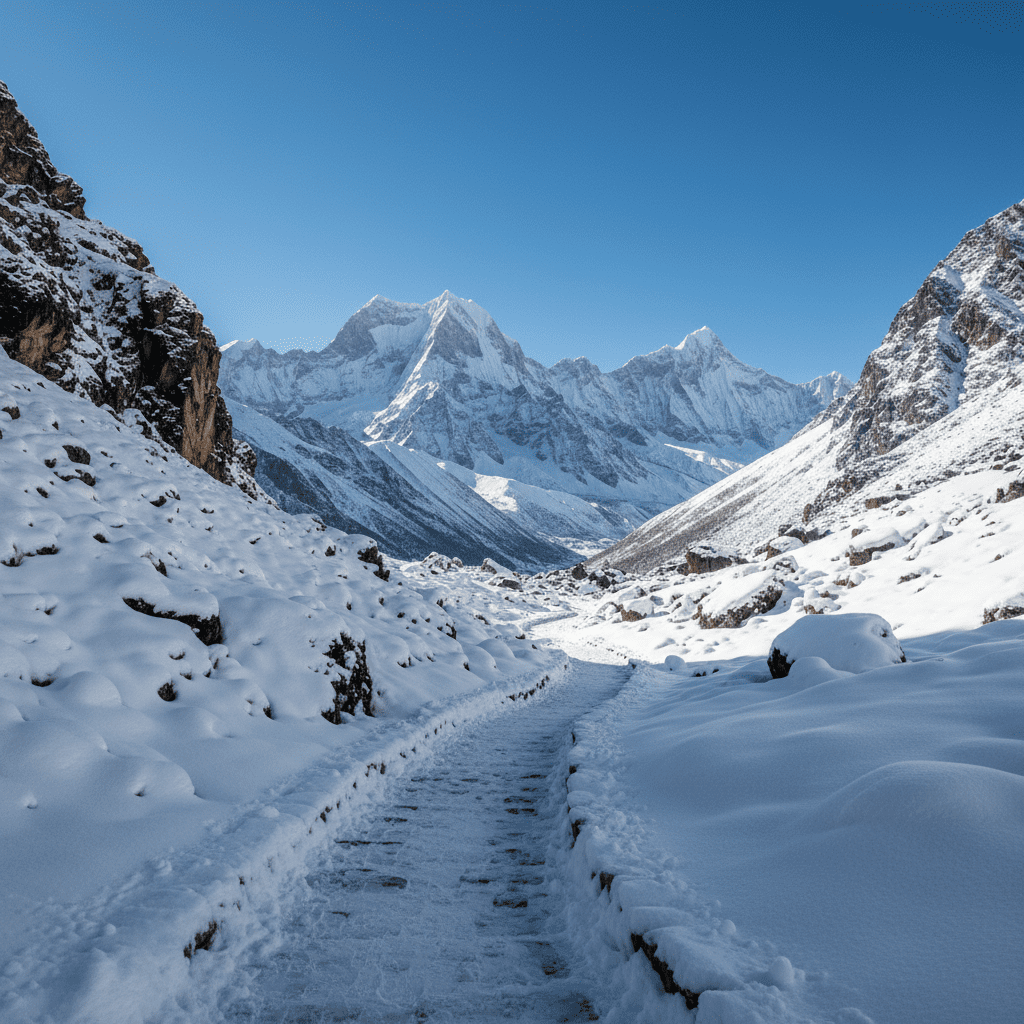
While spring and autumn attract massive crowds, a truly hidden trend is the absolute solitude of the Chopta Tungnath trek during deep winter (January to February). When the heavy snow falls, the paved path vanishes under feet of powder, transforming this beginner-friendly walk into a challenging alpine ascent. Most commercial camps close, leaving only a few resilient homestays open. Trekking during this window requires micro-spikes and a seasoned local guide, but it unveils a stark, monochromatic beauty of the Himalayas that summer tourists completely miss.
Frequently Asked Questions
1. How difficult is the Chopta Tungnath trek?
The trek to the temple is considered easy to moderate due to the well-laid stone path. However, the final 1.5 km stretch to the Chandrashila peak is steep and requires moderate physical stamina.
2. What is the total distance of the trail?
The distance from Chopta base to Tungnath temple is roughly 3.5 kilometers one way. Continuing to the Chandrashila peak adds another 1.5 kilometers, making it a 5-kilometer hike each way (10 kilometers round trip).
3. How can I manage my Chopta Tungnath budget effectively?
To keep costs low, travel in a group to split private taxi fares from Ukhimath, stay in basic dormitories or pitch your own tent, and rely on local dhabas for your meals rather than resort dining.
4. Are there medical facilities along the route?
Medical facilities are extremely limited in Chopta. The nearest proper hospital or pharmacy is in Ukhimath (30 km away). Trekkers must carry a comprehensive first-aid kit and essential personal medications.
5. What exactly is the best season to visit Chopta for snow?
If your primary goal is to experience a winter wonderland, the best season to visit Chopta is between late December and early March. Expect sub-zero temperatures and heavy snowfall.
6. Can elderly people complete this journey?
Yes, many elderly pilgrims successfully visit the highest Shiva temple. They can take advantage of ponies or mules available at the base in Chopta to reach the temple comfortably.
7. Is network connectivity available in Chopta?
Network connectivity is highly unreliable. BSNL and Jio networks sometimes work in patches at the base camp, but signal completely drops on the trail. Treat this as an off-grid experience.
Conclusion
The Chopta Tungnath trek remains one of India’s most rewarding Himalayan journeys, seamlessly blending pristine natural landscapes with deep spiritual resonance. Whether you are chasing the brilliant rhododendron blooms in spring, seeking the clearest mountain panoramas in autumn, or daring to face the snowy solitude of winter, this trail delivers an unforgettable experience. With an exceptionally affordable Chopta Tungnath budget and a relatively easy path, there is no reason to postpone your adventure. Pack your rucksack, lace up your boots, and prepare to stand among the clouds at the Chandrashila peak!
Sources:
- Uttarakhand Tourism Board – Official Trekking Advisory
- Indian Mountaineering Foundation – Altitude and Trail Guidelines
- Garhwal Mandal Vikas Nigam (GMVN) – Accommodation and Permit Information