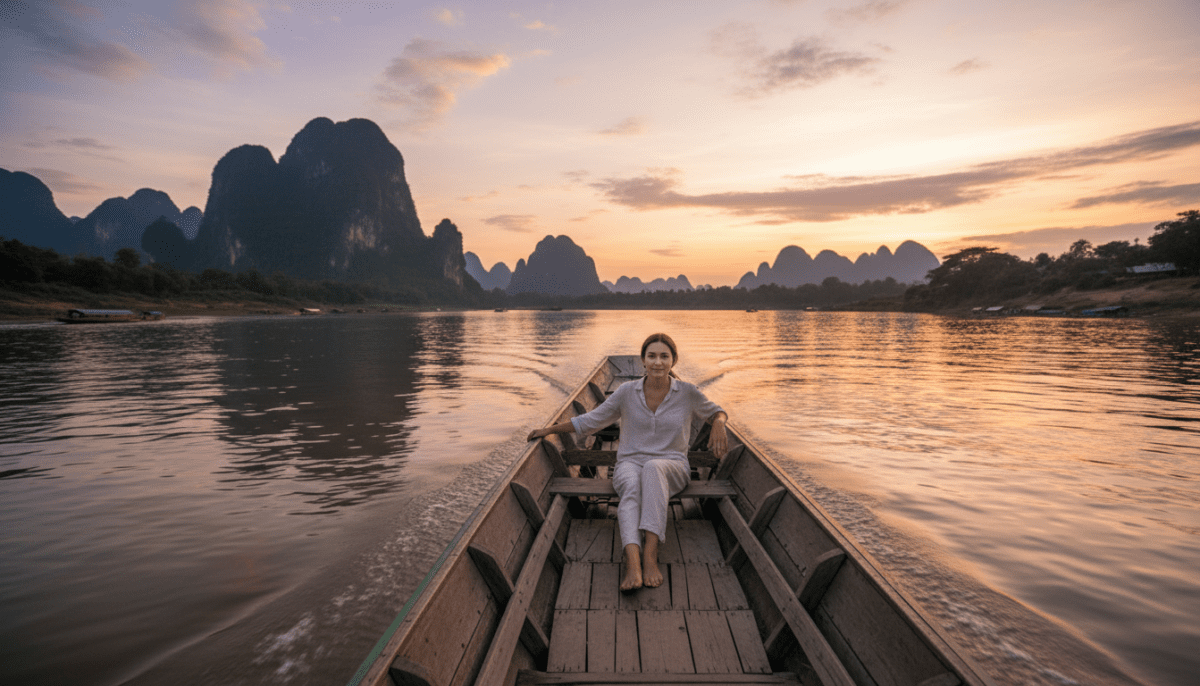
Southeast Asia is often synonymous with the bustling streets of Bangkok or the packed beaches of Bali, but tucked away between its popular neighbors lies a deeply authentic, spiritually rich, and beautifully slow-paced haven. Deciding to take a trip to Laos means stepping back in time, swapping traffic jams for meandering river boats, and trading over-commercialized tours for pristine waterfalls and genuinely welcoming locals.
Planning a trip to Laos offers an incredibly authentic, affordable, and culturally rich escape. For a complete trip, budget travelers should expect to spend about $25 to $35 per day, while mid-range comfort costs between $50 and $75 daily. The absolute best time to visit Southeast Asia falls between November and February when the weather is dry and perfectly cool. Whether you want to explore the spiritual heart of Luang Prabang, seek adrenaline in Vang Vieng, or ride a scooter through the Bolaven Plateau, this destination has something unforgettable for every traveler.
TL;DR: Quick Summary
- Ideal Weather: The peak dry and cool season runs from November to February, making it the best time to visit Southeast Asia for outdoor exploration.
- Daily Budget: Highly affordable; backpackers can easily thrive on $25 to $35 a day, while $50 to $75 unlocks boutique hotels and premium transport.
- Top Destinations: Must-visit spots include the cultural hub of Luang Prabang, the adventure capital of Vang Vieng, the peaceful 4,000 Islands, and the coffee-rich Bolaven Plateau.
- New Digital Entry: As of late 2025, travelers must use the new Digital Arrival and Departure Card system for streamlined immigration at major entry points.
- Rapid Transit: The China-Laos Railway (LCR) now connects Vientiane to Luang Prabang in just 1 hour and 50 minutes, revolutionizing how you travel through the country.
What Makes a Trip to Laos So Unique?
Taking a trip to Laos provides an experience that is increasingly rare: genuine authenticity untouched by mass tourism. The country is defined by its deep Buddhist traditions, magnificent natural landscapes, and a wonderfully unhurried pace of life.
The Cultural and Spiritual Pulse
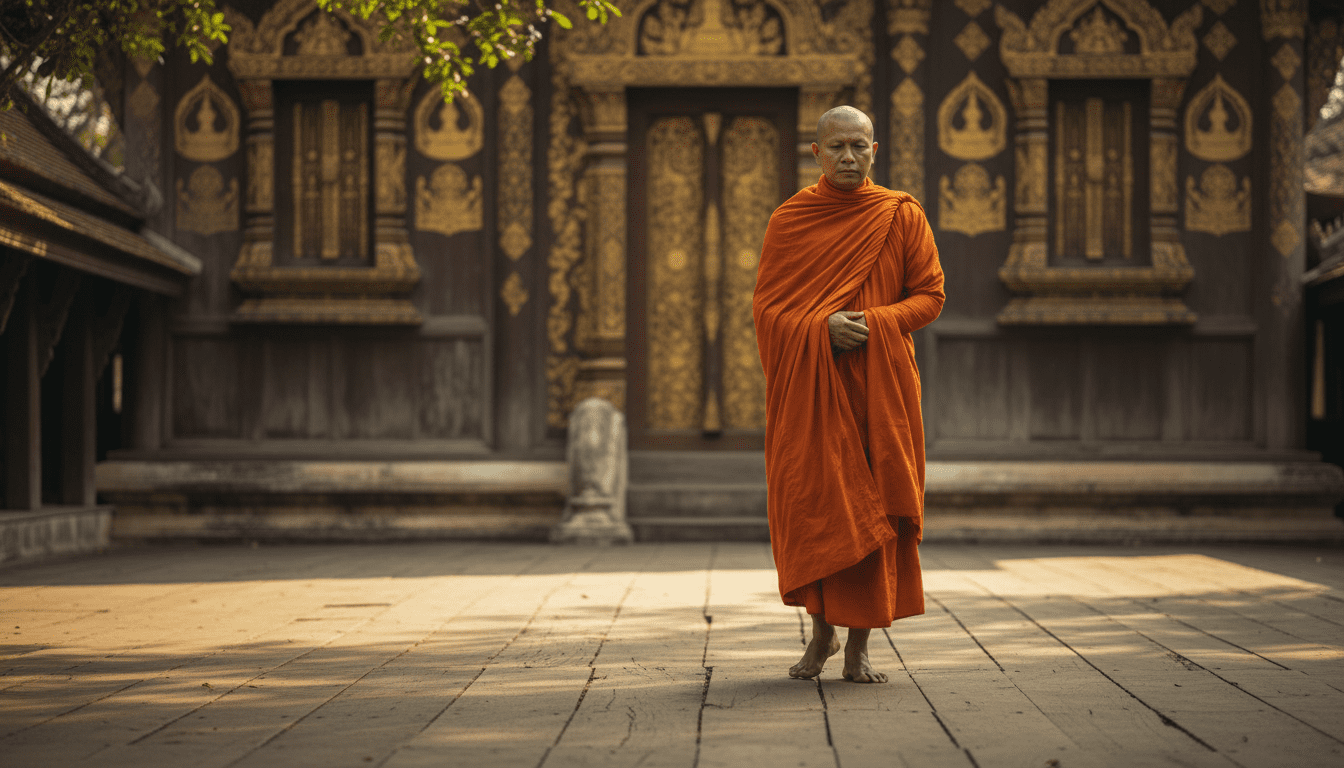
Buddhism is woven into the very fabric of daily life. In Luang Prabang, a UNESCO World Heritage jewel, you can witness the daily alms-giving ceremony at dawn, where monks collect sticky rice from devoted locals. Temples, or wats, serve as community centers. When visiting, cultural etiquette dictates dressing modestly by covering shoulders and knees, removing shoes before entering, and never pointing your feet at a Buddha image. The traditional greeting is the nop—pressing your palms together with a slight bow—which is a gentle way to connect with the remarkably polite and non-confrontational locals.
Incredible Culinary Heritage
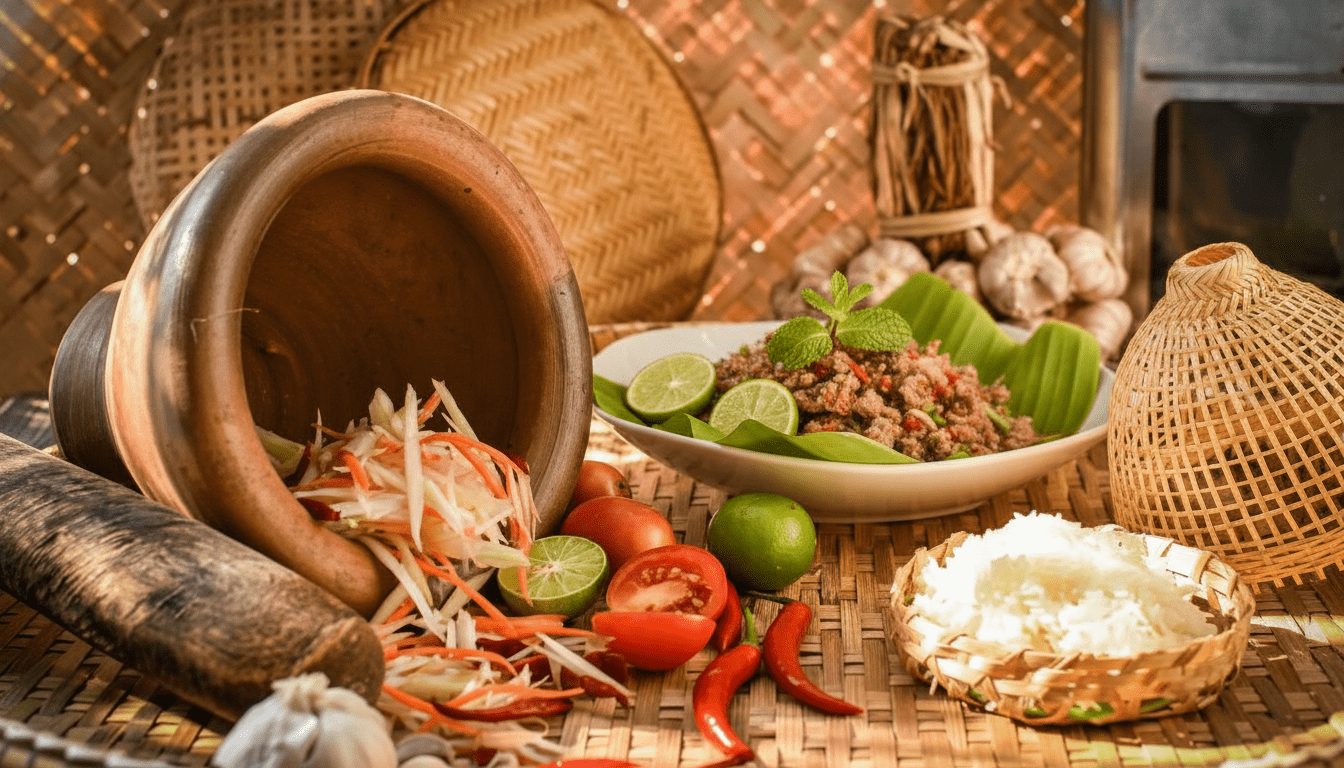
You cannot fully experience a trip to Laos without diving into its vibrant food scene. The national dish is Larb (or Laap), a fragrant minced meat salad mixed with fresh herbs, lime juice, chili, and roasted rice powder. It is traditionally eaten by hand alongside Khao Niew (sticky rice), a daily staple so central to the culture that Lao people affectionately call themselves “children of sticky rice”. Other must-try dishes include Tam Mak Hoong (a fiery green papaya salad with fermented fish sauce), Sai Oua (a fragrant lemongrass pork sausage), and Or Lam, a rich, slow-cooked stew originating from Luang Prabang.
Ethical Wildlife and Nature
Laos, historically known as the “Land of a Million Elephants,” is home to several ethical wildlife sanctuaries. During your trip to Laos, choosing ethical elephant sanctuaries is vital. Facilities like the Elephant Conservation Centre in Sayaboury, MandaLao in Luang Prabang, and the Mekong Elephant Park in Pakbeng offer incredible, hands-off experiences. These ethical sanctuaries prohibit riding and sometimes even bathing, ensuring the elephants’ autonomy and focusing on rehabilitation and releasing them back into the wild.
When is the Best Time to Visit Southeast Asia and Laos?
Timing your trip to Laos perfectly will define your experience. The country’s climate is split into three distinct seasons, each offering a vastly different flavor of adventure.
The Peak Season: November to February
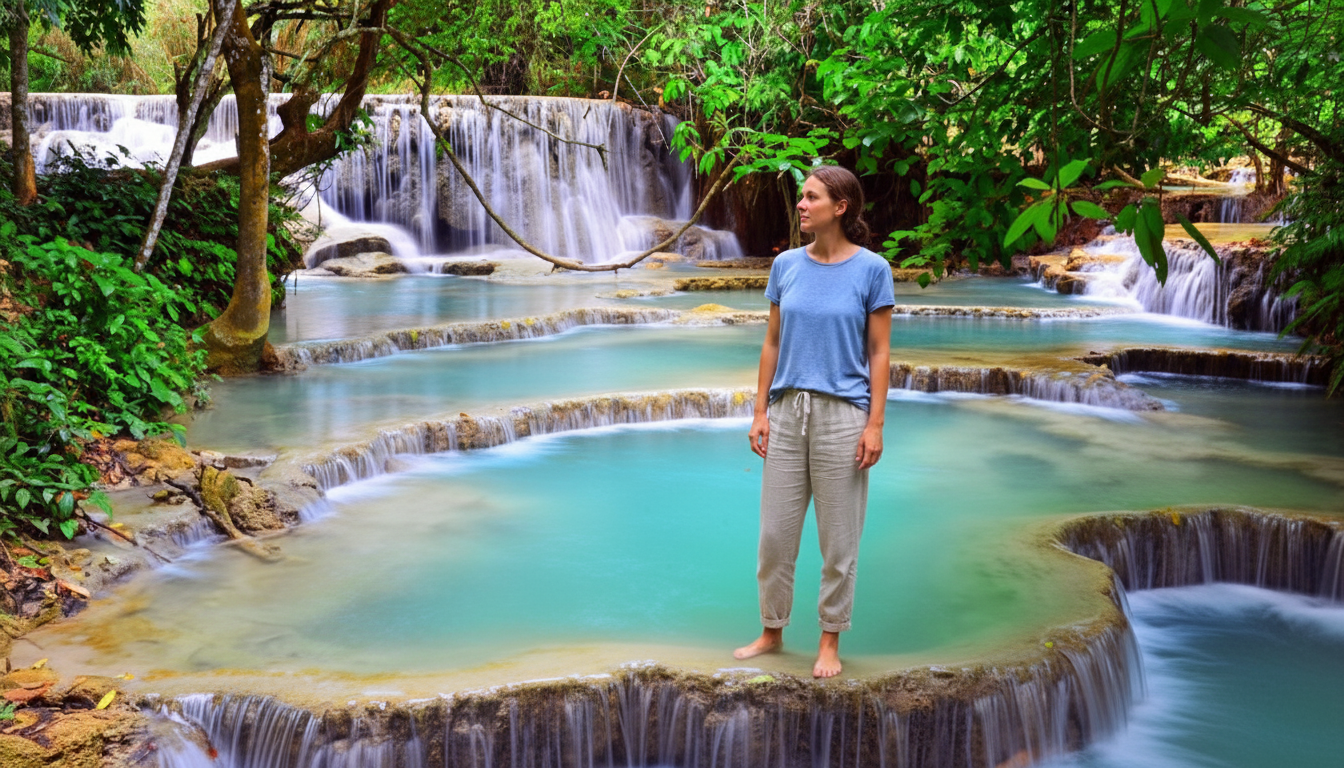
This is universally considered the best time to visit Southeast Asia. Temperatures hover comfortably between 60°F and 85°F (15-30°C) with minimal rainfall and brilliant blue skies. The dry season provides perfect conditions for trekking, river boat journeys, and exploring waterfalls like Kuang Si, which are still flowing beautifully from the previous monsoon. The only drawback is that accommodation prices peak, and you must book your high-speed train tickets well in advance.
The Hot Shoulder Season: March to May
By March, the heat begins to build, and by April, daily highs can reach an oppressive 105°F (40°C). Agricultural slash-and-burn practices can also create hazy skies during this period. However, Budget Travel in Laos shines here, as hotel prices drop by 25-35%, and the crowds thin out significantly. If you visit during April, you might catch Pi Mai Lao (Lao New Year), a massive, country-wide water festival.
The Green Season: June to October
Often dismissed due to daily afternoon thunderstorms, the wet season is actually incredibly beautiful. The landscapes transform into brilliant emerald greens, and the waterfalls are at their absolute most powerful. Prices drop by up to 60%, offering the ultimate Budget Travel in Laos. Just pack high-quality rain gear and be flexible with your overland travel plans.
How to Structure Your Budget Travel in Laos
Understanding the costs makes organizing your Laos Travel Guide remarkably simple. Laos remains one of the most affordable destinations globally, giving you incredible value for your money.
The Backpacker Budget: $25 to $35 Per Day
For those fully embracing Budget Travel in Laos, your money stretches far. You can secure a comfortable hostel dorm for $5 to $8 a night, or a basic private guesthouse for $10 to $12. Dining exclusively on street food like hearty bowls of Khao Piak Sen (noodle soup) or local baguettes will cost roughly $8 to $12 daily. Transport relies on local buses and bicycle rentals, keeping daily transit costs under $5.
The Mid-Range Sweet Spot: $50 to $75 Per Day
Upgrading your budget drastically improves your comfort. For $25 to $40 a night, you can book lovely boutique guesthouses with air conditioning, hot water, and breakfast included. This budget allows you to mix street food with excellent sit-down meals, take the high-speed LCR trains instead of cramped minivans, and book guided kayaking tours or cooking classes.
The Premium Experience: $100 to $150+ Per Day
Luxury comes cheap on a trip to Laos. Upwards of $100 a day buys you stays at stunning riverside resorts or French colonial hotels, private drivers, domestic flights to skip long overland routes, and premium adventures like multi-day jungle trekking or hot air ballooning over the limestone karsts of Vang Vieng.
Who Are the Must-Visit Destinations For?
A thorough Laos Travel Guide must highlight the distinct regional personalities across the country.
Luang Prabang: The Soul of Laos
Perfect for culture enthusiasts and foodies, Luang Prabang is the crown jewel. Spend your days exploring the stunning Wat Xieng Thong temple, swimming in the multi-tiered turquoise pools of Kuang Si Falls, and shopping for textiles at the vibrant night market.
Vang Vieng: The Adventure Hub
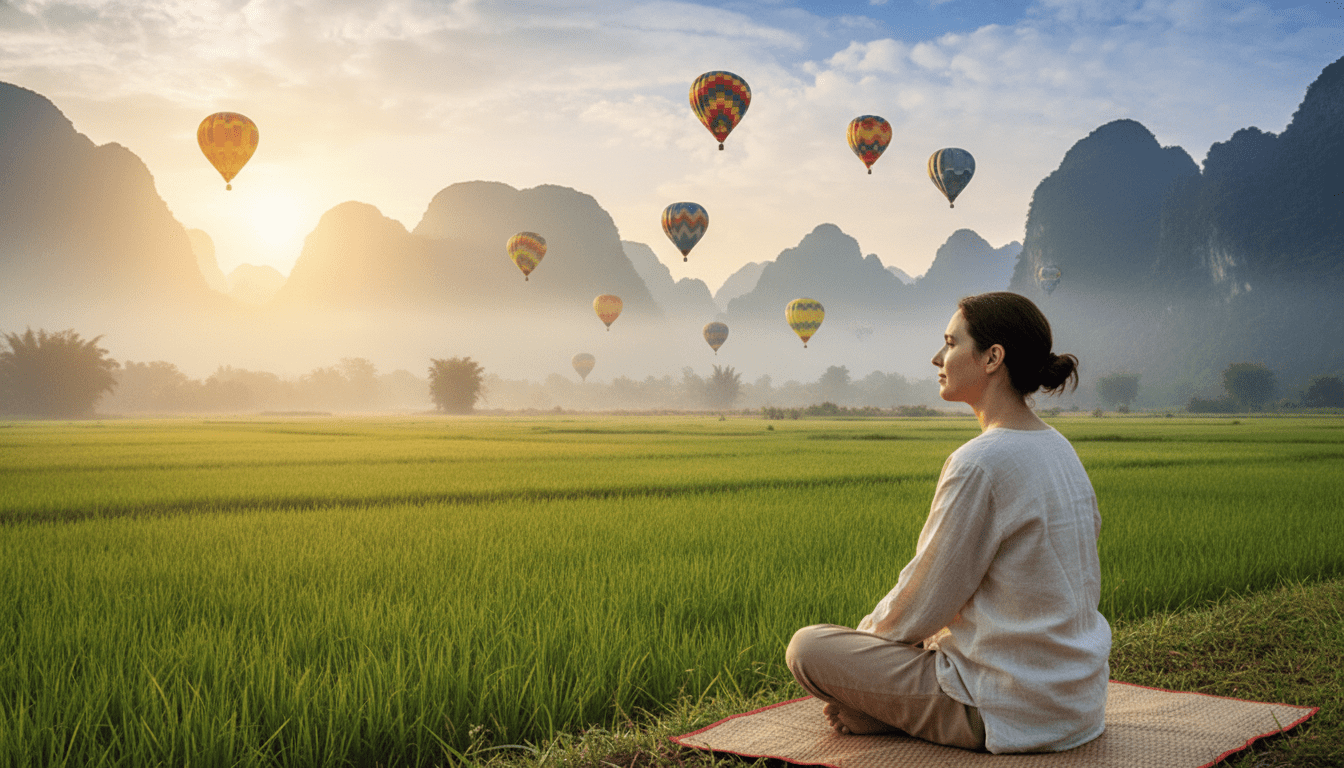
Once infamous for wild tubing, Vang Vieng has matured into an eco-adventure paradise. Limestone cliffs offer world-class rock climbing, while the Nam Song River provides serene kayaking. You can explore the Blue Lagoon, zipline through the canopy, or take a hot air balloon ride at sunrise for $90 to $130.
Pakse & The Bolaven Plateau: The Nature Escape
In the south, Pakse acts as the gateway to the Bolaven Plateau. This leg of your trip to Laos offers some of the best coffee on earth. Rent a scooter and spend three days riding the loop. You will pass massive cascades like the 120-meter Tad Fane waterfall, where you can literally drink coffee while ziplining 300 meters above the gorge. The plateau is famous for its cool climate and rich coffee plantations; do not miss local estates like Mr. Vieng Coffee. You can even sleep under the stars in heated bubble domes at Dinfadao.
The 4,000 Islands (Si Phan Don): Ultimate Relaxation
Where the Mekong River widens at the Cambodian border, you will find an archipelago where time stands still. Don Det caters to a younger crowd, while Don Khon offers quieter colonial history and thundering rapids. Spend your days cycling, relaxing in a hammock, and taking boats out to spot the endangered Irrawaddy dolphins.
Step-by-Step Guide: Planning Your Logistics
Navigating a trip to Laos is easier than ever if you follow these precise steps:
- Sort Your Visa and Digital Entry: Most nationalities are eligible for an e-visa ($50) or Visa on Arrival ($30-$42 USD cash). Critically, as of September 2025, you must also complete the digital Arrival and Departure Card online prior to reaching international checkpoints like Wattay Airport or the Lao-Thai Friendship Bridge.
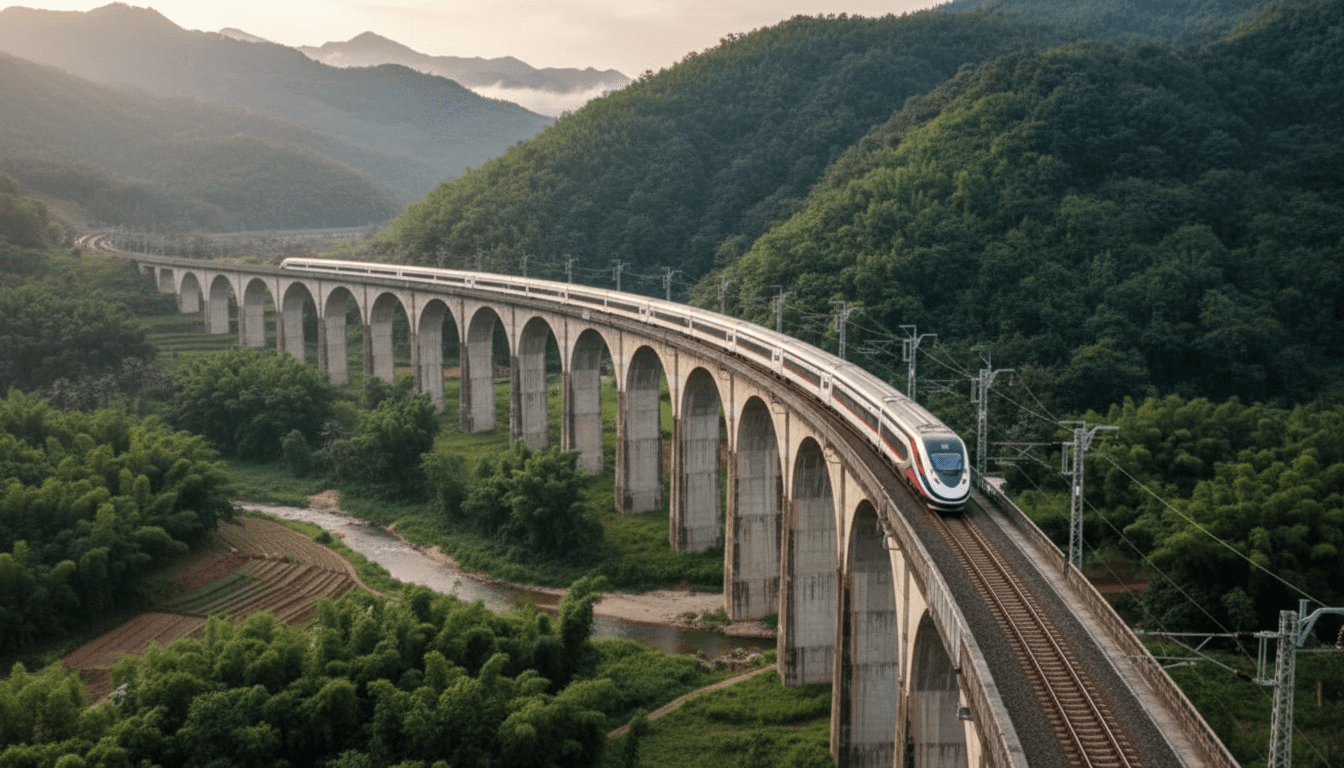
- Book the High-Speed Train: The China-Laos Railway (LCR) has transformed overland travel. The EMU bullet trains cut the grueling 10-hour bus ride from Vientiane to Luang Prabang down to an effortless 1 hour and 50 minutes. Second-class tickets cost about $22 USD. Since the official ticket windows sell out instantly, use an online booking agency a few weeks in advance.

- Pack Accordingly: Bring light, breathable fabrics, but always pack clothing that covers your shoulders and knees for temple visits. If traveling on the EMU train, bring a sweater—the air conditioning is notoriously freezing.
- Manage Your Money: Carry crisp US Dollars for your visa fees and emergencies, but rely on the local Lao Kip (LAK) for daily transactions. ATMs are common in cities, but stock up on Kip before heading to remote areas like the Bolaven Plateau or the 4,000 Islands.
Benefits & Features of a Trip to Laos
- Incredible Safety: Laos consistently ranks as one of the safest countries in Southeast Asia for solo travelers, particularly solo female travelers, due to its non-confrontational culture.
- Low Tourist Density: Unlike its neighbors, you can still experience major attractions, majestic waterfalls, and ancient temples without battling overwhelming crowds.
- Deep Cultural Immersion: From village homestays to peaceful temple grounds, the interactions here are genuine, unforced, and deeply welcoming.
- Value for Money: Premium experiences, incredible local cuisine, and comfortable boutique lodging are available at a fraction of Western prices.
Real-World Case Study: The Perfect 10-Day Luang Prabang Itinerary
Consider a classic 10-day trip to Laos that maximizes both culture and adventure. You fly into Luang Prabang and spend three days exploring the old town, observing the morning alms, eating fresh Larb by the Mekong, and swimming at Kuang Si Falls.
On day four, instead of suffering through a winding mountain bus ride, you board the sleek LCR high-speed train, arriving in Vang Vieng less than an hour later. You spend two days rock climbing the limestone karsts and kayaking the Nam Song River. This Luang Prabang itinerary effortlessly blends relaxation with thrill.
Day six sees you taking another short train ride to the capital, Vientiane, to marvel at the golden Pha That Luang stupa and reflect at the COPE Visitor Centre. Finally, you catch a short domestic flight or an overnight sleeper bus down to Pakse, renting an automatic scooter to spend your final three days riding the Bolaven Plateau loop, sipping world-class local coffee beside the roaring Tad Fane waterfall before flying home.
“Laos consistently ranks as one of the safest countries in Southeast Asia for solo travelers. Violent crime is rare, and incidents involving tourists are uncommon.”
“Taking the Vientiane to Luang Prabang train cuts a grueling 10-hour bus journey down to a smooth 1 hour and 50 minutes. Second-class EMU tickets cost around $22 USD and offer the best balance of comfort and value.”
Destination Comparison Data Table
| Destination | Primary Vibe | Est. Daily Budget | Must-Do Activity |
|---|---|---|---|
| Luang Prabang | Culture & Spirituality | $40 – $80 | Alms-giving & Kuang Si Falls |
| Vang Vieng | Adventure & Nature | $30 – $60 | Rock Climbing & Hot Air Balloon |
| Bolaven Plateau | Exploration & Coffee | $25 – $50 | Motorbike Loop & Tad Fane |
| Vientiane | Quiet Capital Life | $35 – $70 | Pha That Luang & COPE Centre |
| 4,000 Islands | Ultimate Relaxation | $20 – $45 | Dolphin Watching & Hammock Time |
Unique Insight: The Modernization of the Hidden Gem
For decades, a trip to Laos meant navigating crumbling infrastructure, enduring bone-rattling 12-hour bus journeys, and dealing with extensive paperwork at border crossings. That era has officially ended. As of late 2025, the government successfully digitized border control with the new Digital Arrival and Departure Card, cutting down immigration wait times drastically. More significantly, the China-Laos Railway (LCR) has fundamentally remapped the country. The sleek CR200J EMU bullet trains travel up to 160 km/h, turning exhausting full-day transit days into pleasant two-hour scenic rides. This rapid modernization makes Budget Travel in Laos vastly more comfortable without compromising the country’s ancient charm.
[Insert Video Placeholder Here]
FAQs
Is a trip to Laos safe for solo travelers?
Yes, a trip to Laos is considered one of the safest destinations in Southeast Asia. The local culture values calm and non-confrontation, making it highly secure for solo travelers and solo female travelers alike.
What is the national food I must try?
No trip to Laos is complete without trying Larb. You absolutely must try Larb (or Laap), a minced meat salad flavored with lime, mint, and roasted rice powder, always eaten alongside sticky rice.
Do I need a visa to enter Laos?
Yes, most nationalities require a visa. You can apply for an e-visa beforehand or get a Visa on Arrival for $30-$42 USD. Additionally, all travelers must fill out the new digital Arrival and Departure Card.
How do I travel from Vientiane to Luang Prabang?
The best method is the high-speed LCR EMU train, which takes just 1 hour and 50 minutes and costs roughly $22 USD for a second-class ticket.
How much should I budget per day?
Budget travel in Laos is very accessible. Backpackers can live on $25 to $35 a day, while mid-range travelers seeking boutique hotels and guided tours should budget $50 to $75 daily.
How should I dress when visiting temples?
When preparing for your trip to Laos, pack respectful attire. Lao culture is conservative. When visiting temples, you must wear clothing that covers your shoulders and knees, and you must remove your shoes before entering any temple building.
Can I interact with elephants ethically in Laos?
Absolutely. Sanctuaries like the Elephant Conservation Centre and Mekong Elephant Park offer strict “hands-off” experiences where you can observe these majestic giants roaming freely without riding or bathing them.
Conclusion & CTA
A trip to Laos remains one of the travel world’s best-kept secrets. It is a country that demands you slow down, breathe deeply, and appreciate the present moment. From the mist-covered peaks and thundering waterfalls of the Bolaven Plateau to the deeply moving spiritual rituals in Luang Prabang, this is a destination that will capture your heart. Armed with this Laos Travel Guide, you now know exactly when to go, how to navigate the new digital immigration forms and high-speed trains, and how to maximize your budget.
Are you ready to experience the magic of Southeast Asia’s most authentic country? Start building your ultimate Luang Prabang itinerary today, book those bullet train tickets, and prepare for the adventure of a lifetime. Share this guide with your travel buddies and let us know in the comments which part of Laos you are most excited to explore!
Related Articles:
- Travel to Tungnath: 7 Ultimate Tips for the Perfect Trek
- The Ultimate Varkala Travel Guide: Discovering Kerala’s Cliffside Paradise
- A Soulful Guide to Munnar: Budget, Hidden Gems, and the Magic of the Mist
Sources: