The fire cooking trend 2026 is emerging as a fascinating rebellion in the culinary world. We are living in a culture obsessed with food hacks, five-minute recipes, and smart appliances that promise a “set it and forget it” experience. Yet, the most compelling movement sweeping through top-tier restaurant kitchens and suburban backyards alike has nothing to do with microchips or Bluetooth connectivity. This movement is redefining gastronomy by forcing us to look backward to move forward.
This cultural shift is a massive culinary movement where chefs and backyard enthusiasts are replacing digital automation with heritage-led practices the primal authenticity of open flames. These ancient culinary approaches are back because they demand sensory intelligence, deliver complex flavor profiles, and foster a deep communal connection to the food-making process that modern appliances simply cannot replicate.
Before there were gleaming commercial kitchens and precision thermometers, there was combustion. Embracing thermal craftsmanship means engaging with the very foundation of human evolution. Whether it is a Michelin-starred chef utilizing a custom-built hearth or a weekend warrior managing embers in their backyard, the resurgence of open flame grilling is a testament to craftsmanship over convenience. Let us explore exactly why this ancient practice and these elemental practices have become the defining gastronomic phenomenon of the year.
TL;DR: Quick Summary
- The 2026 culinary shift marks a major departure away from automated, app-controlled cooking devices toward the authentic, hands-on practice of hearth-based preparation over an open flame.
- Renowned global restaurants, such as Firedoor in Sydney and Asador Etxebarri in Spain, are leading the charge by operating entirely without gas or electricity, relying solely on different woods, natural lump coal, and embers.
- Home cooks are adopting robust, overbuilt setups like the Breeo live-fire grill to replicate restaurant-quality exposed-heat results in their backyards.

- Cooking over natural lump fuel requires “sensory intelligence,” forcing cooks to rely on sight, sound, smell, and feel rather than digital displays.
- High-profile culinary events, such as the Vivid Fire Kitchen 2026 in New South Wales, are celebrating open-fire techniques, Indigenous ingredients, and regional produce.
- These traditional cooking methods are back because they tap into human psychology, naturally lowering blood pressure and building community around the hearth.
Defining the 2026 Gastronomy Shift
To understand why these wood-fired techniques are surging, we must first look at the landscape of modern cooking. For the past decade, the industry has pushed toward ultra-convenience. Pellet smokers feed themselves, sous vide machines regulate water baths to the fraction of a degree, and gas grills ignite with the push of a button. While these tools offer undeniable ease, they actively separate the cook from the heat source.
This back-to-basics movement is a massive culinary shift world’s counter-movement. It is a return to fundamental craftsmanship, where the cook must understand the intricate balance of fuel, oxygen, and heat through thermal management. This trend champions traditional cooking methods over hardwood charcoal and split logs. Instead of turning a dial to 350°F, practitioners of open flame grilling read flame height, judge coal maturity by its glowing color, and instinctively adjust airflow to manipulate radiant and convective heat. It is an approach that values the process as much as the final plate.
Why Ancestral Techniques Are Dominating Fine Dining
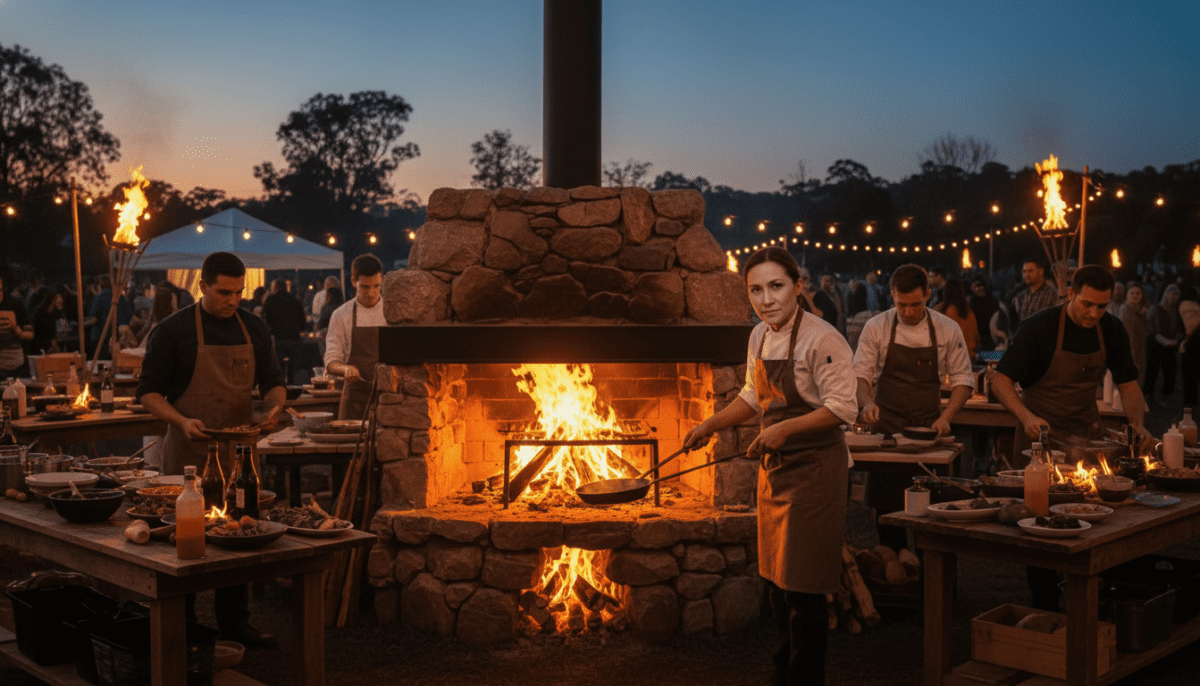
The resurgence of hearth-based gastronomy is highly visible in the fine-dining sector. Top-tier chefs are recognizing that ancestral techniques are returning because diners are craving authentic, culturally rooted experiences that cannot be faked. In this landscape, the fire cooking trend is moving from a mere technique to a core brand identity.
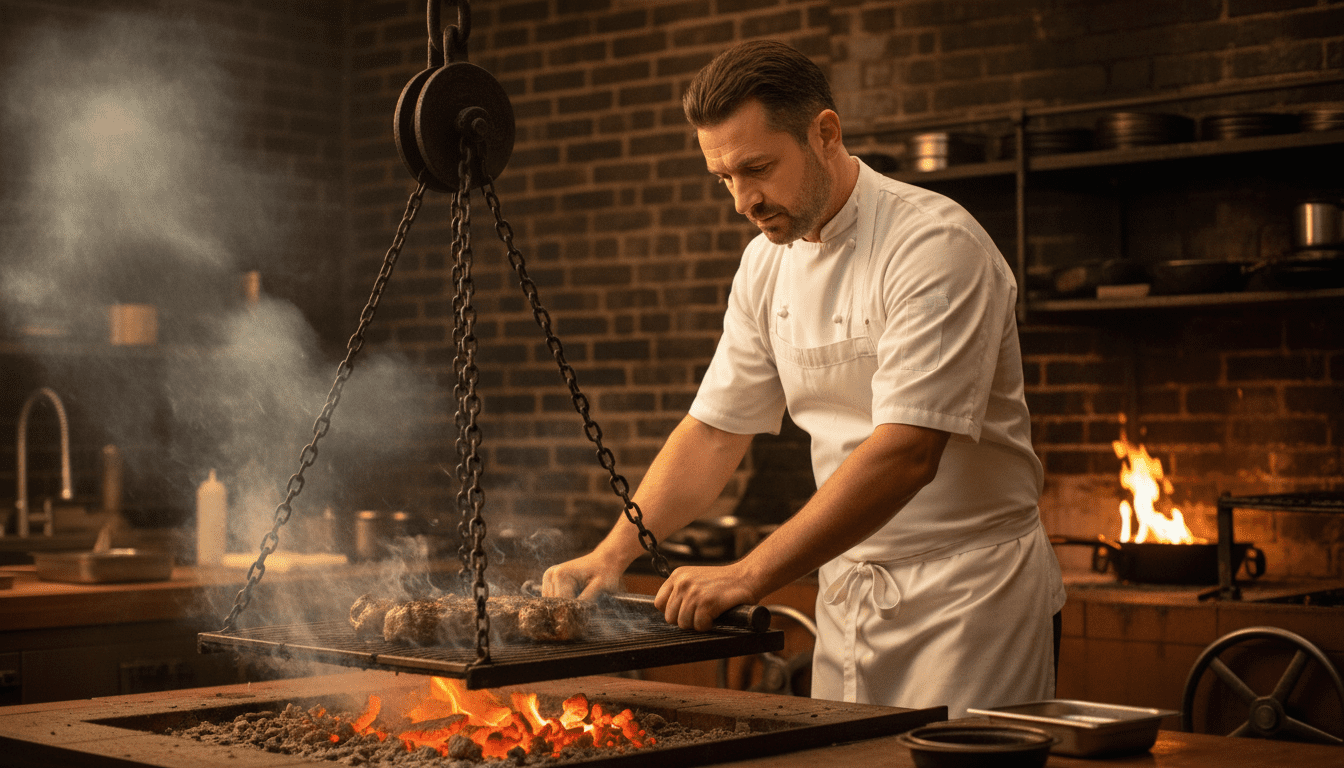
Consider restaurants like Asador Etxebarri in the Basque countryside, which uses a unique system of pulleys and custom utensils to masterfully control embers and curling smoke, kissing everything from baby eels to local vegetables with flame. In Sydney, Lennox Hastie’s Firedoor operates without any gas or electricity, utilizing different woods like pecan and grapevine shoots to sear, slow cook, and smoke to order. Similarly, Ekstedt in Stockholm pushes the boundaries of Nordic cuisine using only natural heat, soot, ash, and fire. These establishments prove that open flame grilling is not a nostalgic gimmick; it is a highly disciplined system capable of producing Michelin-level precision within the modern fire cooking trend.
How the Hearth Movement is Transforming Outdoor Spaces
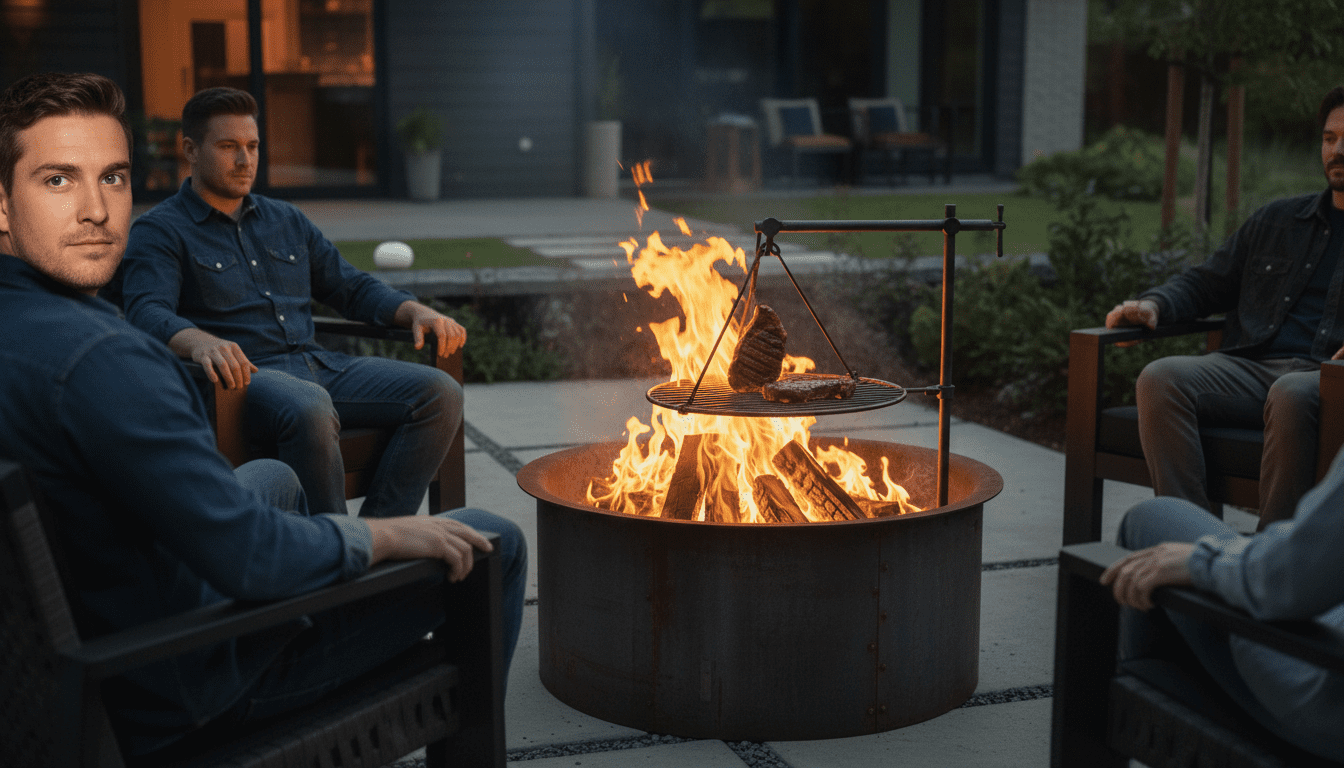
The momentum generated by elite chefs has trickled down to the consumer market, transforming backyard setups. The fire cooking trend 2026 has seen a massive spike in the adoption of kamado grills, Argentine-style parrillas, and specialized fire pits. Consumers are realizing that hardwood charcoal is not just a fuel source; it is a critical ingredient that contributes structural flavor and textural elements to the food during live-fire cooking.
A prime example of this analog resurgence is the popularity of the Breeo Live-Fire Grill. Designed for those who appreciate the analog process of traditional cooking methods, this overbuilt steel fixture strips away automation. Outfitted with adjustable outposts and heavy-duty grates, it allows home cooks to manage heat zones manually for superior direct-heat searing. While it requires more effort and longer cook times than a standard gas grill, the tradeoff is a unique, smoky flavor and meats that remain incredibly juicy without drying out. More importantly, these setups naturally draw people out of the house, fostering conversations and community around the glowing hardwood charcoal embers.
Step-by-Step Guide: Mastering Live-Fire Cooking Basics
If you want to participate in the fire cooking trend 2026, you must transition from relying on digital crutches to mastering the elements. Here is a fundamental guide to building your literacy in traditional cooking methods and fire:
- Select the Right Fuel: Ditch the chemical-soaked briquettes. Choose high-quality natural lump fuel (lump charcoal) or seasoned wood splits. The density and type of wood will drastically affect your burn time and the flavor profile of the smoke.
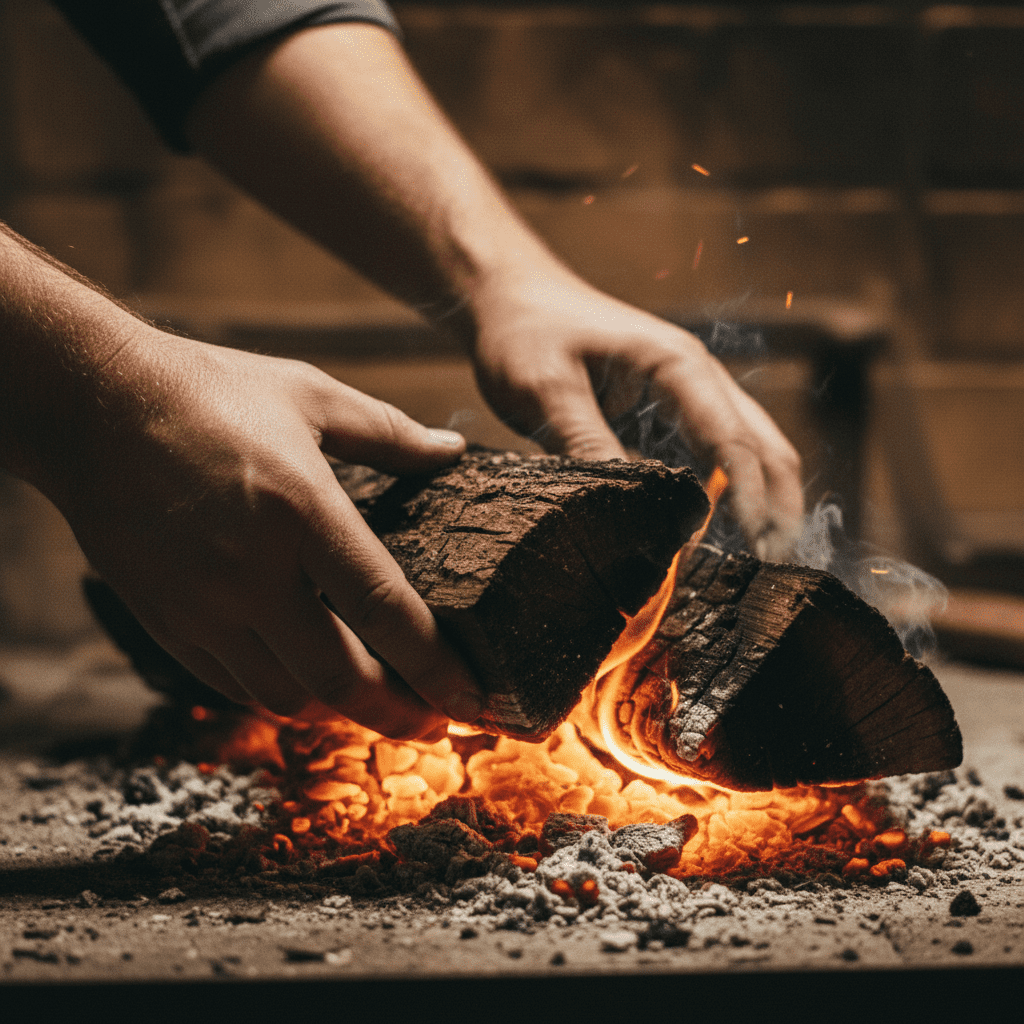
- Build and Manage the Fire: Use natural fire starters in a chimney. Once the hardwood charcoal coals are red hot and dusted with white ash, dump them into your pit and lay your wood splits across them to begin your live-fire cooking session.
- Establish Heat Zones: Do not spread your coals evenly. Bank them to one side to create a searing zone (radiant heat) for open flame grilling and leave the other side relatively clear for a slower, indirect cooking zone (convective heat).
- Calibrate Your Senses: Put away the digital thermometer for a moment. Listen to the sizzle to gauge moisture, smell the smoke to ensure it is burning cleanly (thin and blue, not thick and acrid), and use your hand’s proximity to the grate to feel the intensity of the radiant heat—essential skills in wood-fired mastery.
- Control the Airflow: Understand that fire breathes. Adjust the lower and upper vents of your grill to regulate oxygen. More oxygen equals hotter, faster burns; less oxygen creates low, slow embers perfect for traditional cooking methods.
Benefits & Features of the Fire Cooking Trend 2026
Embracing live-fire cooking offers a multitude of advantages that extend far beyond the dinner plate.
- Unrivaled Flavor Profiles: The combination of natural wood, hardwood charcoal, and direct thermal contact introduces deep, complex smokiness, char, and caramelization that gas and electricity simply cannot replicate.
- Development of Sensory Intelligence: Cooking with fire sharpens your innate senses. It forces you to rely on sight, sound, smell, and touch to judge temperature and timing, building true culinary competence in primitive arts.
- Deepened Social Connections: Fire naturally draws people together. The warmth, crackle, and aroma of live-fire cooking transform meal prep from an isolated chore into an immersive, communal event.
- Enhanced Sustainability: These low-tech approaches are returning partly due to environmental consciousness. Utilizing renewable resources like wood and hardwood charcoal while minimizing reliance on fossil fuels and electrical grids aligns perfectly with modern eco-friendly values.
- Unmatched Versatility: Open flame grilling is incredibly dynamic. It provides high heat for a rapid sear, while mature embers offer the steady, gentle warmth required for slow roasting, smoking, or even baking.
Real-World Case Study: The 2026 Vivid Fire Kitchen in Sydney
To truly grasp the magnitude of this outdoor lifestyle shift, one only needs to look at the massive cultural events being built around traditional cooking methods. The New South Wales visitor economy is set to be ignited by the 2026 Vivid Fire Kitchen, a spectacular culinary showpiece operating during the renowned Vivid Sydney festival.
Moving to its new home at Barangaroo Reserve, the expanded 23-night program brings together over 60 culinary voices to celebrate the sights, smells, and sounds of hearth-based preparation over natural embers. This case study perfectly illustrates why these traditional cooking methods are back on a grand scale. The event features the “Vivid Fire Pit,” where festival-goers can watch heavyweights like Chef Mark Best and rising stars conducting live-heat performance demonstrations and create exclusive flame-kissed dishes.
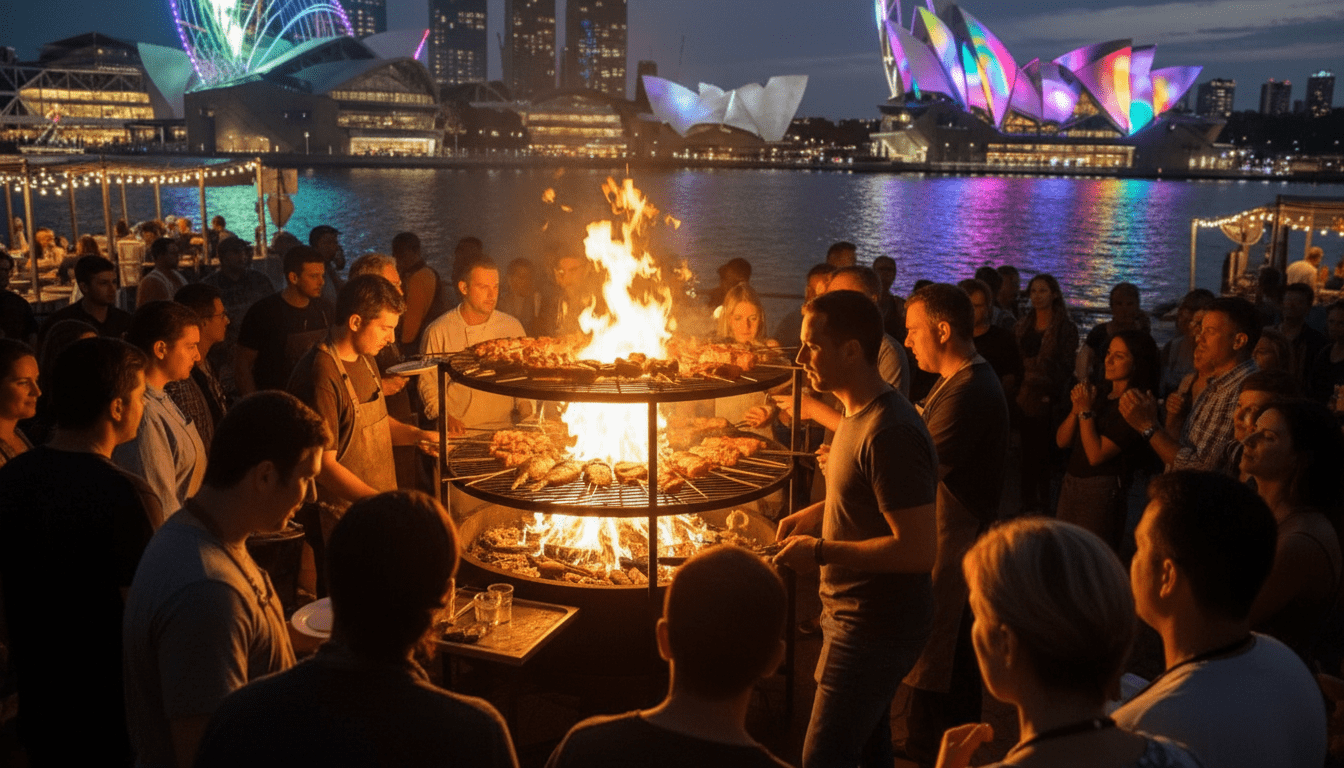
Furthermore, the festival highlights how the fire cooking trend intersects with heritage. The “Gwianga” (the Dharug word for fire) First Nations Culinary Showcase places a massive spotlight on Indigenous ingredients, ancient knowledge, and primeval live-fire cooking techniques. By blending food, theatrical fire, and storytelling, the Vivid Fire Kitchen proves that open flame grilling is a major drawcard for millions of domestic and international visitors, driving billions of dollars into the local economy while celebrating the primal joy of the hearth.
Expert Quotes on the Return to the Flame
“The Fire Pit is an opportunity to explore why cooking over flame is so special – it’s elemental, expressive and deeply connected to place. Fire strips cooking back to its essentials and opens space for instinct, memory and collaboration.” — Mark Best, Executive Chef at Infinity.
“Live-fire cooking is moving from technique to brand identity. Guests are drawn to the sensory experience — smoke, aroma, crackle, and char — which feels authentic, primal, and premium… hardwood charcoal grilling will symbolise craft, restraint, and depth rather than heaviness.” — Seefah Ketchaiyo, Chef & Co-Owner, Seeran Hospitality.
Data Table: Comparing Modern vs. Traditional Cooking Methods
To fully appreciate the fire cooking trend 2026, we must evaluate how live-fire cooking stacks up against modern, highly automated alternatives.
| Cooking Technique | Primary Fuel Source | Flavor Profile Characteristics | Required Skill Level |
|---|---|---|---|
| Live-Fire Cooking | Hardwood Charcoal / Split Wood | Bold, smoky, complex char | High (Sensory dependent) |
| Pellet Smoking | Compressed Wood Pellets | Mild to medium smoke | Low (Automated/Set-and-forget) |
| Gas Grilling | Propane / Natural Gas | Clean, neutral, minimal smoke | Low to Medium |
| Clay Pot Cooking | Embers / Indirect Heat | Earthy, moisture-retaining | Medium |
| Sous Vide | Electricity / Water Bath | Completely neutral, exact | Low (App-controlled) |
Unique Insight: The Neurological Wiring of the Hearth
While it is easy to attribute the fire cooking trend 2026 to a simple desire for better-tasting steaks, the reality is far more profound. There is a deep psychological and neurological component to why traditional cooking methods are back. Anthropologists have long argued that harnessing fire and live-fire cooking was the turning point in human evolution, changing our biology, extending our days, and building the very first communities.
Modern neuroscience backs this up, showing that simply watching a fire actually lowers human blood pressure and promotes relaxation. In a speed-obsessed, hyper-digital culture, standing in front of a kamado grill or a roaring fire pit acts as a grounding mechanism. Open flame grilling cannot be multi-tasked; it demands your absolute presence. When you are forced to listen to the sizzle of fat hitting glowing embers, smell the shifting character of the smoke, and feel the radiant heat on your skin, you enter a flow state. This sensory immersion is why people feel a profound sense of satisfaction and calm when utilizing the fire cooking trend—we are literally hardwired to find peace and connection around an open flame.
[Insert Video Placeholder Here]
Frequently Asked Questions
What exactly is this fire-centric movement?
This phenomenon represents a global shift away from highly automated, digital cooking appliances toward the primal, hands-on practice of live-fire cooking over open flames using wood and hardwood charcoal. It emphasizes craftsmanship, flavor, and sensory engagement.
why are heritage culinary practices resurfacing in fine dining?
Diners are experiencing fatigue from molecular gastronomy and hyper-polished food. They crave authenticity, deep flavors, and the theatrical, sensory experience of smoke and char. Top chefs are utilizing open flame grilling to showcase raw culinary skill and restraint.
What equipment do I need to start live-fire cooking at home?
While you can start with a simple campfire grate, many enthusiasts are following the movement by investing in specialized equipment like kamado-style ceramics, Argentine parrillas, or heavy-duty steel fire pits like the Breeo Live-Fire Grill, which allow for advanced heat zone management.
How does hardwood charcoal differ from standard briquettes?
Hardwood charcoal (lump charcoal) is made from pure wood without chemical binders. It reacts to oxygen changes much faster, burns hotter, produces less ash, and imparts a cleaner, more dynamic smoky flavor compared to standard manufactured briquettes, making it ideal for traditional cooking methods.
How do I control the temperature without a dial or app?
Cooking with active flames requires you to manage the three elements of combustion: fuel, heat, and oxygen. You control the temperature by adjusting the air vents to increase or restrict oxygen flow, managing the size of your hardwood charcoal bed, and moving food closer to or further away from the radiant heat source during open flame grilling.
What is the Vivid Fire Kitchen 2026?
It is a massive culinary event held during the Vivid Sydney festival in Australia. Set in Barangaroo Reserve, it features over 60 chefs performing live open flame grilling, alongside cultural events like the Gwianga First Nations Culinary Showcase, which highlights Indigenous ingredients and traditional cooking methods.
Is open flame grilling an environmentally sustainable way to cook?
Yes, when practiced mindfully. The fire cooking trend relies on minimal equipment and utilizes renewable resources like sustainably sourced wood and hardwood charcoal, reducing our heavy dependence on fossil fuels, gas lines, and electrical grids.
Conclusion & CTA
The fire cooking trend 2026 is far more than a passing culinary fad; it is a profound return to the very essence of human ingenuity. By stepping away from the sterile convenience of apps and automation, we are rediscovering the joy of craftsmanship. Traditional cooking methods are back because they challenge us to build our sensory intelligence, reward us with unmatched, bold flavors, and naturally draw our friends and families together around the warmth of the hearth. Whether you are dining at a world-class restaurant in Sydney or dumping a chimney of hardwood charcoal into your backyard pit, the language of live-fire cooking is one worth learning.
Are you ready to unplug, slow down, and master the flame? Dust off your grill, source some quality hardwood, and experience the primal satisfaction of open flame grilling this weekend. Drop a comment below with your favorite open-fire recipe, and don’t forget to share this guide to flame-based mastery with your fellow grill masters!
Related Article:
- Why Swicy Flavours Are Taking Over 2026 Food Trends
- Third Culture Cuisine Fusion Food Trend Explained
- The Ultimate Guide to Launching a Profitable Cloud Kitchen Business in 2026
- Functional Drinks Trend 2026: Why Matcha and Healthy Energy Alternatives Are Taking Over
Sources:
- Breeo Live-Fire Grill Review: An Expensive System for People Who Like Cooking Around an Open Flame – Popular Mechanics.
- 2026 Vivid Fire Kitchen program to ignite NSW visitor economy – NSW Government.
- From Live Fire Cooking To Micro-Regional Plates: Chefs Predict 2026’s Biggest Food Trends – Elle Gourmet India.