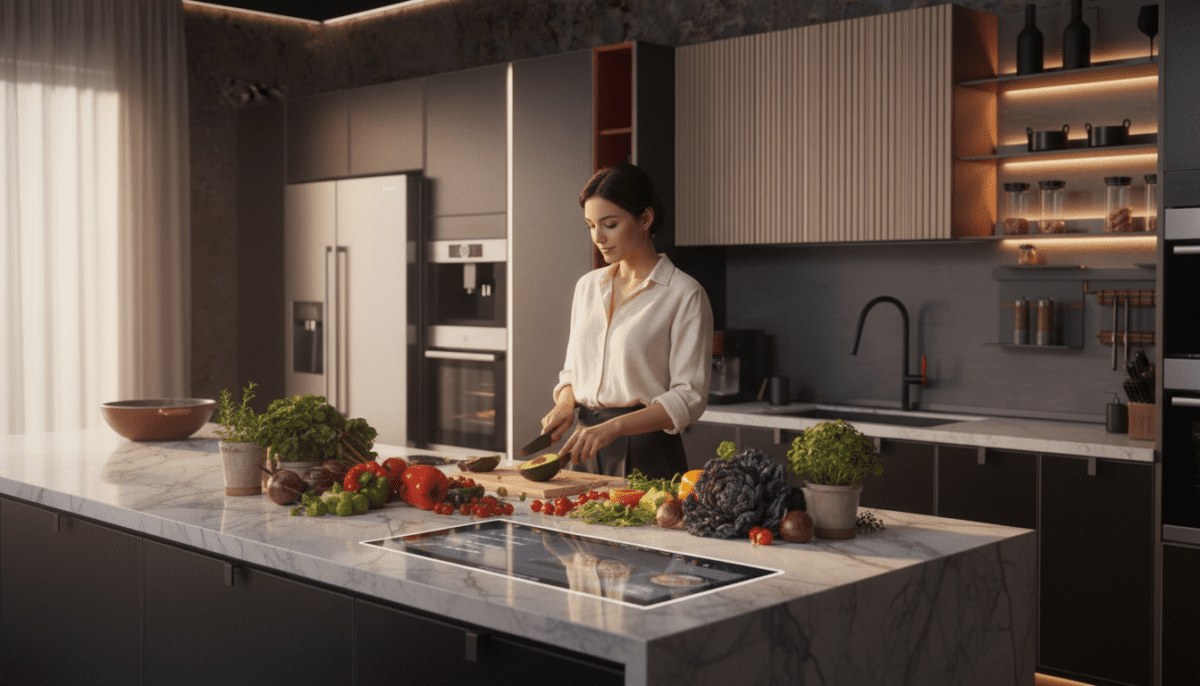
The days of staring blankly into a refrigerator filled with random ingredients and wondering what to cook for dinner are rapidly coming to an end. We are standing at the precipice of a culinary revolution, largely defined by the AI cooking trend, where the kitchen is no longer just a room equipped with heating elements and cooling compressors, but a highly intelligent, interconnected ecosystem. Home cooking has been profoundly disrupted by the intersection of artificial intelligence, machine learning, and the Internet of Things (IoT), transforming everyday meal preparation into a seamless, hyper-personalized experience.
The AI cooking trend is a fundamental technological shift where Smart Kitchen Appliances and IoT cooking tools seamlessly integrate with generative AI to dynamically create personalized recipes, automatically track ingredient inventories, and precisely adjust cooking temperatures in real-time. This integration drastically enhances food waste reduction and makes professional-quality, health-conscious cooking effortlessly accessible at home.
Through the power of AI recipe generation, modern appliances are learning our dietary habits, monitoring the expiration dates of our groceries, and offering step-by-step guidance that adapts on the fly. Whether you are an amateur cook looking for weeknight convenience or a culinary enthusiast aiming for Michelin-star precision, understanding how to harness these smart tools within the AI cooking trend is the key to unlocking the future of food.
TL;DR: Quick Summary of the AI Cooking Trend
- The global market for smart kitchen devices is booming, expected to reach $13.59 billion by 2032 as households embrace the AI cooking trend and intelligent cooking.
- Generative AI models are moving beyond static recipe databases, offering dynamic AI recipe generation based on the exact ingredients you currently have on hand, a hallmark of the AI cooking trend.
- Smart refrigerators equipped with internal cameras and inventory tracking are contributing to significant food waste reduction, potentially cutting household waste by up to 30%.
- Advanced smart ovens utilize computer vision, infrared heating, and wireless probes to recognize food types and autonomously manage the cooking process for perfect results.
- While IoT cooking tools offer unprecedented convenience, users must remain mindful of data privacy, as interconnected devices gather extensive behavioral data.
What is the AI Cooking Trend?
The AI cooking trend encompasses the integration of artificial intelligence into everyday kitchen tasks, elevating standard appliances into proactive culinary assistants. Traditionally, cooking applications relied on static recipe repositories that offered limited adaptability to a user’s specific dietary constraints or available pantry items. Today, the trend is driven by generative AI models—such as the LLaMA 3.1 8B large language model—which analyze user inputs like ingredient availability, caloric limits, and macronutrient targets to craft entirely new, customized recipes on demand.
This trend goes far beyond software. It involves physical hardware like smart ovens, smart refrigerators, and digital air fryers that communicate with each other and the user through smartphone applications and voice assistants like Amazon Alexa or Google Assistant.
When Did Smart Kitchen Appliances Take Over?
The transition toward the AI cooking trend and intelligent kitchens has been accelerating steadily, driven by a broader adoption of smart home technology. The global market for these appliances was valued at $6.56 billion in 2024 and is projected to surge at a Compound Annual Growth Rate (CAGR) of 11.5%, reaching an estimated $13.59 billion by 2032. Over 35% of households in developed markets currently own at least one smart appliance.
The shift gained massive momentum as consumer priorities changed. Rising health consciousness and a desire for time-saving convenience pushed manufacturers to innovate. We are now seeing a distinct evolution in the market; for example, the AI cooking trend shows consumers are slowly moving away from single-use air fryers in favor of highly versatile, multi-use AI ovens that can proof bread, steam, bake, and air fry all in one.
How Does AI Recipe Generation Work?

At the core of this culinary shift is dynamic AI recipe generation, a core component of the AI cooking trend. Unlike older rule-based recommendation systems that simply pull a pre-written recipe from a database, modern AI frameworks process structured prompts. When a user inputs their available ingredients, dietary preferences, and even their current health objectives (such as managing diabetes or hypertension), the backend server communicates with an AI model via cloud APIs to stream a customized recipe in real-time.
Furthermore, intelligent substitution features are becoming incredibly sophisticated. If a home cook is missing an ingredient, AI-powered recipe adaptation services can instantly suggest a viable alternative that maintains the desired flavor profile, texture, and cooking time without requiring the user to leave the cooking app to search the web.
Who is Driving the AI Cooking Trend and the IoT Cooking Tools Revolution?
The landscape is dominated by a mix of established legacy brands and innovative tech startups. Industry giants such as Samsung, Haier, Panasonic, and Midea leverage their massive distribution networks and deep R&D pockets to integrate IoT ecosystems across multiple appliance categories.
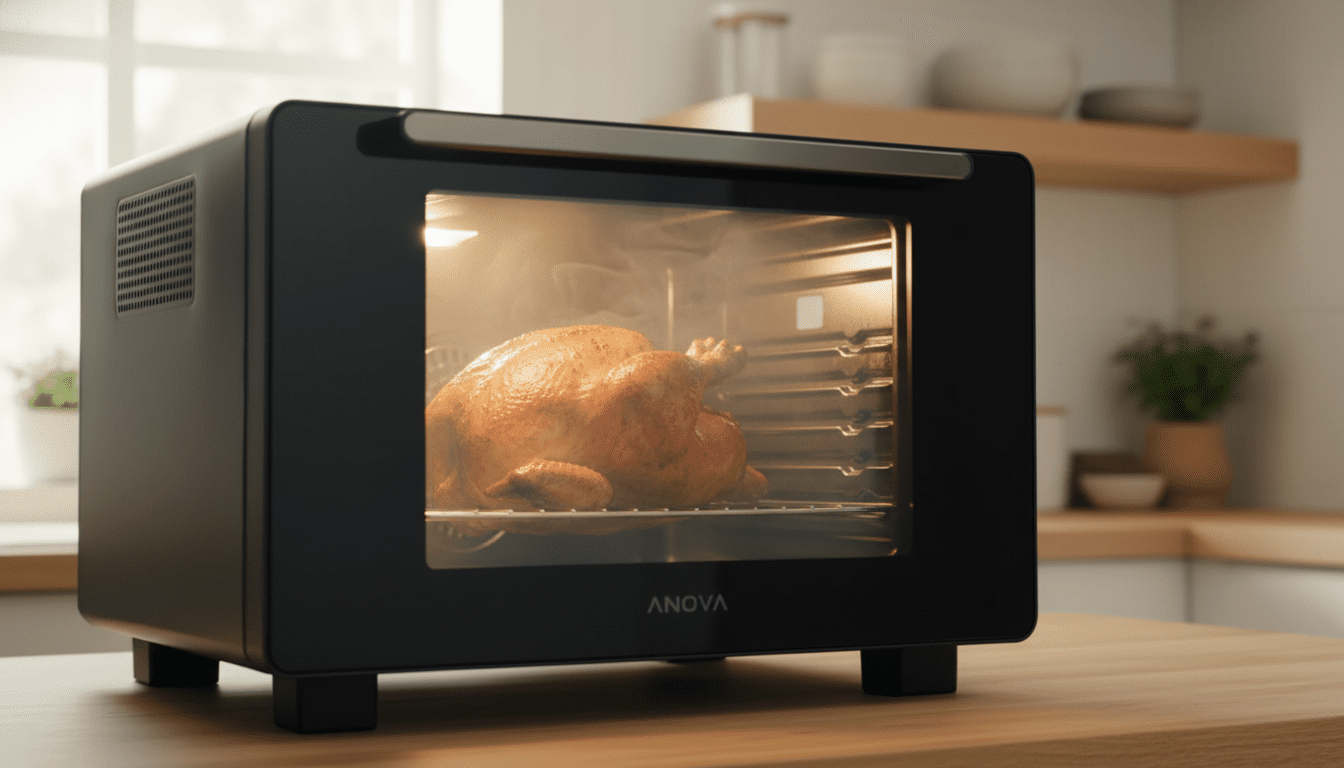
Simultaneously, specialized culinary tech companies are pushing the boundaries of precision cooking. Brands like Anova Culinary are pioneering smart ovens with built-in cameras and food recognition, while Brava is redefining heat application with multi-zone infrared light cooking. Typhur is elevating meat preparation with AI-integrated wireless probe thermometers boasting multiple sensors for unparalleled accuracy.
How to Upgrade to a Smart Kitchen Setup
Transitioning to a highly functional, AI-powered kitchen does not require an immediate, overwhelming renovation. You can build your connected culinary ecosystem gradually by following these steps:
1. Assess Your Culinary Pain Points
Identify where you struggle most. If you constantly throw away spoiled groceries, prioritize a smart refrigerator. If you struggle with overcooking proteins, focus on a smart oven or a precision cooker as you adopt the AI cooking trend.
2. Invest in a Centralized Smart Refrigerator
Upgrade to a model like the Haier 520L 4-Door fridge. These appliances act as the brain of your kitchen, utilizing internal cameras and AI to monitor expiration dates, track inventory, and send real-time alerts to your smartphone.
3. Upgrade Your Primary Heating Appliance
Move beyond standard stovetops and basic microwaves. Introduce the AI cooking trend into your home via a smart countertop oven, such as the Breville Joule or the Anova Precision Oven 2.0. Ensure the device offers Wi-Fi connectivity and pairs with a comprehensive companion app for guided cooking and automatic temperature adjustments.
4. Integrate AI Recipe Generation Software
Utilize platforms powered by generative AI or dedicated appliance apps (like the Brava Home App or Breville+). Input your dietary goals and let the software suggest personalized meal plans based on the ingredients your smart fridge has already inventoried.
5. Connect to a Voice Assistant
Link your Smart Kitchen Appliances to your broader smart home ecosystem (like Google Home or Alexa). This enables hands-free operation, allowing you to preheat ovens or add items to your grocery list while your hands are covered in flour.
Unlocking the Benefits of the AI Cooking Trend
Embracing Smart Kitchen Appliances offers profound benefits that extend well beyond the simple novelty of connecting a toaster to the Wi-Fi.
- Massive food waste reduction: IoT cooking tools equipped with smart inventory management and expiration date tracking proactively remind users to consume perishable goods. By generating recipes based specifically on ingredients that are about to expire, these systems can reduce household food waste by up to 30%.
- Precision and Consistency: As part of the AI cooking trend, AI eliminates the guesswork from cooking. Appliances with computer vision and internal temperature probes dynamically monitor the cooking process, adjusting heat and humidity autonomously to ensure meats are perfectly cooked and baked goods are flawlessly risen.
- Personalized Nutrition Planning: Smart cooking ecosystems can track daily caloric intake, monitor macronutrients, and generate meals tailored to specific health conditions, making dietary management highly accessible for families and individuals following the AI cooking trend.
- Energy Efficiency: Intelligent algorithms optimize cooking times and utilize targeted heating methods (like infrared or rapid air circulation), significantly reducing the energy consumption compared to powering a traditional, full-sized conventional oven.
Case Study: Tackling Food Waste with Haier’s AI Refrigerators
To understand the tangible impact of the AI cooking trend, look at how households are utilizing the Haier 520L Black Glass 4-Door Convertible Refrigerator. Food waste is a persistent global concern, often stemming from forgotten ingredients pushed to the back of the fridge and poor inventory tracking.
Haier’s AI-powered refrigerator directly combats this issue using Smart Food Management technology. The appliance integrates with the Haismart App, allowing users to digitally log their stored items. The AI actively monitors these entries and sends proactive alerts to the user’s smartphone as items approach their expiration dates. By demonstrating the efficiency of the AI cooking trend, this system ensures nothing goes to waste.
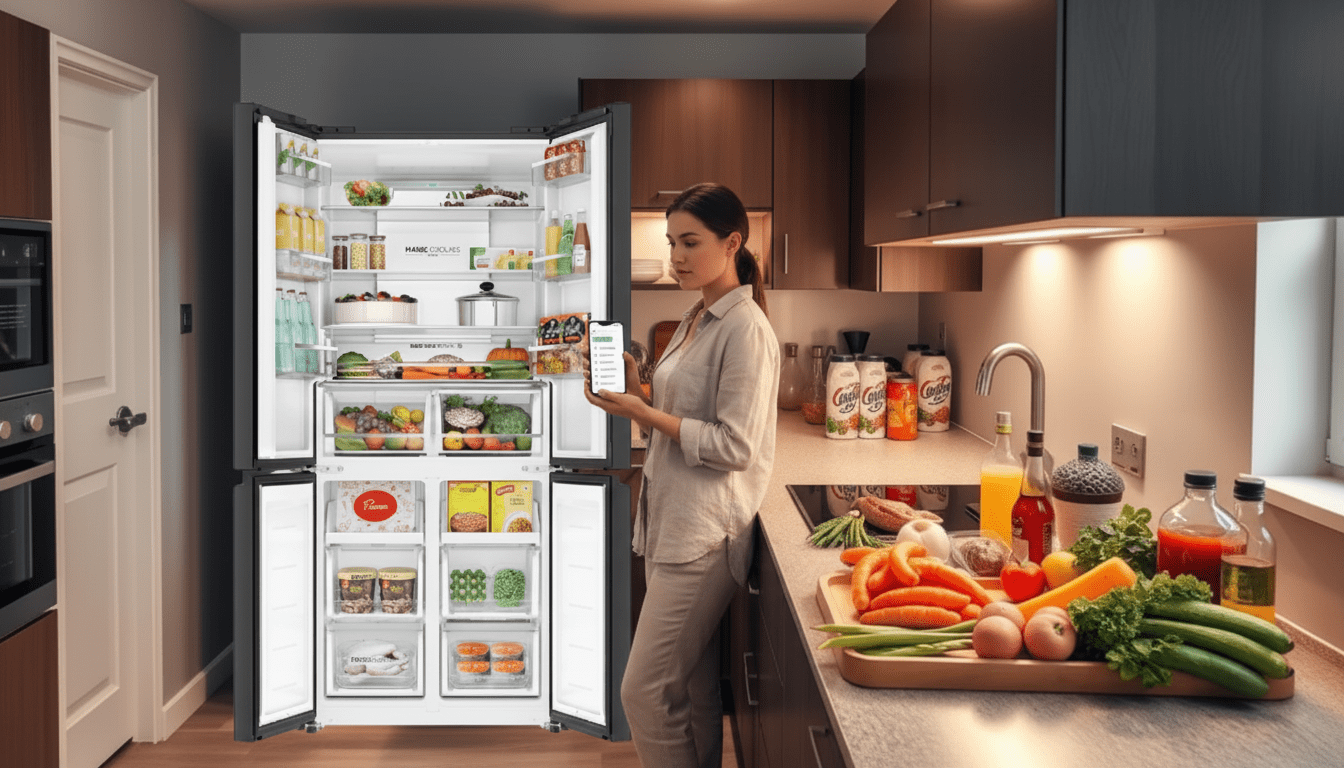
Taking it a step further, the AI ecosystem does not just warn the user; it provides a solution. The system analyzes the expiring ingredients and generates customized recipe recommendations utilizing those specific items. If a user decides to modify the suggested recipe due to a missing pantry staple, integrated AI recipe generation adaptation services can seamlessly substitute ingredients while ensuring the final dish remains structurally sound and flavorful. This real-world application proves that Smart Kitchen Appliances are fundamentally shifting consumer behavior toward sustainability.
“Countertop smart ovens have moved from a nice-to-have gadget to a legitimate category in the small-appliance market over the past five to seven years. The biggest advantage is efficiency, both in energy use and day-to-day cooking.” — Hannah Pregont, Appliance Expert and Creative Director
“Home cooking is no longer focused on just getting dinner on the table. It is about precision, cultural connection, and smart tools that help every cook achieve professional-quality results without wasted time or an extra mess.” — Stephen Svajian, Co-Founder of Anova Culinary
Smart Kitchen Appliance Comparison
| Appliance Type | Top Brand Model | Primary AI Feature | Primary User Benefit |
|---|---|---|---|
| Smart Refrigerator | Haier 520L 4-Door | Expiry Tracking & Inventory Monitoring | Proactively reduces food waste by up to 30% |
| Smart Oven | Anova Precision 2.0 | Camera-Based Food Recognition | Autonomous precision cooking without guesswork |
| Smart Countertop Oven | Brava Smart Oven | Infrared Multi-Zone Heating | Cooks up to 3 different foods at varying temps simultaneously |
| Wireless Thermometer | Typhur Sync | 5-Sensor Predictive AI Probe | Guarantees perfect protein doneness without drying out |
| Generative AI System | Fresco AI Recipe Adapt | Dynamic Ingredient Substitution | Accommodates dietary needs and missing ingredients instantly |
Unique Insight: The Privacy Paradox in Smart Kitchens
While the AI cooking trend brings unparalleled convenience, it simultaneously opens the door to significant ethical and privacy concerns that are rarely discussed on the appliance showroom floor. In the architecture of IoT cooking tools, data is constantly gathered at the perception layer via sensors, cameras, and microphones.

The unique threat lies in the analysis of “non-sensitive” data. Even if the data transmitted from a smart coffee maker or air fryer is heavily encrypted, malicious actors or overzealous network observers (like Internet Service Providers) can infer deeply private habits simply by analyzing the traffic rate. For instance, the exact times a smart kitchen appliance sends and receives data peaks can accurately reveal a household’s sleeping patterns, working hours, and daily routines.
Furthermore, users often agree to lengthy terms of service without realizing the sheer volume of behavioral and nutritional data being collected. Ensuring the confidentiality, integrity, and availability (the CIA Triad) of this data is a massive challenge. As we invite AI into our kitchens to curate our meals, we must demand transparency and robust data segmentation from manufacturers to ensure our domestic lives remain private.
[Insert Video Placeholder Here]
Frequently Asked Questions (FAQs)
What exactly is the AI cooking trend?
The AI cooking trend refers to the integration of artificial intelligence, machine learning, and Internet of Things (IoT) connectivity into kitchen appliances. It allows devices to automatically recognize food, generate personalized recipes, track inventory, and precisely control cooking environments to improve meal quality and convenience.
How do smart kitchen appliances reduce food waste?
Smart refrigerators use internal cameras and user-inputted data to track the expiration dates of groceries. The AI sends mobile alerts before food spoils and generates specific recipe suggestions that utilize those expiring ingredients, effectively minimizing the amount of food thrown away through proactive food waste reduction.
Can AI recipe generation handle dietary restrictions?
Yes, AI recipe generation models can dynamically create or adapt recipes based on a user’s strict dietary needs. Whether a user requires a low-sodium, gluten-free, vegan, or high-protein diet, the AI can filter out unwanted ingredients and suggest appropriate, healthy substitutions in real-time.
Are IoT cooking tools difficult to use?
While there can be a slight learning curve associated with connecting devices to Wi-Fi and navigating companion apps, most modern IoT cooking tools are designed with highly intuitive interfaces, voice-activation capabilities, and automated “set it and forget it” presets that actually simplify the cooking process.
What are the privacy risks of smart kitchens?
Smart appliances collect vast amounts of behavioral data. The primary risks involve the potential for unauthorized access (hacking), eavesdropping on unencrypted networks, and the ability of observers to infer private daily routines based purely on appliance usage patterns and network traffic.
How much do smart kitchen appliances cost?
Pricing varies significantly based on features. Basic digital air fryers can be found for under ₹5,000 (approx. $60), while highly advanced, AI-powered smart ovens and smart refrigerators can range from hundreds to several thousands of dollars due to the premium technology involved in the current AI cooking trend.
Will AI replace traditional home cooking?
No, AI is not designed to replace the joy and creativity of home cooking. Instead, it acts as an intelligent sous-chef that removes the tedious guesswork, handles precise temperature control, and provides inspiration, allowing the home cook to focus on the creative and enjoyable aspects of culinary arts.
Conclusion
The AI cooking trend is far more than a fleeting tech gimmick; it is a profound evolution in domestic life. By merging advanced IoT cooking tools with dynamic AI recipe generation, our kitchens are becoming active partners in our health, our schedules, and our environmental footprint. From smart ovens that know exactly how to roast a chicken to intelligent refrigerators that combat food waste reduction by tracking expiration dates, the future of cooking is undeniably connected. As manufacturers continue to refine these technologies—and address the vital concerns surrounding data privacy—Smart Kitchen Appliances will soon become as essential to the modern home as the kitchen sink.
Ready to transform your culinary experience? Start small by upgrading a single, heavily used countertop appliance to a smart model today, and discover how AI can turn your daily meal prep into a seamless, stress-free masterpiece.
Related Article:
- Why Swicy Flavours Are Taking Over 2026 Food Trends
- Third Culture Cuisine Fusion Food Trend Explained
- The Ultimate Guide to Launching a Profitable Cloud Kitchen Business in 2026
- Functional Drinks Trend 2026: Why Matcha and Healthy Energy Alternatives Are Taking Over
Sources: