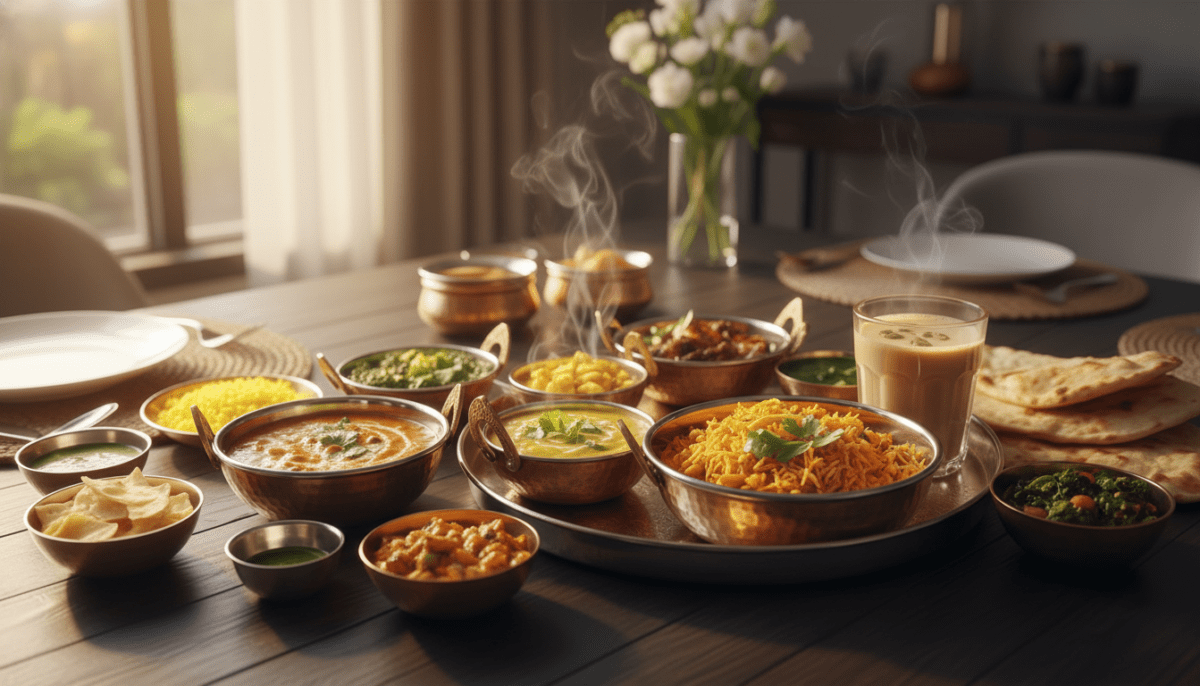
India has long been celebrated as the global epicentre of vegetarian cuisine, boasting the world’s largest vegetarian population by absolute numbers. For generations, diets across the subcontinent have been deeply intertwined with religious traditions, cultural identity, and agricultural abundance. However, a massive and unprecedented dietary revolution is currently underway in urban centres. While traditional Indian vegetarianism relies heavily on dairy products like paneer, ghee, and yoghurt, a new wave of conscious consumption and plant based indian food protein is reshaping plates, driving a secular shift toward entirely plant-derived diets.
If you are wondering why this shift is happening and where it is leading, the answer is clear. Plant based indian food protein represents the future of healthy eating in India because it successfully combines the nation’s rich, naturally meat-less culinary heritage with modern nutritional science to effectively combat rising lifestyle diseases like type 2 diabetes, while drastically reducing environmental footprints. Driven primarily by Gen Z consumers who are seeking sustainable eating habits, this movement seamlessly integrates traditional ingredients like lentils, chickpeas, and jackfruit with advanced plant-based meat substitutes and dairy alternatives, creating a food ecosystem that is both familiar and revolutionary.
TL;DR: Quick Summary
- India’s Gen Z is actively driving a secular shift towards a vegan diet India and plant based indian food protein, with 68% citing climate change and environmental sustainability as their primary motivation rather than religious traditions.
- The domestic market is expanding rapidly, supported by the emerging smart protein sector and plant based indian food protein innovation, which is developing products tailored specifically to the Indian palate, such as vegan kebabs, biryanis, and momos.
- Clinical studies show that adopting a vegetarian or plant-based diet can significantly lower fasting blood sugar, post-prandial blood sugar, and HbA1c levels in patients with type 2 diabetes.
- Modern plant-based meat substitutes in India often use familiar ingredients like soy, wheat, and pea protein, providing high dietary fibre and comparable protein levels without the cholesterol found in conventional meat.
- Despite premium pricing, Indian consumers are highly receptive to the category, often willing to pay up to a 20% premium for plant-based dairy alternatives like soy and oat milk due to their perceived health benefits.
What is the Plant Based Indian Food Protein Revolution?
To understand the current trajectory of the Indian food landscape and the rise of plant based indian food protein, we must distinguish between traditional vegetarianism and the modern plant-based movement. Historically, Indian vegetarian cuisine has relied on cereal grains (like rice and wheat), pulses (like lentils and chickpeas), and a vast array of vegetables and spices. However, it is also heavily dependent on dairy. India is the world’s largest producer and consumer of milk, with dairy serving as a primary source of animal protein in the traditional vegetarian diet.
The new revolution in plant based indian food protein actively seeks to replace both meat and dairy with purely plant-derived alternatives. This transition is being spearheaded by the smart protein sector, which utilizes food science to extract proteins from soybeans, peas, oats, and even traditional Indian crops like mung beans and jackfruit. The goal is not just to offer salads or basic vegetable curries, but to provide satisfying, protein-rich alternatives through plant based indian food protein that mimic the texture, taste, and culinary experience of animal products. This ensures that consumers can enjoy their favourite comfort foods—from buttery chicken to creamy paneer tikka—without the associated health risks or ethical compromises.

When Did Plant Based Indian Food Substitutes Gain Mainstream Momentum?
The momentum for plant-based meat substitutes and plant based indian food protein began to surge noticeably around the early 2020s, accelerating dramatically post-pandemic. According to recent surveys, 34% of urban Gen Z Indians have actively reduced their meat consumption over the past two years, and 12% now identify as fully plant-based while prioritising plant based indian food protein.
The food industry’s response has been swift. The Indian plant based indian food protein market was estimated at roughly ₹4,500 crore in 2026, encompassing a wide variety of products including oat milk, almond milk, and sophisticated meat alternatives. Startups like Blue Tribe Foods and GoodDot began producing plant-based keema, nuggets, and mutton designed specifically to replicate the flavours of traditional Indian non-vegetarian dishes. Furthermore, major Quick Service Restaurant (QSR) chains like McDonald’s, Burger King, and Domino’s introduced plant-based burgers and pizzas, proving that plant based indian food protein had successfully crossed over from niche gourmet markets into mainstream, everyday dining.
How is the Smart Protein Sector Adapting to Plant Based Indian Food Palates?
One of the biggest hurdles for the global alternative protein market has been localising taste and texture. The Indian smart protein sector has excelled in this arena by recognising that plant based indian food protein consumers have a deep, cultural connection to specific spices, formats, and cooking methods.
Instead of merely importing Western-style burger patties, Indian food technologists are creating plant based indian food protein products like ‘soya chaap’, jackfruit biryani, and chickpea-based scrambled eggs (bhurji). Nutritional analyses reveal that many of these plant-based meat substitutes utilize composite blends of soy protein and wheat gluten, or a mix of soy, wheat, and pea proteins. This process of “protein complementation” ensures that the final plant based protein indian food provides a complete and balanced essential amino acid profile, closely approximating the nutritional value found in animal proteins. Furthermore, these products are inherently rich in dietary fibre—a critical nutrient completely absent in conventional meat—making them highly beneficial for digestive health.
Who is Driving the Demand for Plant Based Indian Food and Sustainable Eating Habits?
The shift towards sustainable eating habits in India is not uniform; it is heavily concentrated among specific demographic segments. Gen Z and Millennials represent the vanguard of the plant based indian food protein movement. Unlike previous generations who adopted meatless diets primarily for religious or cultural reasons, this younger demographic is motivated by global concerns.
Environmental sustainability ranks as the highest motivator (68%), followed closely by animal welfare (54%) and personal health (48%) in the context of plant based indian food protein adoption. Furthermore, a significant portion of the consumer base consists of “flexitarians”—individuals who generally consume a vegetarian diet but occasionally eat meat. These consumers are increasingly swapping out their occasional meat meals for plant based indian food protein substitutes to reduce their carbon footprint and manage their cholesterol levels without feeling culturally deprived.
How to Transition to a Plant Based Indian Food Diet
Adopting a completely plant-based lifestyle can seem daunting in a dairy-loving culture. However, traditional Indian cuisine offers the perfect foundation. Here is a step-by-step guide to making the transition to plant based indian food protein seamlessly:
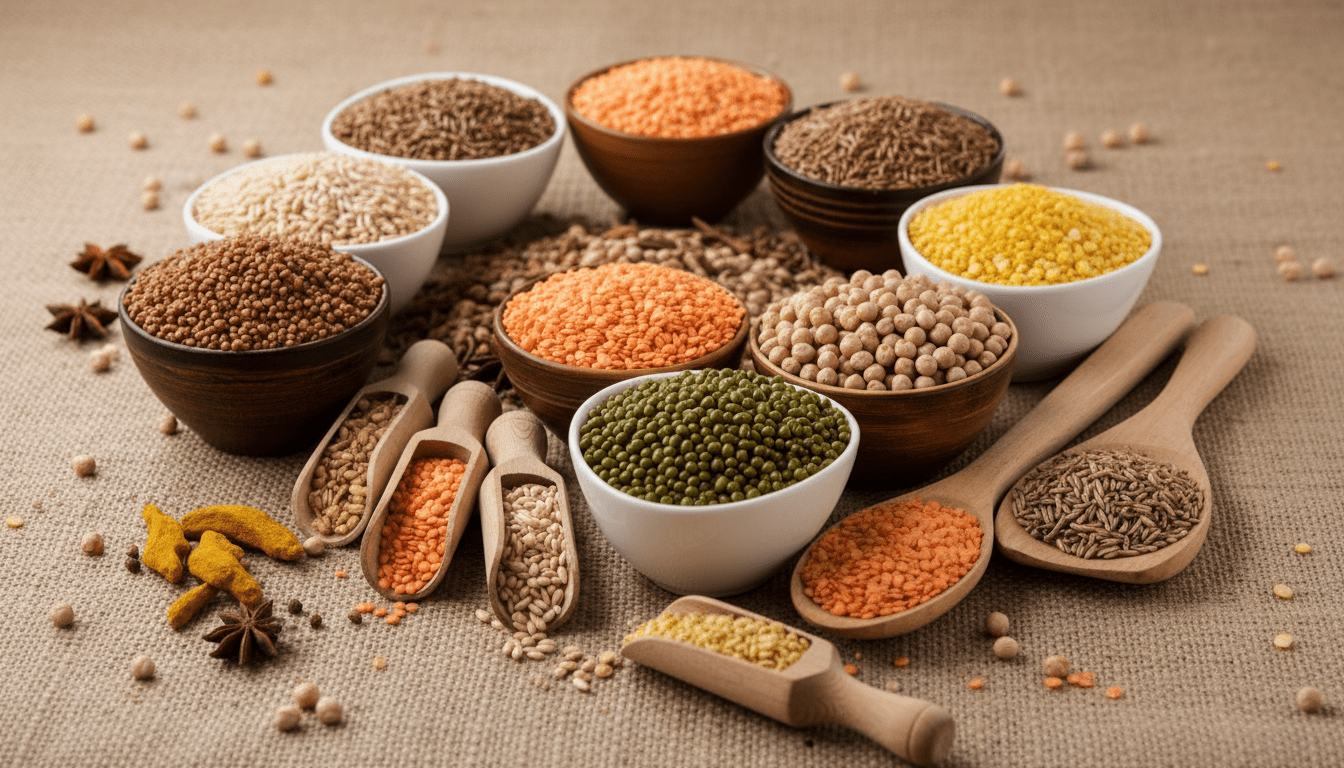
- Start with Familiar Plant-Forward Staples: You do not need to buy expensive imported products on day one. Base your meals around traditional plant based protein indian food dishes that are already naturally vegan. Dal (lentil soup), chana masala (chickpea curry), and aloo gobhi (potato and cauliflower) are nutrient-dense, protein-rich, and comforting.
- Substitute Dairy Gradually: Dairy is often the hardest thing to give up for Indians. Begin by swapping out cow’s milk in your morning chai or coffee. Oat milk and soy milk are excellent alternatives that froth well and have a creamy texture.

- Incorporate Plant Based Protein Indian Food Substitutes: When you crave the chewy, dense texture of meat, explore the offerings from the domestic smart protein sector. Use plant-based keema in yourIndia, however, possesses a massive, unique advantage on the global stage. samosas or try jackfruit chunks in your Sunday curries to satisfy those specific plant based protein indian food cravings.
- Embrace Traditional Fermented Foods: Fermentation enhances nutritional value and improves gut health. Southern Indian staples like idli and dosa (made from fermented rice and lentil batter) are naturally vegan, highly digestible, and excellent sources of plant based protein indian food for sustained energy.
- Monitor Your Micronutrients: While a vegan diet India is incredibly healthy, it is essential to be mindful of certain nutrients. Ensure your plant based protein indian food intake includes adequate Vitamin B12, iron, and calcium. Many modern plant-based milks are fortified, but consulting a nutritionist for a B12 supplement is highly recommended.

The Powerful Benefits of Plant Based Indian Food
Transitioning to a diet focused on whole plant foods and high-quality plant based indian food protein substitutes offers a multitude of scientifically backed benefits, spanning personal health to global environmental preservation.
- Significant Cardiovascular Protection: Plant based protein indian food diets are naturally free of dietary cholesterol and are generally lower in saturated fats. Systematic reviews show that adherence to predominantly plant-based diets can lead to a 15% to 32% reduction in cardiovascular disease risk.
- Massive Reductions in Greenhouse Gas Emissions: Conventional animal agriculture is highly resource-intensive. Producing plant based protein indian food and alternative proteins generates significantly fewer greenhouse gases. For instance, a plant-based burger emits up to 90% less GHG compared to a conventional beef patty.
- High Dietary Fibre Intake: A standout feature of plant-based meat substitutes is their fibre content. Virtually all plant based protein indian food products in the Indian market qualify as a “source of fibre,” aiding in digestion and weight management.
- Water Conservation: Agriculture accounts for 70% of global freshwater withdrawals. Switching to plant based protein indian food can reduce water use by up to 99% compared to conventional meat production, offering a critical solution to India’s water scarcity issues.
- Preventative Weight Management: Interventional studies have consistently demonstrated that individuals following plant based protein indian food interventions experience greater weight loss compared to those on conventional diets, driven by higher fibre consumption.
Real-World Case Study: Combating Type 2 Diabetes with Plant Based Indian Food
India currently faces an epidemic of lifestyle diseases, most notably type 2 diabetes mellitus (T2DM), with an estimated 77 million diabetics nationwide. The traditional medical approach heavily emphasizes pharmacological therapy, but emerging research underscores the profound impact of plant based indian food protein interventions.
A recent cross-sectional study conducted at a secondary care hospital in Alwar evaluated the impact of vegetarian versus non-vegetarian diets on glycaemic control in 200 adults with T2DM. The results were staggering. The study found that patients consuming plant based protein indian food and vegetarian diets had a significantly lower mean fasting blood sugar (137.11 mg/dl) compared to non-vegetarians (161.75 mg/dl). Furthermore, the post-prandial blood sugar levels were drastically lower in the plant based protein indian food group, and their overall HbA1c levels averaged 7.47% compared to 8.72% in meat-eaters.

Multivariate analysis confirmed that a vegetarian diet was independently associated with better glycaemic control, regardless of BMI. This real-world evidence highlights that a shift toward sustainable eating habits and plant based protein indian food is not just an ethical choice; it is a vital medical intervention that can drastically improve the quality of life for millions of Indians struggling with metabolic disorders.
“A shift to alternative proteins could free up twice as much land as China and India combined. With reforestation and carbon sequestration, the freed-up land would further mitigate climate change—potentially removing 26 gigatons of carbon dioxide equivalent per year.”
“Vegetarian diet was associated with improved glycemic control in patients with T2DM, independent of BMI. These findings support dietary modification as an important adjunct to medical therapy.”
Nutritional and Environmental Comparison of Protein Sources
| Food Category | Primary Protein Source | Dietary Fibre Content | Cholesterol Level | Environmental Impact |
|---|---|---|---|---|
| Conventional Mutton/Chicken | Animal Muscle | Zero | High | High GHG emissions |
| Plant Based Indian Food Keema | Soy & Pea Isolate | High (>6g/100g) | Zero | 80-90% less GHG |
| Conventional Dairy Milk | Animal Milk | Zero | Moderate | High methane emissions |
| Oat/Almond Milk | Oats/Almonds | Low to Moderate | Zero | Highly sustainable |
Unique Insight: The “No Imitation Needed” Culinary Advantage
When plant-based trends initially swept through Western nations, the primary challenge was inventing meals from scratch. However, India possesses a massive, unique advantage on the global stage for plant based protein indian food. Indian cuisine travels and adapts beautifully because it does not have to invent plant-based meals from scratch; it already has them. Lentils, pulses, grains, and vegetables have sat squarely at the centre of countless Indian dishes for millennia.
From a hearty bowl of dal tadka to a crispy masala dosa, these plant based protein indian food options are naturally plant-based, nutritionally balanced, and deeply flavourful. As international consumers grow weary of highly processed imitation foods, India’s culinary heritage offers a model of sustainable eating habits built on continuity, authentic spices, and natural diversity.
Frequently Asked Questions
Is plant-based Indian food different from traditional vegetarian food?
Yes. Traditional Indian vegetarian food often relies heavily on dairy products like ghee, paneer, and yoghurt for flavour and protein. Modern plant based indian food protein eliminates all animal derivatives, replacing dairy with alternatives like oat milk or peanut curd and utilizing advanced plant-based meat substitutes for varied textures.
Are plant-based meat substitutes healthy?
Generally, yes. Products developed for the plant based protein indian food sector are entirely free of cholesterol and usually contain high amounts of dietary fibre. However, consumers should read labels carefully, as some heavily processed versions can contain sodium levels equal to conventional counterparts.
How do plant-based diets impact type 2 diabetes?
Clinical studies show that adopting a plant based protein indian food or vegetarian diet significantly improves glycaemic control. It reduces fasting blood sugar and HbA1c levels, decreasing the risk of developing type 2 diabetes by up to 35% due to high fibre content.
Why is Gen Z driving the vegan diet India trend?
Unlike older generations, Gen Z is adopting plant based protein indian food primarily for secular reasons. Surveys show that 68% of young Indians choose these foods due to concerns over climate change and environmental sustainability, followed by animal welfare.
Is plant-based milk good for making Indian chai?
Yes, but the type matters. Soy and oat milk are the best alternatives for plant based protein indian food chai because they have a creamy texture that can withstand boiling temperatures without curdling.
Are plant-based meat substitutes expensive in India?
Currently, affordability remains a barrier. Many plant based protein indian food meat and dairy alternatives are priced 30% to 50% higher than animal equivalents. However, as the smart protein sector scales up production, prices are expected to drop significantly.
Can I get enough protein from a plant-based Indian diet?
Absolutely. Traditional plant based protein indian food utilizes “protein complementation”—combining cereals with pulses to form a complete amino acid profile. Additionally, modern substitutes often boast protein levels ranging from 9% to 20%, meeting daily requirements.
Conclusion & Next Steps
The evolution of plant based indian food protein is not merely a passing culinary fad; it is a vital, health-driven necessity. As the nation grapples with escalating rates of cardiovascular disease and type 2 diabetes, shifting towards a diet rich in whole plant foods and innovative plant based protein indian food substitutes offers a scientifically proven pathway to better health. The rapid expansion of the smart protein sector proves that we no longer have to sacrifice the rich, comforting flavours of traditional Indian cuisine to maintain sustainable eating habits.
Whether you are a lifelong vegetarian looking to cut out dairy, or a flexitarian wanting to reduce your carbon footprint, the options have never been more abundant. Take the first step today: swap out your regular milk for oat milk in your morning tea, or try a plant based protein indian food keema for dinner tonight. Embrace the future of food, and join the movement toward a healthier, more sustainable India!
Related Article:
- Why Swicy Flavours Are Taking Over 2026 Food Trends
- Third Culture Cuisine Fusion Food Trend Explained
- The Ultimate Guide to Launching a Profitable Cloud Kitchen Business in 2026
- Functional Drinks Trend 2026: Why Matcha and Healthy Energy Alternatives Are Taking Over
- From Matcha to Ube: How Social Media is Shaping the Viral Food Trends 2026 Brings to Our Tables
- Transforming Waste into Wealth: How Cashew Apple Pulp and Juice Can Boost Farmers’ Income
- The Ultimate Guide to Growing European Vegetables for Balcony Gardens This Spring
Sources:
- Impact of vegetarian and non-vegetarian diets on glycaemic control in type 2 diabetes mellitus patients: a cross-sectional study – International Journal of Research in Medical Sciences
- GFI India’s technical analysis on the nutritional aspects of plant-based meat
- Plant-Based Diets and Their Role in Preventive Medicine – Impactfactor