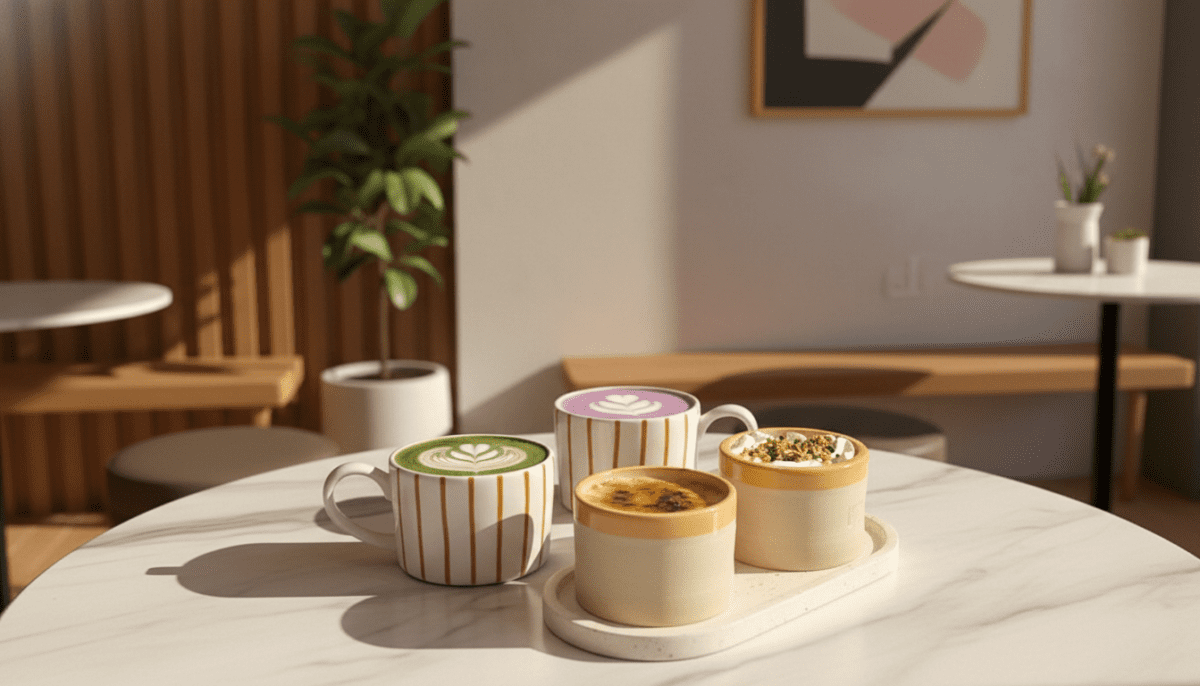
There is a familiar ritual that plays out in restaurants and cafes across the globe every single day. Before a fork is lifted or a sip is taken, the smartphone emerges, hovering over the plate to capture the perfect lighting, the vibrant colors, and the meticulously crafted aesthetic of the meal. The camera, quite literally, eats first. This global obsession with capturing our plates has completely transformed the culinary industry, turning simple meals into powerful digital currency in the era of viral food trends 2026. What began a decade ago as a quirky habit of posting pictures of avocado toast has evolved into a massive economic engine, where a single, visually striking ingredient can ignite a worldwide frenzy, fundamentally altering what chefs cook and what farmers grow.
If you are wondering exactly how social media platforms dictate what ends up on your plate today, the answer lies in the intense demand for visual aesthetics combined with psychological self-presentation. In the landscape of viral food trends 2026, social media algorithms prioritize striking, colorful content, driving a massive cultural shift where the comforting, vibrant purple hues of Filipino ube are rapidly replacing the once-dominant green aesthetic of Japanese matcha. This shift is not just about taste; it is fueled by a desire for a highly photogenic visual dining experience that boosts consumer online engagement, subsequently forcing the entire food supply chain—from local cafes to international farmers—to adapt to these rapid, digital-first culinary demands.
TL;DR: Quick Summary of the Most Impactful Viral Food Trends 2026
- The Purple Takeover: Driven by its photogenic violet hue and comforting vanilla-nutty flavor, ube (a Filipino purple yam) has seen a 20% surge in social engagement, positioning ube replacing matcha as the defining flavor shift of the year.
- The Psychology of the Plate: Modern foodstagramming behavior is deeply rooted in “strategic self-presentation,” where diners use aesthetically pleasing food to curate and broadcast their personal identities online.
- Algorithmic Menus: Restaurants are utilizing the Stimulus-Organism-Response (SOR) framework to drive visit intentions, proving that high online engagement (likes, shares, comments) directly translates into real-world foot traffic.
- The Agricultural Crisis: The explosive speed of these trends is putting immense pressure on farmers. Cultivators in Japan (matcha) and the Philippines (ube) are struggling to meet sudden global demands due to limited land and labor-intensive harvesting.
- TikTok’s Influence: Short-form video platforms continue to drive massive culinary shifts, creating rapid micro-trends that demand restaurants maintain flexible menus to capitalize on viral moments without suffering from food waste.
What is Driving the Shift Toward Ube Replacing Matcha in the Viral Food Trends 2026?
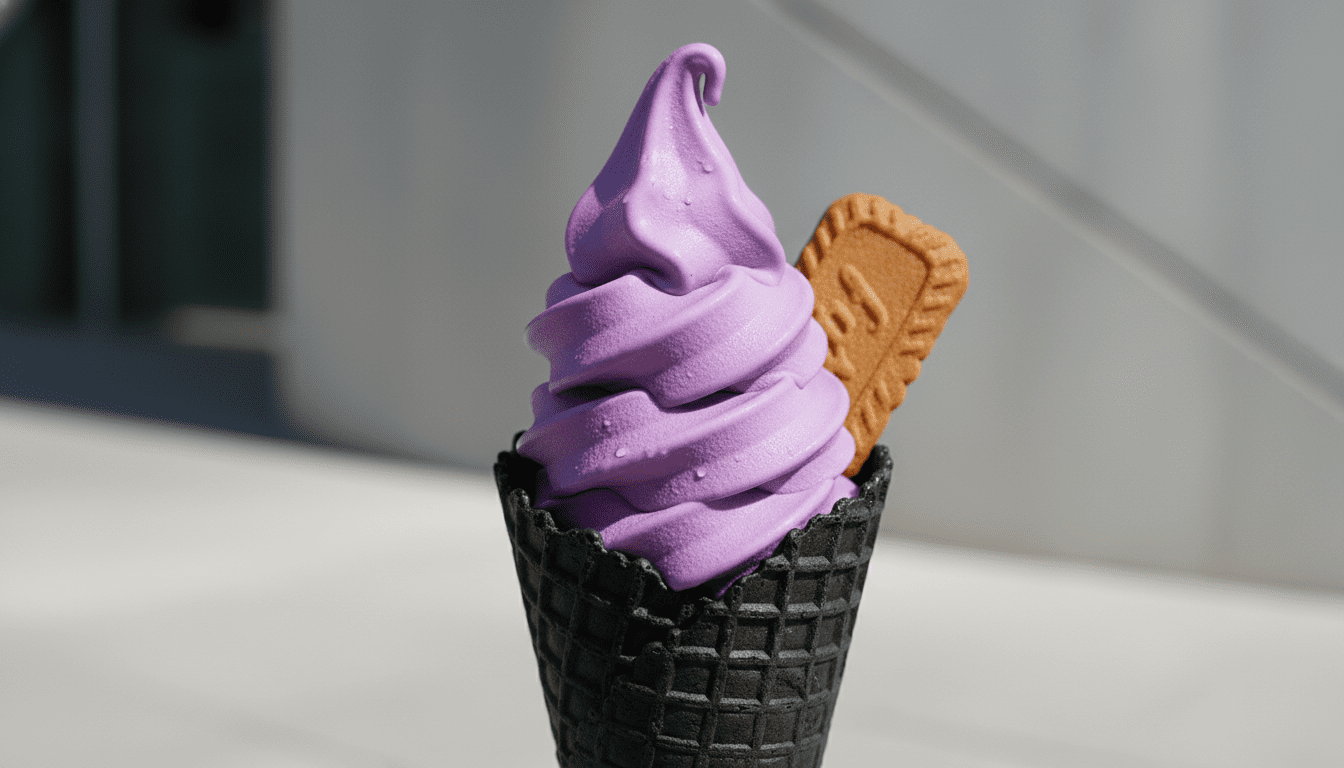
To truly understand the viral food trends 2026 has introduced, we must look at the trajectory of the ingredient that defined the previous decade: matcha. Originating as a traditional Japanese ceremonial green tea, matcha became the ultimate symbol of the clean-living, wellness-focused Instagrammable food culture. Its pale green color and purported health benefits made it a staple in lattes, cookies, and soft serves worldwide. However, after a decade of sheer dominance, “matcha fatigue” has quietly set in. Consumers are not necessarily rejecting it, but the excitement has thinned out; when every cafe offers three variations of a matcha latte, the ingredient loses its exclusivity and viral appeal.
Enter ube. At first glance, the appeal of this Filipino purple yam is purely visual. Its rich, dreamy violet color requires zero filters to pop on a smartphone screen, making it the perfect centerpiece for a visual dining experience. However, unlike other trends that rely solely on artificial dyes—such as the infamous rainbow bagels of 2016—ube delivers an exceptional, widely appealing flavor profile. Described as mildly sweet and nutty with deep hints of vanilla, it lacks the grassy, bitter, and polarizing aftertaste that often accompanies poorly prepared matcha. Furthermore, the rise of ube represents a broader cultural movement. Deeply embedded in Filipino culinary traditions through desserts like halaya (yam jam) and halo-halo, the global embrace of ube reflects a long-overdue mainstream appreciation for rich Southeast Asian flavor profiles within the context of viral food trends 2026.
When Did Foodstagramming Behavior Become a Psychological Tool for Viral Food Trends 2026?
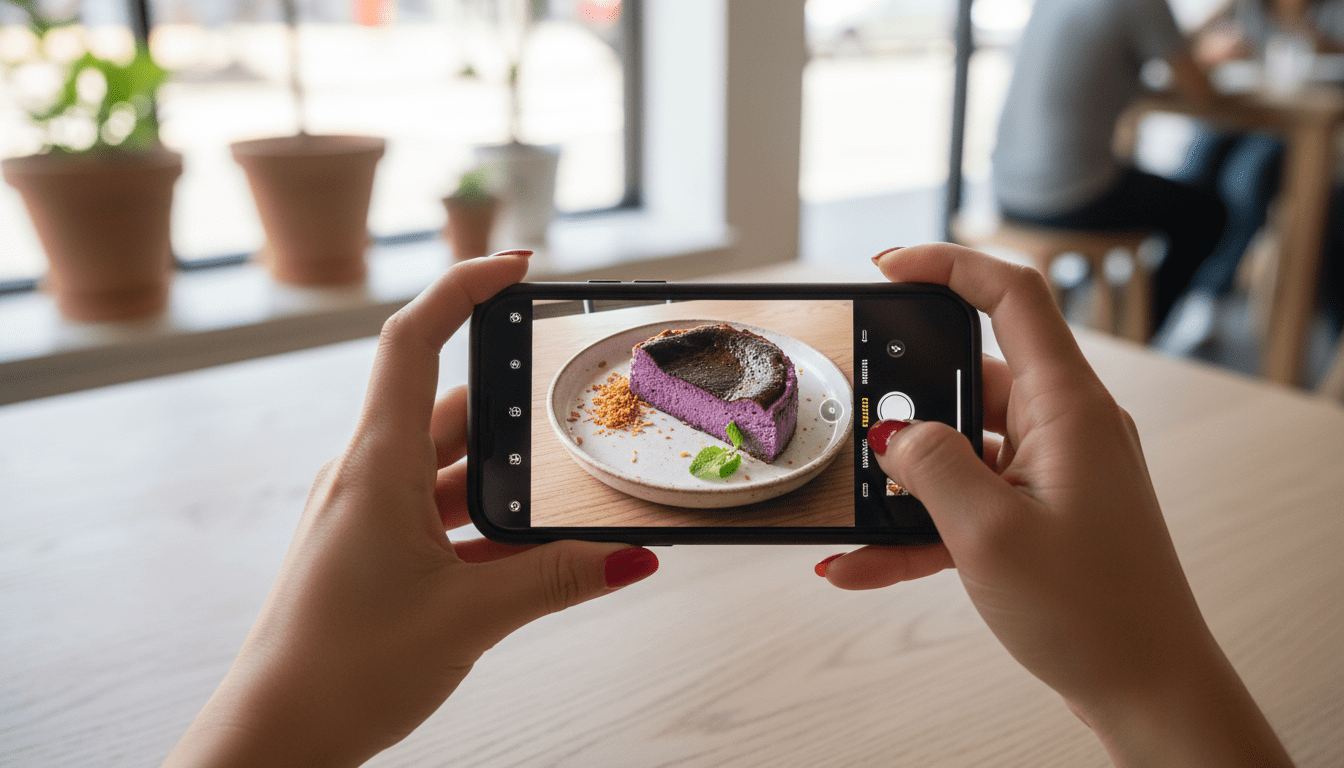
While the ingredients change, the underlying human desire to photograph them has only intensified. A groundbreaking study conducted by researchers at the UCF Rosen College of Hospitality Management provides profound insight into why we engage in foodstagramming behavior. According to the data, 60% of diners regularly photograph their food, resulting in hundreds of millions of images tagged on social media annually.
The researchers utilized the theory of “strategic self-presentation,” developed by sociologist Erving Goffman, which posits that individuals constantly adapt how they present themselves to suit social situations. In the digital era, food has become a primary tool for this presentation. The contextual clues in a food photograph reveal as much about the photographer as the meal itself. For instance, posting a picture of a meticulously crafted, brightly colored ube Basque cheesecake in a minimalist Parisian cafe suggests that the individual is cultured, trendy, and leads a highly aesthetic lifestyle. The study confirmed that the extrinsic value (aesthetics, setting) and intrinsic value (taste) of a meal actively boost a diner’s “self-efficacy”—the belief in their ability to present a positive image online—which in turn significantly heightens their perceived enjoyment of the restaurant experience, a core driver of viral food trends 2026.
How Are Algorithms Shaping Instagrammable Food Culture and Viral Food Trends 2026?
The connection between a double-tap on a screen and a customer walking through a restaurant door is not accidental; it is a highly engineered marketing mechanism. In the competitive hospitality industry, Instagrammable food culture is driven by the Stimulus-Organism-Response (SOR) framework. In this model, the visually striking social media content (the vibrant food) acts as the stimulus. This triggers the organism—the customer’s emotional involvement and online engagement (OEG), such as liking, sharing, or commenting. Ultimately, this leads to the response: the behavioral intention to physically visit the restaurant.
Short-form video platforms like TikTok have turbocharged this cycle. TikTok’s algorithm heavily promotes content based on rapid user engagement, allowing visually captivating food challenges to go viral globally within hours. We have seen this with trends like “Nature’s Cereal” (berries in coconut water) or the sudden explosion of Pancake Cereal. Recognizing this power, restaurants are intentionally designing their menus for the camera. Dishes are crafted with interactive elements—such as pouring a vibrant ube cream over a dessert at the table—specifically to encourage diners to record and share the moment, effectively turning every customer into a free micro-influencer for viral food trends 2026.
Who is Bearing the Hidden Costs of Viral Food Trends 2026?
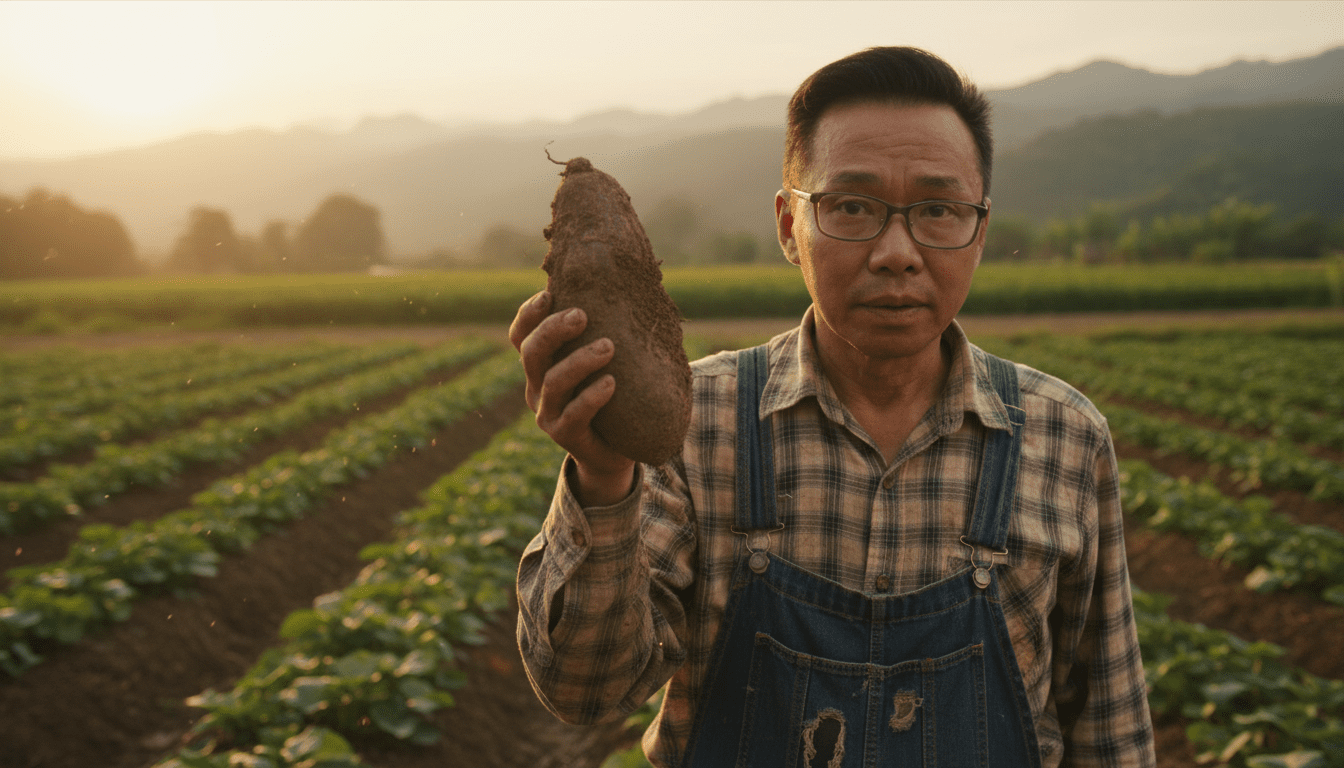
While influencers and restaurant owners reap the benefits of viral engagement, the agricultural sector faces a severe, often hidden crisis. When an ingredient like matcha or ube explodes online, the global demand scales overnight, but farming cannot. Agricultural production cycles operate on seasons, not algorithms.
In Kyoto, Japan, traditional matcha farmers like Daiki Tanaka are struggling against the intense pressure to scale up. Authentic, high-quality matcha requires specific shading techniques and labor-intensive harvesting on mountainous terrain where large machinery cannot operate. To meet the insatiable demand for viral food trends 2026, some international suppliers resort to mislabeling, slapping the buzzword “ceremonial grade” on lower-quality, mass-produced green tea powders, or passing off Chinese-grown tea as authentic Japanese Uji matcha.
A nearly identical crisis is currently unfolding in the Philippines. As ube replacing matcha becomes the defining trend, Filipino farmers are overwhelmed. Ube takes six to twelve months to mature and is highly labor-intensive to harvest on sloped terrains. While exports have surged fourfold to over 200 tonnes annually, local supply for domestic consumption is slipping. When global demand outpaces agricultural reality, the market inevitably sees the introduction of inferior substitutes, with wholesalers attempting to pass off standard purple sweet potatoes or taro as authentic ube to capitalize on the viral hype.
Step-by-Step Guide: How Restaurants Can Safely Leverage Viral Food Trends 2026
For food and beverage brands looking to capitalize on the viral food trends 2026 has to offer, chasing every single TikTok fad can lead to massive food waste and financial ruin. Here is a sustainable, step-by-step strategy for integrating viral items:
- Monitor Social Listening Metrics: Do not act on a trend on day one. Use data analytics tools to track engagement growth. For example, while matcha mentions grew by a steady 8%, ube engagement surged by over 20%, indicating a sustained, long-term shift rather than a fleeting micro-trend.
- Implement Flexible Menus: Instead of permanently overhauling your supply chain, introduce viral concepts as Limited-Time Offers (LTOs). Offer an ube latte or a funfetti pastry for a three-week window to test local consumer response without overcommitting resources.
- Focus on the Visual Dining Experience: If you integrate a trending ingredient, ensure the plating is flawless. Use contrasting colors (like a vibrant purple ube cream against a stark white plate) and ensure your venue has adequate natural lighting to encourage organic foodstagramming behavior.
- Source Ingredients Ethically: Consumers are highly aware of agricultural impacts. Partner with reputable, transparent suppliers. If you are serving matcha or ube, explicitly state the origin of the ingredient on the menu to build trust and combat the influx of counterfeit products.
- Encourage User-Generated Content (UGC): Run a localized hashtag campaign encouraging diners to post their meals. User-generated content adds authentic social proof that highly polished, corporate advertisements simply cannot match.
Benefits & Features of the Visual Food Movement and Viral Food Trends 2026
Embracing the intersection of digital media and culinary arts offers profound benefits for both consumers and the hospitality industry through the lens of viral food trends 2026:
- Cultural Democratization: Viral trends introduce hyper-regional ingredients to a global audience. The rise of ube is giving traditional Southeast Asian and Filipino culinary histories the mainstream international visibility they have long deserved.
- Enhanced Business Survival: In a highly competitive post-pandemic economy, a strong Instagram presence can literally save a restaurant. Studies show that younger demographics actively avoid restaurants with weak social media profiles, utilizing Instagram as their primary search engine for dining decisions.
- Community Building: Foodstagramming behavior connects like-minded individuals globally. Sharing recipes, reviewing local cafes, and participating in cooking challenges fosters a vibrant, interactive online community rooted in shared culinary passion.
- Menu Innovation: The constant demand for new, photogenic items forces chefs to push the boundaries of their creativity, resulting in brilliant fusion dishes and highly elevated plating techniques that would not have existed in a purely traditional dining landscape.
Real-World Case Study: The Commercial Ascent of Ube Cream Liqueur in Viral Food Trends 2026
To truly grasp how rapidly a visually appealing ingredient can conquer a market, one must look at the recent explosion of Ube Cream Liqueur in Singapore. In early 2024, Dylan Yap, co-founder of the drinks distributor JD SIP, was captivated by the creamy, nutty flavor profile of a Filipino ube liqueur and decided to import it.
Initially, his venture was met with massive resistance. Bar and cafe owners in Singapore were highly skeptical, as ube was largely unknown outside of specific Southeast Asian communities at the time. However, as the digital winds shifted and ube began dominating TikTok feeds globally, the local perception violently flipped. The visually stunning, lilac-colored liqueur became an overnight sensation for mixologists looking to create highly Instagrammable cocktails. Within less than two years, JD SIP went from struggling to sell 500 bottles a quarter to moving 500 bottles a month. Today, the ube liqueur is stocked in over 150 premium bars and nightclubs across Singapore, and rather than pitching the product, Yap is actively sought out by establishments desperate to collaborate. This case study perfectly illustrates how a powerful digital aesthetic can transform a niche ingredient into a mandatory, high-demand hospitality staple under viral food trends 2026.
“Foodstagramming permits a multidirectional engagement with existing and potential customers, which opens doors for restaurants to participate in a broader marketing network across consumers’ social media sites.” — Dr. Xiaoxiao Fu, Associate Professor, UCF Rosen College of Hospitality Management.
“It’s not hard to grow, but the demand right now is booming, because ube is the next matcha… The challenge is the volume of ube grown. Land is limited, growing cycles are long, and ube is labor-intensive to harvest.” — Kalel Demetrio, Filipino co-founder of Ube Cream Liqueur.
Data Table: The Evolution of Viral Culinary Aesthetics within Viral Food Trends 2026
| Viral Food Trend | Core Visual Characteristic | Primary Flavor Profile | Era & Platform Dominance |
|---|---|---|---|
| Ube (Purple Yam) | Vibrant, dreamy violet hue | Mildly sweet, nutty, vanilla | 2026 (TikTok & Instagram) |
| Matcha (Green Tea) | Pale, earthy green | Grassy, slightly bitter, acquired | 2016–Present (Instagram) |
| Rainbow Foods | Multi-colored, highly saturated | Generally sweet, standard dough | 2016 (Instagram) |
| Pancake Cereal | Miniature, bowl-sized repetition | Sweet, buttery, syrupy | 2020 (TikTok) |
| Nature’s Cereal | Fresh berries in clear coconut water | Refreshing, tart, crisp | 2021 (TikTok) |
Unique Insight: The Reverse Zoonosis of Digital Stress on Agriculture and Viral Food Trends 2026
When analyzing Instagrammable food culture, we frequently discuss the psychological impact on the consumer, but we rarely address the psychological and financial trauma inflicted upon the farmer. In epidemiology, “zoonosis” refers to a disease jumping from animals to humans. In the modern culinary world, we are witnessing a “Reverse Zoonosis of Digital Stress”—where the fast-paced, high-anxiety demands of our digital algorithms are being forcibly transmitted directly into the ancient, slow-moving rhythms of the earth.
When a 15-second TikTok video goes viral, creating an instantaneous global demand for an ingredient like quinoa, matcha, or ube, the digital economy expects an immediate physical response. But agriculture operates on months and years, not megabytes. Farmers are frequently pressured into abandoning reliable, staple crops to chase a viral trend, investing heavily in new seeds and equipment. However, the internet is notoriously fickle. By the time the farmer successfully harvests the viral crop a year later, the social media spotlight has often moved on to the next aesthetic obsession, causing market prices to crash. This phenomenon leaves the world’s most vulnerable agricultural workers burdened with devastating sunk costs, proving that our seemingly harmless digital foodstagramming behavior carries profound, real-world consequences for the hands that actually till the soil.
[Insert Video Placeholder Here]
FAQs
What is ube’s role in viral food trends 2026?
After a decade of dominance, consumers are experiencing “matcha fatigue,” seeking new, vibrant aesthetics. Ube offers a stunning, natural violet color that is highly photogenic, combined with a universally comforting, sweet vanilla-nutty flavor that does not require an acquired palate like the grassy bitterness of matcha.
What exactly is “foodstagramming behavior”?
Foodstagramming behavior refers to the modern ritual of diners taking photographs of their meals to post on social media before eating. Psychologically, it is driven by a desire for “strategic self-presentation,” allowing individuals to curate their online identity and broadcast a specific lifestyle through their culinary choices.
How do viral food trends impact local farmers?
Viral trends create massive, immediate spikes in global demand that traditional farming cannot safely accommodate. This leads to intense pressure on farmers to scale up quickly, risks the introduction of counterfeit or mislabeled products by wholesalers, and exposes farmers to severe financial ruin if the digital trend fades before they can harvest their crops.
Is matcha completely going out of style?
No. Matcha is not disappearing; it has simply transitioned from being a hyper-viral sensation into a standardized, expected menu staple. The excitement has plateaued, allowing new, colorful ingredients like ube to take the spotlight for trend-driven consumers.
How do restaurants benefit from a visual dining experience?
By serving highly visual, Instagrammable food, restaurants effectively turn their customers into free marketers. High online engagement (likes, shares) through user-generated content acts as powerful social proof, directly driving increased foot traffic and brand awareness without the need for expensive traditional advertising.
What makes a food trend go viral on TikTok?
TikTok trends typically check three boxes: they are incredibly visually appealing, they are relatively easy to replicate at home or order locally, and they offer a unique or unexpected twist on a familiar concept (such as eating mini pancakes out of a cereal bowl).
What is the origin of ube?
Ube is a purple yam native to the Philippines. It has been a deeply embedded staple in traditional Filipino cuisine for generations, primarily used to create vibrant, sweet desserts like ube halaya (jam), ice cream, and the famous layered shaved-ice dessert, halo-halo.
Conclusion & CTA
The landscape of viral food trends 2026 is a fascinating intersection of digital psychology, aesthetic desire, and profound agricultural shifts. As we witness the vibrant purple wave of ube replacing matcha across global menus, it becomes abundantly clear that our smartphones are just as influential as our tastebuds. Instagrammable food culture and foodstagramming behavior are no longer passing fads; they are the definitive metrics by which modern restaurants survive and thrive. However, as we eagerly double-tap on stunning lattes and colorful pastries, we must remain mindful of the intense pressures these fleeting digital moments place on the global supply chain and the farmers working tirelessly to feed our feeds.
Are you ready to trade your earthy green tea for a comforting, violet ube latte? The next time you sit down at a trendy cafe, take a moment to appreciate the incredible global journey that ingredient took just to look perfect on your plate. Share this article with your favorite foodie friends, and let us know in the comments below: what is the most visually stunning viral food you have ever tasted?
Related Article:
- Why Swicy Flavours Are Taking Over 2026 Food Trends
- Third Culture Cuisine Fusion Food Trend Explained
- The Ultimate Guide to Launching a Profitable Cloud Kitchen Business in 2026
- Functional Drinks Trend 2026: Why Matcha and Healthy Energy Alternatives Are Taking Over
Sources: