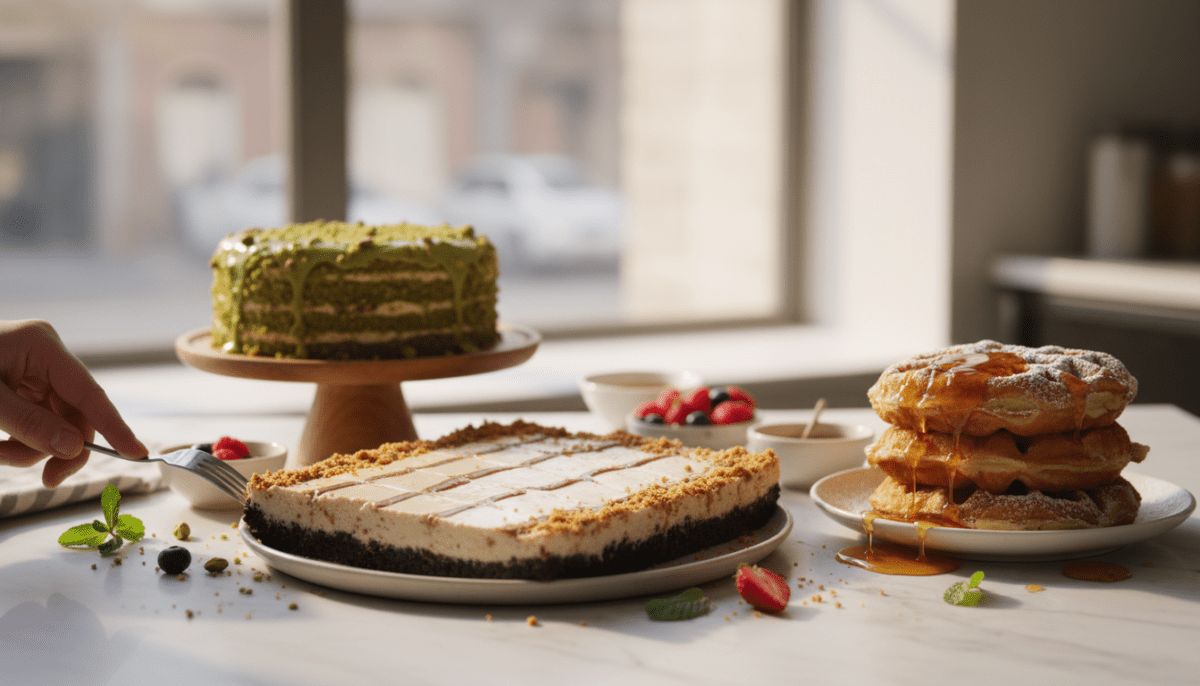
If you have scrolled through any social media platform recently, you have likely noticed that the digital food landscape has transformed into a highly competitive, neon-colored, and gravity-defying spectacle. The days of simply posting a picture of a standard slice of chocolate cake or a plain vanilla ice cream cone are entirely in the rearview mirror. Today, consumers and content creators are deeply entangled in a culinary arms race, seeking out the most bizarre, beautiful, and mind-bending sweet treats available. For the modern foodie, dessert is no longer just the concluding course of a meal; it is an interactive experience, a nostalgic memory, and a digital currency designed specifically to be shared with the world through viral dessert recipes.
The most dominant viral dessert recipes breaking the internet in 2026 include the two-ingredient Biscoff Japanese cheesecake, Dubai-inspired pistachio creations, format-fused hybrid pastries like croffles, and sweet-meets-savory ‘Swicy’ treats. These highly visual, easy-to-make creations are dominating algorithms because they perfectly blend deep childhood nostalgia, extreme aesthetics, and highly accessible home-baking techniques that anyone can replicate.
As tastes evolve globally, the digital ecosystem dictates what bakeries, cafes, and restaurants must put on their menus to survive. With a massive 62% of consumers actively seeking out new and unusual dessert flavors when dining out, the industry has realized that aesthetics directly influence perceived value. Whether it is an intricate, culturally fused pastry or a simple overnight yogurt hack, mastering these trending formulas is the ultimate key to capturing the fleeting attention of the internet with the latest viral dessert recipes.
TL;DR: Quick Summary of Viral Dessert Recipes
- The internet is currently obsessed with hyper-visual, experiential sweets, with 44% of consumers choosing dessert or cake when dining out.
- The two-ingredient Biscoff Japanese cheesecake—made simply by soaking Lotus Biscoff biscuits in Greek yogurt—has become one of the most replicated viral dessert recipes of the year.
- Pistachio is experiencing a massive boom inspired by the Dubai chocolate trend, resulting in an 876% year-over-year growth in pistachio syrup and sauce sales.
- The “Swicy” (sweet and spicy) movement is introducing savory twists to traditional desserts, utilizing ingredients like chili, cardamom, basil, and rosemary.
- Format fusion is leading to the rise of hybrid pastries, with combinations like Croffles (croissant and waffle) and Brookies (brownie and cookie) dominating local bakery menus.
- Nostalgia is a massive driver for Gen Z and Millennials, bringing retro flavors like bubblegum and banoffee back into the mainstream spotlight.
What Are the Viral Dessert Recipes Defining the Current Market?
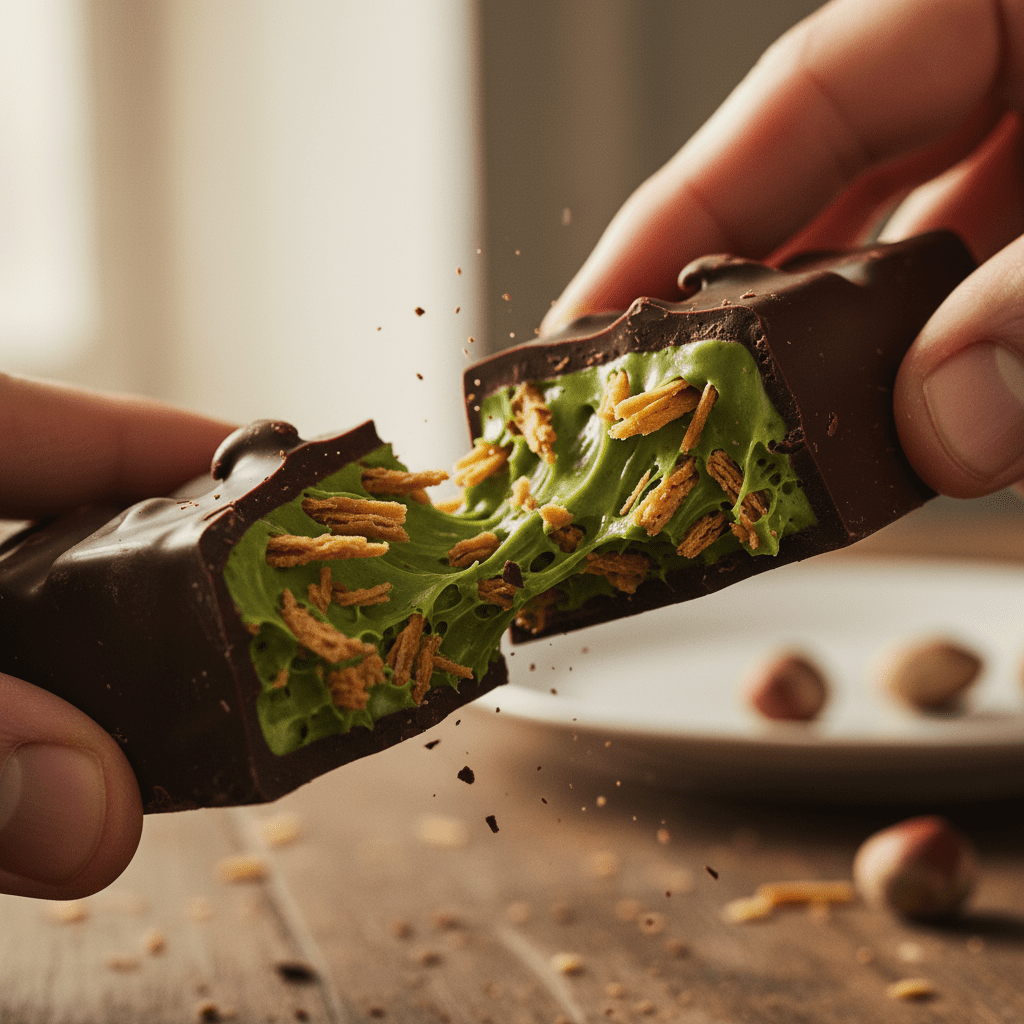
To understand what is capturing the world’s collective sweet tooth, we must look at the specific flavor profiles and structural innovations dominating our screens. The viral dessert recipes of 2026 are heavily categorized by their adventurous, nostalgic, and globally inspired components.
Leading the charge is the undeniable Pistachio craze. Heavily influenced by the viral Dubai dessert trends of previous years, pistachio offers a luxurious, rich taste paired with a vibrant, photogenic green color that stops the social media scroll immediately. Beyond nuts, we are seeing a massive resurgence in what industry experts call “borrowed nostalgia.” Flavors like Bubblegum are making a colorful comeback, particularly appealing to Gen Z consumers who view the bright blue and pink hues as a playful badge of honor. Matcha continues its absolute dominance, transitioning from niche tea shops to mainstream menus. With the global matcha market forecast to hit $4.24 billion by 2025 and continue its aggressive growth, its functional health benefits and bold color make it a staple ingredient in everything from pancakes to white chocolate pairings, fueling countless viral dessert recipes.
When Did the Market Shift to Algorithm-Bait Sweets?
The transition from traditional baking to the creation of highly engineered viral dessert recipes did not happen overnight; it occurred in distinct, culturally driven waves. We can trace the modern obsession back to 2016, a year defined by the “freakshake” trend—massive milkshakes overflowing with whole slices of cake, donuts, and massive swirls of whipped cream. However, the true catalyst for the current landscape was the global lockdown of 2020 and 2021.
Trapped at home, millions of people turned to their kitchens for comfort, sparking an unprecedented home-baking boom. It was during this period that consumers began experimenting heavily with pantry staples, figuring out how to make restaurant-quality treats with minimal ingredients. As the world reopened, this DIY, highly visual mindset translated directly into consumer expectations. By the time we reached 2026, 25-to-34-year-olds had become the most dessert-driven demographic on the planet. They no longer just wanted to eat; they demanded culinary entertainment. The market shifted to accommodate this, moving toward 2026 dessert trends that prioritize extreme visual presentation, cross-cultural format fusion, and easy-to-replicate viral dessert recipes and video hacks.
How Do Swicy and Hybrid 2026 Dessert Trends Work?
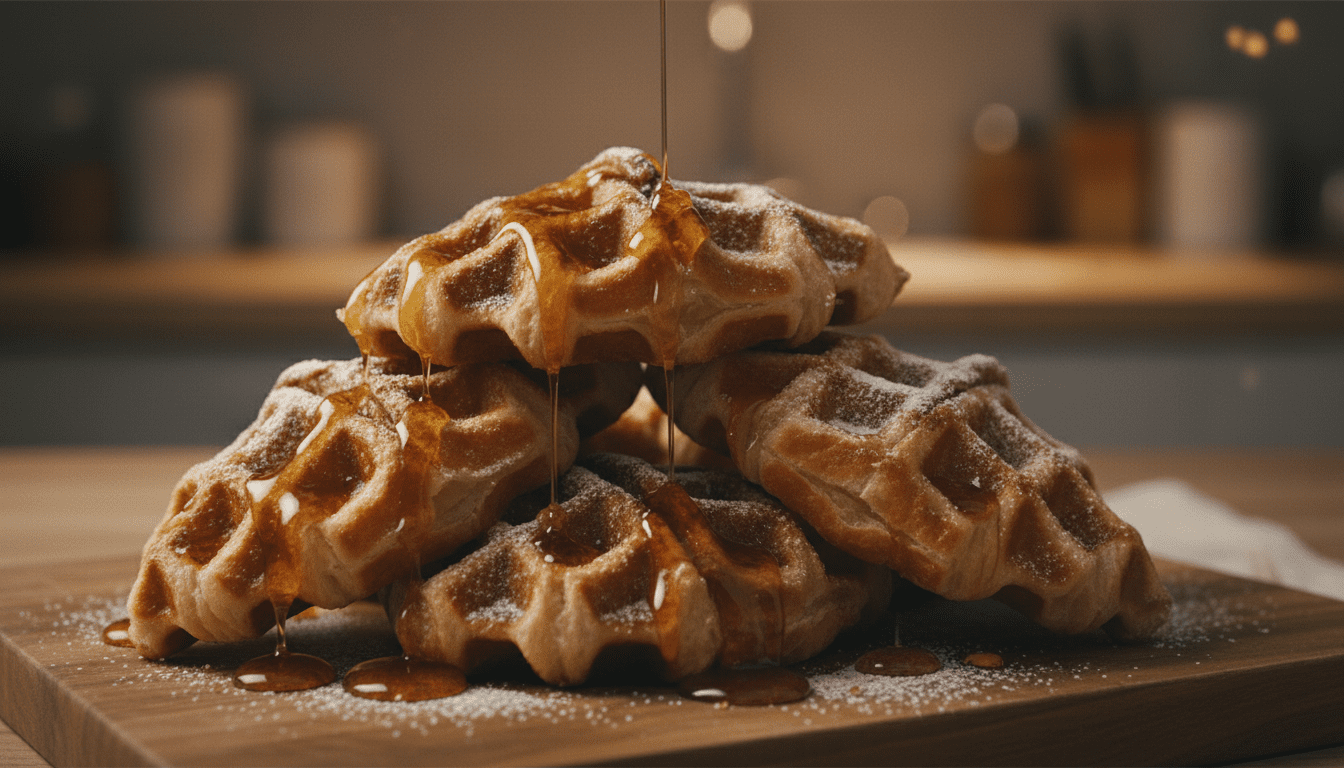
One of the most fascinating aspects of modern baking is the complete disregard for traditional culinary rules. The most successful viral dessert recipes rely heavily on hybridization—the fusion of two beloved, classic formats into one entirely new indulgence. These hybrid pastries are fueled by a consumer craving for novelty.
Walk into any trendy urban bakery today, and you are almost guaranteed to find “Croffles” (a buttery croissant pressed in a hot waffle iron), “Brookies” (a decadent brownie baked directly inside a chocolate chip cookie), or “Cheesecakundae” (a chaotic but delicious crossover between a cheesecake and an ice cream sundae). These combinations have redefined what it means to create viral dessert recipes.
Simultaneously, the palate is evolving beyond pure sugar. The “Swicy” trend—balancing sweet elements with savory, spicy, or herbal notes—is taking over high-end and casual dining alike. The Swicy flavor profile involves pastry chefs creating viral dessert recipes that incorporate herbs like rosemary and basil, spices such as chili and cardamom, and even sharp cheeses into traditional sweets. This sweet-savory balance broadens the appeal of the dessert menu, specifically targeting flavor-curious foodies who prefer complex, layered tasting experiences over overwhelming, one-dimensional sweetness.
Who is Driving the Biscoff Japanese Cheesecake Craze?
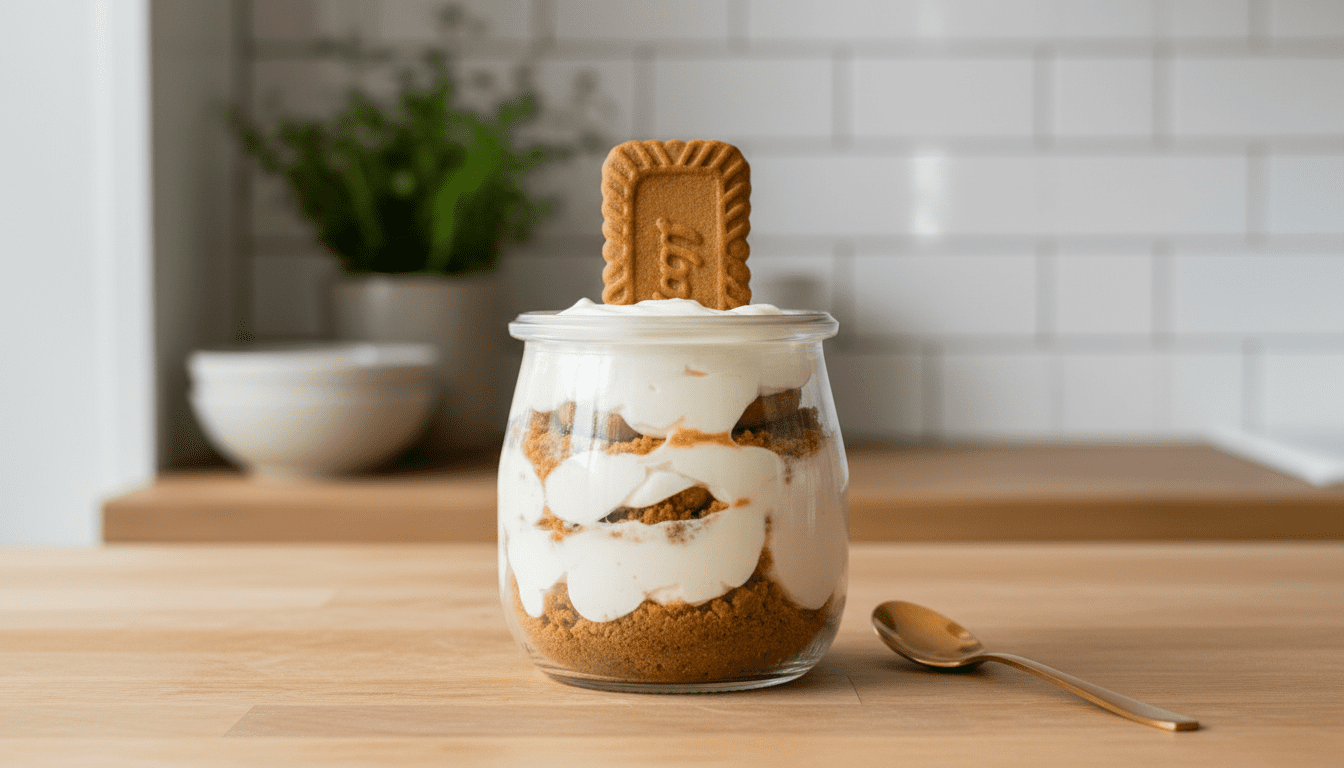
No conversation about modern baking is complete without analyzing the absolute phenomenon of the Biscoff biscuit. Originally created in 1932 by a Belgian baker named Jan Boone Sr., this caramelized biscuit was named Lotus, symbolizing purity. For decades, it was simply known as a humble, free snack handed out to passengers on airplanes. Today, it has been labeled a full-blown “Gen Z obsession” and a centerpiece of many viral dessert recipes.
The biscuit’s journey into the digital stratosphere peaked recently with the explosion of the Biscoff Japanese cheesecake. Traditional Japanese cheesecakes are notoriously difficult to master; they are light, airy, soufflé-like creations requiring precise egg-white whipping, high-quality cream cheese, and a delicate water bath baking process. However, the internet found a shortcut to this viral dessert recipe.
Creators realized that by taking crushed Biscoff biscuits and soaking them overnight in Greek yogurt, the biscuits absorb the moisture, resulting in a soft, no-bake, cheesecake-like texture. This two-ingredient hack completely bypassed the complex culinary techniques of the traditional dessert. It went viral because it was universally accessible; anyone with a refrigerator and a smartphone could participate in the trend. As users flooded platforms like Instagram and TikTok with their variations—adding Biscoff spreads, creating Biscoff baked oats, and whipping up loaded milkshakes—the biscuit transitioned from a pantry staple into an unstoppable source of viral dessert recipes and a digital cult favorite.
Step-by-Step Guide: How to Create Your Own Viral Dessert Recipes at Home
If you want to capitalize on the 2026 dessert trends and create a visually stunning treat that tastes as good as it looks on camera, follow this step-by-step guide to mastering one of the internet’s favorite viral dessert recipes, the two-ingredient Biscoff hack, complete with a modern Swicy twist:
- Gather the Base Ingredients: You will need one standard pack of Lotus Biscoff biscuits and two cups of plain, full-fat Greek yogurt. The high fat content in the yogurt is crucial for achieving that creamy, authentic cheesecake mouthfeel in these viral dessert recipes.
- Crush and Layer: In a photogenic glass container, crush half of your Biscoff biscuits into a fine crumb to form a base layer.
- Execute the Viral Hack: Spoon the thick Greek yogurt generously over the biscuit base. Take the remaining whole biscuits and press them deeply into the yogurt.
- The Overnight Transformation: Cover the container tightly and place it in the refrigerator for at least 8 to 12 hours. During this time, the biscuits will draw the moisture out of the yogurt, expanding and softening into a cake-like sponge—a key feature of successful viral dessert recipes.
- Add the ‘Swicy’ Element (Optional but Recommended): To truly elevate this from a basic hack to a complex culinary creation, melt two tablespoons of Biscoff spread and infuse it with a tiny pinch of high-quality sea salt and a very light dusting of cardamom. Drizzle this savory-sweet liquid gold over the top of the set cheesecake just before serving.
- Garnish and Record: Top with a dusting of bright green pistachio powder for extreme visual contrast. Set up your lighting, pull a spoonful to show the incredibly soft texture, and post your viral dessert recipes online!
The Powerful Benefits & Features of Trend-Driven Baking
For cafes, restaurants, and independent bakers, understanding and executing viral dessert recipes offers a massive strategic advantage in a crowded hospitality market.
- Unprecedented Organic Marketing: You do not need a massive advertising budget if your viral dessert recipes act as their own billboard. A visually striking, highly unique dessert encourages user-generated content, turning every customer into an active influencer for your brand.
- Premium Menu Pricing: Consumers are not just paying for ingredients; they are paying for the experience and the aesthetic of viral dessert recipes. Hybrid pastries and globally inspired luxury flavors (like saffron and pistachio) command higher price points, boosting overall profit margins.
- Menu Customization and Engagement: Allowing customers to build their own viral dessert recipes—choosing their own drizzles, toppings, popping boba, and syrups—creates a sense of ownership. This interactive feature significantly increases customer satisfaction and repeat visits.
- Capitalizing on FOMO: The digital landscape operates on the Fear Of Missing Out. Offering limited-edition viral dessert recipes (like a bubblegum-flavored seasonal milkshake or a limited-run croffle) creates urgency, driving massive spikes in foot traffic.
Real-World Case Study: The Economic Power of Social Media Cravings
To truly comprehend the financial impact of these digital food trends, we can look closely at the corporate triumphs of Lotus Bakeries and the broader flavor supply chain. The virality of the Biscoff Japanese cheesecake and its associated viral dessert recipes is not just an internet illusion; it generates hard, real-world revenue.
According to official financial reports from Lotus Bakeries, the company experienced a staggering 10% revenue increase in 2025. This massive financial leap was driven almost entirely by the relentless social media fandom surrounding their products and viral dessert recipes. Interestingly, Lotus did not have to spend millions on traditional television advertising to achieve this. The community of creators generated millions of views organically because the product is versatile, easy to use, and highly photogenic. The brand leaned into this by expanding its website to feature viral dessert recipes that cater specifically to regional trends, including Indian fusion sweets like Biscoff ladoo and Biscoff doodh peda.
Similarly, the supply chain for specific luxury flavors is experiencing a boom. Driven by the viral Dubai chocolate bar trend, the demand for pistachio products has skyrocketed. Data from IBC Simply revealed an astonishing 876% year-over-year growth in their Pistachio Syrup and sauce sales. Furthermore, the global pistachio market is projected to hit multi-million dollar valuations by 2027. These figures prove unequivocally that when viral dessert recipes catch fire online, they physically alter global agricultural demand and corporate bottom lines.
Expert Quotes on the Digital Dessert Landscape
“In 2014, the spreadable version was being described as ‘crack in a jar’. In 2016, Biscoff was whisked into the freakshake trend. By 2021, fuelled by the Covid lockdown home-baking boom, the brand had taken off across social media… Every few years, it returns in a new form, pulled back into the spotlight by a fresh wave of online creators and fans who love sharing viral dessert recipes.” — Emine Saner for The Guardian.
“For consumers, dessert is no longer just the end of a meal, it’s an experience, a memory, and increasingly, a moment worth sharing. As tastes evolve and trends shift, food and drink businesses need to stay ahead, especially when flavour, innovation, and visual appeal are driving purchasing decisions for viral dessert recipes.” — IBC Simply Dessert Trend Report.
Comparison of Leading Dessert Trends and Flavor Profiles
To navigate the complex world of modern sweets, here is a breakdown of the leading flavor profiles, their associated formats, and why they become viral dessert recipes for specific consumer demographics:
| Viral Dessert Trend | Dominant Flavor Profile | Key Format / Hybrid | Year-Over-Year Growth Metric | Primary Audience Appeal |
|---|---|---|---|---|
| The No-Bake Hack | Biscoff / Caramelized | Biscoff Japanese Cheesecake | 10% Corporate Revenue Increase | Gen Z & Home Bakers |
| Middle Eastern Luxury | Pistachio / Nutty | Stuffed Bars & Tiramisu | 876% Syrup Sales Growth | Luxury Seekers & Millennials |
| Retro Sweet Treats | Bubblegum / Banoffee | Milkshakes & Ice Cream | Top 5 Flavor in Frozen Goods | “Borrowed Nostalgia” Fans |
| Format Fusion Pastries | Chocolate / Butter | Croffles & Brookies | High Social Media Engagement | Content Creators & Influencers |
| The SWICY Movement | Chilli / Cardamom | Savory Crepes & Saffron Buns | High Demand in Premium Dining | Flavor-Curious Foodies |
Unique Insight: The Psychology of “Borrowed Nostalgia”

One of the most profound driving forces behind the explosion of specific viral dessert recipes is a psychological phenomenon known as “borrowed nostalgia.” When we analyze the data, we see that 25-to-34-year-olds (Millennials and older Gen Z) are the most dessert-driven demographic. Yet, the flavors they are obsessively pushing to the top of the algorithm—like bright blue bubblegum, retro banoffee, and old-school honeycomb—belong to eras they either barely remember or never actually lived through.
Why is a 22-year-old obsessed with the aesthetic of a 1990s roller-rink bubblegum ice cream? Because social media has successfully romanticized the past. In an era defined by fast-paced digital anxiety, younger consumers are seeking out the imagined comfort of simpler times. Food scientists and master bakers are brilliantly capitalizing on this by taking highly refined, modern dessert formats—like a perfectly laminated croissant or a delicate macaron—and injecting them with these low-brow, hyper-colored, nostalgic flavors to create viral dessert recipes. This collision of sophisticated pastry techniques with playful, childhood-coded flavors creates a powerful emotional resonance, proving that we do not just eat with our eyes; we eat with our memories.
Frequently Asked Questions
What are the most popular viral dessert recipes in 2026?
The current landscape is dominated by the two-ingredient Biscoff Japanese cheesecake, Dubai-inspired stuffed pistachio chocolate bars, matcha-infused baked goods, and extreme hybrid pastries like Croffles (croissant-waffles) and Brookies (brownie-cookies), which have all become iconic viral dessert recipes.
How is the viral Biscoff Japanese cheesecake different from a traditional one?
Traditional Japanese cheesecakes are complex, soufflé-like desserts that require precise baking, eggs, sugar, and cream cheese. The viral version is a no-bake “hack” made simply by soaking Lotus Biscoff biscuits in Greek yogurt overnight. It bypasses all baking techniques, relying on the biscuits to absorb moisture to mimic a cake-like texture in this popular viral dessert recipe.
What exactly is the “Swicy” trend in baking?
“Swicy” is a portmanteau of sweet and spicy. It is a massive culinary movement where traditional sweet desserts are elevated using savory, spicy, or herbal ingredients. Examples of these viral dessert recipes include adding chili flakes to dark chocolate, infusing caramel with rosemary, or topping a dessert with sharp cheeses and cardamom.
Why has pistachio become such a massive flavor trend?
Pistachio’s explosion in popularity is heavily linked to the viral Dubai dessert trend, specifically thick chocolate bars stuffed with rich pistachio cream and crispy phyllo dough. Its luxurious taste profile and highly photogenic, vibrant green color make it perfect for social media aesthetics, leading to massive spikes in syrup and sauce sales for viral dessert recipes.
How do hybrid desserts work?
Hybrid desserts combine the best elements of two distinct traditional pastries to create a novel, indulgent eating experience. Popular examples of these viral dessert recipes include baking brownie batter inside chocolate chip cookie dough (Brookies) or frying a layered croissant dough in the shape of a donut (Cronuts).
Why is social media aesthetics so important for modern bakeries?
Because consumers now “eat with their eyes” first. A massive 44% of consumers choose a dessert when dining out, and they heavily rely on platforms like Instagram and TikTok to make dining decisions. A viral dessert recipe that looks visually striking, colorful, or interactive is highly shareable, generating free, explosive organic marketing for the business.
What does “borrowed nostalgia” mean in the food industry?
Borrowed nostalgia refers to younger consumers (like Gen Z) craving and popularizing retro flavors and aesthetics—such as bright blue bubblegum or classic honeycomb—from eras they did not necessarily grow up in. It is a desire for the perceived comfort and simplicity of the past, often reinvented through modern viral dessert recipes.
Conclusion
The world of sweets has permanently evolved from simple after-dinner treats into a dynamic, highly interactive digital culture. The viral dessert recipes defining 2026—from the wildly accessible two-ingredient Biscoff Japanese cheesecake to the luxurious, highly sought-after pistachio and Swicy creations—prove that innovation, aesthetics, and nostalgia are the ultimate ingredients for culinary success. Whether you are a local cafe owner looking to revamp your menu with format-fused Croffles, or a home baker eager to test out the latest overnight yogurt hack, embracing these viral dessert recipes is a guaranteed way to satisfy both your sweet tooth and your social media feed.
Related Article:
- Why Swicy Flavours Are Taking Over 2026 Food Trends
- Third Culture Cuisine Fusion Food Trend Explained
- The Ultimate Guide to Launching a Profitable Cloud Kitchen Business in 2026
- Functional Drinks Trend 2026: Why Matcha and Healthy Energy Alternatives Are Taking Over
- From Matcha to Ube: How Social Media is Shaping the Viral Food Trends 2026 Brings to Our Tables
- Transforming Waste into Wealth: How Cashew Apple Pulp and Juice Can Boost Farmers’ Income
- The Ultimate Guide to Growing European Vegetables for Balcony Gardens This Spring
- Plant-Based Indian Food: The Definitive Guide to the Future of Healthy Eating in 2026
Sources: